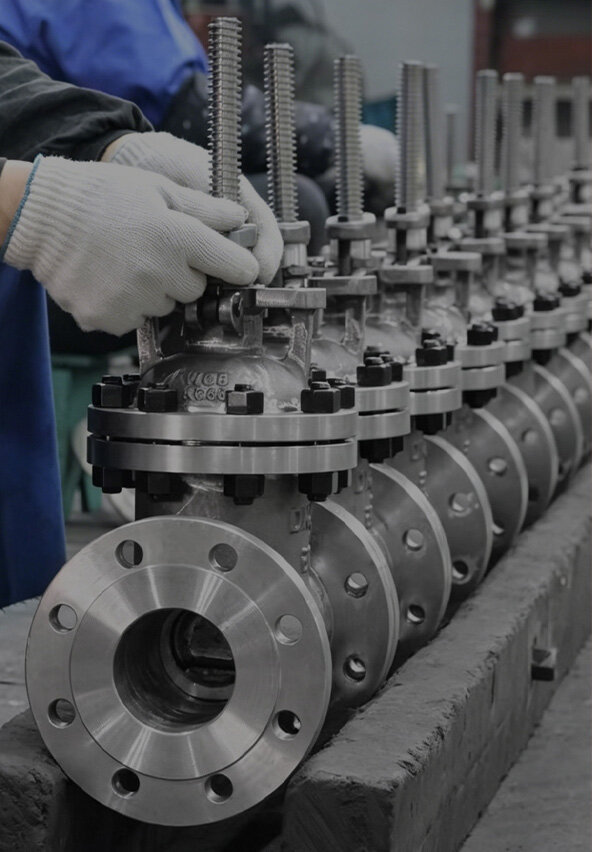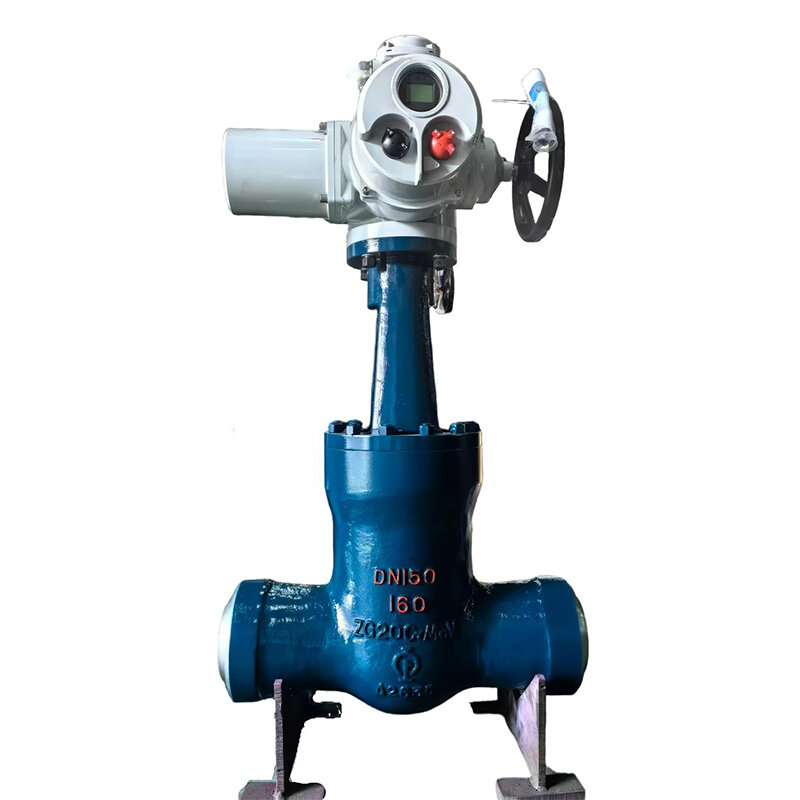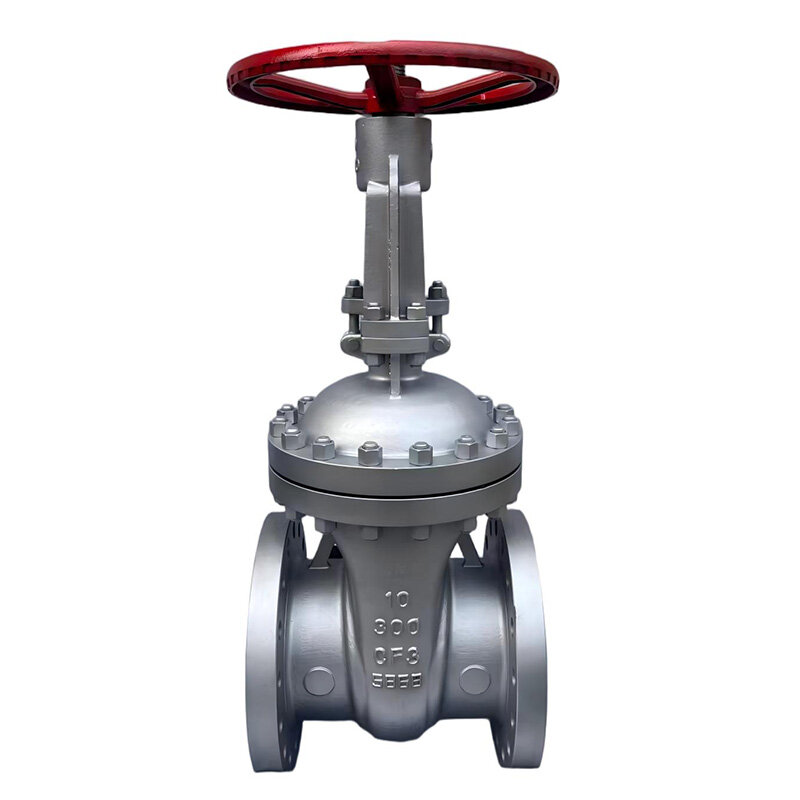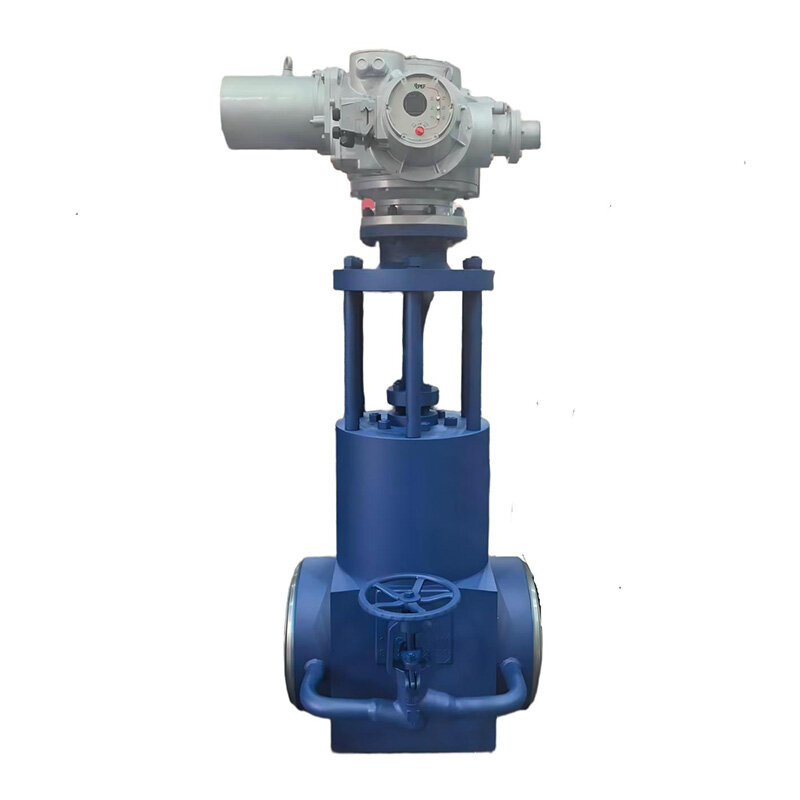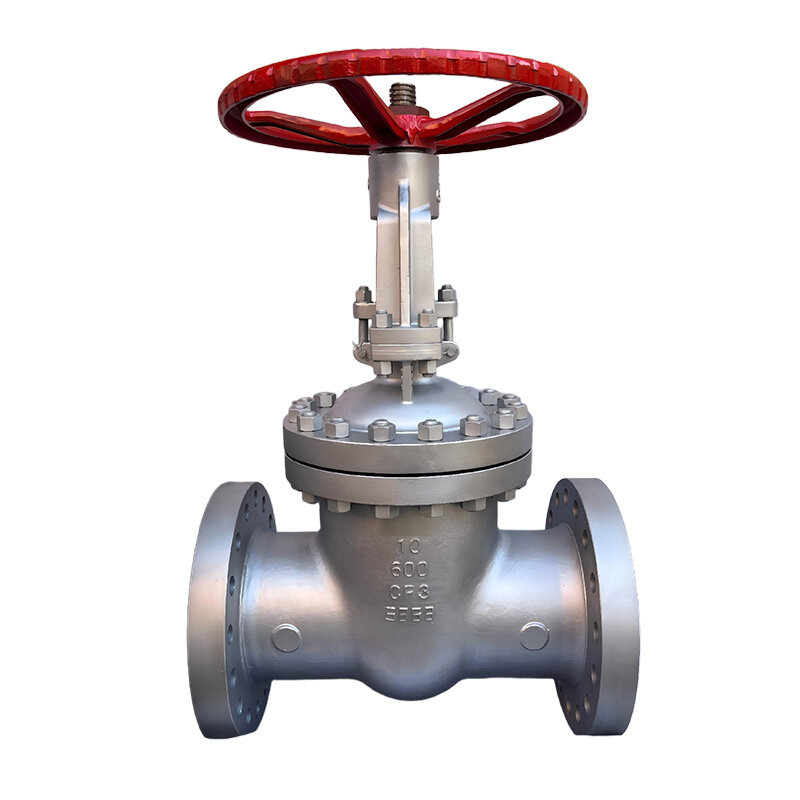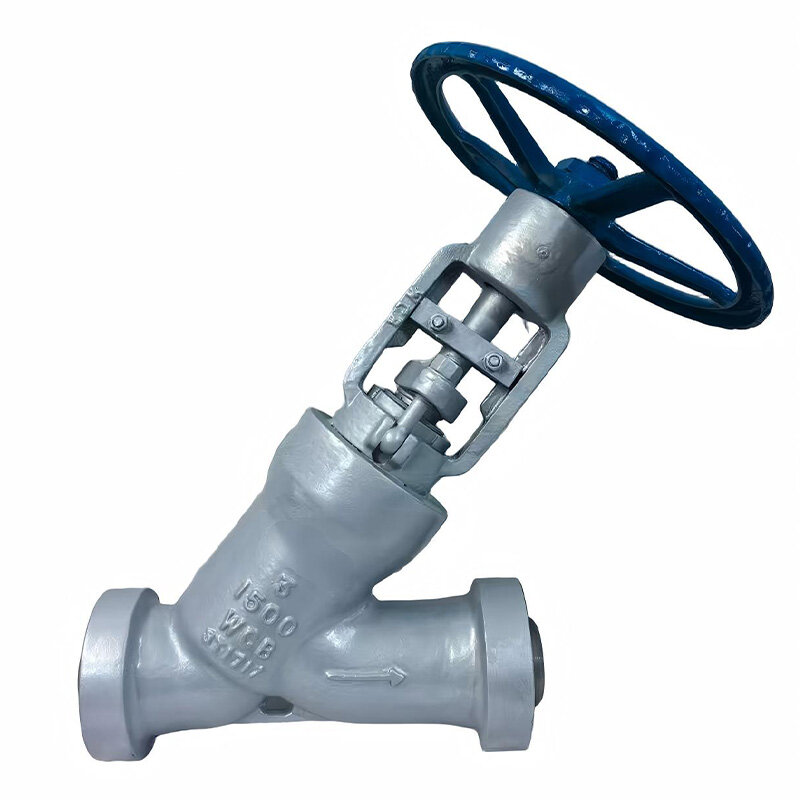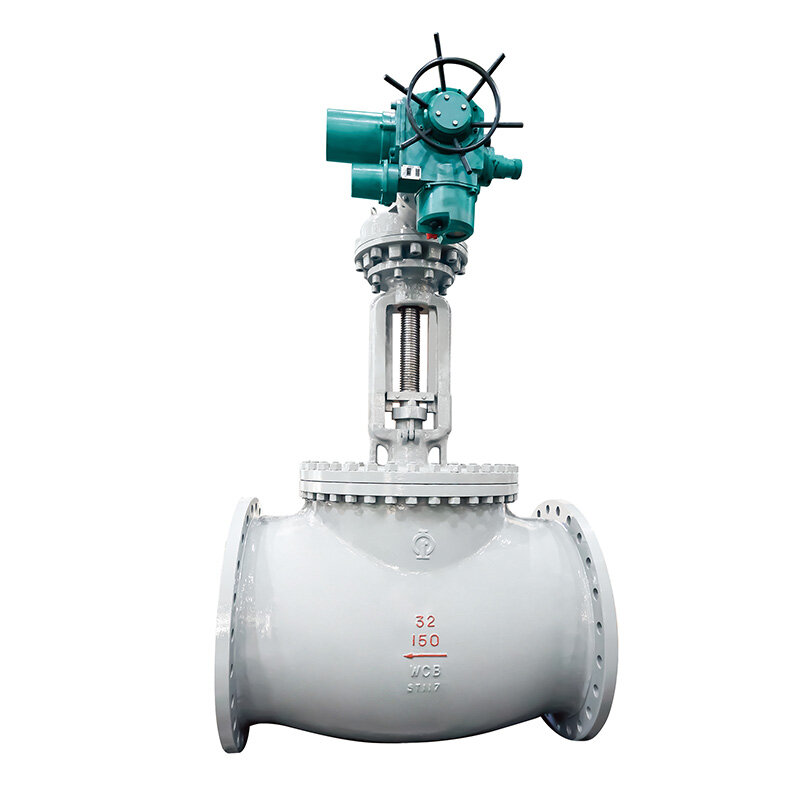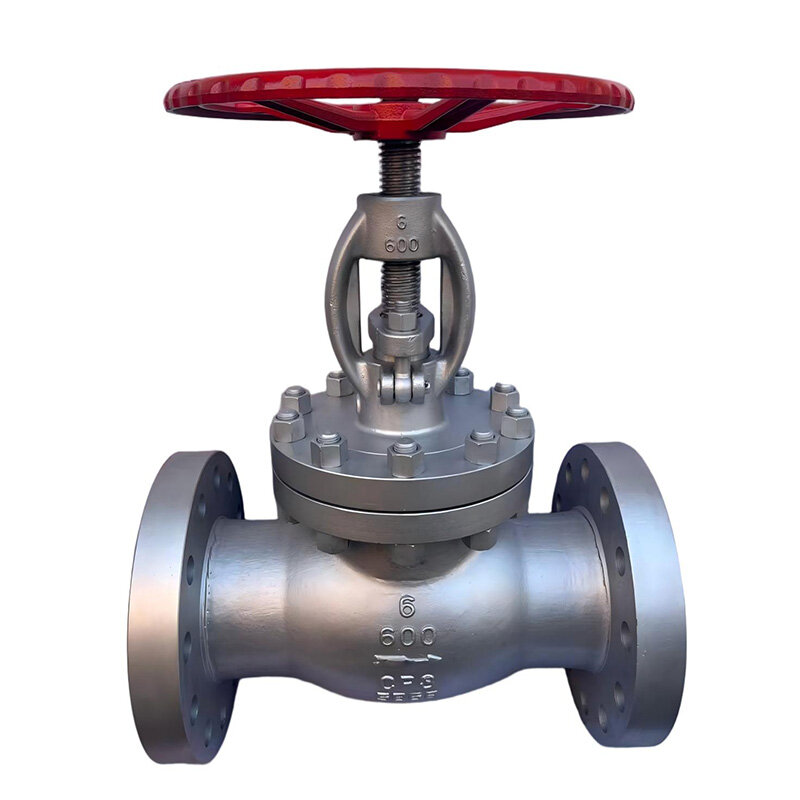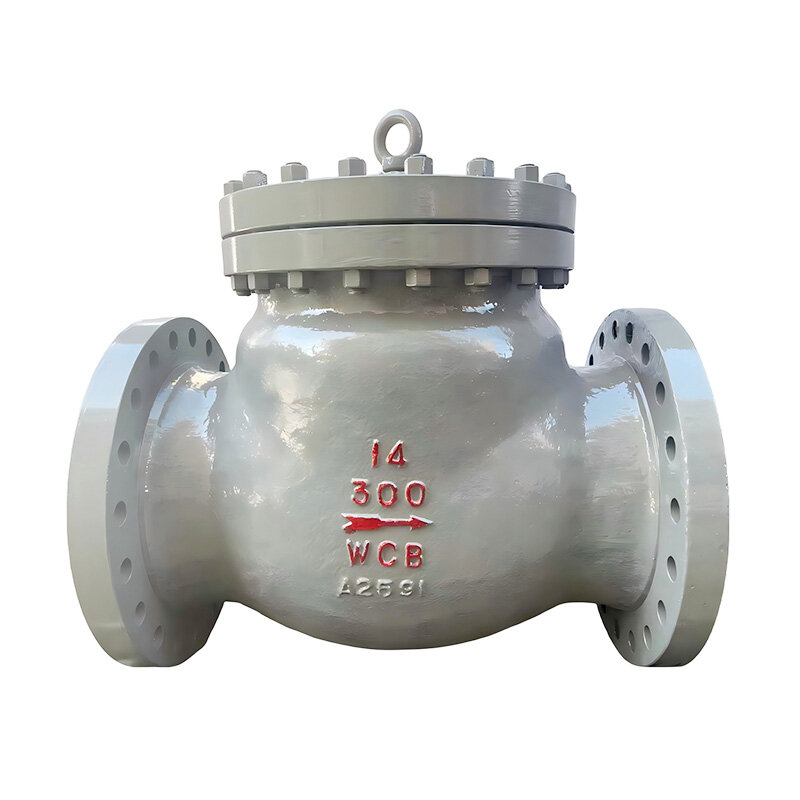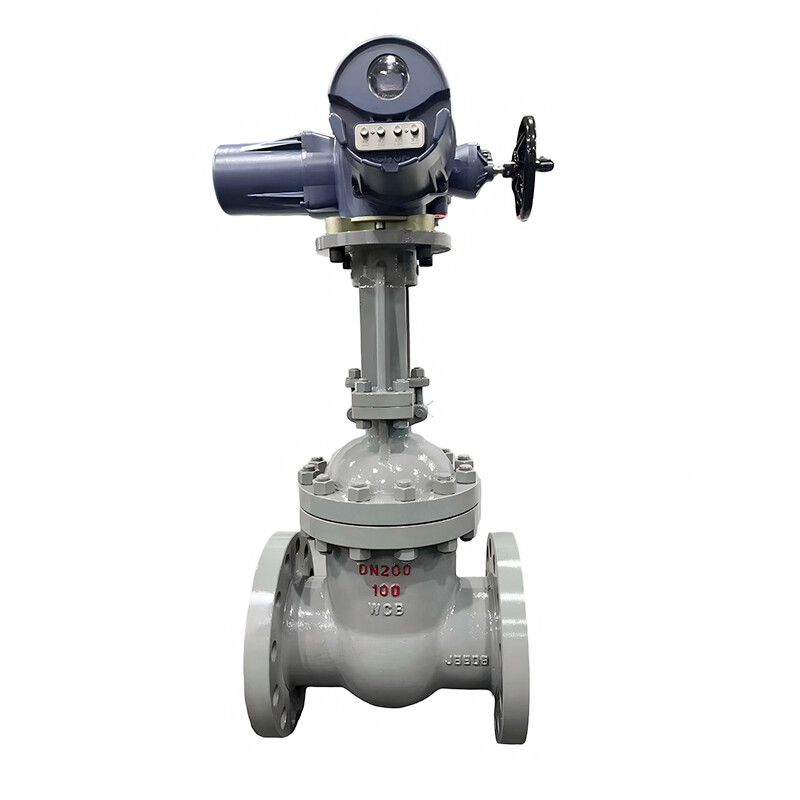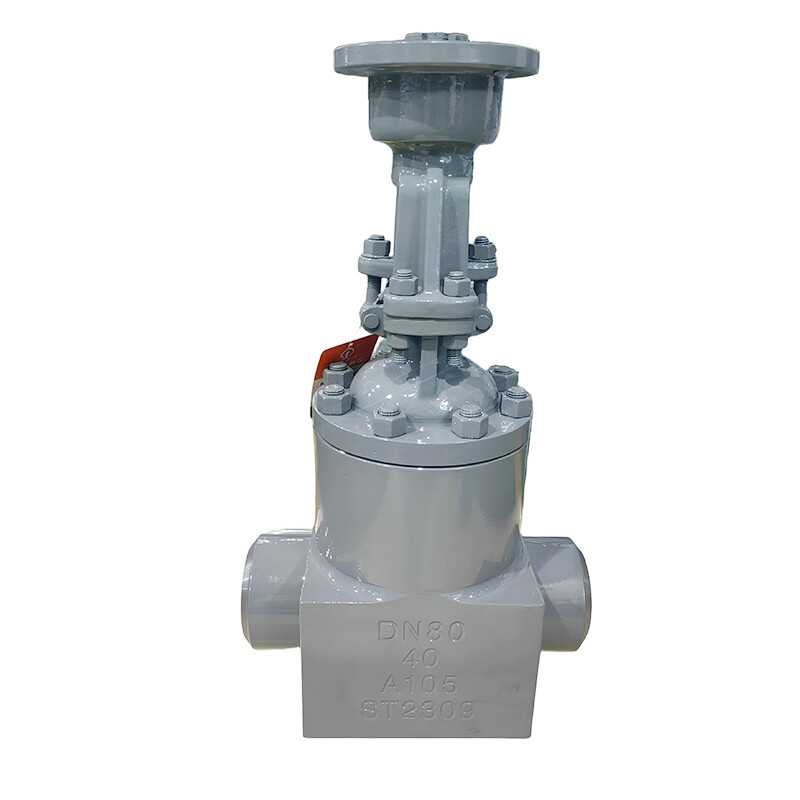
High-quality castings are one of the most significant factors in determining the quality of steel valves. They provide the structural strength, pressure resistance, corrosion resistance, dimensional stability, and long-term durability required for demanding industrial applications. Even the most advanced valve design cannot compensate for poor casting quality. From safety and operational reliability to service life and economic performance, the influence of casting quality extends throughout the entire lifecycle of a steel valve. For this reason, reputable valve manufacturers place great emphasis on foundry technology, material control, heat treatment, and non-destructive testing. In modern industrial systems where reliability and safety are critical, high-quality castings are not simply a manufacturing requirement — they are the foundation of dependable steel valve performance.
The Foundation of Valve Strength and Pressure Resistance
The valve body is the primary pressure-retaining component of a steel valve. It must maintain structural integrity under high internal pressure and temperature conditions. High-quality castings ensure that the material possesses sufficient tensile strength, yield strength, and impact resistance.
If casting defects such as shrinkage cavities, porosity, sand holes, cracks, or inclusions exist inside the valve body, the mechanical strength of the valve will be significantly reduced. Under high-pressure service conditions, these defects can expand over time and eventually cause leakage or catastrophic failure.
In industries such as power generation and refinery processing, valves are frequently exposed to pressures exceeding several hundred bars and temperatures above 500°C. Only high-quality castings with uniform grain structure and proper heat treatment can provide the necessary durability and pressure resistance required for such severe working environments.
Impact on Valve Safety
Safety is one of the most important considerations in industrial valve applications. A valve failure can result in production shutdowns, environmental pollution, equipment damage, fire hazards, or even loss of human life. High-quality castings are essential for minimizing these risks.
Internal casting defects are often invisible from the outside. If the manufacturer uses substandard casting materials or poor foundry techniques, hidden defects may remain inside the valve body. During operation, these weak points may become sources of cracking or leakage.
This is especially critical in applications involving:
Steam systems
High-pressure boilers
LNG facilities
Chemical plants
Offshore oil and gas platforms
Toxic or flammable media
High-quality castings undergo strict non-destructive testing methods such as radiographic testing (RT), ultrasonic testing (UT), magnetic particle testing (MT), and dye penetrant testing (PT). These inspection methods help identify internal and surface defects before the valve enters service, significantly improving operational safety.
Influence on Corrosion Resistance
Material integrity is directly related to corrosion resistance. Poor casting quality may create microscopic pores, inclusions, or uneven material distribution, which can accelerate corrosion processes.
For stainless steel valves, proper casting procedures are especially important because corrosion resistance depends heavily on maintaining the correct chemical composition and microstructure. If impurities or segregation occur during casting, localized corrosion such as pitting or crevice corrosion may develop rapidly.
In aggressive environments containing seawater, acids, alkalis, or chlorides, high-quality castings ensure:
Better corrosion resistance
Longer service life
Reduced maintenance frequency
Lower risk of leakage
For example, CF8M stainless steel valves used in marine applications require high-quality casting processes to maintain molybdenum distribution and prevent corrosion-related failures.
Effect on Machining Accuracy and Dimensional Stability
High-quality castings also contribute to better machining performance and dimensional accuracy. A casting with uniform structure and minimal internal stress is easier to machine and less likely to deform during manufacturing.
Valve sealing performance depends heavily on accurate machining of sealing surfaces, flange faces, stem holes, and seating areas. Poor casting quality can lead to:
Dimensional deviations
Surface irregularities
Misalignment of internal components
Difficulties during machining
Poor sealing performance
As a result, the valve may experience internal leakage, unstable operation, or reduced service life.
Modern industrial valves often require extremely precise tolerances to comply with international standards such as API, ASME, DIN, and BS. High-quality castings help manufacturers achieve these standards consistently.
Relationship Between Casting Quality and Valve Service Life
The operational life of a steel valve is closely connected to the quality of its cast components. High-quality castings provide greater resistance to:
Thermal fatigue
Mechanical stress
Pressure cycling
Corrosion
Erosion
Vibration
In contrast, poor-quality castings may fail prematurely due to crack propagation or material degradation.
For example, in thermal power plants, valves experience repeated heating and cooling cycles. Inferior castings may develop thermal stress cracks after prolonged operation. High-quality castings with proper heat treatment and refined grain structure can withstand these demanding conditions for many years.
A longer valve service life provides several benefits to end users:
Reduced maintenance costs
Lower replacement frequency
Less operational downtime
Improved plant efficiency
Higher overall reliability
Importance of Foundry Technology and Quality Control
The quality of steel valve castings depends greatly on foundry capabilities and quality control systems. Advanced foundries use modern technologies to improve casting consistency and reduce defects.
Important factors include:
High-quality raw materials
Precise chemical composition control
Advanced melting technology
Controlled pouring temperature
Proper mold design
Effective heat treatment
Strict inspection procedures
Leading valve manufacturers often cooperate with certified foundries that comply with international standards such as ISO 9001, PED, and API quality requirements.
Heat treatment is another essential factor. Proper normalization, tempering, annealing, or solution treatment improves mechanical properties and eliminates internal stress. Without appropriate heat treatment, even a visually acceptable casting may have poor performance under actual working conditions.
Economic Importance of High-Quality Castings
Although high-quality castings may increase manufacturing costs initially, they significantly reduce long-term operational expenses. Poor-quality valves often lead to:
Frequent maintenance
Unexpected shutdowns
Product loss
Safety incidents
Higher replacement costs
For industrial facilities operating continuously, even a single valve failure can result in enormous financial losses. Therefore, investing in valves with high-quality castings provides better long-term economic value.
Many end users now pay close attention to foundry qualifications, material certificates, NDT reports, and pressure test records before purchasing industrial steel valves. This reflects the growing awareness that casting quality directly determines valve reliability.
Previous:Major Milestone Achieved Batch of GOST Gate Valves Ready for Export
Next:The Imperative of Dye Penetrant Inspection for High-Pressure Self-Sealing Gate Valves