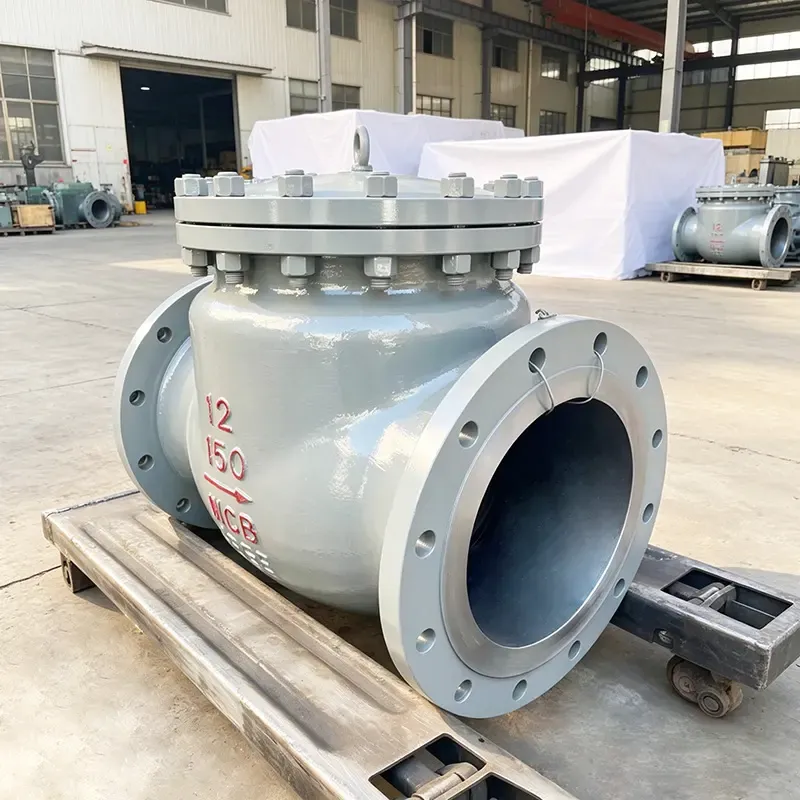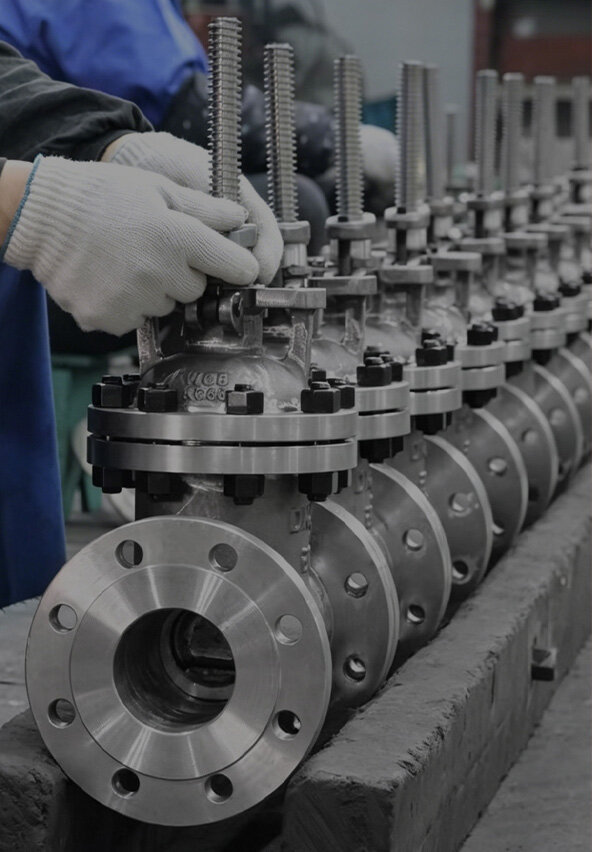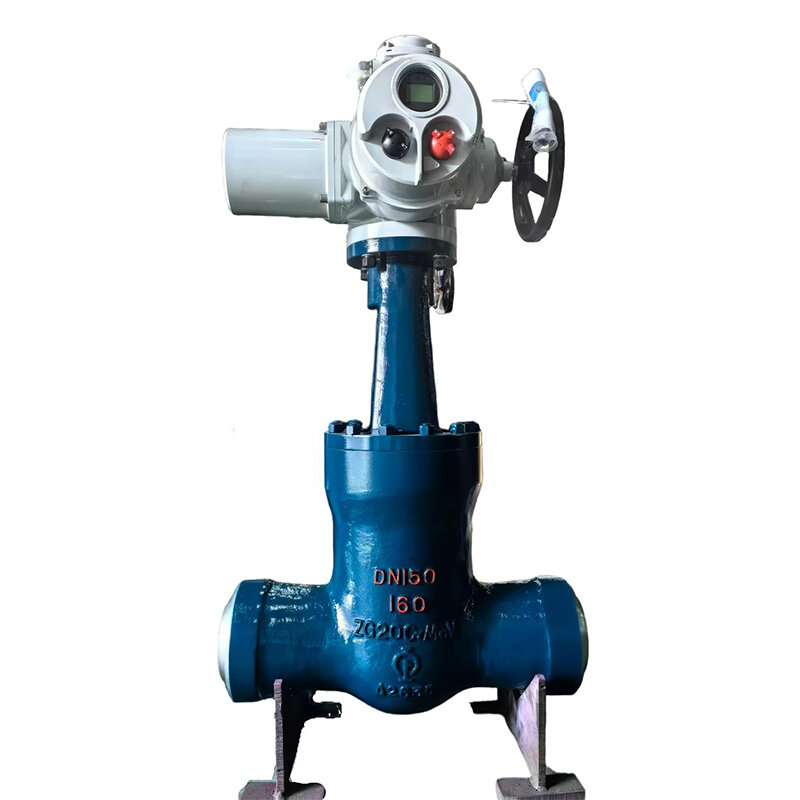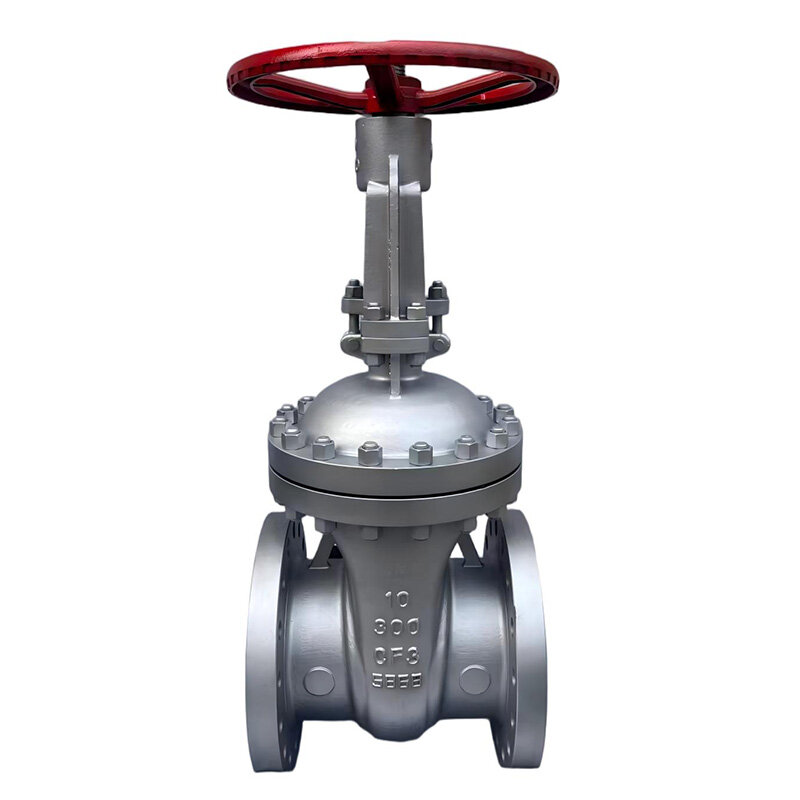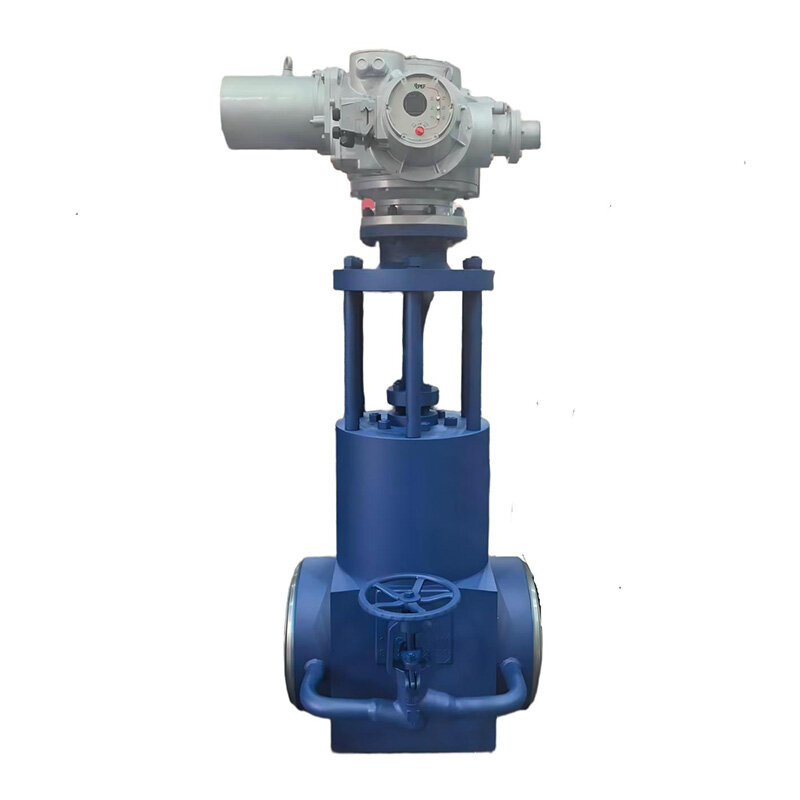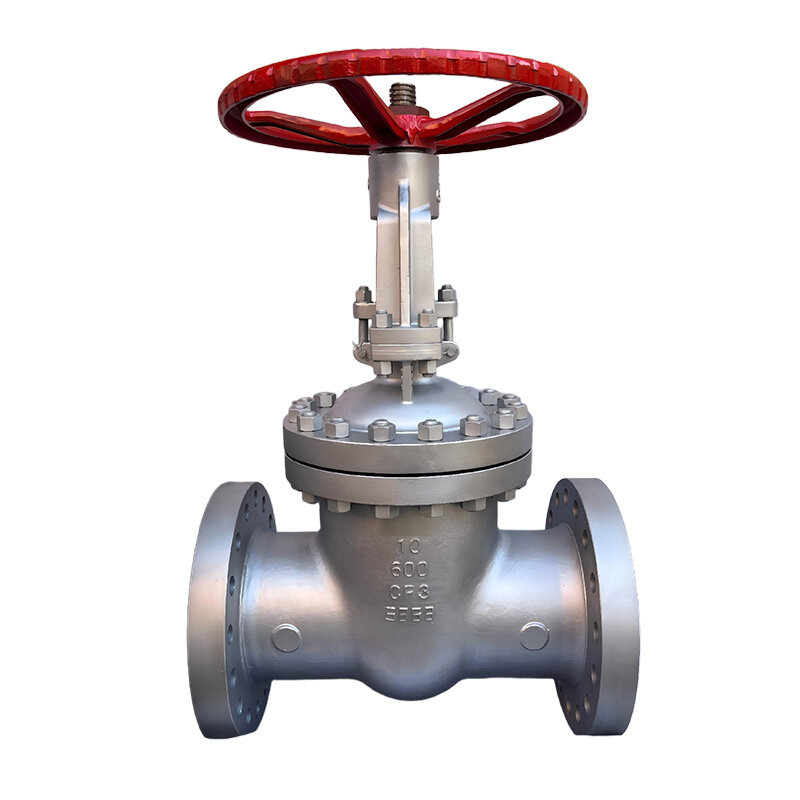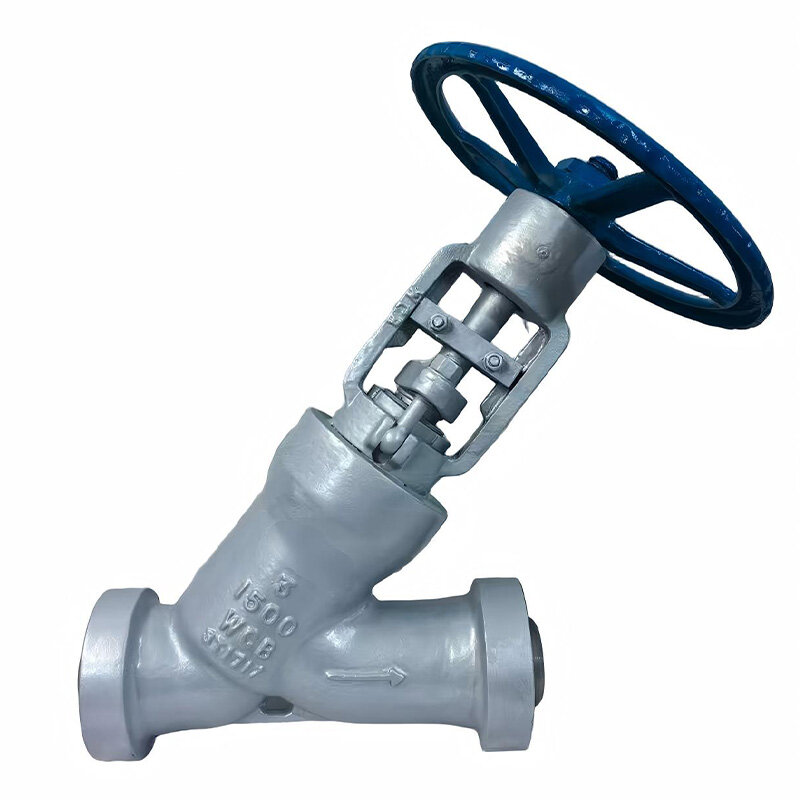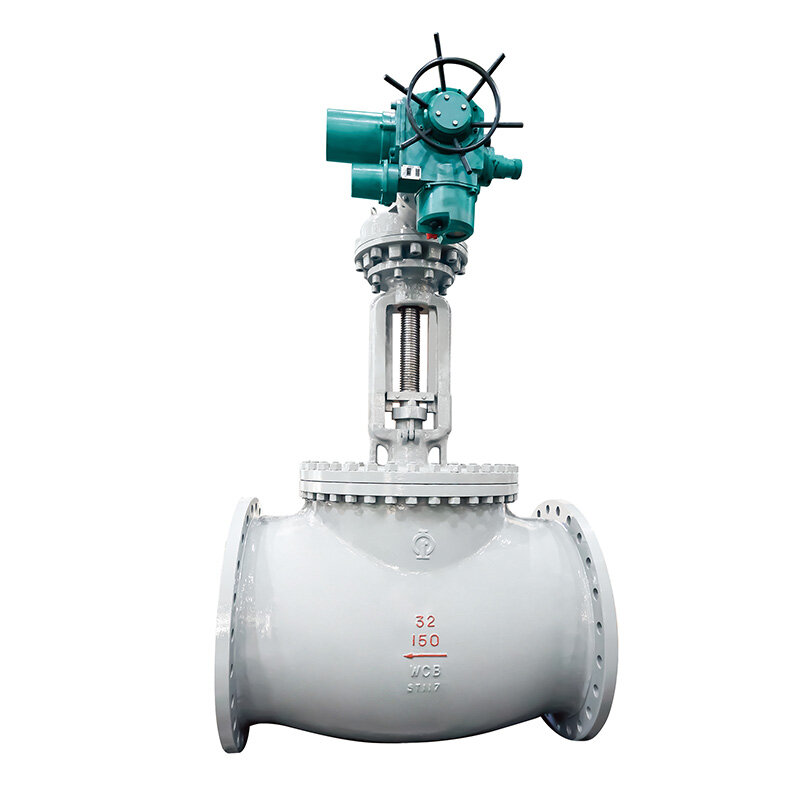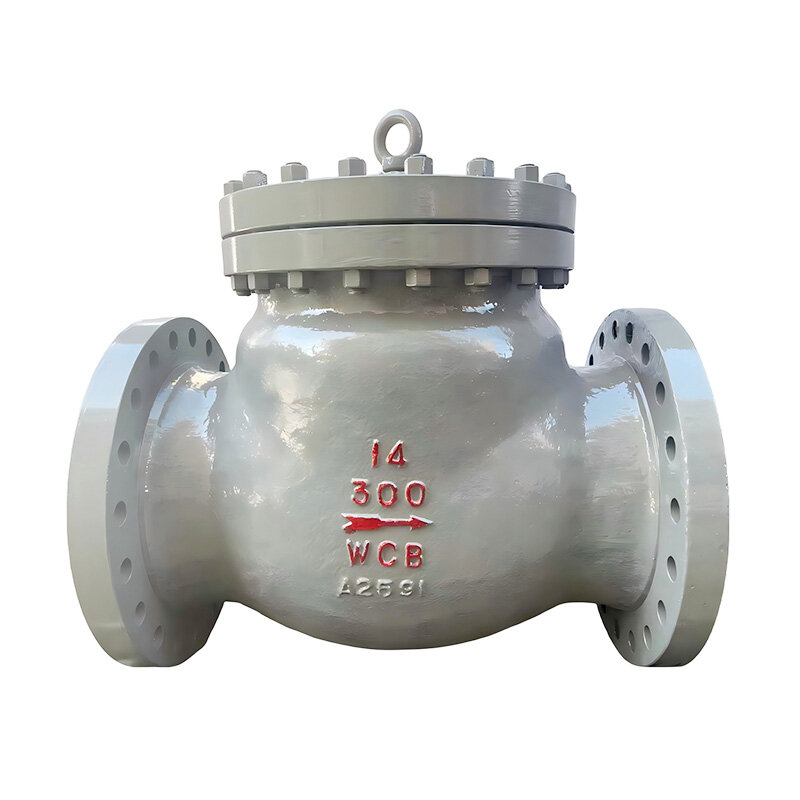
A certain crude oil long-distance pipeline recently completed its annual emergency shutdown linkage drill. The API 6D check valve installed along the pipeline quickly closed when the pump unit suddenly stopped, effectively preventing medium backflow and pipeline water hammer.
The pipeline transports high viscosity crude oil, and the terrain along the line is undulating. If the check valve is not closed in time, the static pressure difference formed by the high-level oil column may push the medium to flow in the opposite direction, which can cause damage to the pump station equipment and pipeline overpressure in severe cases. The selected rotary check valve has the characteristics of low opening pressure and large flow capacity. The valve disc opens by the flow of the medium. When the pump stops, the flow rate drops sharply, and the valve disc quickly returns to the valve seat position under the push of gravity and reflux medium, achieving closure.
To reduce water hammer pressure, a buffering damping structure is installed within the valve disc movement stroke to avoid severe impact between the valve disc and the valve seat. The drill records show that within a few seconds after the pump unit was shut down, the check valve was fully closed, and the pressure fluctuation amplitude of the pipeline was controlled within the allowable range. There were no overpressure alarms at various monitoring points along the line.
The API 6D standard has technical requirements for the closing time, flow resistance coefficient, and shell strength of check valves. This batch of valves has been verified through type testing. The safe operation of long-distance pipelines highly relies on the response speed of check valves. This drill verified the reliability of API 6D check valves under emergency conditions and provided data support for pipeline safety emergency plans.