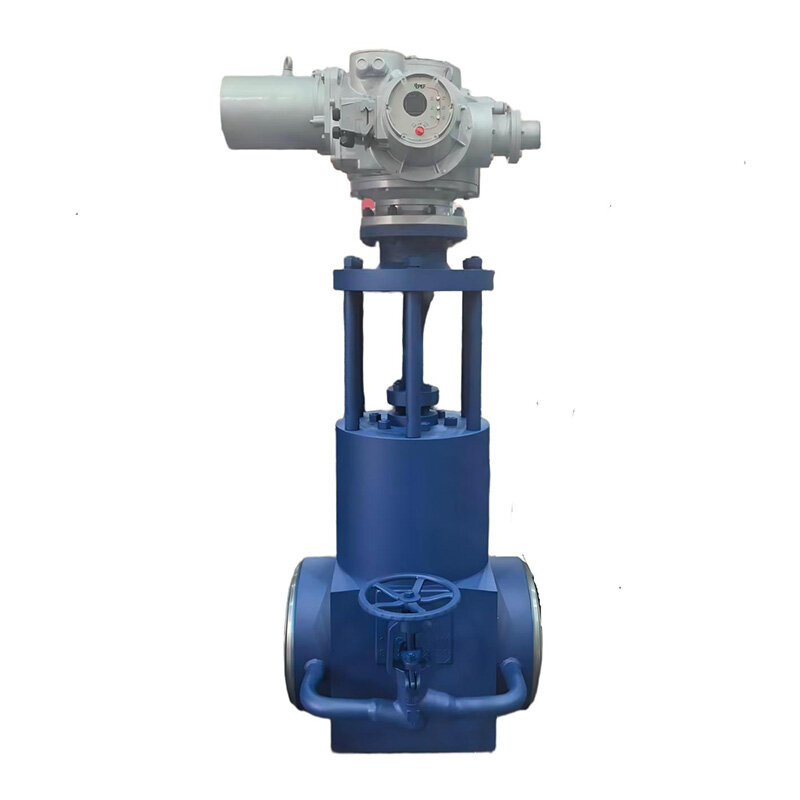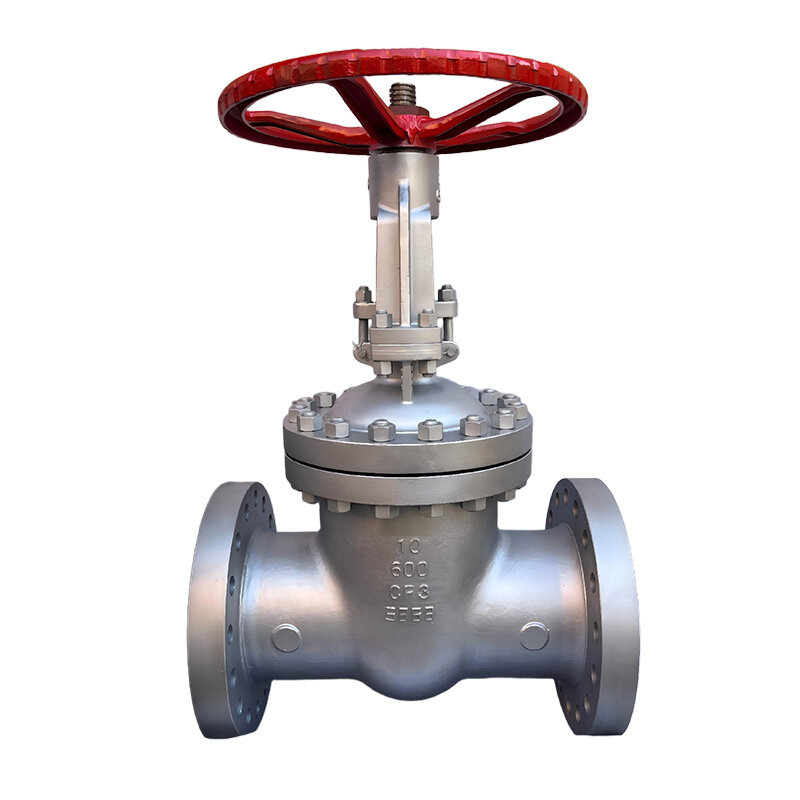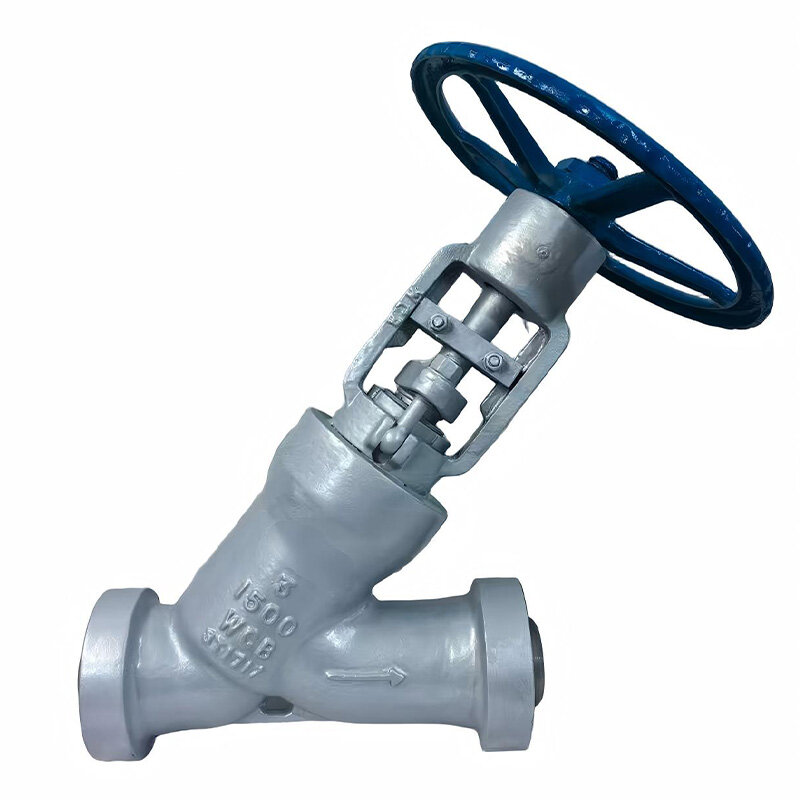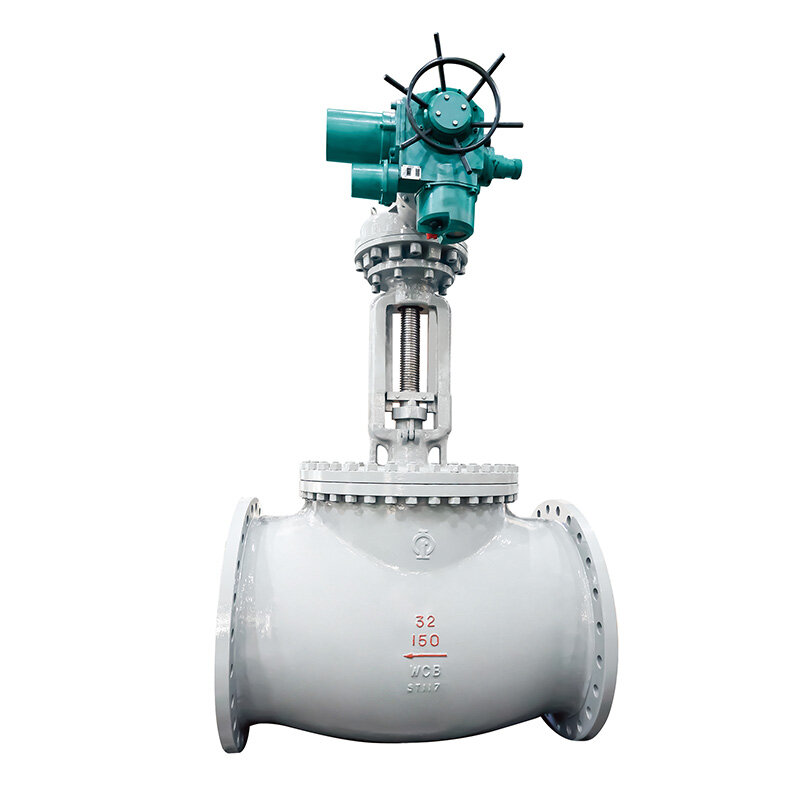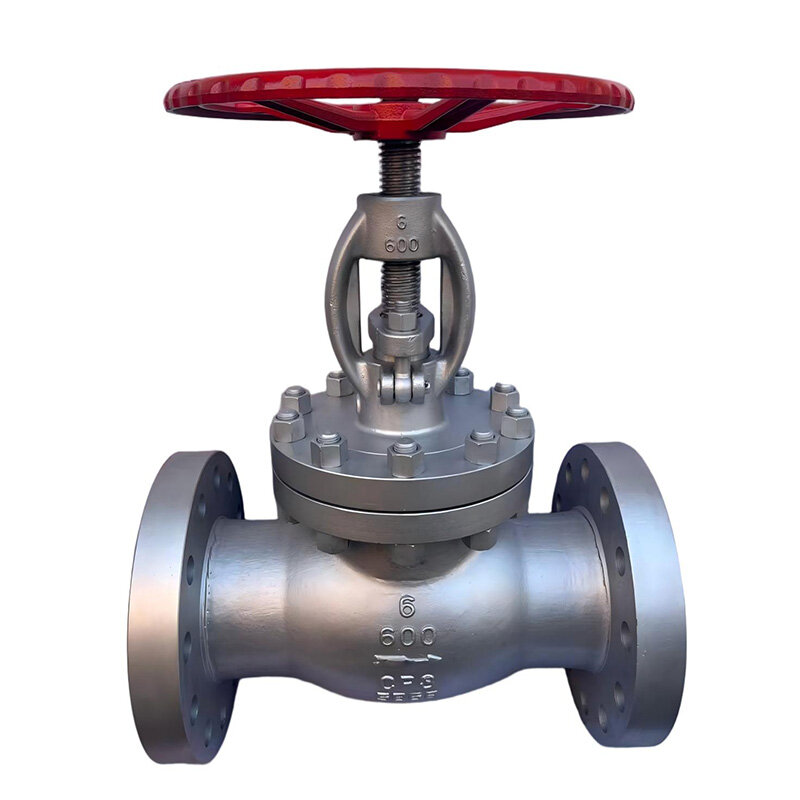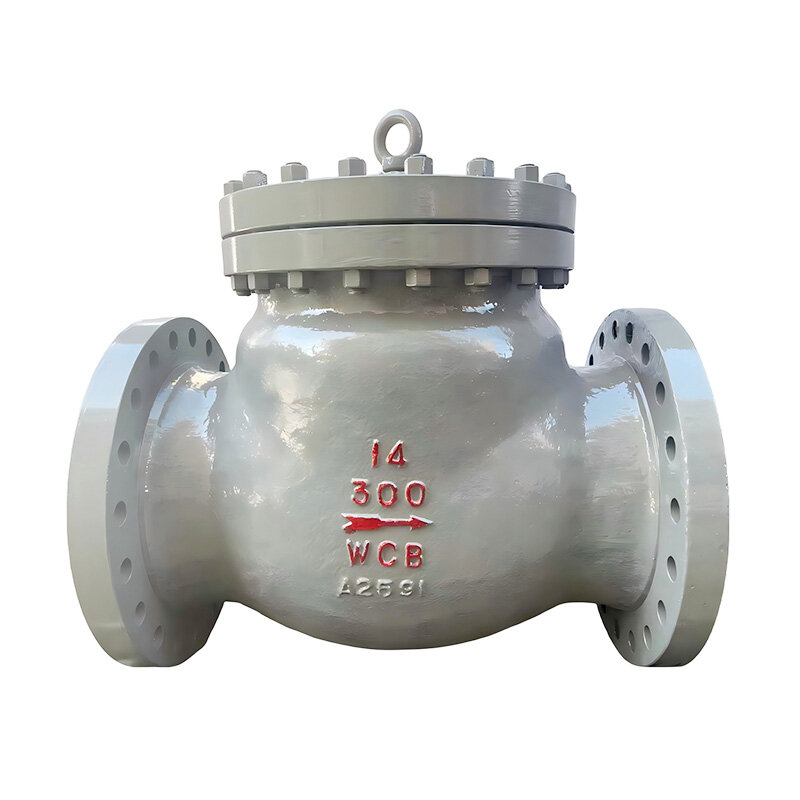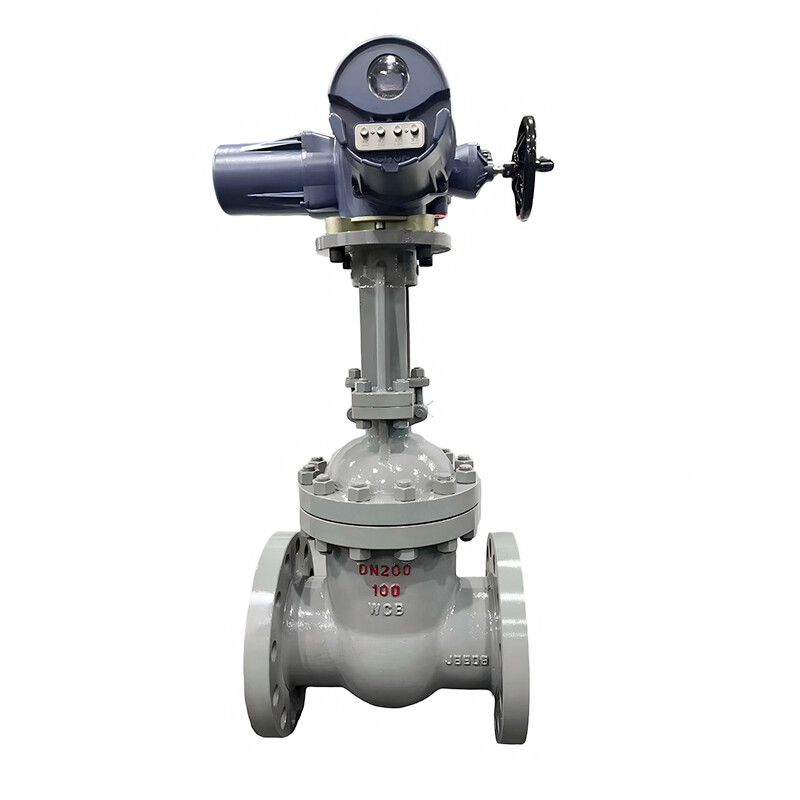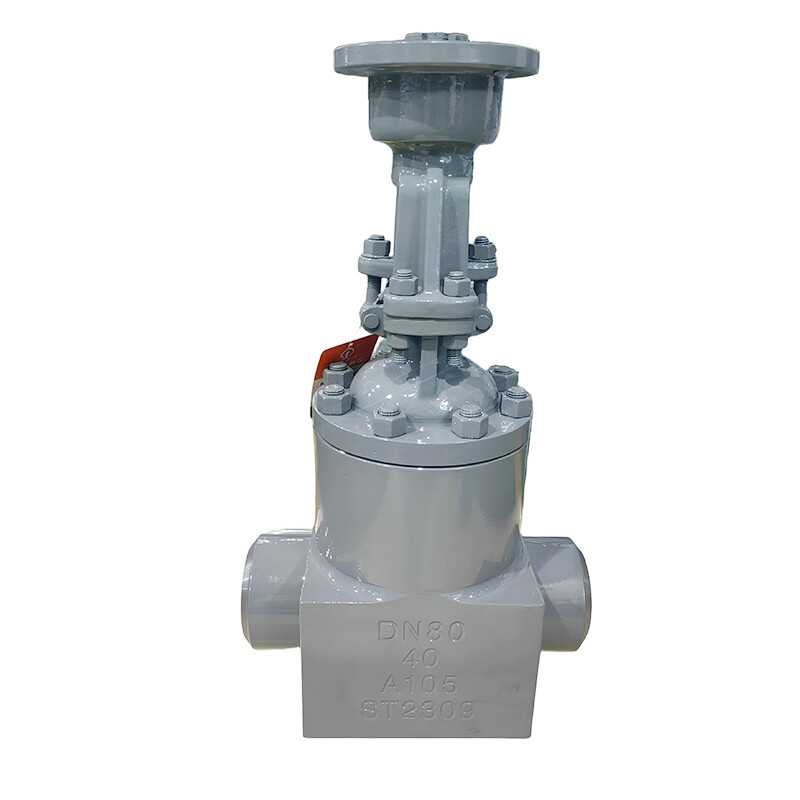
The expansion project of a natural gas backbone pipeline network in a certain country has recently completed the acceptance of the valve installation phase. The API 600 gate valve, which has been put into mass use in the project, has become the core equipment of the pipeline cutoff system.
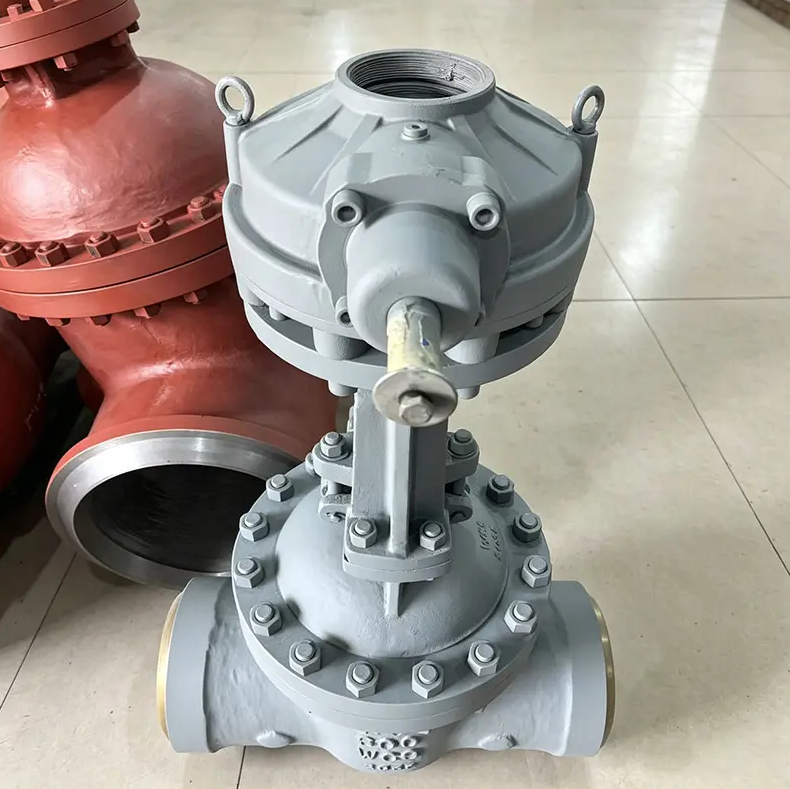
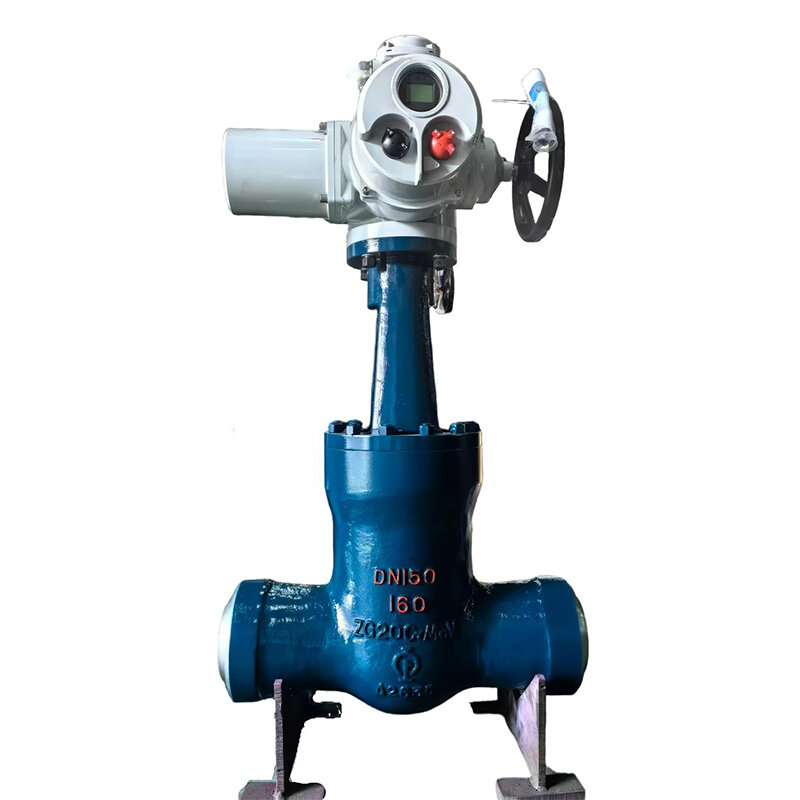
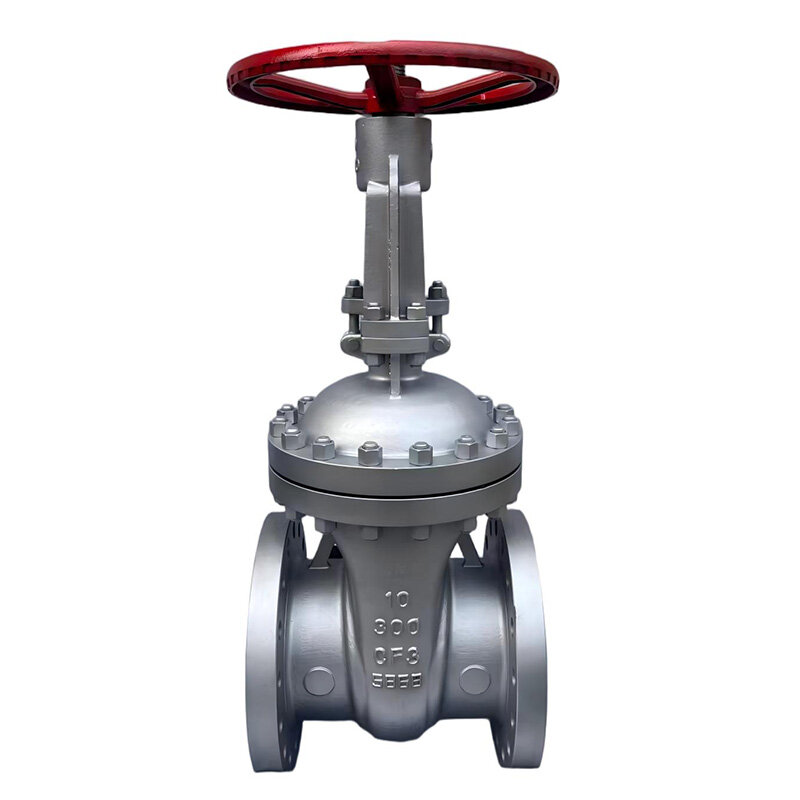
The project line spans multiple geological landforms, and reliable shut-off valves need to be installed at the compressor stations and distribution stations along the line to quickly cut off the airflow in case of pipeline abnormalities. The selected gate valve adopts a bolted connection valve cover structure, equipped with a lifting valve stem and an integral valve seat. The gate plate adopts a wedge-shaped design to ensure the formation of a reliable metal sealing pair in the closed state. Considering the possible temperature differences and foundation settlement that the pipeline may encounter, the valve design reserves an appropriate amount of flexible compensation, and the bottom of the valve body is equipped with a drain hole for regular removal of impurities in the pipeline. The construction party reported that the installation process of this batch of gate valves was smooth, the flange connection size met the standard requirements, and the on-site pressure test pass rate reached the expected level.
The API 600 standard also specifies the fire resistance test and anti-static structure for gate valves. All products in this batch are equipped with fire-resistant seals and anti-static devices, meeting pipeline safety regulations.
The replacement cost of valves in long-distance pipelines is high, so the engineering side pays special attention to the long-term service performance of valves. The multiple testing items required by the API 600 standard provide institutional guarantees for product quality. This batch adoption has also accumulated selection experience for subsequent pipeline projects, promoting the industry's development towards standardization and normalization.