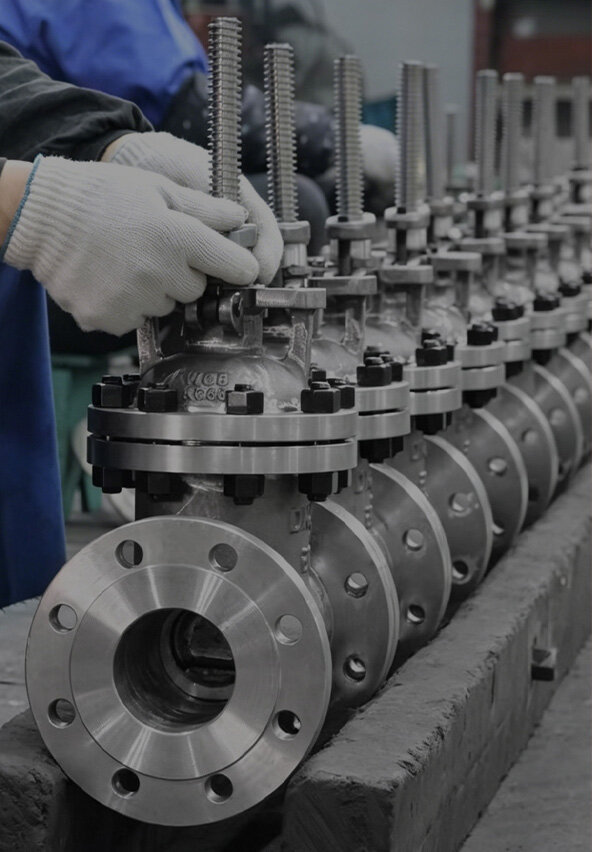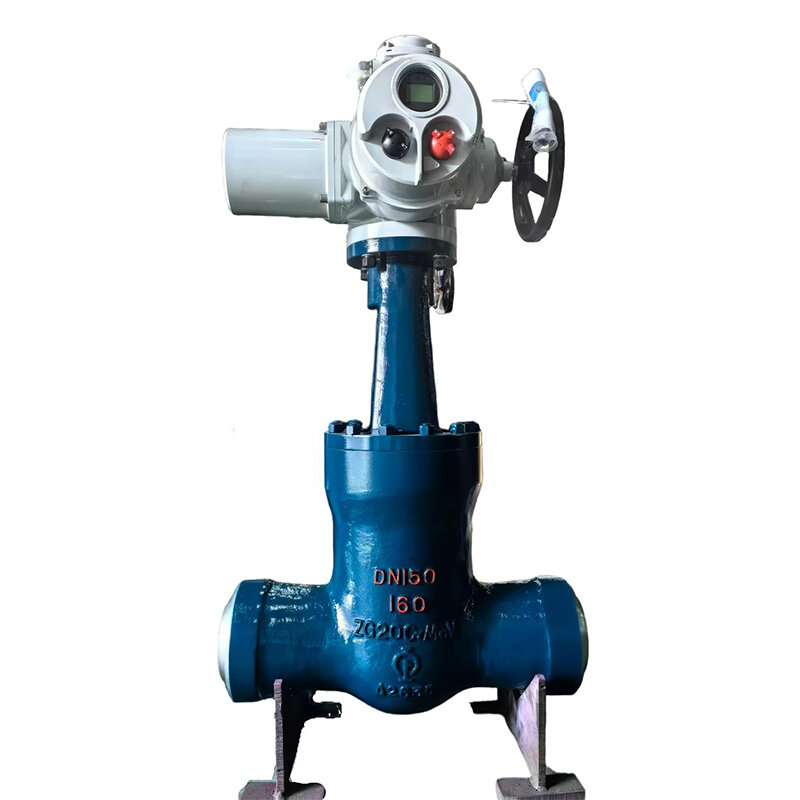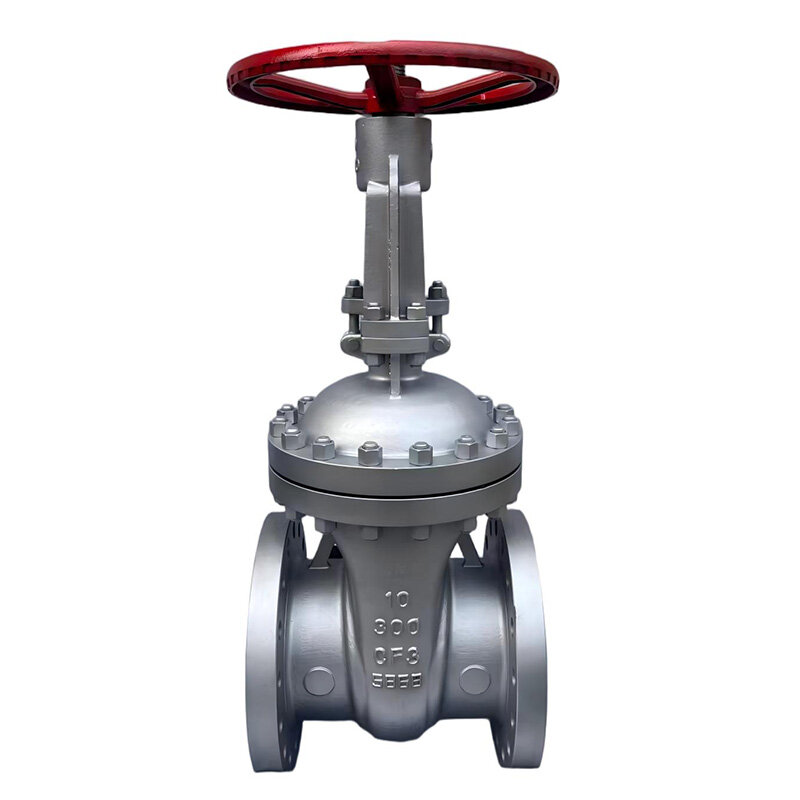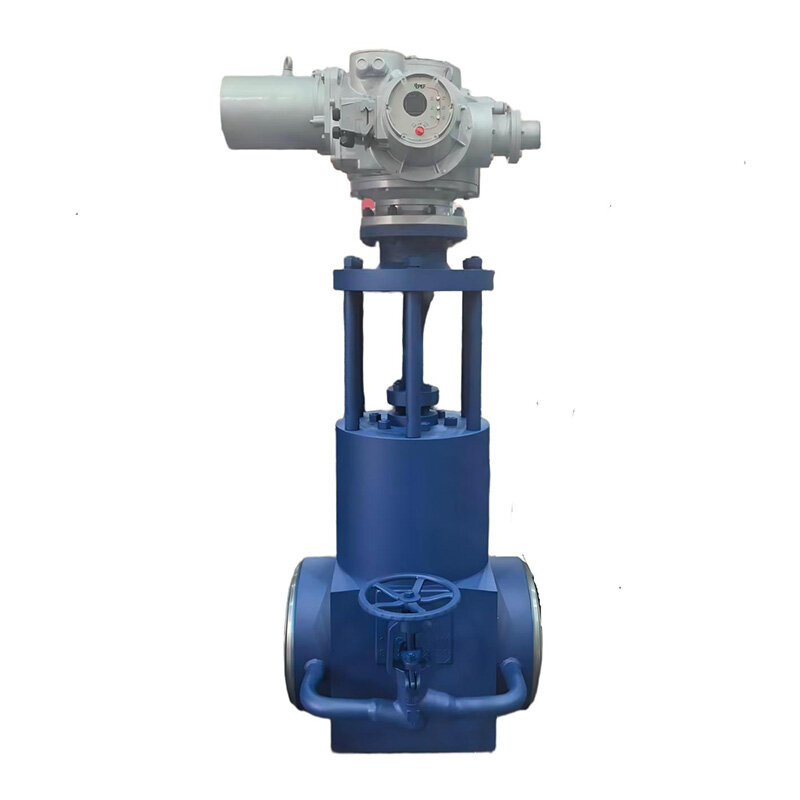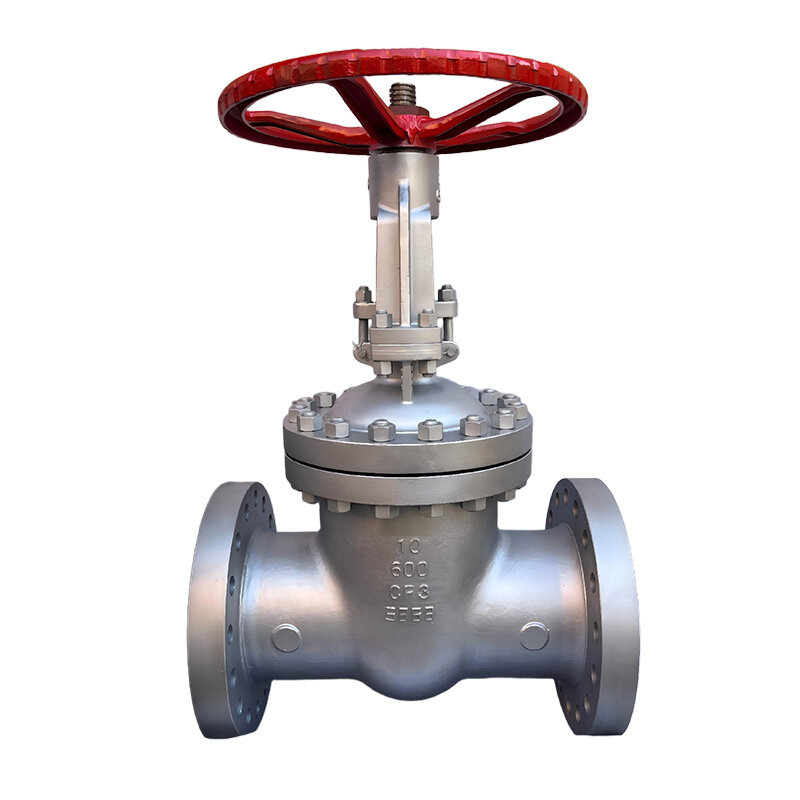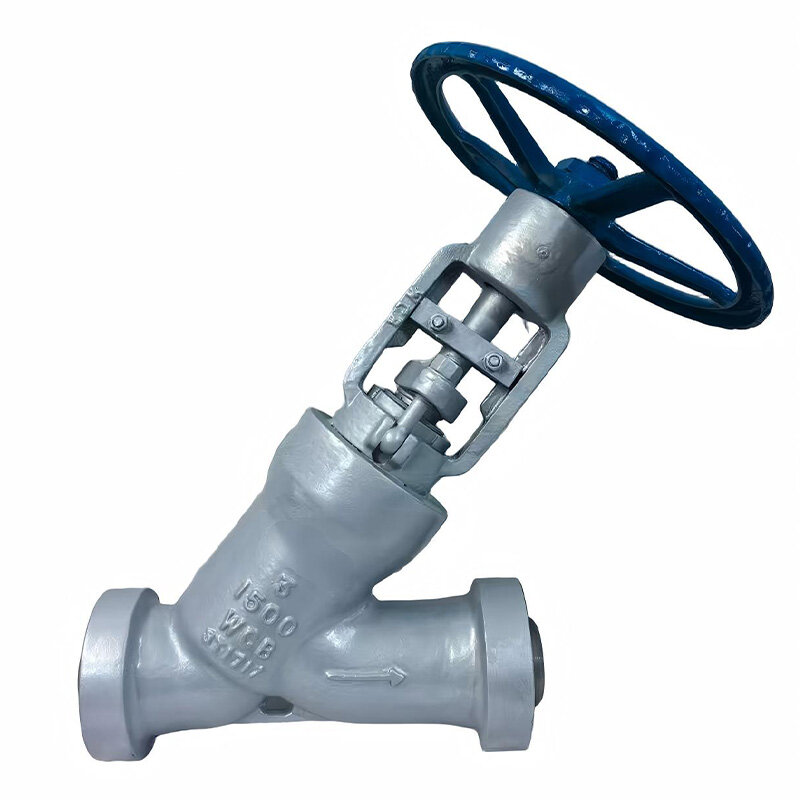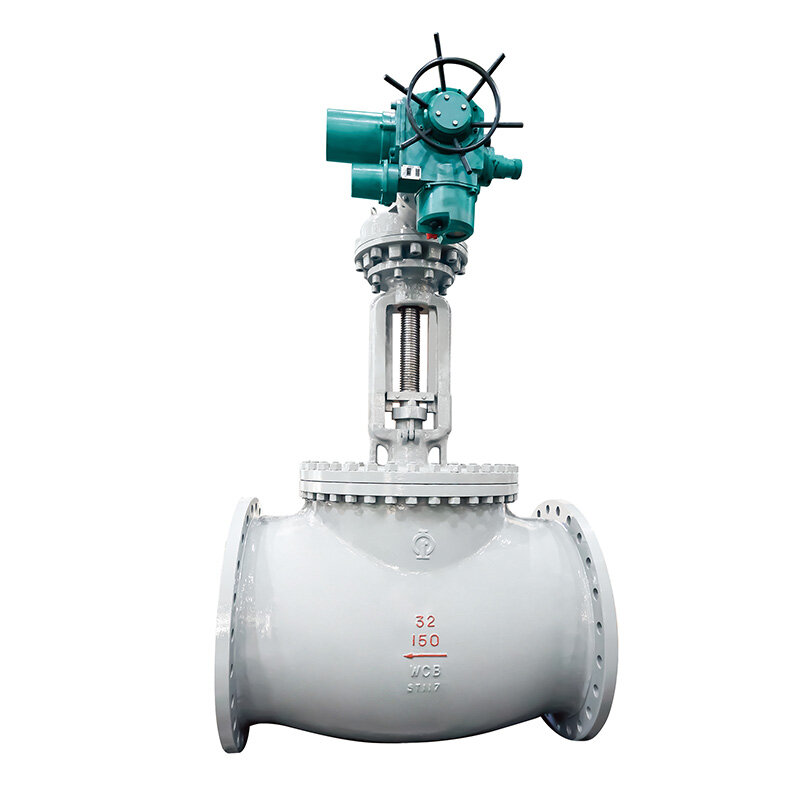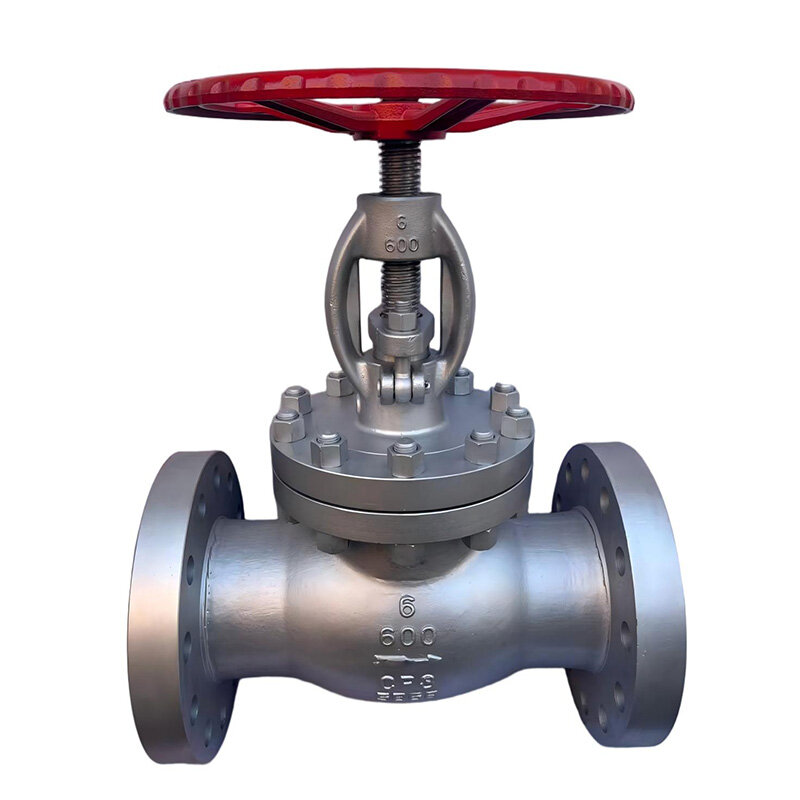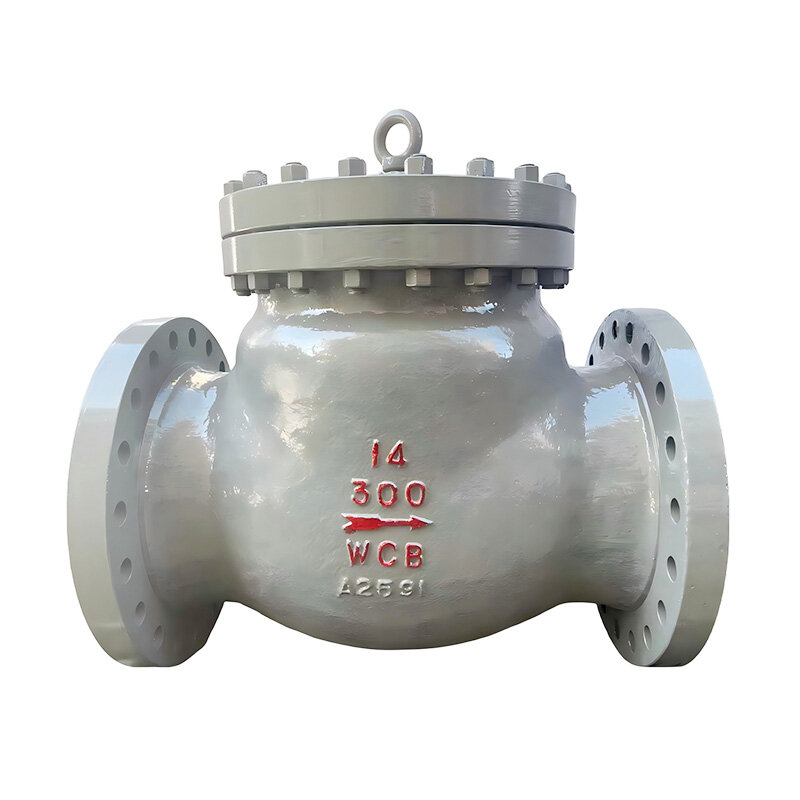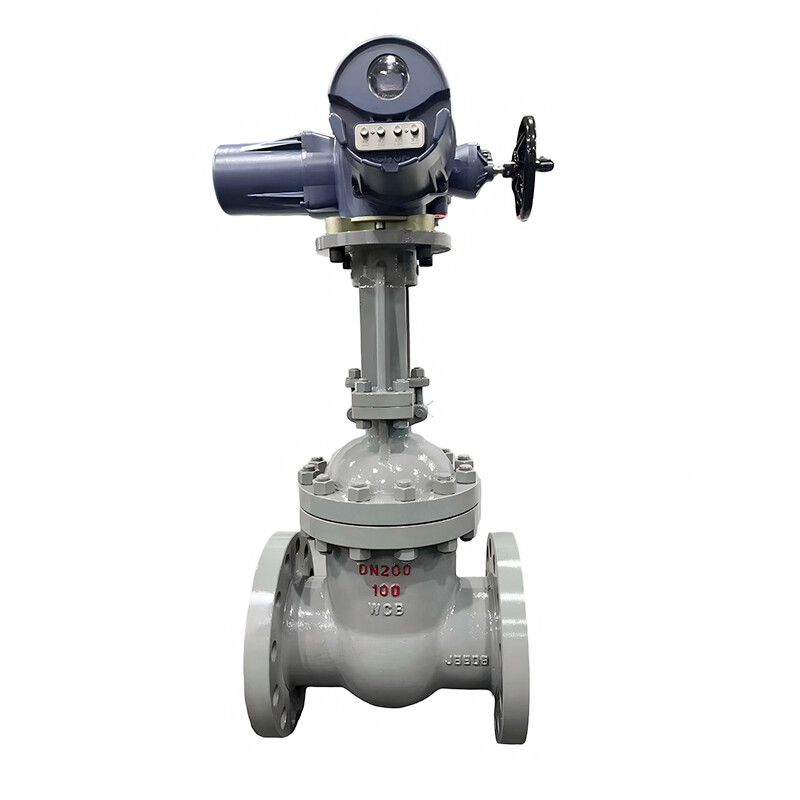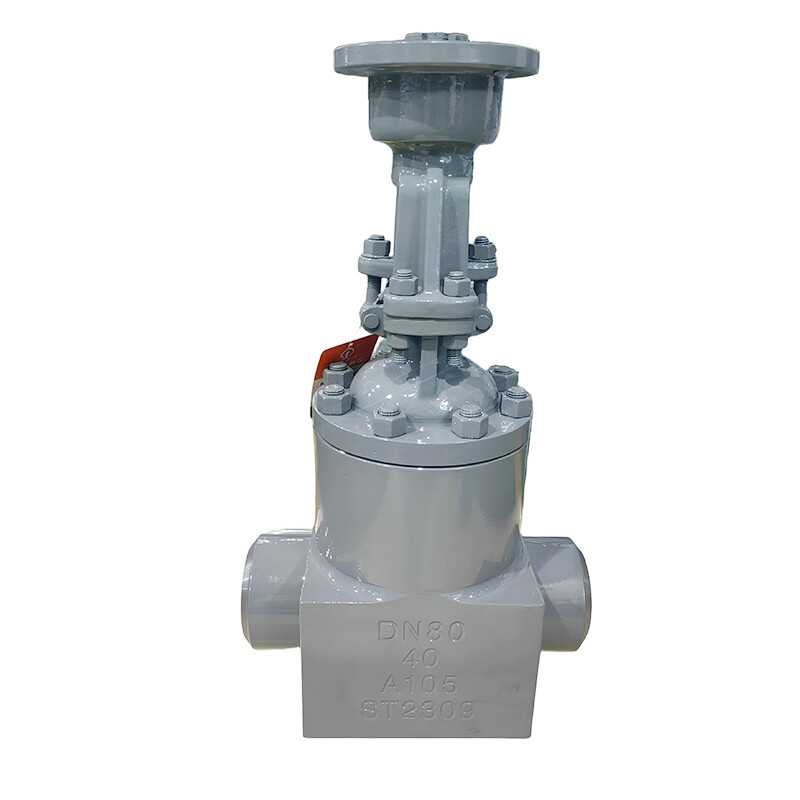
As industrial systems continue to operate under increasingly demanding conditions, the High Temperature Gate Valve is gaining greater recognition as a critical component in high-heat environments. Designed to maintain reliable shut-off and structural stability under elevated temperatures, this valve is widely used in power generation, petrochemical processing, refineries, steel manufacturing, and thermal fluid systems.
The primary advantage of a high temperature gate valve lies in its ability to withstand extreme heat without compromising sealing performance or mechanical strength. Manufactured from heat-resistant alloys and specialized stainless steel materials, these valves are engineered to handle steam, hot gases, molten fluids, and other high-temperature media. Their construction helps prevent distortion, thermal fatigue, and premature wear during continuous operation.
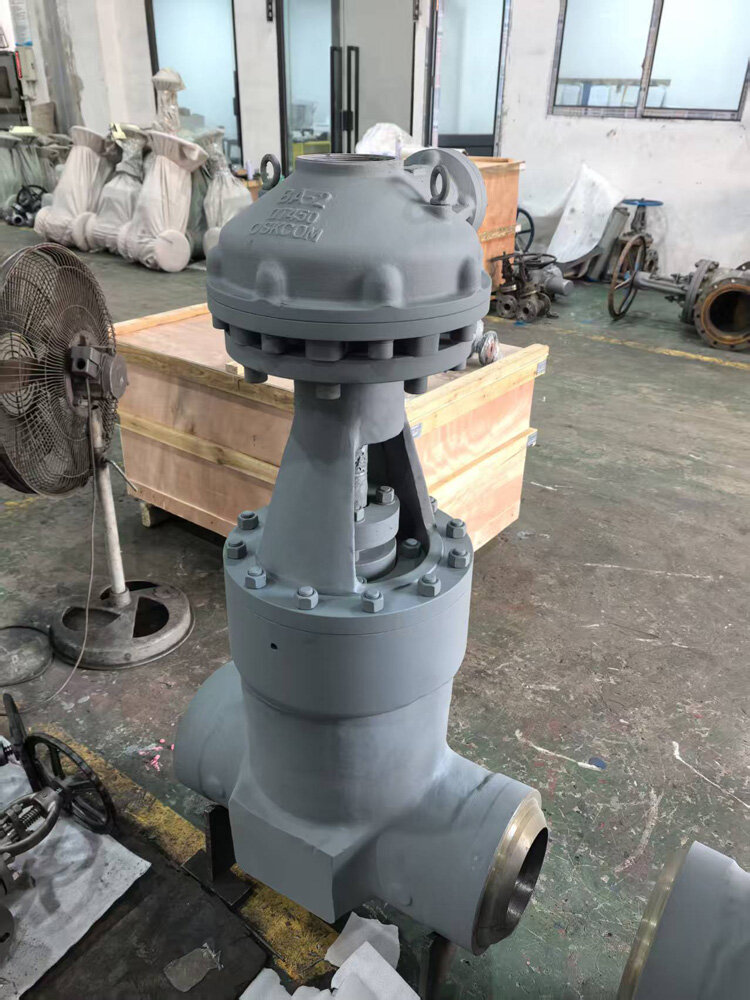
Gate valves are valued for their full-bore design, which allows fluid to pass through with minimal pressure loss when the valve is fully open. This characteristic is especially important in systems where maintaining flow efficiency is essential. In high-temperature applications, unrestricted flow helps reduce energy losses and supports stable process conditions throughout the pipeline.
Reliable isolation is another reason why high temperature gate valves are widely adopted. The gate moves vertically to create a tight seal when closed, effectively stopping flow even under significant thermal stress. Advanced seat materials and precision-machined sealing surfaces improve resistance to expansion and contraction, ensuring consistent shut-off performance during repeated heating and cooling cycles.
Engineers also appreciate the versatility of these valves. High temperature gate valves are available in a range of sizes, pressure classes, and connection types, including flanged, butt weld, and pressure seal designs. They can be operated manually or equipped with electric and pneumatic actuators to support remote and automated process control in large industrial facilities.
Durability plays a major role in reducing maintenance requirements. Components such as stems, wedges, and bonnets are designed to resist oxidation, scaling, and creep deformation. This robust construction extends service life and minimizes the risk of unplanned shutdowns, which can be costly in continuous production environments.
Environmental and energy efficiency goals are also driving interest in high temperature gate valves. Effective shut-off helps prevent leakage of steam and hot fluids, improving system efficiency and reducing waste. Long service life further supports sustainable operations by decreasing replacement frequency and material consumption.
As industries modernize and thermal processes become more advanced, the demand for high temperature gate valves is expected to remain strong. Continued innovation in metallurgy, sealing technology, and automation will further enhance valve reliability, ensuring these products remain indispensable in the safe and efficient control of high-temperature industrial systems.
Previous:Stainless Steel Gate Valve Sees Growing Demand in Critical Industrial Applications
Next:An Order of Big Size Forged Steel Pressure Sealed Globe Valve for Power Plant for Vietnam Market