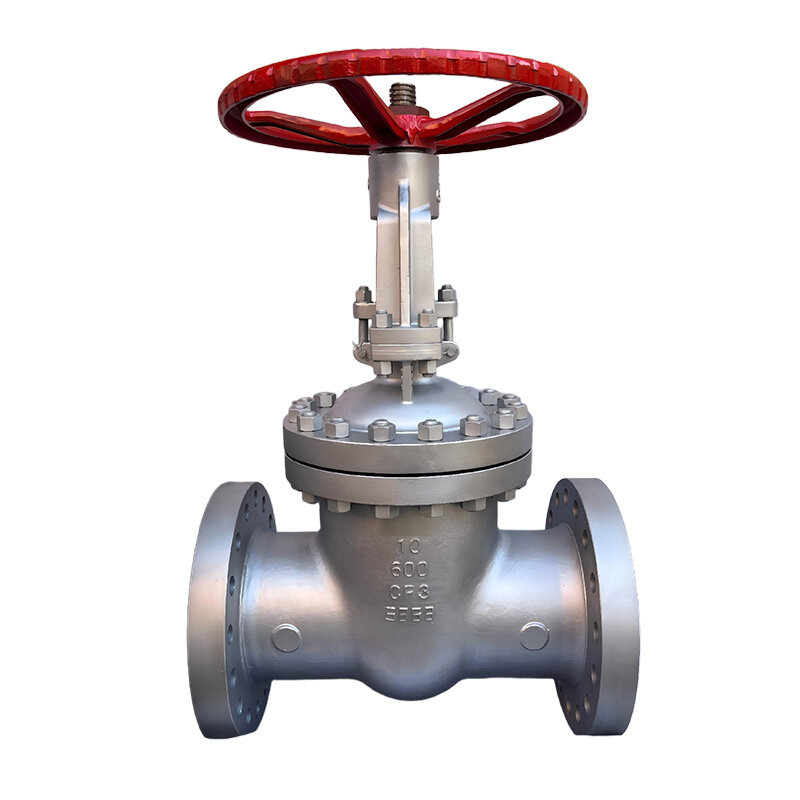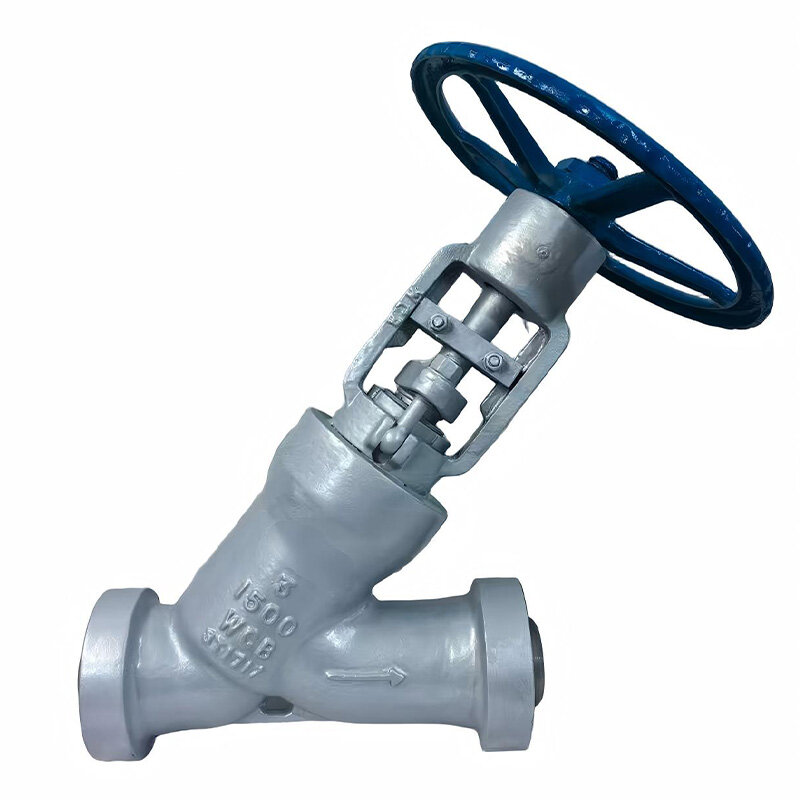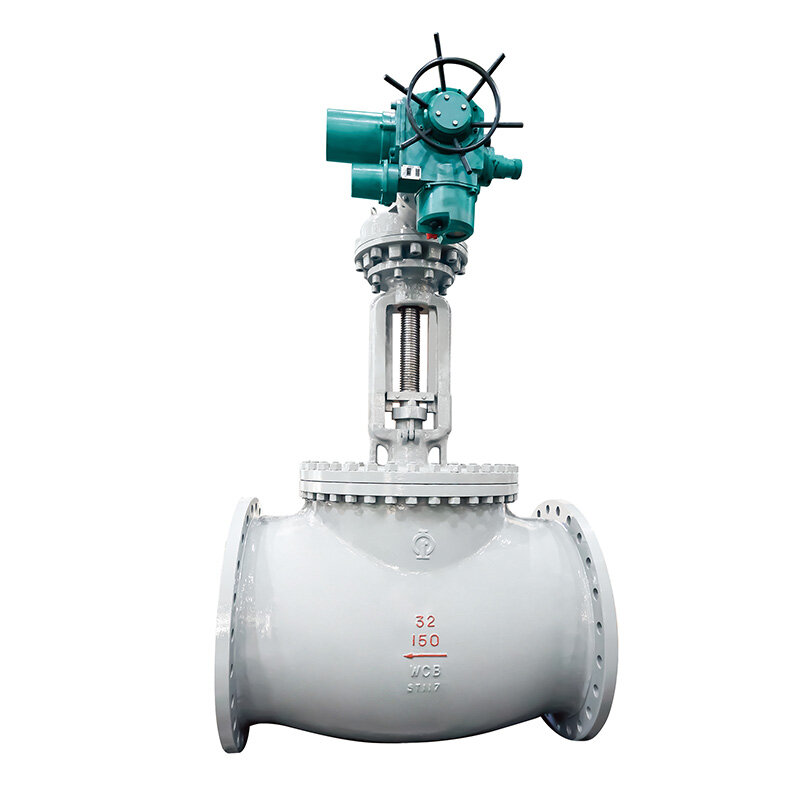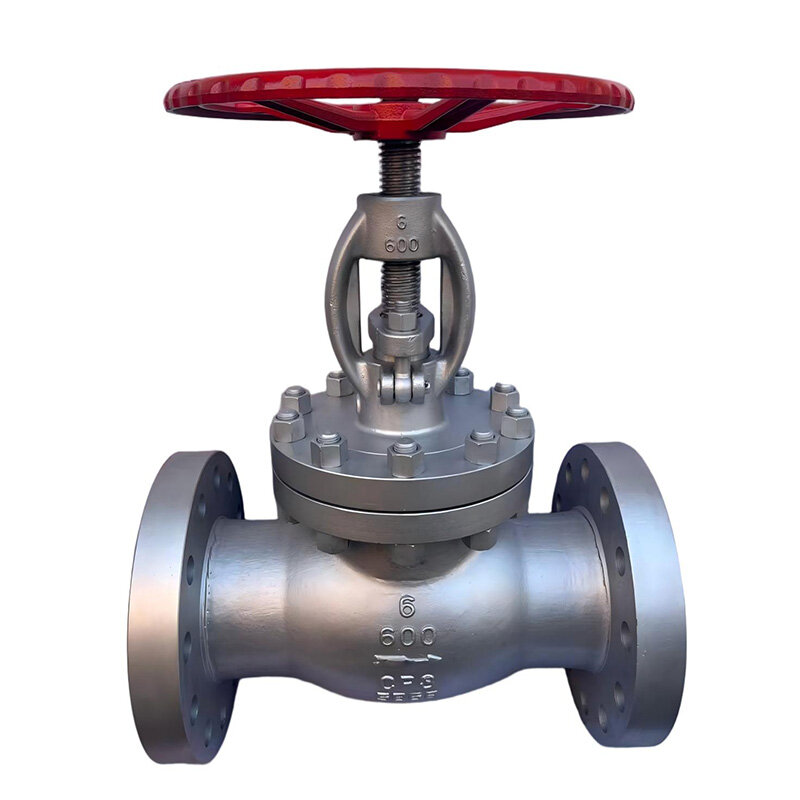
Product Overview
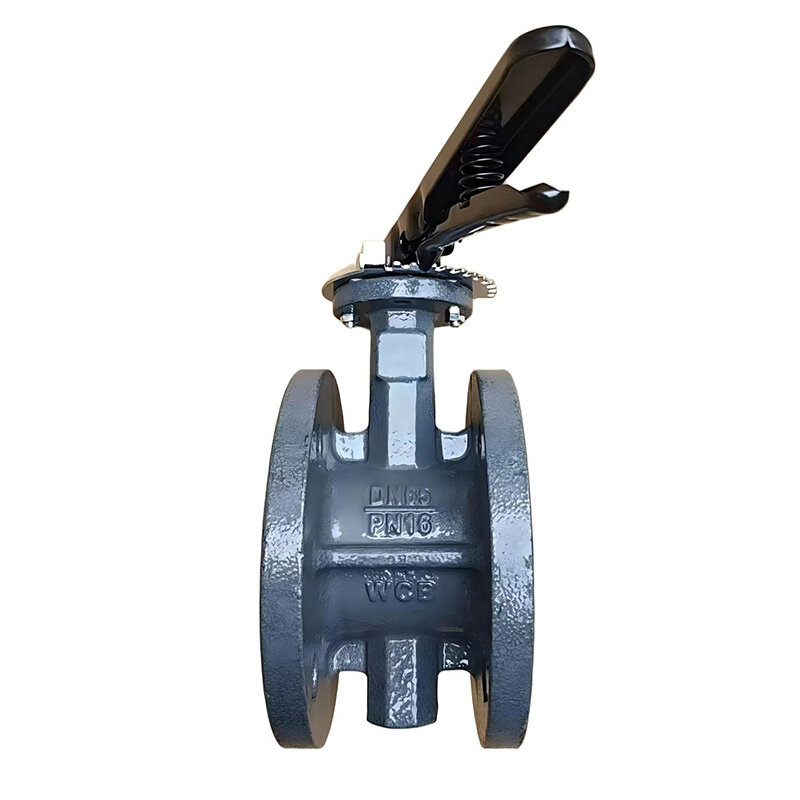
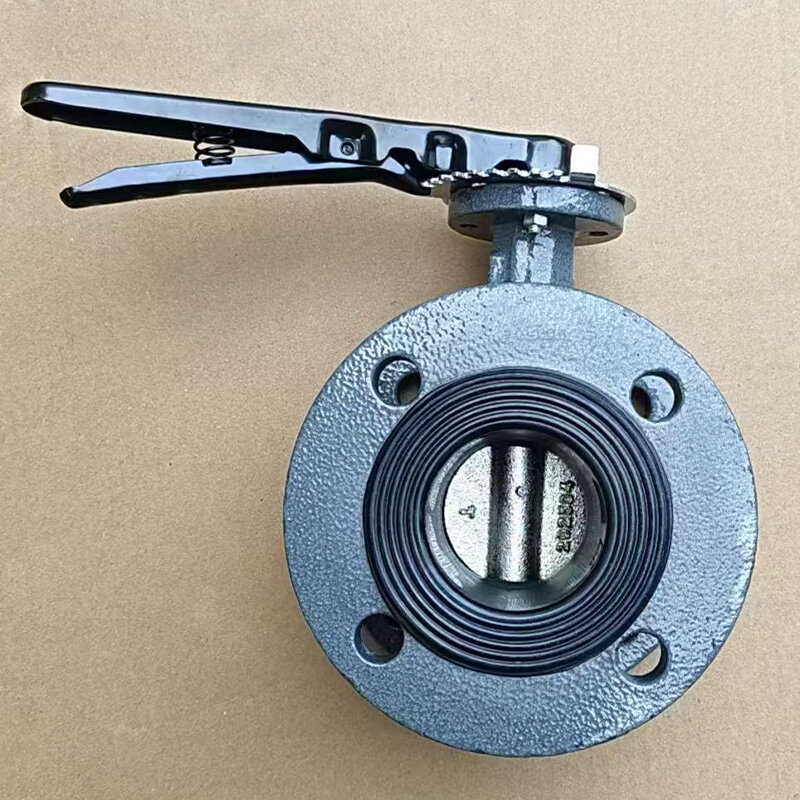
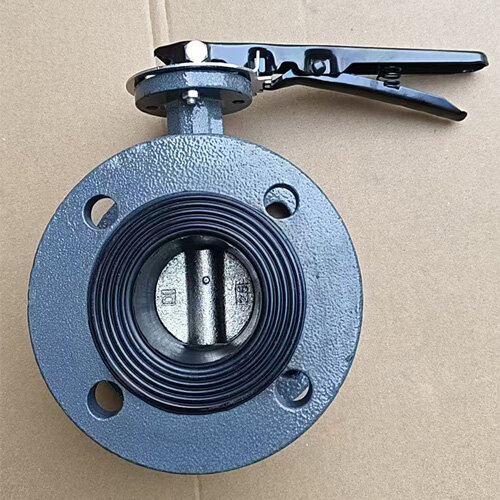
The API609 American Standard Manual Soft Seal Flanged Butterfly Valve is a high-performance concentric resilient seat butterfly valve manufactured in strict accordance with American API609 Category A industrial standards. Adopting classic flange connection and manual operation structure, this valve is equipped with integral soft rubber sealing liner to achieve ANSI Class VI bubble-tight zero leakage effect. All design dimensions, pressure grades and test standards fully comply with ASME B16.5, ASME B16.10 and API598 specifications, completely matching ANSI standard industrial pipeline installation requirements.
Different from traditional hard seal butterfly valves, this soft seal model features strong sealing compensation capacity, which can automatically offset minor abrasion and assembly gaps to maintain long-term stable tight shutoff. With compact overall structure, light weight and convenient manual operation, it effectively saves installation space and engineering cost. Optional diversified body and sealing materials adapt to multiple medium and temperature working conditions, serving as the preferred isolation and flow control valve for municipal water supply, HVAC systems, petrochemical and general industrial piping projects worldwide.
Core Product Features
1. Full API609 American Standard Compliance
This industrial butterfly valve strictly follows API609 concentric butterfly valve design standards, cooperating with ASME B16.5 flange dimension standard, ASME B16.10 face-to-face dimension standard and API598 hydrostatic inspection standard. All products pass strict factory pressure and sealing tests, fully meeting the acceptance standards of American standard engineering and international bidding projects.
2. Labor-Saving Manual Operation Structure
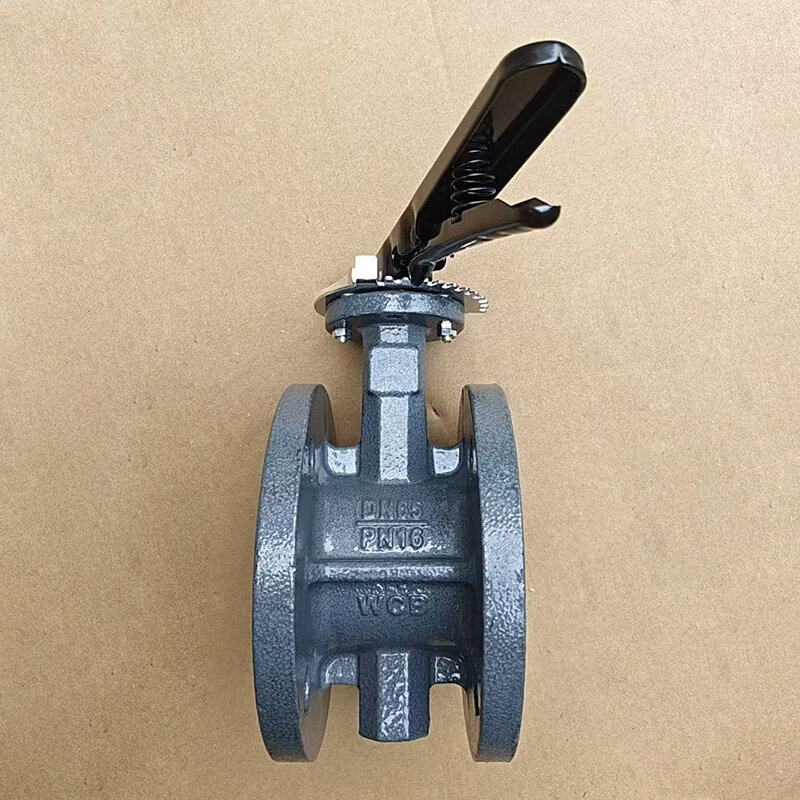
Equipped with optimized manual operating handle with locking positioning function, realizing fast 90° quarter-turn opening and closing. The valve opening can be fixed at any angle to meet pipeline cut-off and flow regulation demands. No need for electric or pneumatic actuators, greatly reducing equipment investment and later failure rate, suitable for frequent on-site manual operation scenarios.
3. Integral Resilient Soft Seat, Zero Leakage
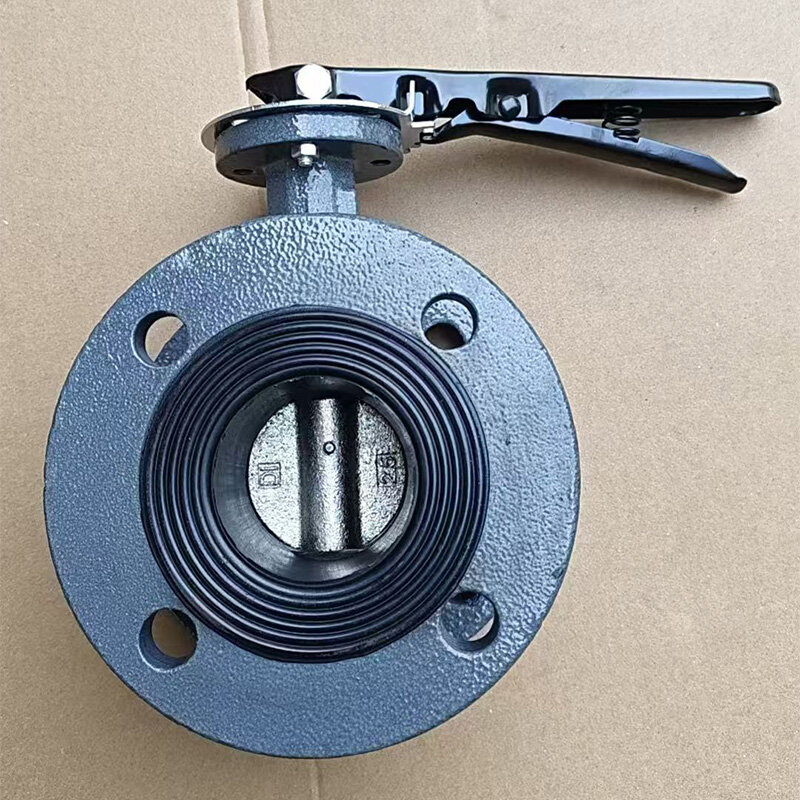
Adopts one-piece molded full-wrapped soft rubber seat structure. The elastic sealing material has excellent compression and reset performance, which can compensate tiny gaps caused by pipeline vibration and disc wear. It reaches ANSI Class VI ultra-high zero leakage standard, effectively preventing medium leakage and ensuring safe and stable operation of the pipeline system.
4. Rich Material Matching for Diversified Working Conditions
The valve body is optional with ductile iron, cast iron, WCB carbon steel, CF8 and CF8M stainless steel; the soft seat supports EPDM, NBR, Viton and PTFE multiple rubber materials. It can adapt to different media such as clean water, sewage, fuel oil, compressed air and weak corrosive liquid, covering low and medium temperature working environments.
5. Standard ANSI Flange Connection
Adopts ANSI B16.5 Class150 standard raised face flange end, with accurate hole position and uniform specification. It can be perfectly matched with American standard pipeline flanges, featuring convenient bolt assembly, firm connection and strong vibration resistance, avoiding pipeline loosening and leakage during long-term operation.
6. Anti-Corrosion & Durable Structure Design
The valve body is treated with high-grade epoxy anti-rust coating, which resists oxidation and environmental corrosion. The valve stem is made of high-strength stainless steel, with excellent anti-rust and anti-erosion performance, effectively preventing jamming. Equipped with high-quality flexible packing, it ensures reliable external sealing and no leakage under long-term continuous operation.
7. Wide Working Condition Adaptability
Applicable working temperature ranges from -40℃ to 230℃ (determined by seat material). It is widely applicable for low and medium pressure pipeline systems in municipal engineering, building HVAC, chemical industry and general manufacturing, with strong industrial versatility.
Technical Specifications
| Item | Specification |
| Full Product Name | API609 American Standard Manual Soft Seal Flanged Butterfly Valve |
| Executive Standards | API609 Cat.A, ASME B16.5, ASME B16.10, API598 |
| Pressure Class | ANSI Class150 |
| Body Material | Ductile Iron / Cast Iron / WCB / CF8 / CF8M |
| Seat Material | EPDM / NBR / Viton / PTFE Resilient Soft Seat |
| Connection Type | ANSI B16.5 RF Double Flanged |
| Sealing Grade | ANSI/FCI Class VI Zero Leakage |
| Structural Feature | Concentric Structure, Manual Operation, Full Soft Seal, Flanged End |
| Operation Mode | Manual Lockable Handle |
| Size Range | NPS2" – NPS24" (DN50 – DN600) |
| Working Temperature | -40℃ ~ 230℃ (Depends on seat material) |
| Test Standard | API598 Hydrostatic Test & Sealing Performance Test |
| Applicable Media | Clean water, sewage, compressed air, fuel oil, weak acid and alkaline liquid |
Installation, Operation & Maintenance Notes
1. Standard Operation Guidelines
This API609 manual soft seal butterfly valve is suitable for full-open and full-closed pipeline isolation and mild flow regulation. Long-term small-opening throttling operation is strictly prohibited to prevent high-speed medium scouring and irreversible abrasion of the soft seat. Operation beyond the rated Class150 pressure and temperature limit is forbidden to avoid seat aging deformation and sealing failure.
2. Standard Flange Installation Requirements
Install the valve on the straight pipe section of the pipeline, keep away from elbows, pumps and turbulent flow areas. Align the valve flange with the pipeline ANSI standard flange, place qualified sealing gaskets, and tighten flange bolts diagonally and evenly to prevent uneven stress causing interface leakage. Ensure clean pipeline interior before installation to avoid hard impurities scratching the soft sealing surface.
3. Soft Seat Daily Maintenance
Regularly check the aging degree and surface abrasion of the soft rubber seat. Once sealing failure occurs, completely depressurize the pipeline and drain the medium before disassembling and replacing the seat accessories. Avoid hard particulate medium impacting the sealing surface for a long time to extend the service life of the valve.
4. Routine Inspection & Lubrication
Regularly lubricate the valve stem and rotating connection parts to ensure flexible manual switching. Check the packing sealing state regularly, and replace aging packing in time if slight external leakage occurs. Conduct regular pressure holding and sealing inspection for long-term operating valves to ensure pipeline safety.
Wide Application Scenarios
•Municipal Water Supply & Drainage Projects: Tap water pipe network, sewage treatment system, municipal drainage and water delivery pipeline isolation valves
•HVAC Building Central Air Conditioning System: Cold and hot water circulation pipelines, building heating and ventilation supporting control valves
•Petrochemical & Fine Chemical Industry: Low-pressure process fluid, light fuel oil and mild corrosive medium delivery pipelines
•Food & Pharmaceutical Processing Industry: Purified water, raw material liquid and sanitary-grade pipeline cut-off equipment
•General Industrial Supporting Systems: Factory compressed air, industrial circulating water and public engineering pipeline control valves
Product Competitive Advantages
✅ Full API609 American Standard Compliance — Strictly manufactured and tested per US industrial standards, compatible with global ANSI standard pipeline projects.
✅ High-Efficiency Manual Lock Operation — Simple and labor-saving operation, no auxiliary actuator required, low failure rate and low maintenance cost.
✅ Class VI Zero Leakage Soft Seal Design — Elastic compensation sealing structure, stable tight shutoff performance, no medium leakage.
✅ Multi-Material Customization Support — Diversified body and seat materials to adapt to different media and temperature working conditions.
✅ Standard ANSI Flange Matching — Perfect fit for American standard pipe fittings, convenient installation and strong connection stability.
✅ Compact & Anti-Corrosion Structure — Space-saving design, epoxy anti-rust coating, suitable for various indoor and outdoor installation environments.
Order & Certification Information
MOQ: 1 Unit
Production Lead Time: 10–20 working days for standard specifications, customized sizes negotiable
Supporting Documents: EN10204 3.1 Material Certificate, API598 Test Report, ISO9001 Quality Certificate, Factory Inspection Report
Export Packaging: Anti-rust protection treatment + Reinforced fumigation-free wooden export case
Warranty Service: 12-month quality warranty + lifelong professional after-sales technical support
Contact Us for customized special specifications, special working condition materials and bulk preferential prices of API609 American Standard Manual Soft Seal Flanged Butterfly Valves.
What Is a Manual Flanged Butterfly Valve
A Manual Flanged Butterfly Valve is a quarter turn valve used to start, stop, or regulate the flow of liquids, gases, and other media in pipeline systems. The valve operates through a hand lever or gear mechanism that rotates a disc inside the body. Flanged ends provide secure and stable connections to piping systems. Its compact structure and simple operating principle make it widely used in water treatment, chemical processing, oil and gas, and general industrial applications.
Why the Manual Flanged Butterfly Valve Matters
This valve is important because it provides reliable flow control without requiring electrical power or pneumatic systems. Manual operation offers simplicity and dependable performance in locations where automated control is unnecessary. Flanged connections enhance sealing and installation stability. The lightweight design and low operating torque make the valve suitable for a wide variety of industrial services, helping maintain safe and efficient process operation.
Common Product Types by Manual Flanged Butterfly Valve
Common product types include concentric butterfly valves, double offset butterfly valves, and triple offset butterfly valves. Soft seated designs are widely used for water and general industrial media, while metal seated versions are suitable for high temperature and abrasive conditions. Manual operation can be achieved through lever handles or worm gear mechanisms. Different body materials and sealing options are available to meet various process requirements.
Key Advantages of Manual Flanged Butterfly Valve
The valve offers compact dimensions, simple operation, and reliable sealing performance. Manual control eliminates the need for external power sources and reduces maintenance requirements. The quarter turn operation allows fast opening and closing, while the lightweight structure simplifies installation. Flanged ends provide secure connections and easy replacement. With suitable materials, the valve performs effectively in corrosive, high temperature, and demanding industrial environments.
Manual Flanged Butterfly Valve Machine Structure and Core Stations
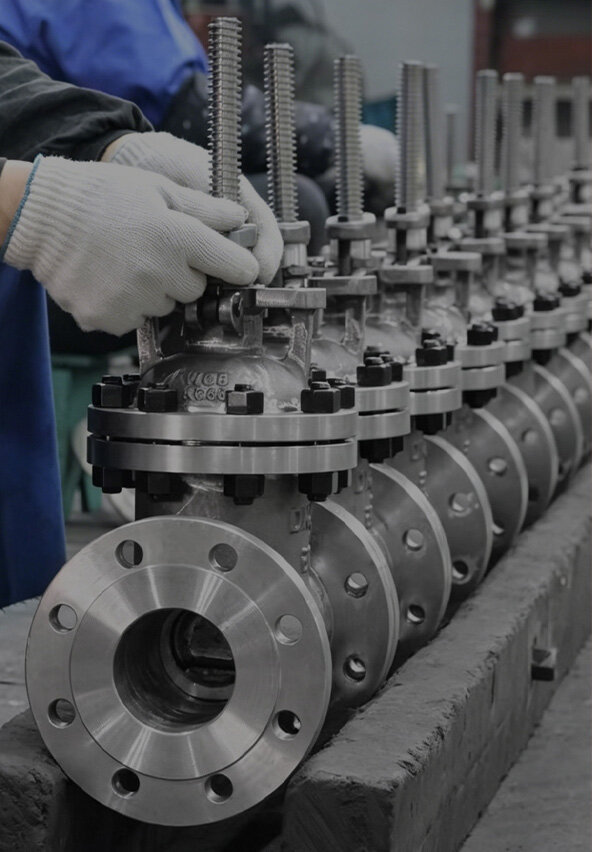
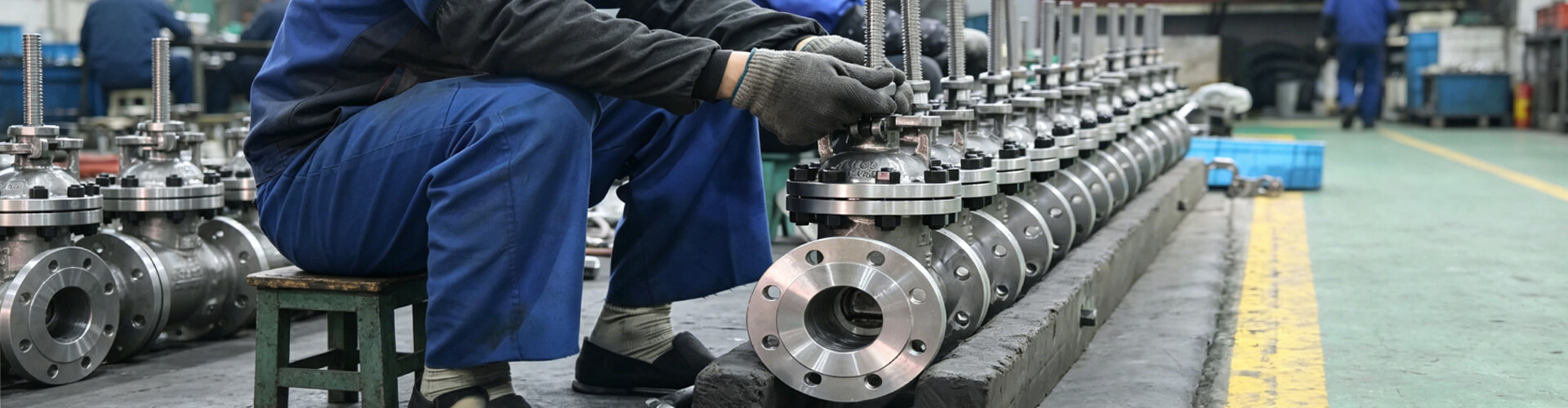
Manufacturing begins with casting or forging the valve body, disc, and shaft components from selected materials. Core stations include CNC machining of flange faces, shaft holes, disc profiles, and sealing areas. Assembly stations install the shaft, seat, bearings, seals, and manual operating mechanism. Final operations include pressure testing, coating, marking, cleaning, and packaging to ensure dimensional accuracy, smooth operation, and reliable sealing performance.
Previous:API 609 C95800 Aluminum Bronze Pneumatic Flanged Butterfly Valve for Seawater
Next:API609 ASME Large Bore Flanged PTFE Lined Butterfly Valve