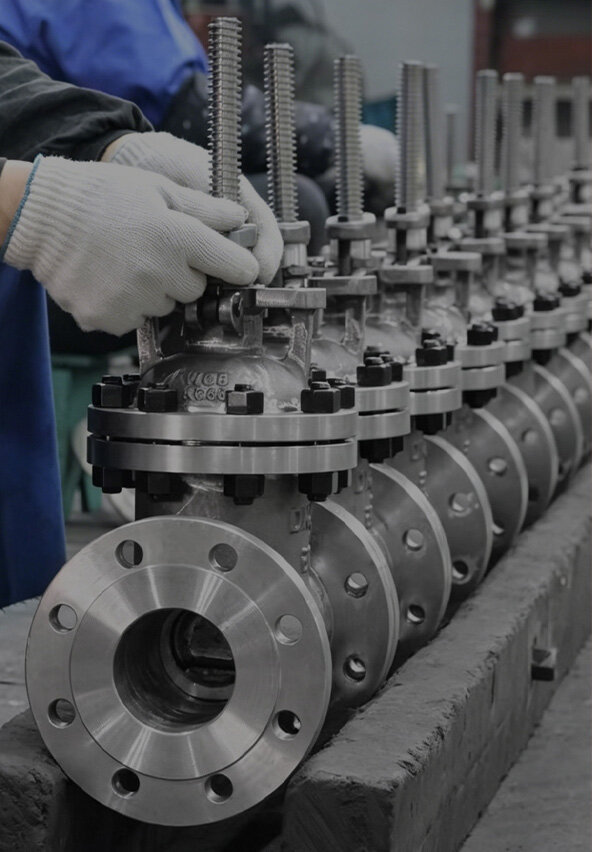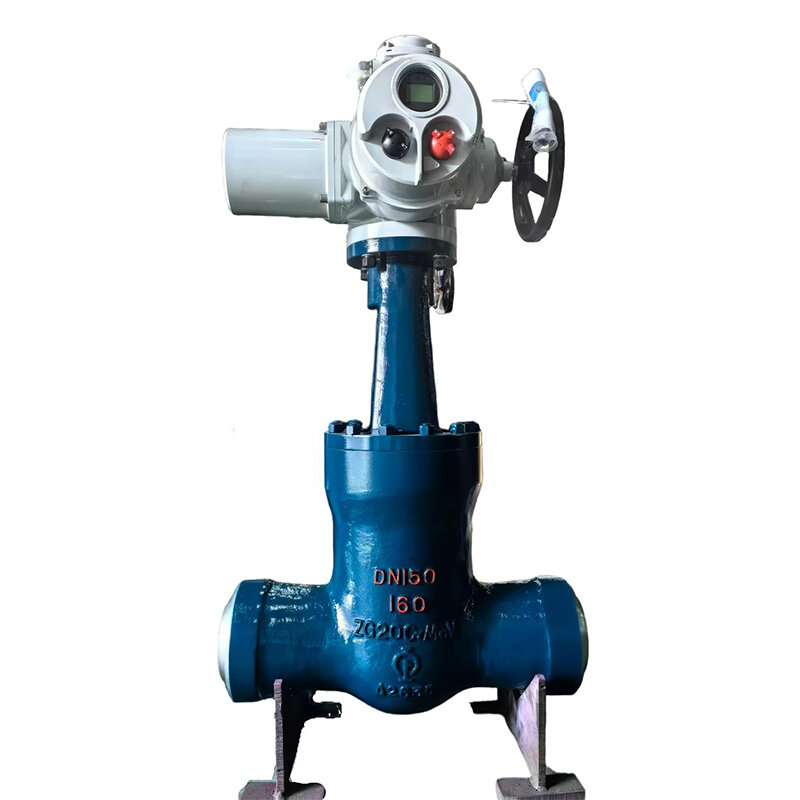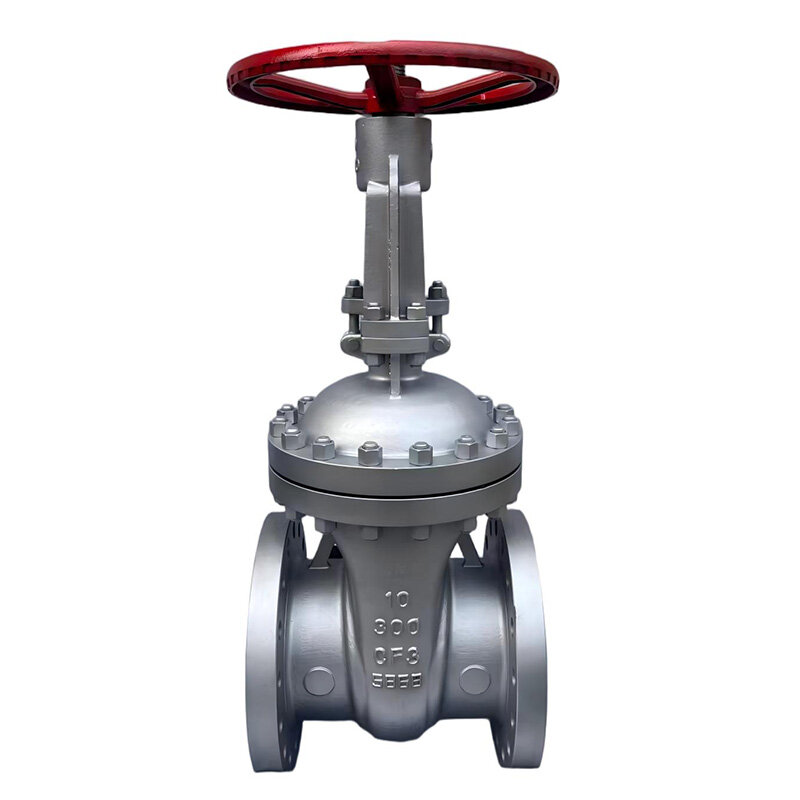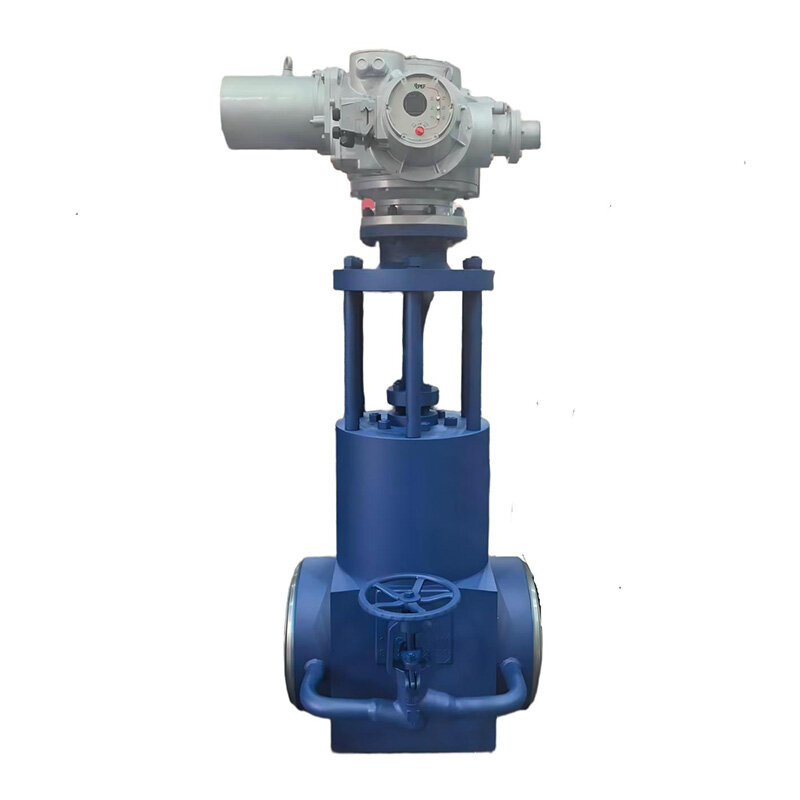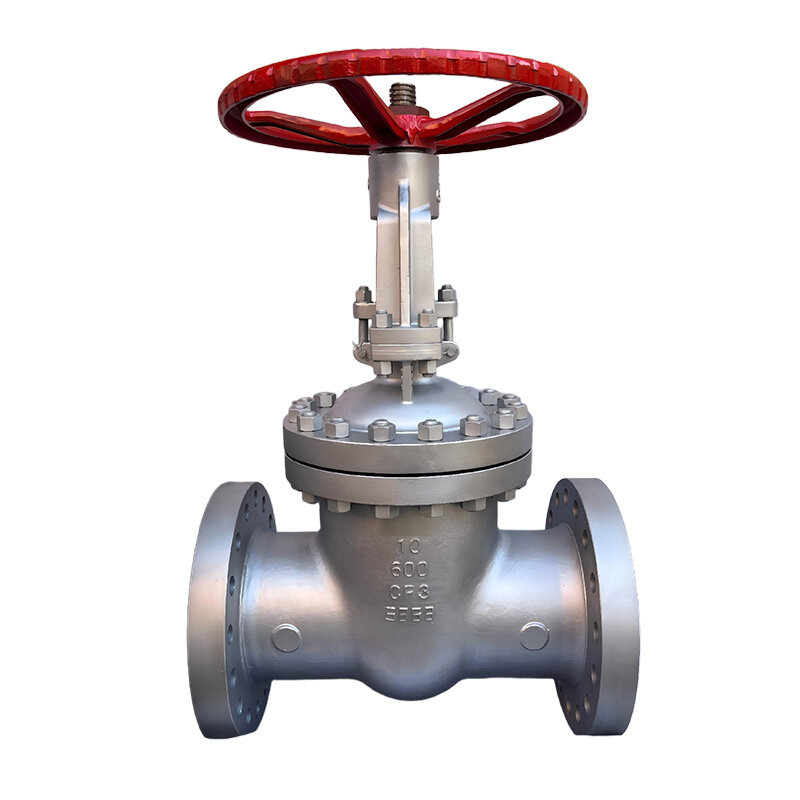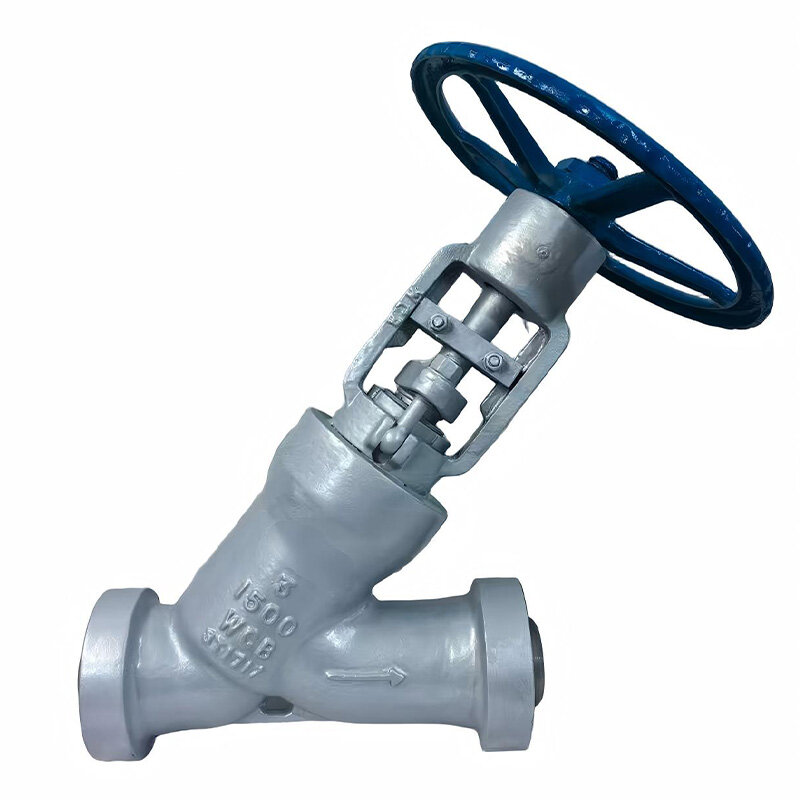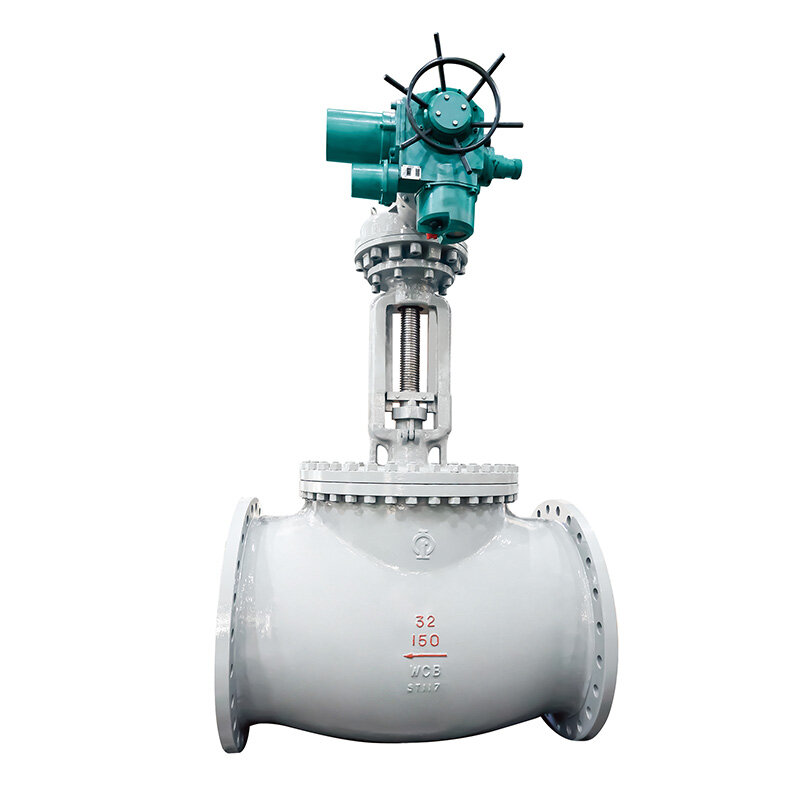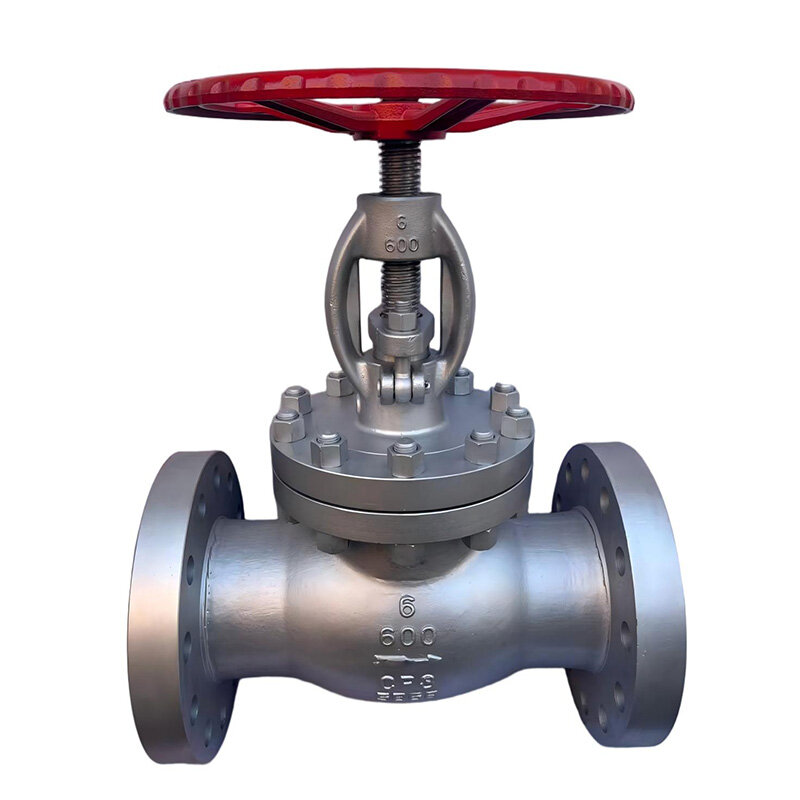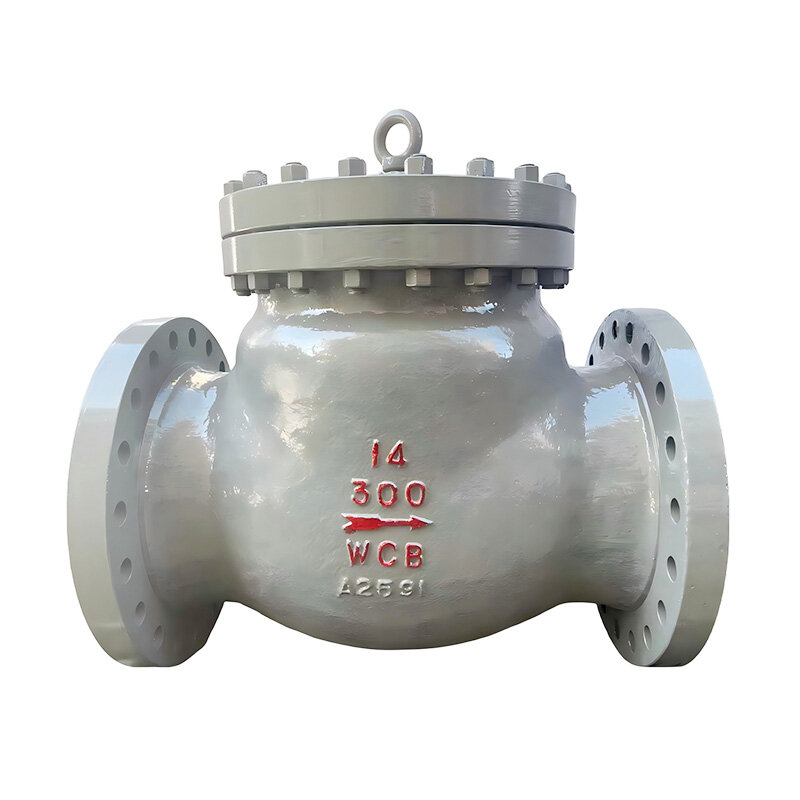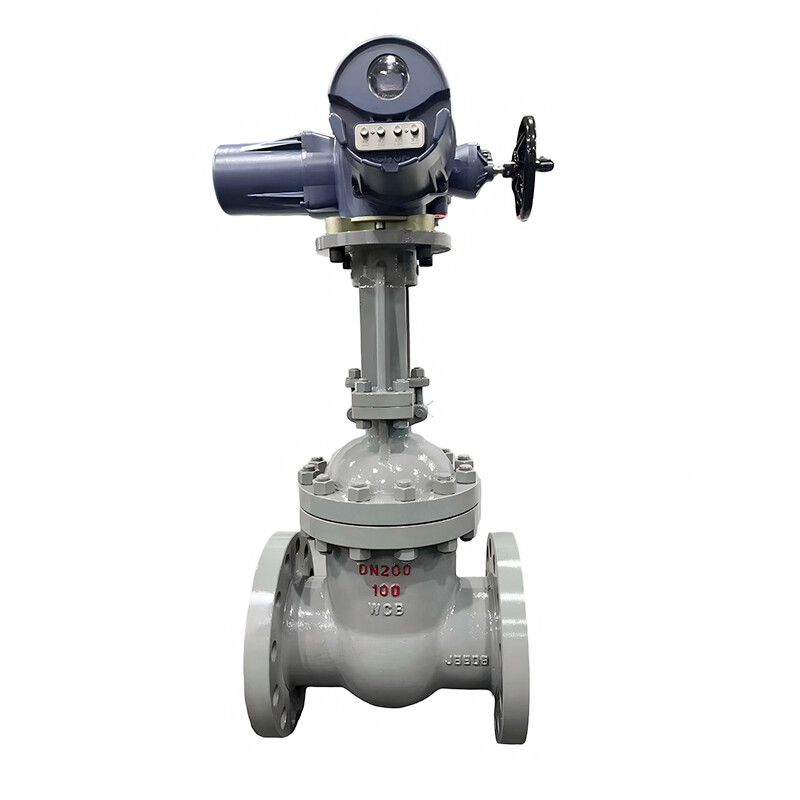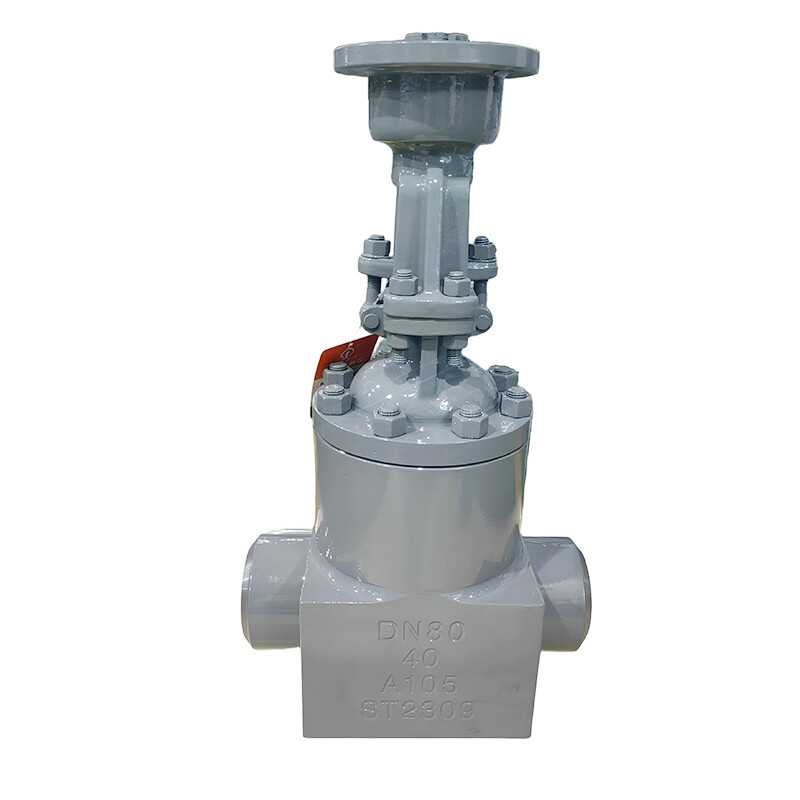
In high-end industrial sectors such as petroleum refining, thermal power generation, and oil and gas transmission, the demanding operating conditions—characterized by high temperatures, high pressures, and strong corrosiveness—impose rigorous requirements on the sealing integrity, stability, and durability of valve equipment. As a standard gate valve specifically designed for the petroleum industry, the API 600 gate valve—leveraging strict design specifications and exceptional adaptability to operating conditions—serves as a core component for isolation and shut-off in industrial piping, finding widespread application in various harsh industrial pipeline networks.
API 600 is a dedicated industry standard established by the American Petroleum Institute (API) for steel gate valves; it explicitly defines design structures, material selection, dimensional parameters, pressure ratings, and testing standards. Unlike standard gate valves intended for general or civil use, API 600 gate valves are engineered specifically for heavy-duty industrial applications. These valves feature a bolted bonnet design and are available with flanged or butt-weld end connections. Constructed from high-strength materials such as carbon steel, chrome-molybdenum steel, and stainless steel, they accommodate pressure ratings ranging from Class 150 to Class 1500 and withstand media temperatures exceeding 350°C. They are ideally suited for specialized applications, including high-temperature heavy oil pipelines in refining units and main steam pipelines in power plants.
In terms of core performance, the API 600 gate valve features a full-bore design that ensures unobstructed flow with no pressure drop, thereby maintaining pipeline transmission efficiency. Additionally, the sealing surfaces are hard-faced with cemented carbide, offering excellent wear resistance, galling resistance, and zero-leakage performance. In critical refining processes—such as crude oil distillation, catalytic cracking, and hydrotreating—these valves provide precise shut-off and isolation capabilities, effectively mitigating safety risks like media leakage and cross-pressure issues within the pipeline network. Compared to standard gate valves, their fire-safe construction and low-emission packing designs meet the stringent safety standards required for offshore platforms and environments involving flammable or explosive materials, making them suitable for transporting sour oil and gas as well as corrosive chemical media.
As global petrochemical and energy infrastructure undergoes upgrades and modernization, and safety management standards for industrial pipeline networks continue to rise, the market demand for standardized, highly reliable industrial valves continues to grow. With three core advantages—standardized design, suitability for demanding operating conditions, and a long service life—API 600 gate valves have become standard equipment in sectors such as oil and gas production, thermal power generation, and fine chemicals. Industry data indicates that API 600 gate valves consistently account for a significant share of applications in newly constructed integrated refining and chemical projects as well as long-distance oil and gas pipeline undertakings, serving as critical components that ensure the safe, stable, and efficient operation of industrial piping networks. Looking ahead, as high-end industrial manufacturing technology advances, these valves will evolve toward lightweight designs, lower energy consumption, and intelligent functionality to better meet the demands of complex, high-end industrial operating environments.
Previous:Double plate API 6D check valve for offshore platforms to cope with tilting and swinging conditions