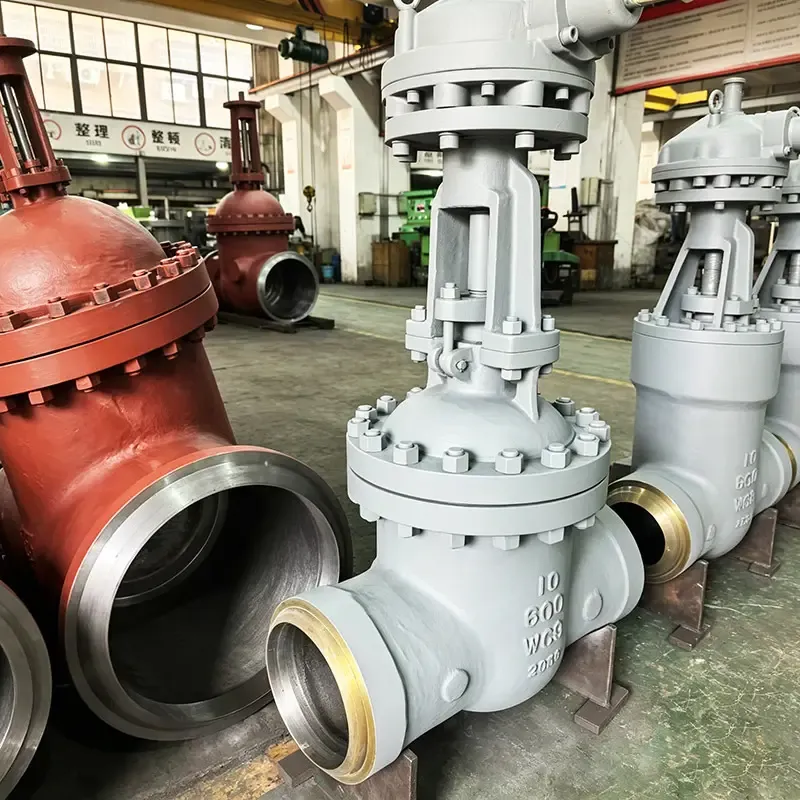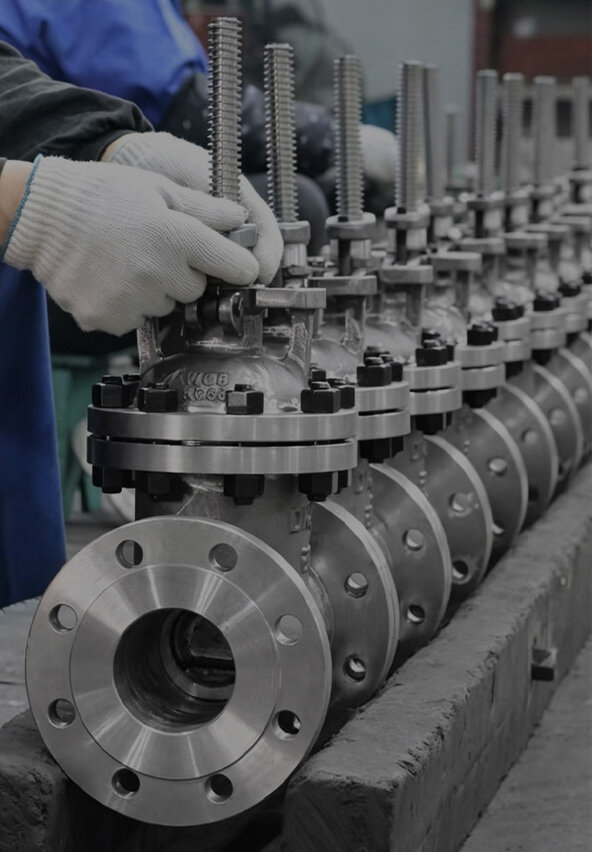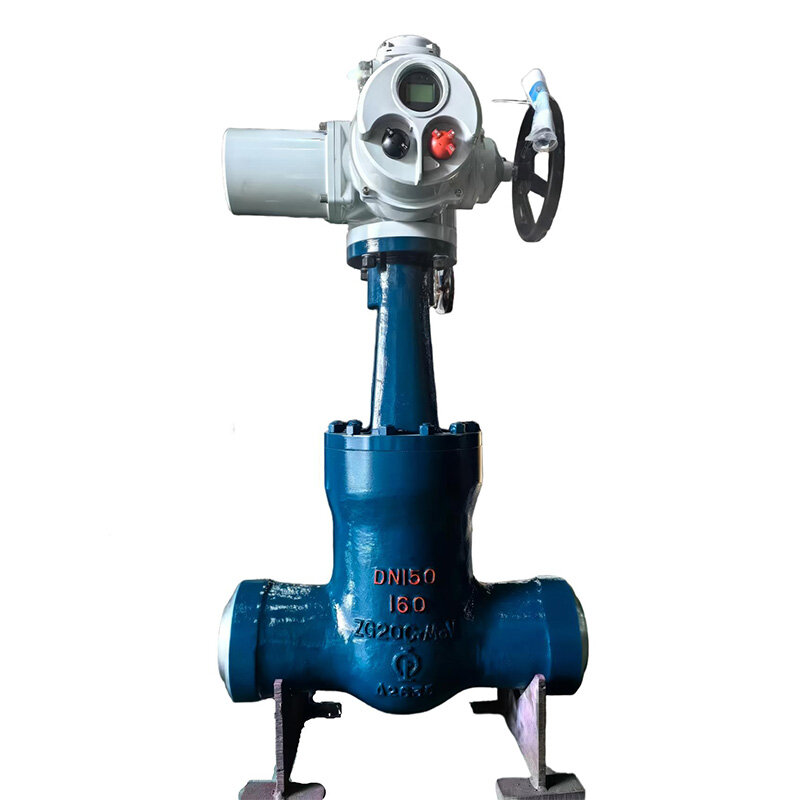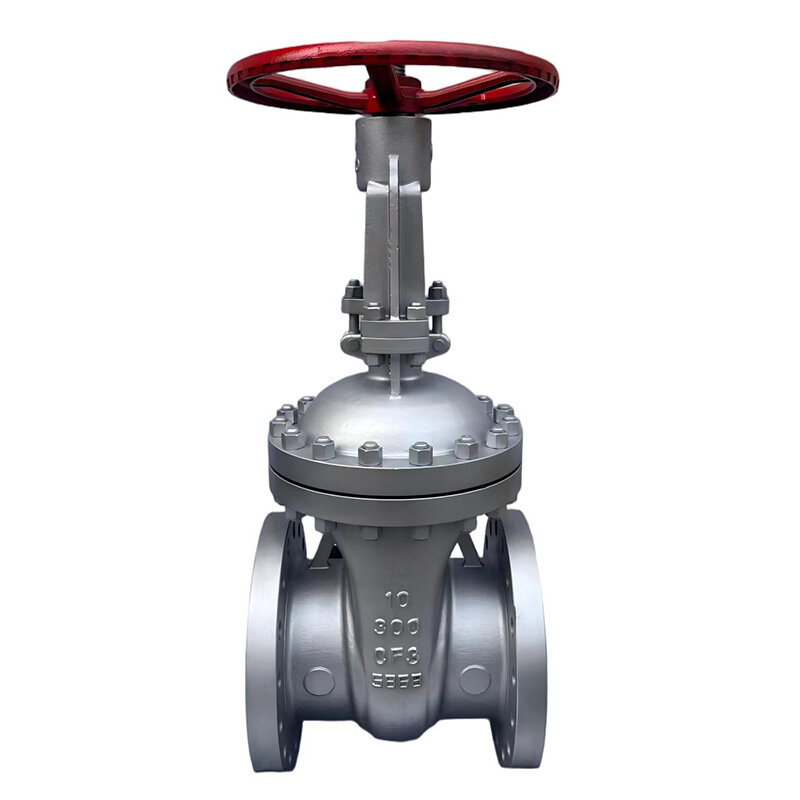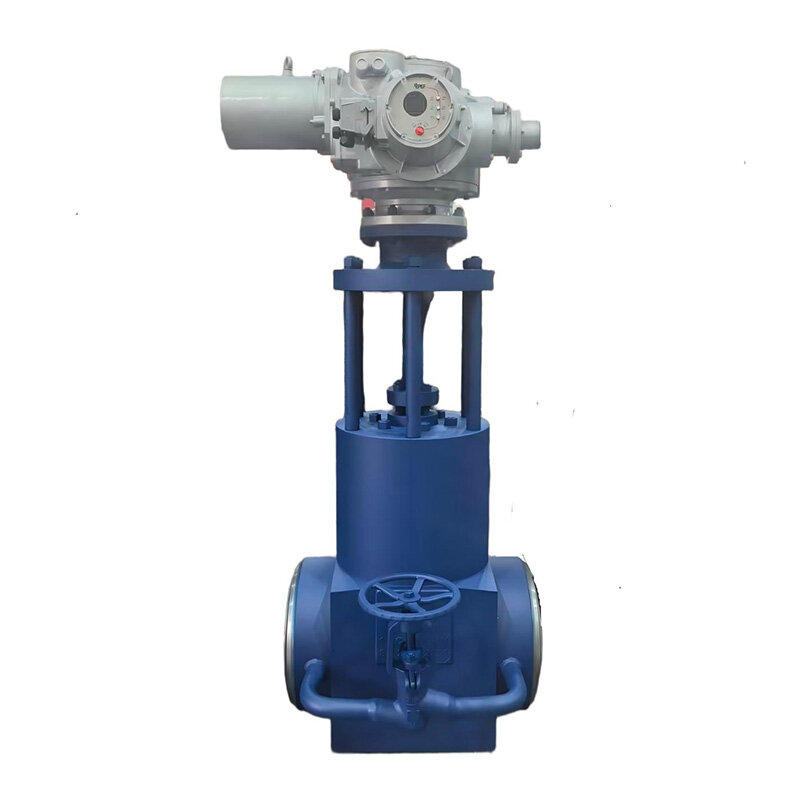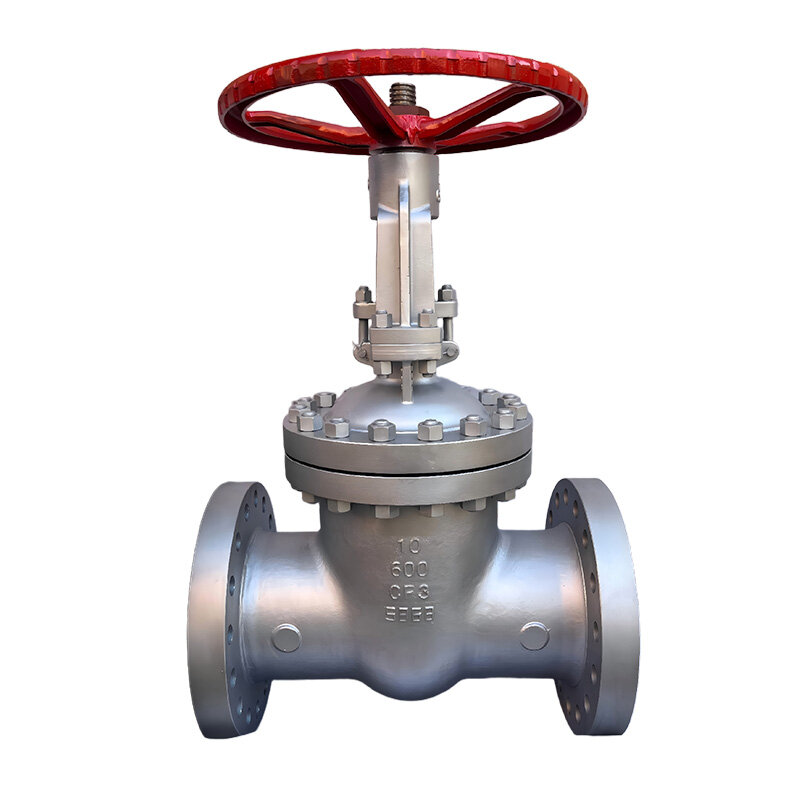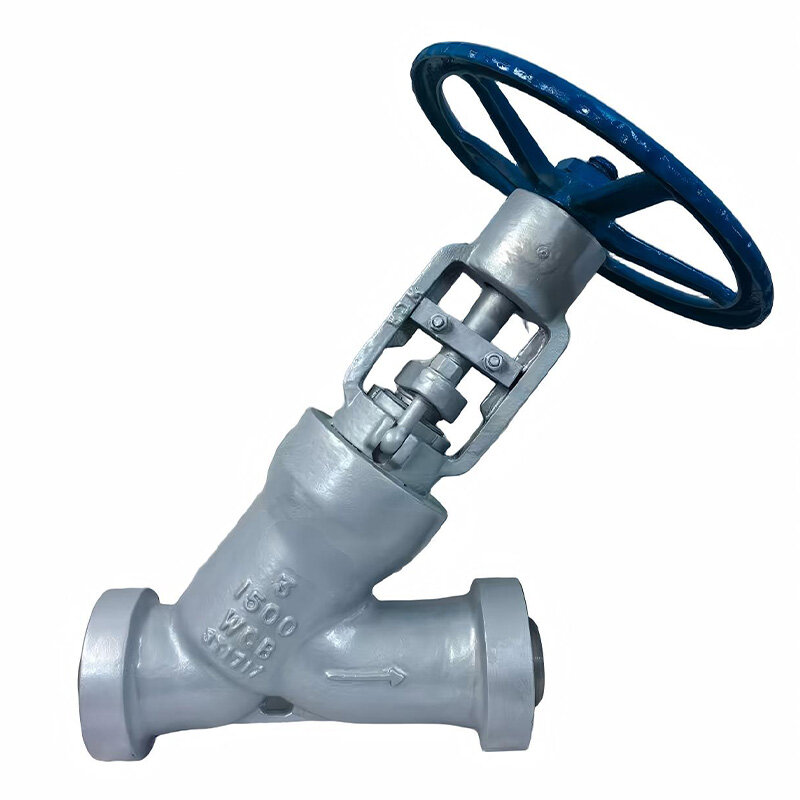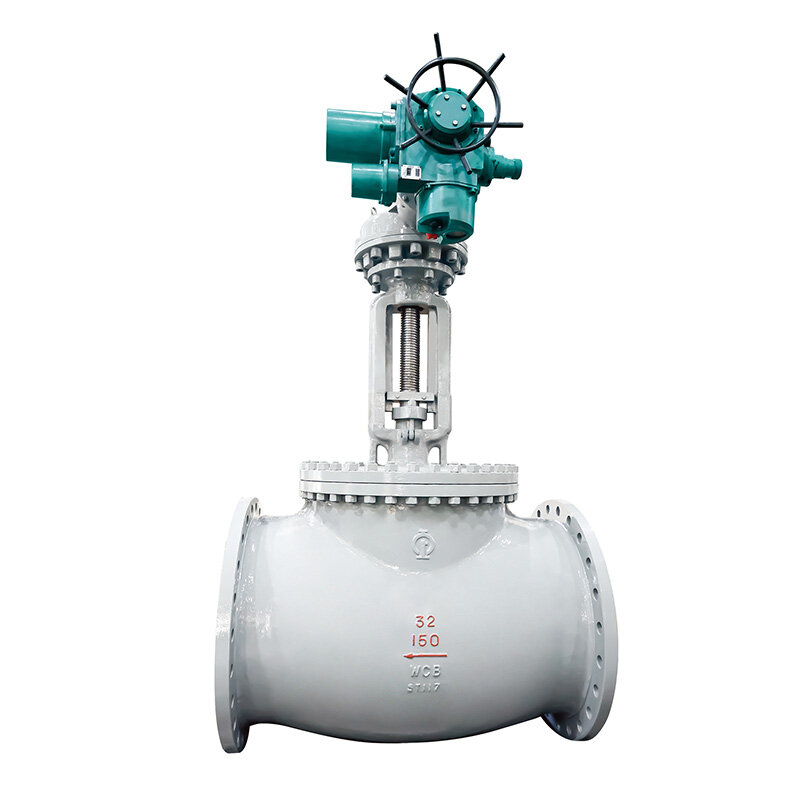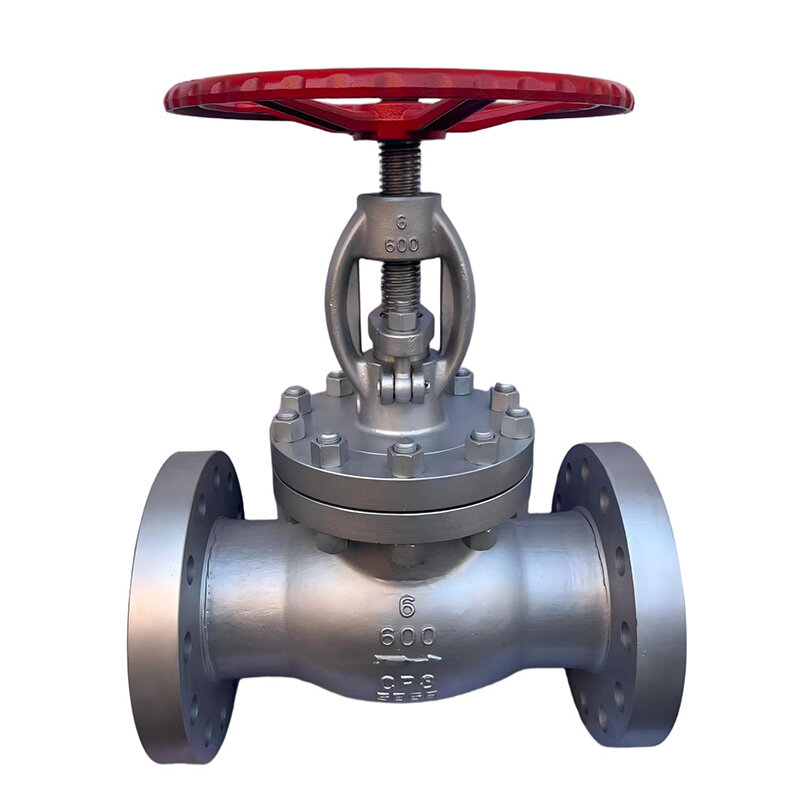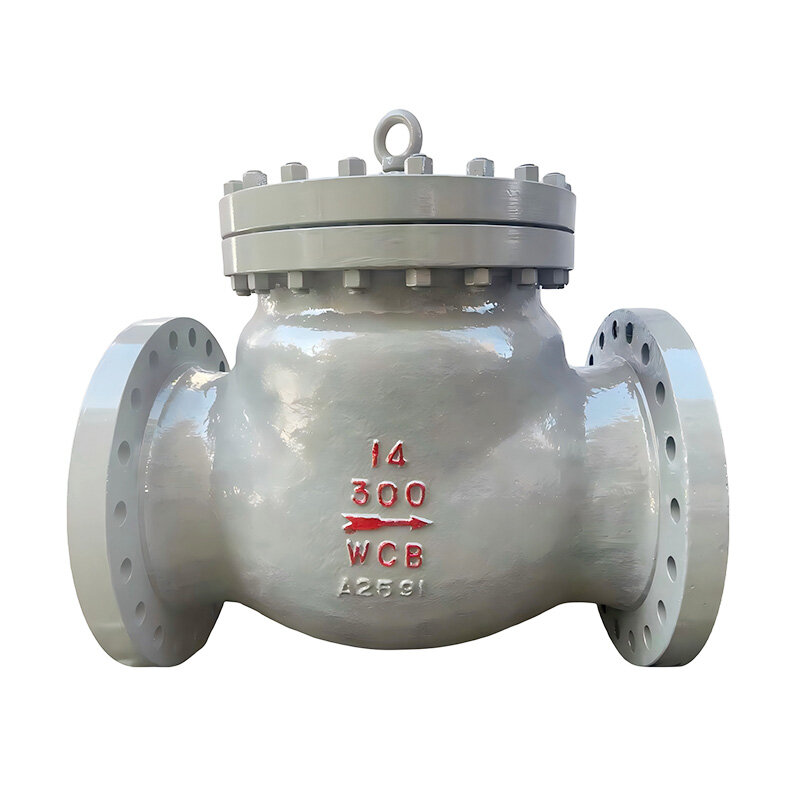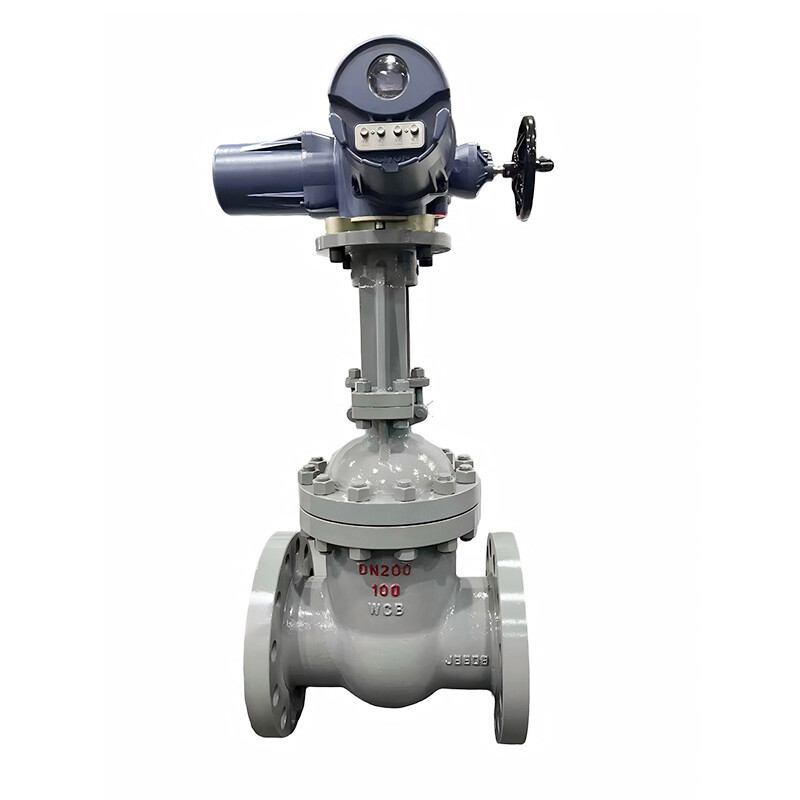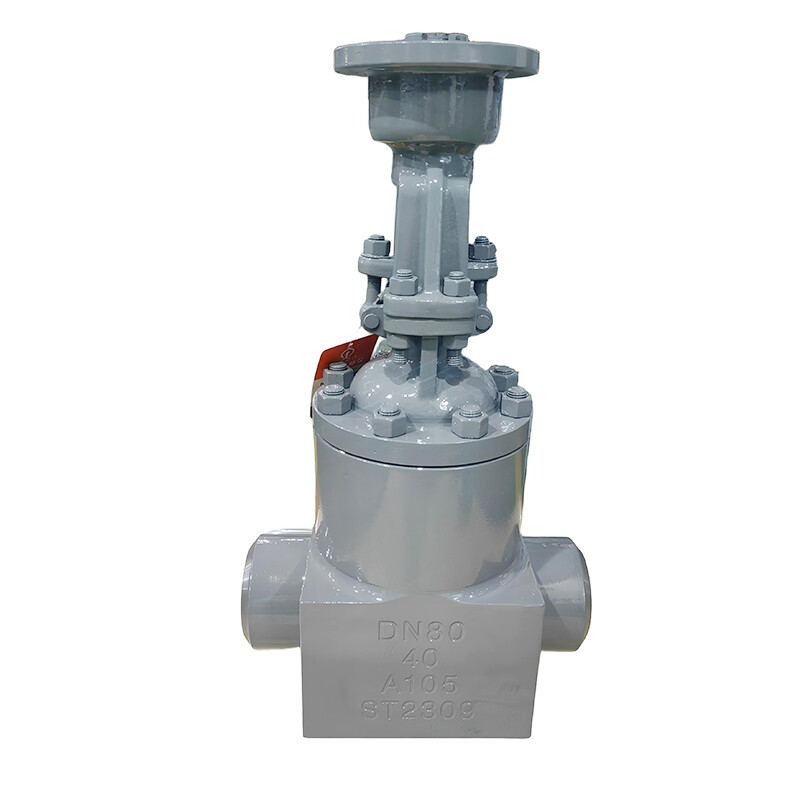
API 600 gate valves—a category of steel, bolted-bonnet gate valves—are widely used for isolation in process pipelines. Given the diverse range of media found within oil and gas processing units, as well as the significant variations in temperature and fluid characteristics across different process sections, the selection of isolation valves is critical to the stable operation of the facility.
In sections such as reaction, fractionation, and heat exchange, media are frequently subjected to high temperatures. Furthermore, the startup and shutdown of pipelines often involve significant temperature fluctuations, requiring valves to withstand the stresses caused by repeated thermal expansion and contraction. The wall thickness and bolted-bonnet design of API 600 gate valves adhere to standardized specifications, enabling them to accommodate the combined pressure and temperature variations typical of these operating conditions. The bolted-bonnet configuration also allows for the inspection or replacement of internal components without removing the valve from the pipeline, thereby reducing maintenance requirements.
In environments containing hydrogen sulfide (H₂S), materials must comply with standards for resistance to stress corrosion. When selecting API 600 gate valves for such applications, engineers verify material hardness requirements to mitigate the risk of sulfide stress cracking. Sealing surfaces are typically hard-faced with alloys to enhance resistance against erosion and wear, minimizing the risk of scratching—even when trace solid particles are present in the process medium—and ensuring reliable sealing performance.
Within the operational framework of a processing unit, API 600 gate valves primarily serve an isolation function: they remain fully open during normal operation and are closed to isolate the process medium during maintenance. They are not intended for flow regulation, as continuous exposure to flowing media could damage the sealing surfaces. In certain steam pipeline applications, valves may feature a fire-safe design, which maintains basic sealing integrity in the event of an external fire, thereby reducing the risk of secondary incidents.
On-site operations and maintenance teams maintain inspection logs for these valves, focusing on potential leaks at the valve stem packing or body flanges. During operation, they monitor the movement of the valve stem to confirm that the gate has reached its intended position. Pressure and leak testing prior to pipeline commissioning is a critical step in verifying the sealing performance of API 600 gate valves. These tests are conducted in accordance with established inspection standards to confirm the integrity of the valve body, sealing interfaces, and the bonnet-to-body joint.
Increasing emphasis is being placed on the durability of isolation valves. The standardization system for API 600 gate valves facilitates the alignment of technical specifications across different projects, reduces the communication overhead associated with valve selection, and streamlines the management of spare parts. Consequently, a robust body of practical application experience has emerged, particularly within large-scale integrated refining and petrochemical projects.