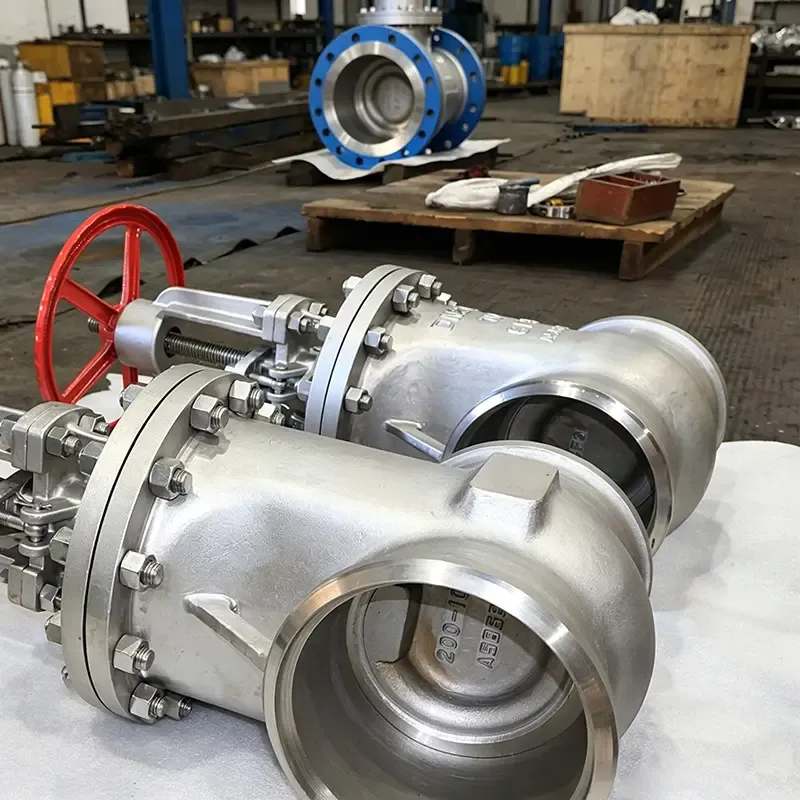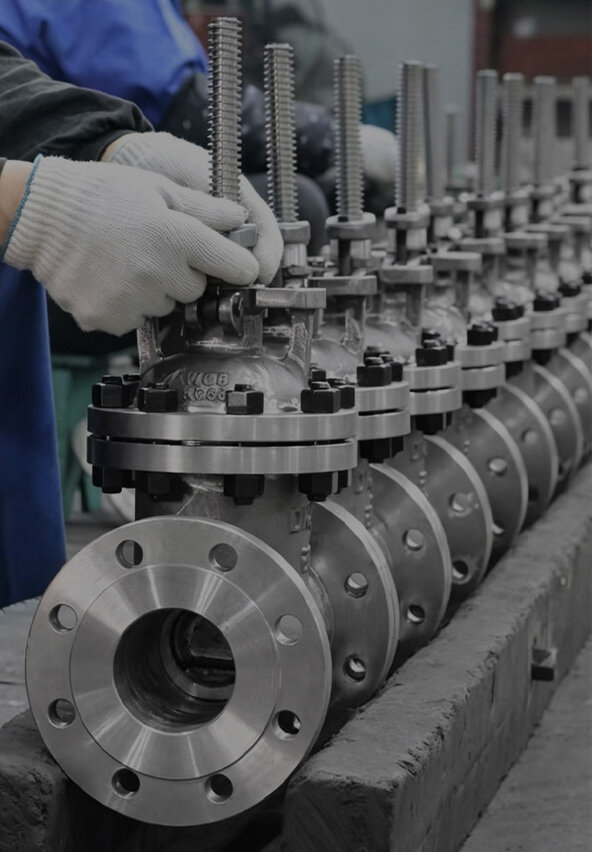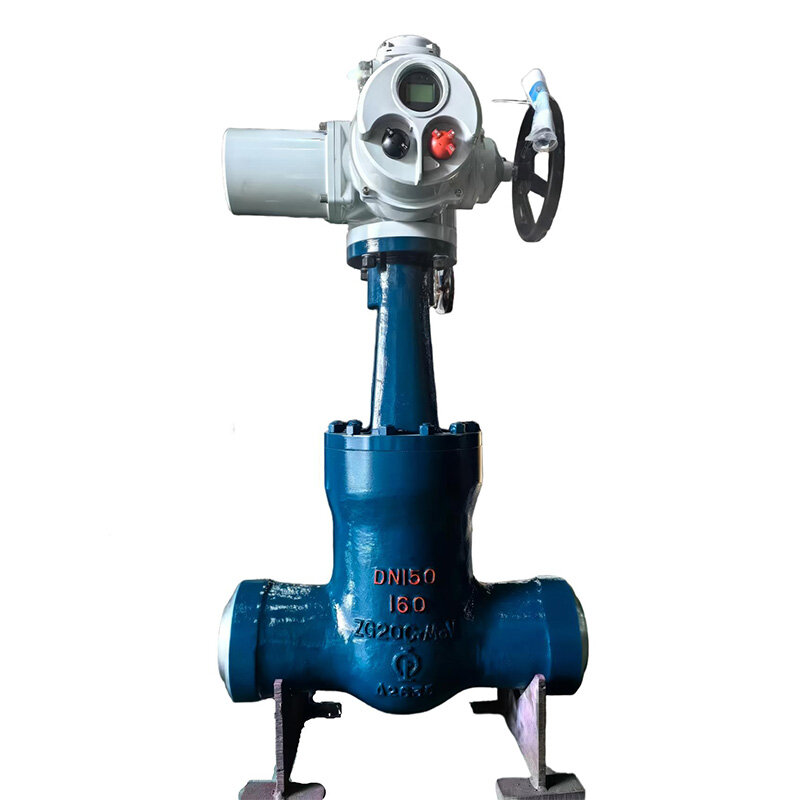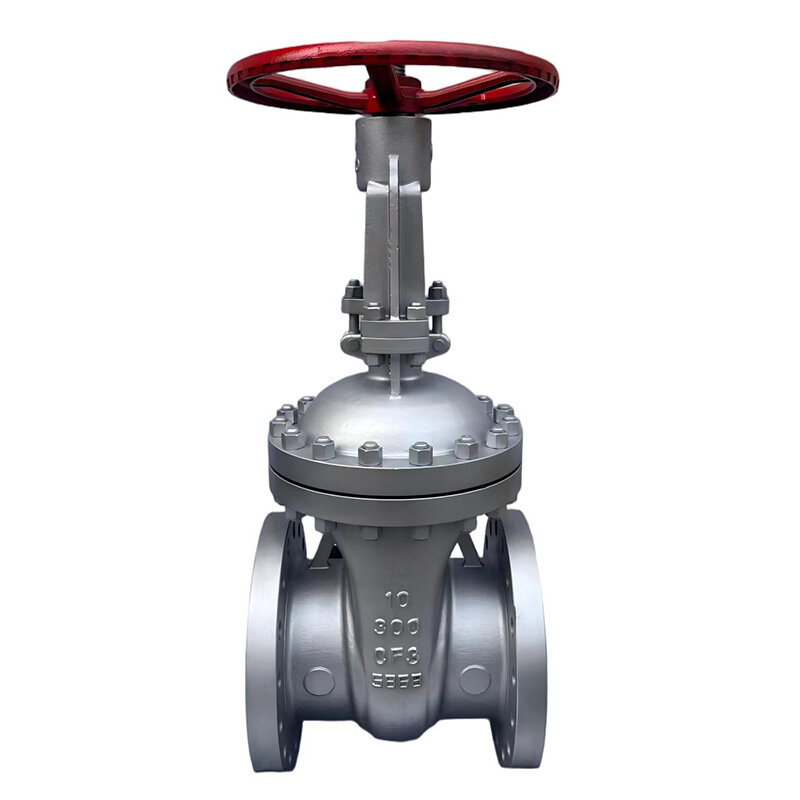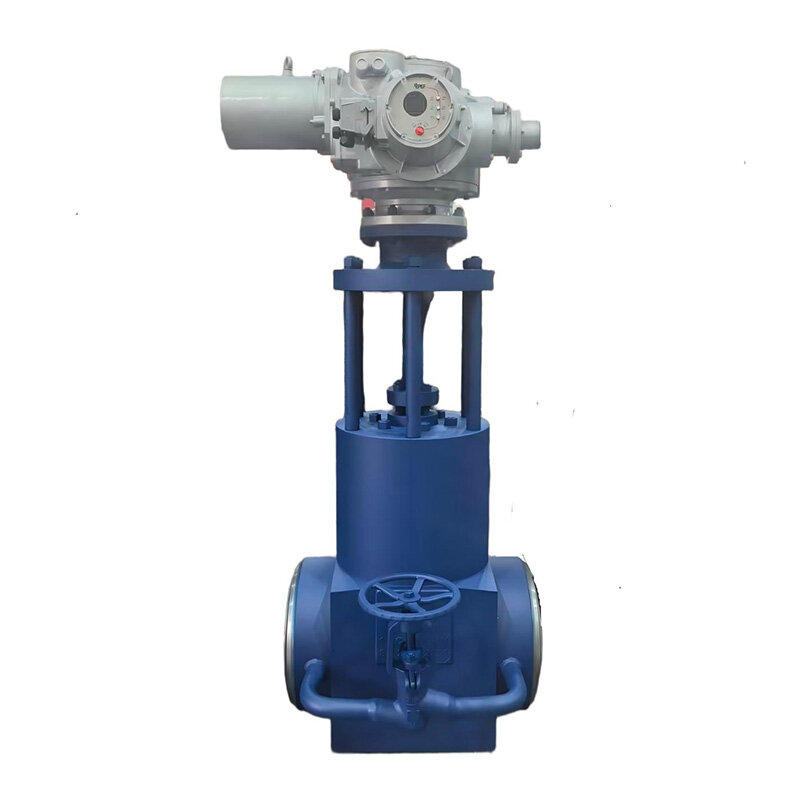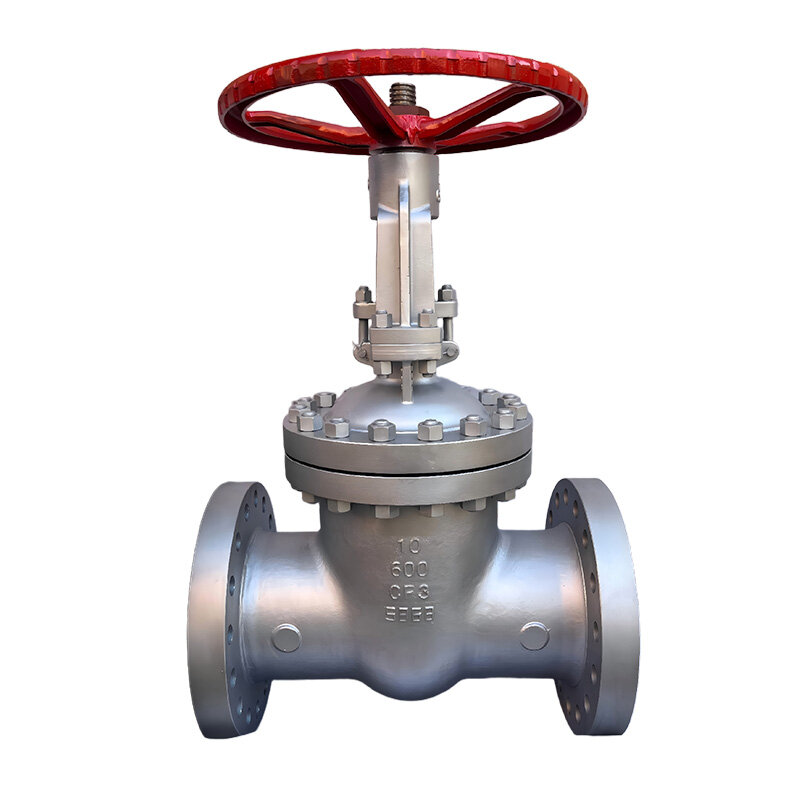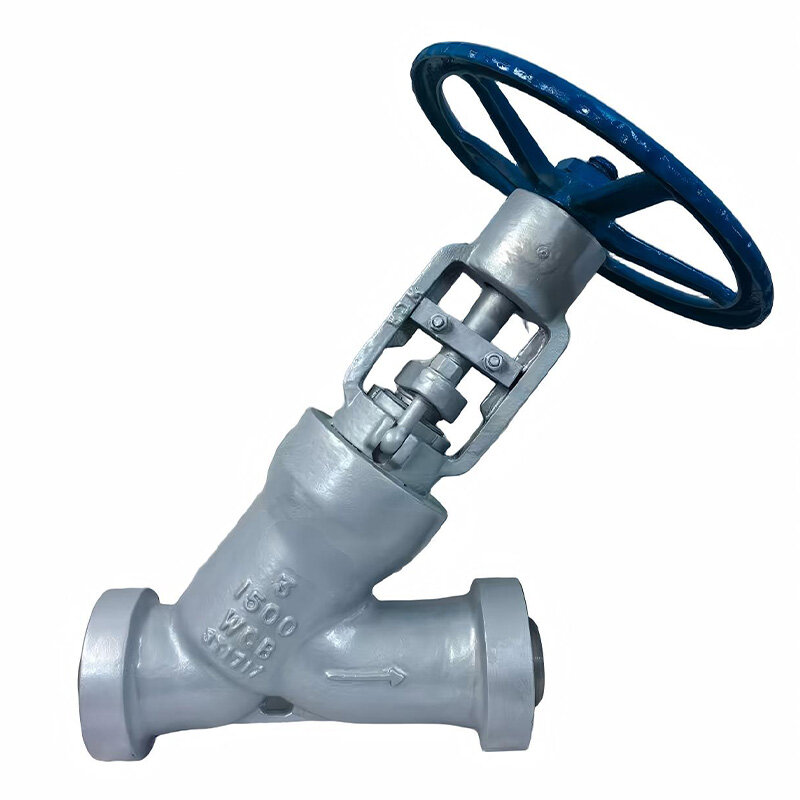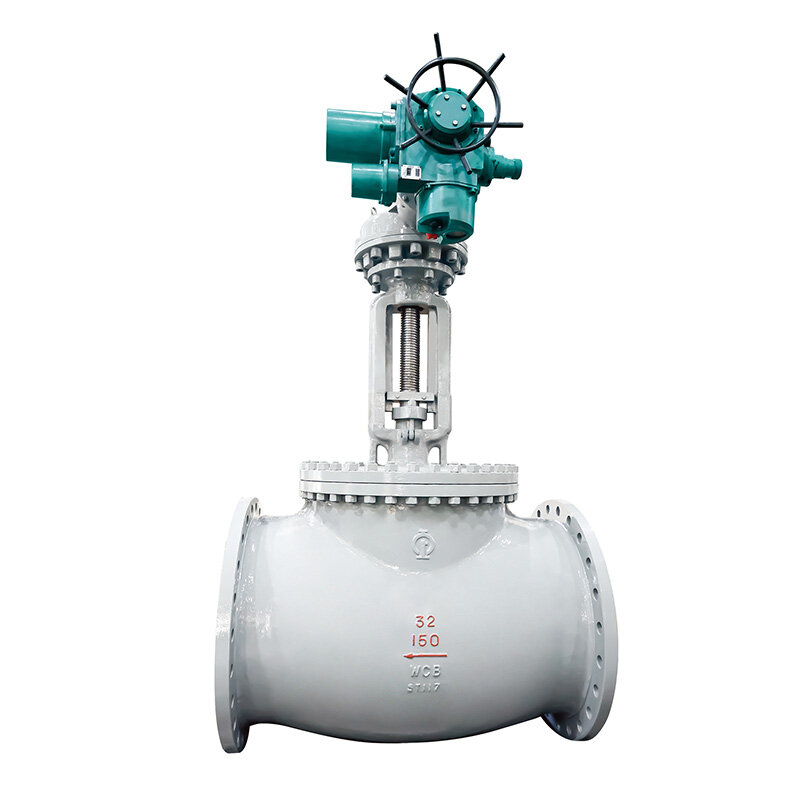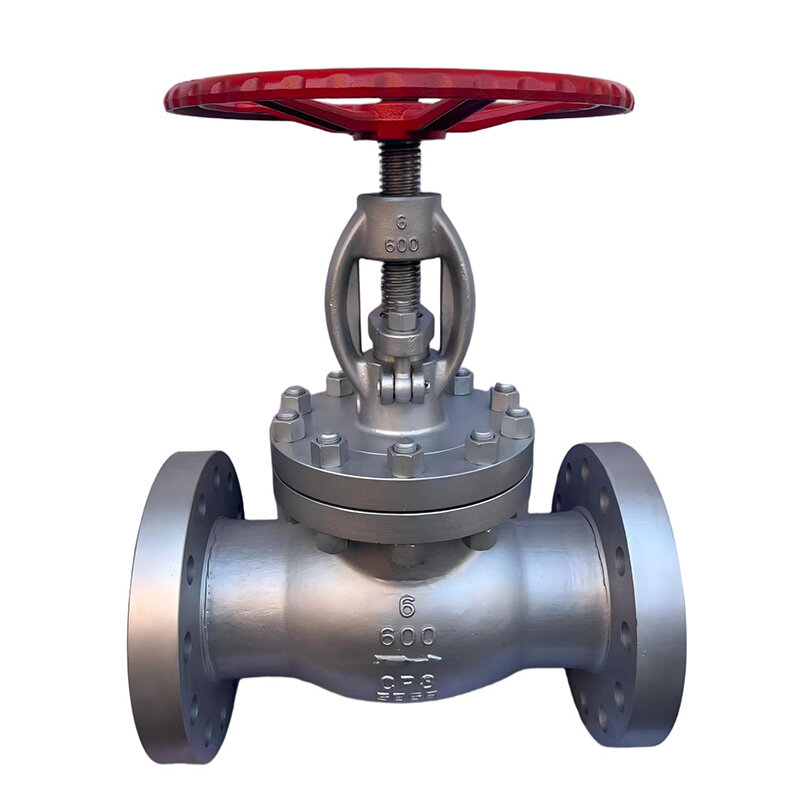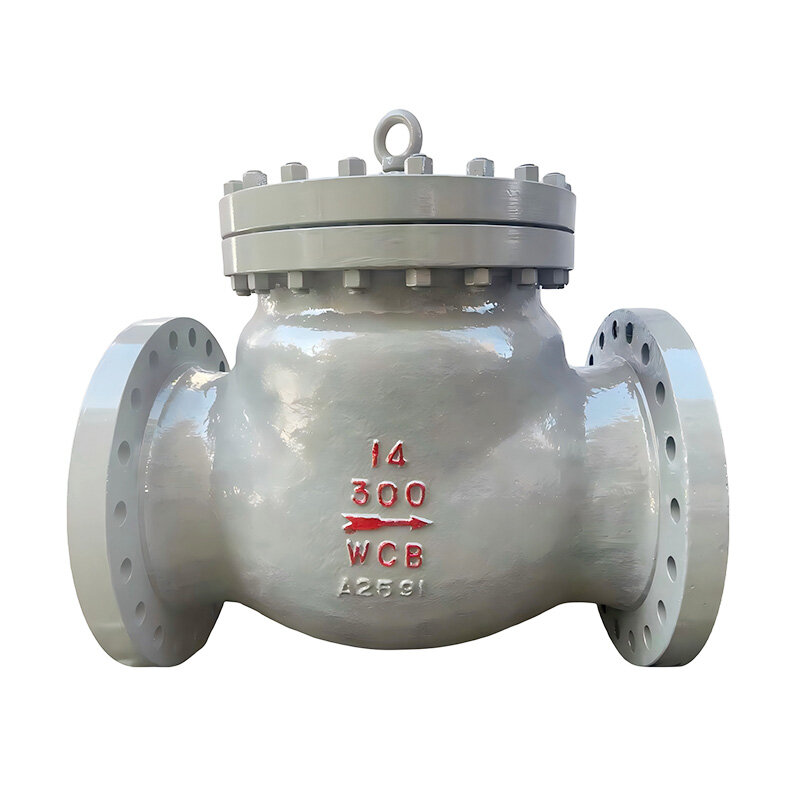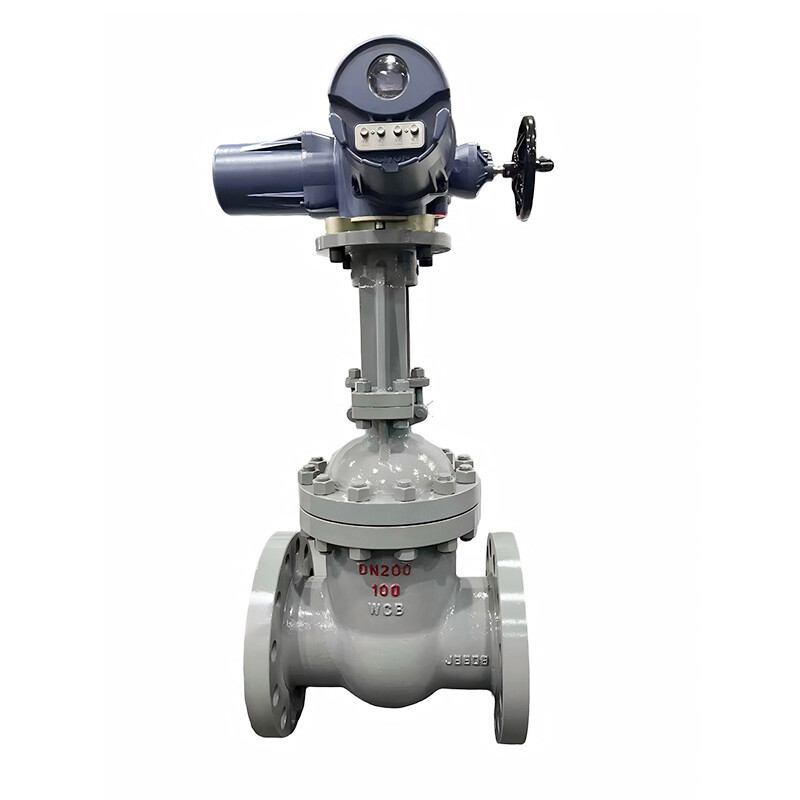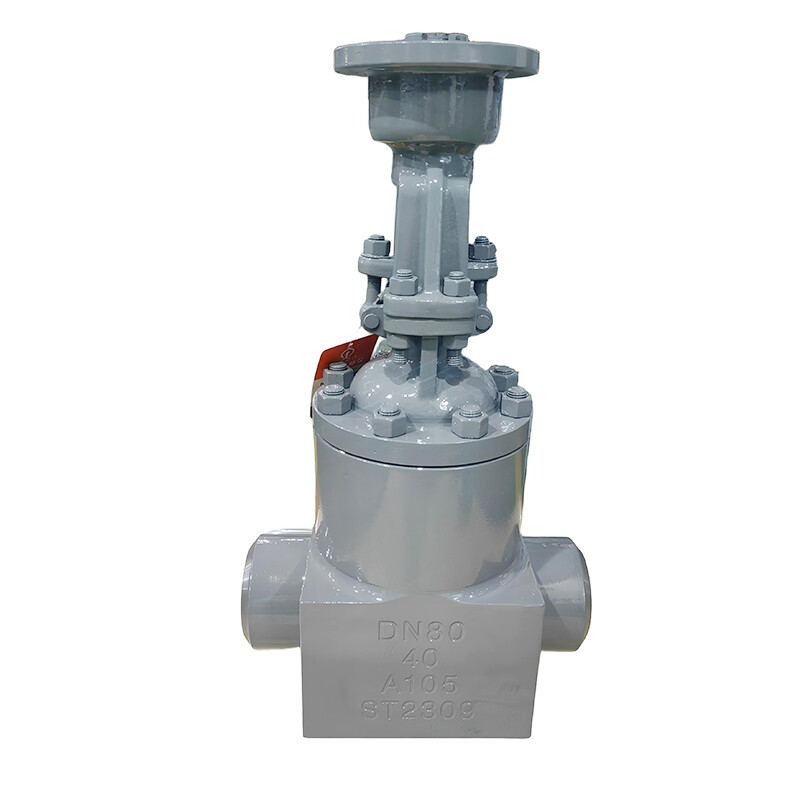
As operational management and control systems for petrochemical process units continue to mature, the reliable performance of pipeline isolation valves has become a focal point for process safety. API 600 gate valves, built upon a standardized design framework, remain a staple in various high-temperature and high-pressure process pipelines. Through ongoing technical iterations—focusing on sealing structures, packing systems, and material compatibility—these valves have been adapted for increasingly diverse environments, including those involving sulfur-containing media, high-temperature steam, and various hydrocarbon fluids, thereby continuously expanding their range of engineering applications.
In sectors such as oil refining, oil and gas gathering and transportation, and deep chemical processing, pipelines require dependable shut-off units to facilitate system isolation for maintenance, purging, or process switching. API 600 gate valves utilize a wedge-type sealing design; their bidirectional sealing capability allows them to handle pressure from either direction within a pipeline. When fully open, they provide an unobstructed flow path with minimal fluid resistance. Consequently, they are well-suited for applications requiring long-term operation in either a fully open or fully closed state, though they are not intended for flow regulation or throttling.
In technical discussions within the industry, engineers emphasize the logic behind matching valve materials to specific operating conditions. Different valve body materials and hard-faced sealing surfaces are selected to address distinct challenges, such as corrosion, high temperatures, or cryogenic conditions. The selection of packing materials is also carefully tailored based on the volatility of the process medium and the operating temperature range to minimize the risk of external leakage. Furthermore, the integrated back-seating (upper sealing) mechanism protects the stem area when the valve is fully open, limiting direct contact between the process medium and the packing, which extends the service life of the packing components.
In field engineering practice, project teams verify that valves meet the design standards and inspection requirements specified in the process package, while also implementing appropriate pressure testing and non-destructive testing (NDT) protocols. In many projects, API 600 gate valves are incorporated into the facility’s safety interlock and isolation protocols—often combined with blind flanges and other shut-off valves to create multi-level isolation systems—thereby ensuring safety during maintenance and repair activities. It is widely recognized within the industry that the reliable performance of a valve depends not only on its inherent design but also on proper installation alignment, the mitigation of pipeline stress, and adherence to standardized operating procedures. For process pipelines subject to frequent thermal cycling, sealing surfaces are continuously subjected to deformation caused by temperature fluctuations, necessitating periodic inspections of sealing performance. Ongoing technical discussions are focused on accumulating practical experience in areas such as sealing protection under cyclic operating conditions, valve stem safeguarding, and the optimization of yoke structures. These efforts aim to ensure that API 600 gate valves are better adapted to the diverse new process requirements arising from the upgrading of the domestic refining and chemical industry, thereby providing standardized isolation solutions for safety management in process industry pipelines.