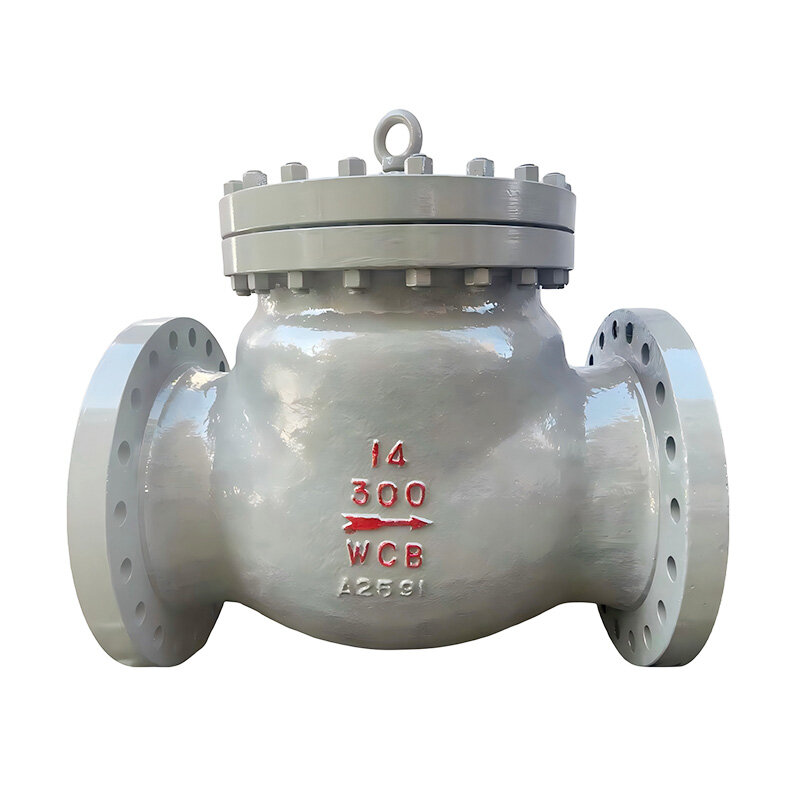
API 6D check valves are specialized valves designed and manufactured in accordance with the API 6D standard for pipeline valves. They operate automatically based on changes in the direction of fluid flow, requiring no manual intervention. Their primary function is to prevent backflow, serving as a critical passive safety component in fluid systems. In long-distance oil and gas pipelines and pump discharge lines, backflow can impact rotating equipment—such as pumps and compressors—causing damage and triggering process system instability.
The API 6D standard covers pipeline valves, including gate valves and check valves, specifying requirements for valve structure, pressure-bearing capacity, fire testing, pressure testing, and non-destructive testing; it is applicable to long-distance oil and gas transmission pipelines and gathering lines. Common structural types of API 6D check valves include swing, lift, and axial-flow designs. In a swing check valve, the disc acts like a hinged door; forward flow pushes the disc open, while the cessation or reversal of flow causes the disc to seat under the influence of gravity and fluid pressure, thereby blocking backflow. In a lift check valve, the disc moves vertically along the valve axis; forward flow lifts the disc, while backflow causes it to drop and seal. Axial-flow check valves utilize spring-assisted closure to ensure rapid response and mitigate the water hammer effect.
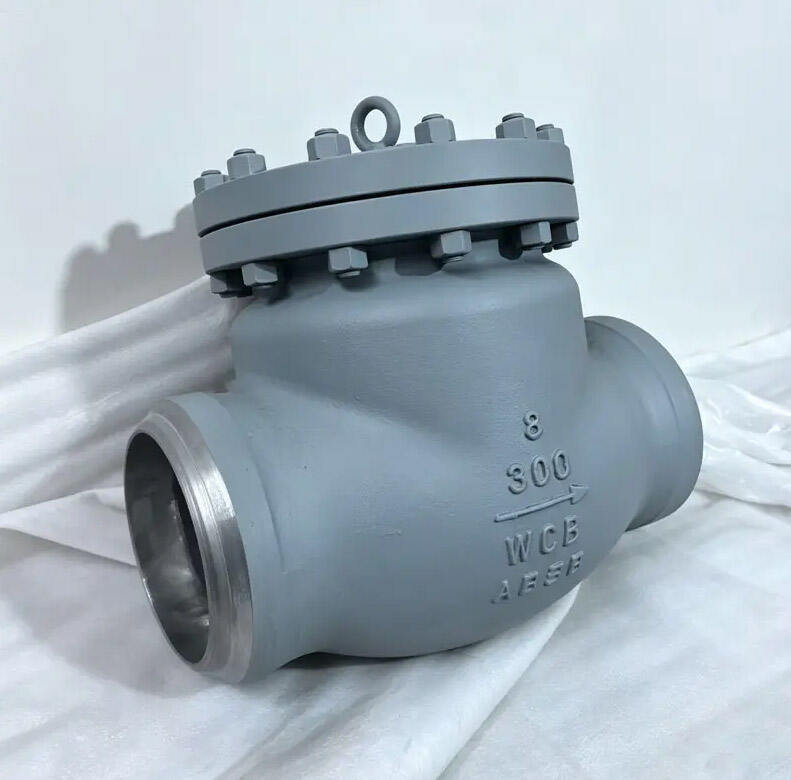
Swing-type API 6D check valves offer a wide range of bore sizes, making them suitable for large-diameter, long-distance pipelines. The disc is hinged to the valve body via a rocker arm, and flow resistance during forward flow is moderate. Since closure relies on gravity, the disc may fail to remain stably open under low-flow conditions, leading to disc fluttering against the seat; this generates impact noise and can damage sealing surfaces through repeated contact. Consequently, axial-flow API 6D check valves with spring-assisted closure are preferred for low-flow applications. API 6D lift-type check valves feature a compact design in which the disc moves vertically within a guide sleeve, ensuring stable sealing performance; they are commonly used in small-to-medium bore, high-pressure pipelines. Installation orientation is critical for lift-type valves, as vertical and horizontal configurations differ structurally; horizontal lift valves must be used for horizontal lines and vertical lift valves for vertical lines, as incorrect installation prevents the disc from reseating properly. These valves exhibit significant flow restriction, resulting in higher pressure loss compared to swing-type check valves.
In API 6D axial-flow check valves, the internal valve core aligns with the direction of fluid flow, creating a smooth flow path and minimizing pressure loss. The core is spring-loaded; forward flow overcomes the spring force to open the valve, while a decrease in flow velocity allows the spring to rapidly close the core. Sealing occurs before backflow can develop, effectively mitigating water hammer impacts caused by pump shutdowns, making them ideal for high-risk locations such as pump and compressor outlets.
API 6D check valve bodies are available in materials including carbon steel, stainless steel, and alloy steel, with pressure ratings ranging from Class 150 to Class 2500. Connection types include flanged and butt-weld; butt-weld connections are widely used in long-distance pipelines to enhance overall structural integrity. The sealing surfaces feature hard-facing (overlay) with hard alloys to improve erosion resistance, and the metal-to-metal hard seal design makes them suitable for high-temperature oil and natural gas applications.
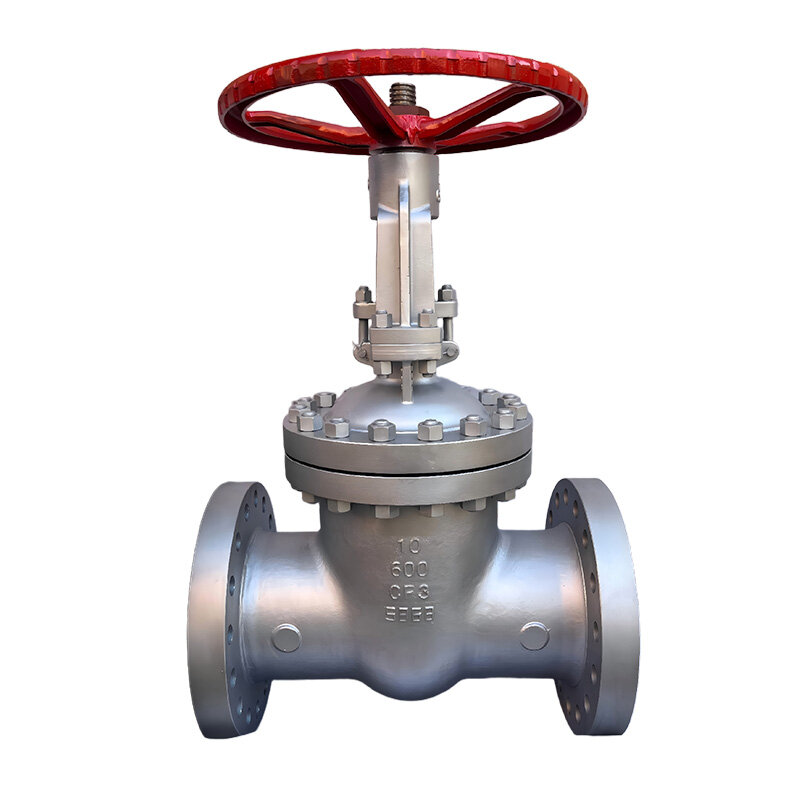
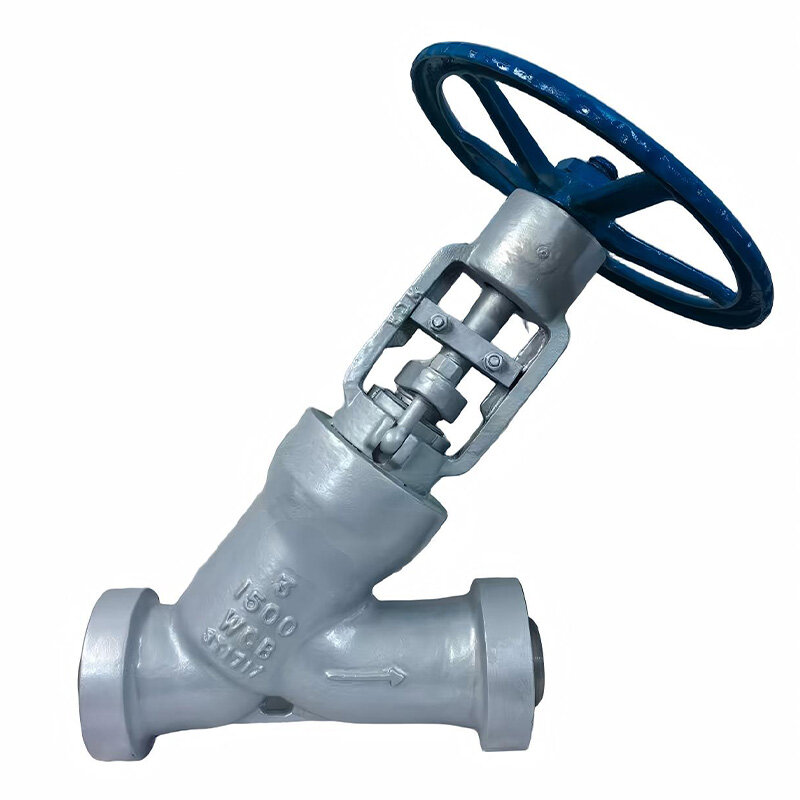
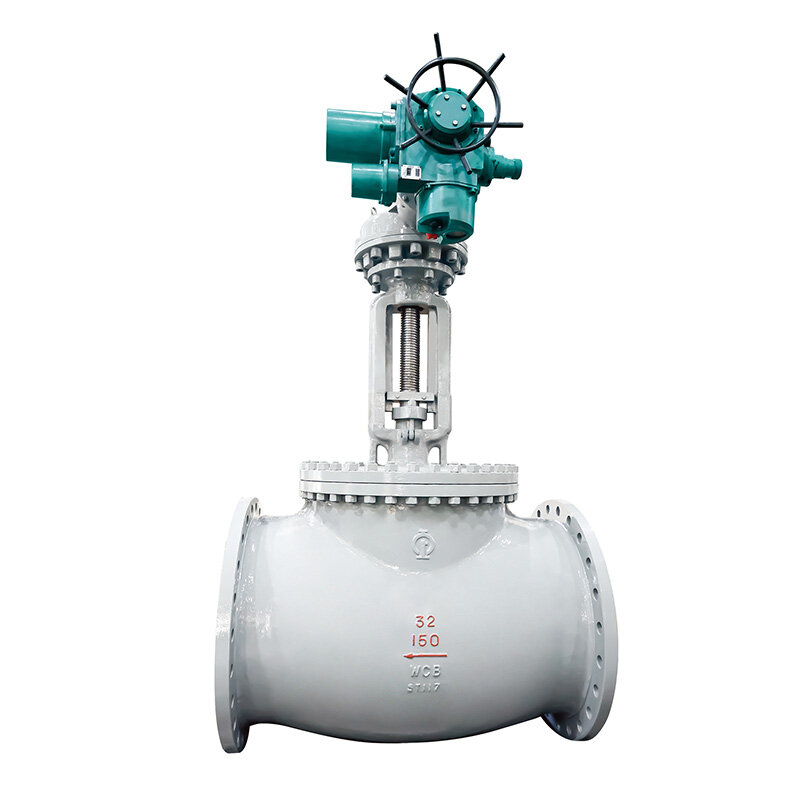
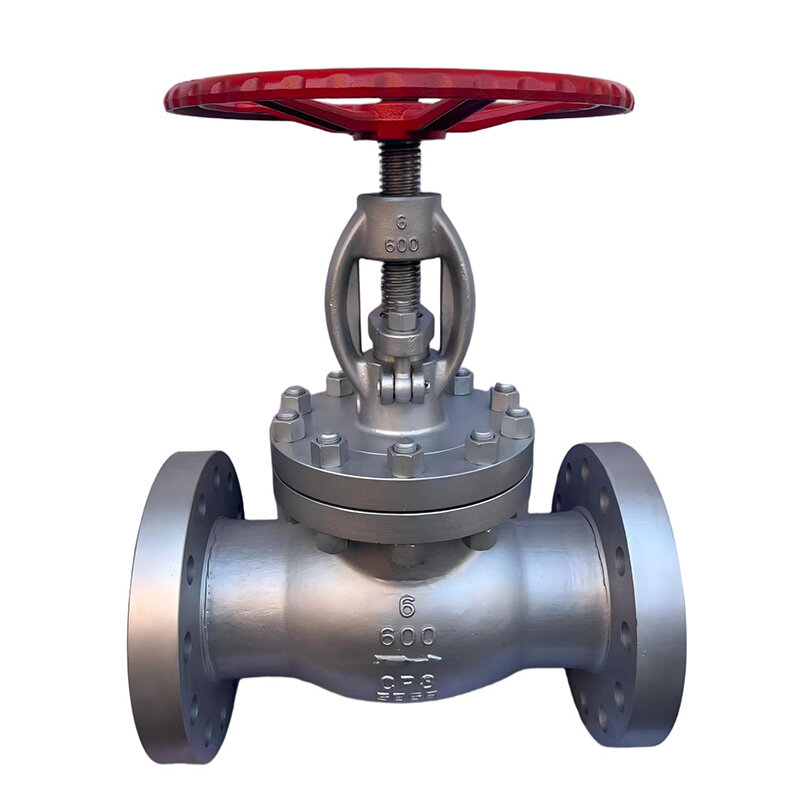
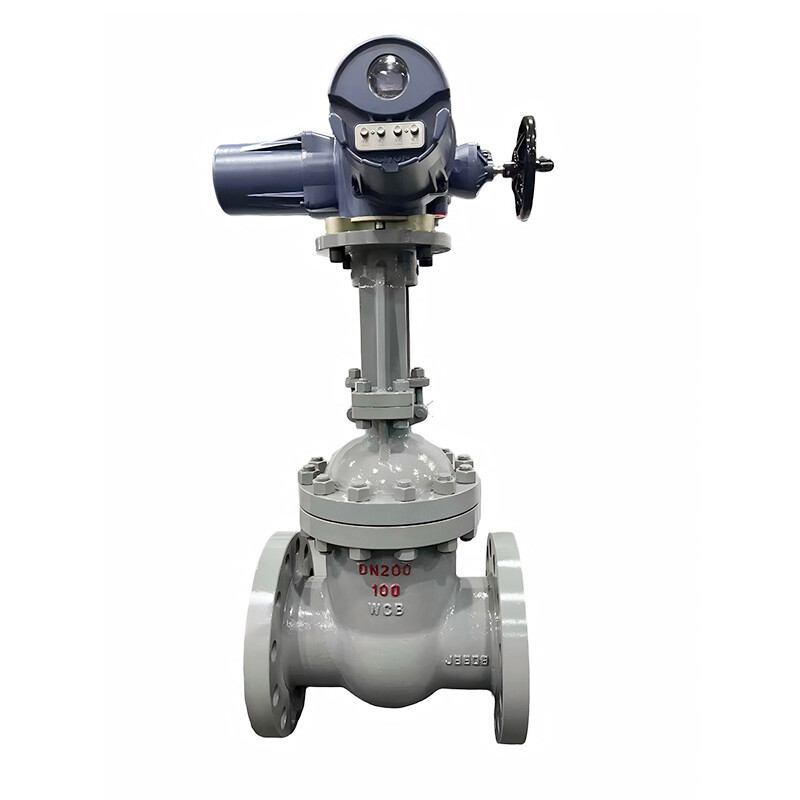
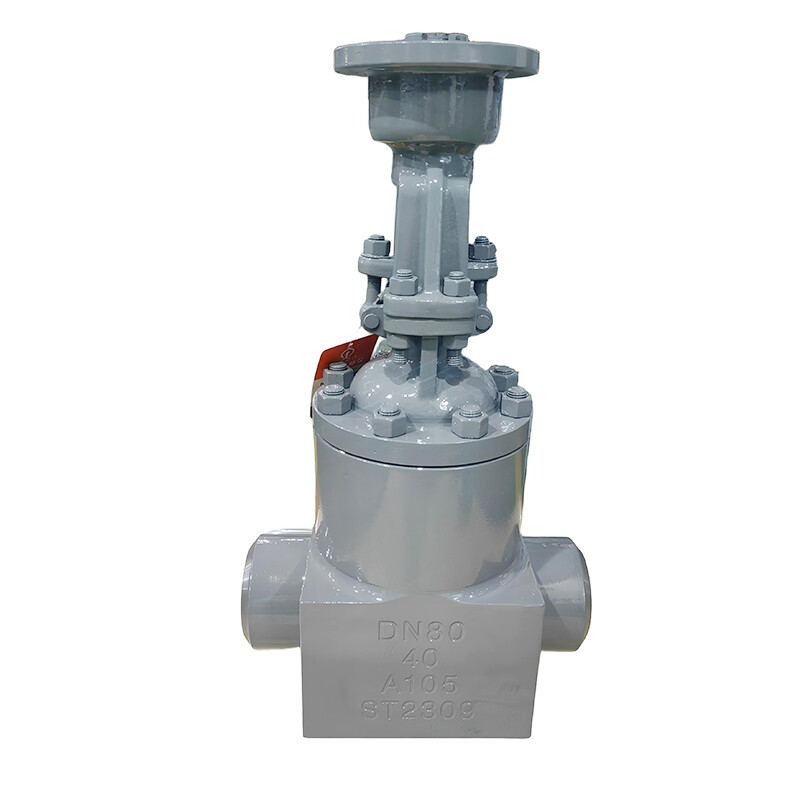
API 6D check valves are automatic valves without manual handwheel mechanisms, differing fundamentally in function from API 600 gate valves and API globe valves. While API 600 gate valves and API globe valves require manual or actuator-driven operation to open or close, API 6D check valves operate automatically based on differential pressure; the valve closes automatically whenever the flow direction changes. Used to prevent backflow, they are typically paired with isolation valves—a common configuration at pump outlets involves placing an API globe valve followed by an API 6D check valve downstream of the pump. API globe valves serve as shut-off valves, providing isolation during pump maintenance, while API 6D check valves prevent high-pressure media from backflowing against the pump impeller when the pump stops.
Key factors in selecting API 6D check valves include the minimum opening flow velocity, the risk of water hammer, and the presence of impurities in the medium. If the medium contains solid particles that could become trapped between the seat and the disc—causing internal leakage—a strainer should be installed upstream of the valve. For pipelines prone to severe water hammer, axial-flow, slow-closing API 6D check valves are preferred to mitigate pressure surges.
During on-site installation, the hinge pin of a swing-type API 6D check valve must be kept horizontal (for horizontal installation), and the flow direction indicated on the valve body must align with the actual flow of the medium. Adequate clearance must be reserved for maintenance access to facilitate future cover removal and inspection of the disc and rocker arm for wear. The valve should remain open during pipeline pressure testing to prevent pressure surges from damaging the disc assembly.
During the operation and maintenance phase, the sealing integrity of an API 6D check valve cannot be determined by external observation; instead, downstream pressure fluctuations must be monitored regularly to detect potential backflow or internal leakage. Periodic inspections of the rocker arm, spring, and sealing surfaces are required; spring fatigue can lead to closure failure, necessitating timely replacement of spring components.
Serving as backflow protection devices for pipelines, API 6D check valves operate automatically based on differential pressure, thereby reducing the impact of backflow on rotating equipment. Proper selection—based on pipeline flow velocity, medium characteristics, and water hammer risk—combined with standardized installation and maintenance, ensures reliable backflow protection for oil and gas transmission pipelines.
Next:NO!