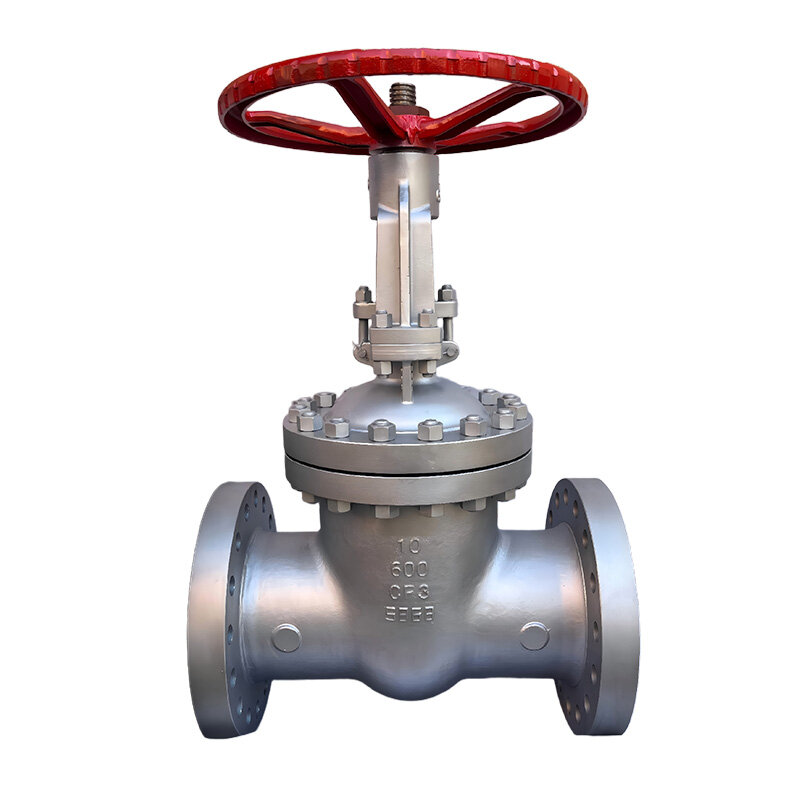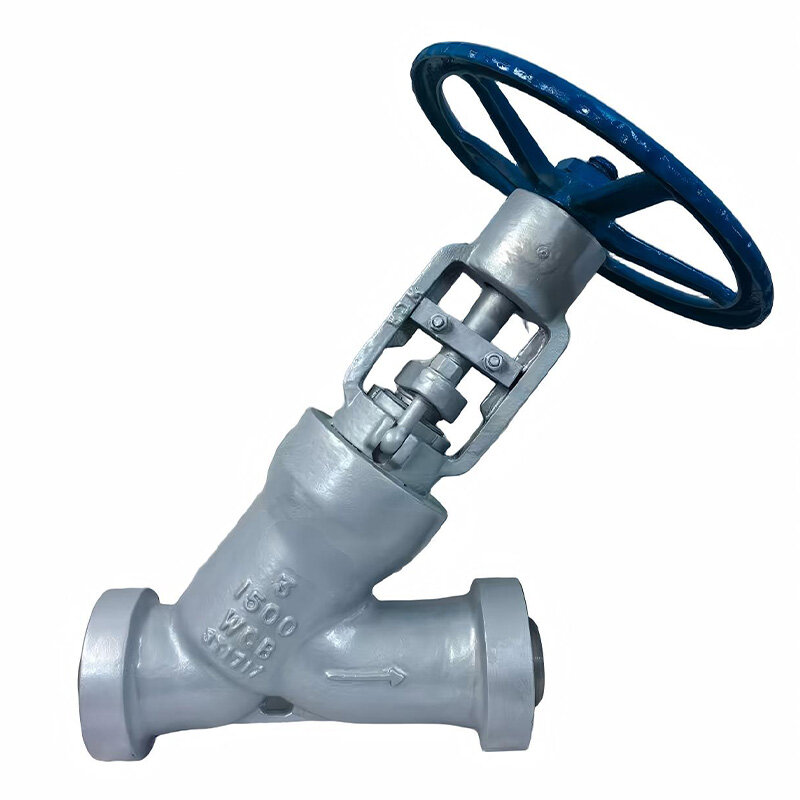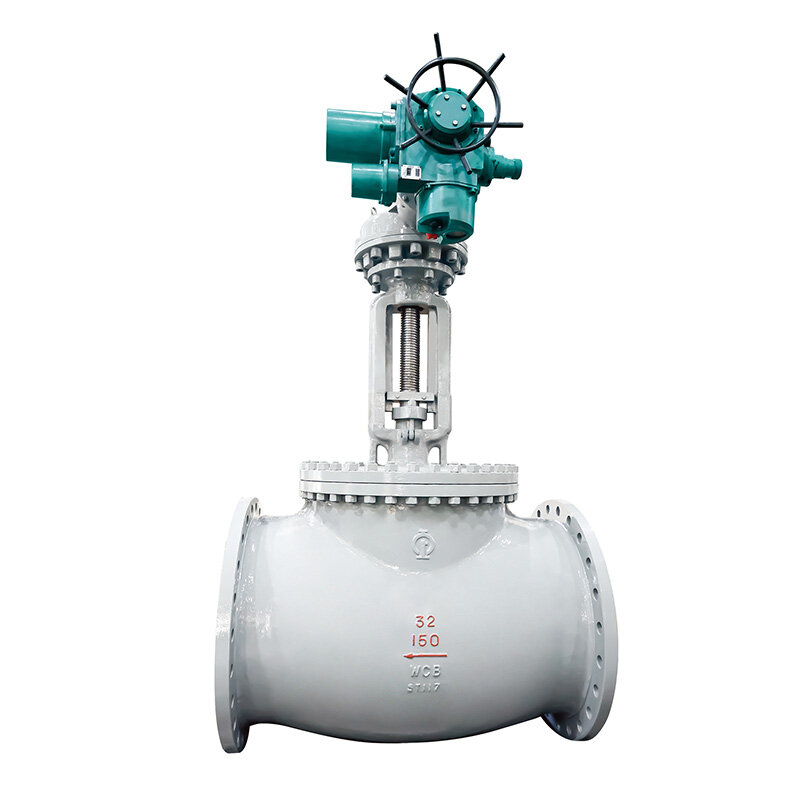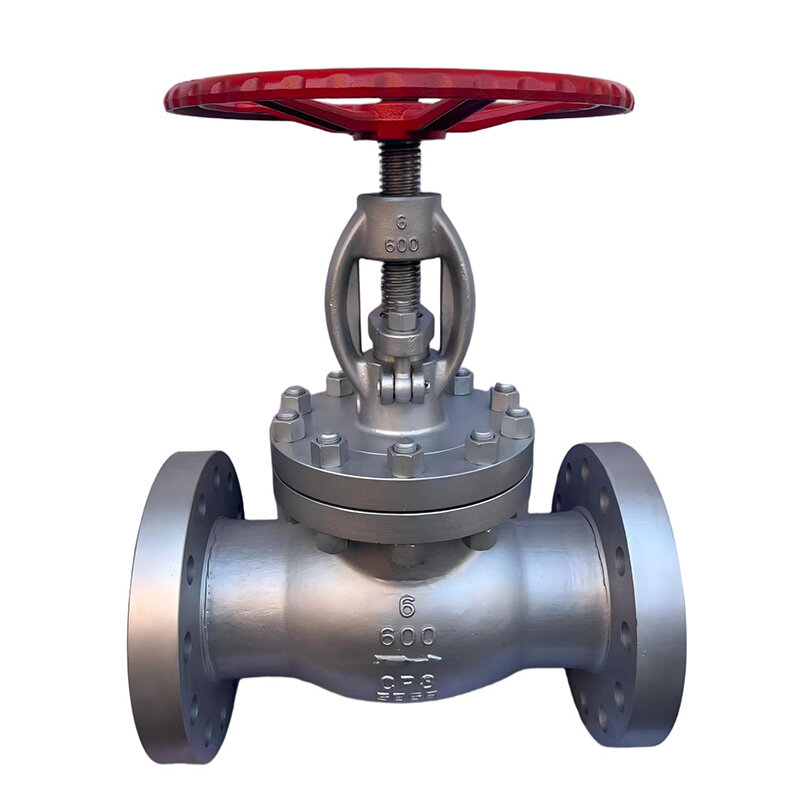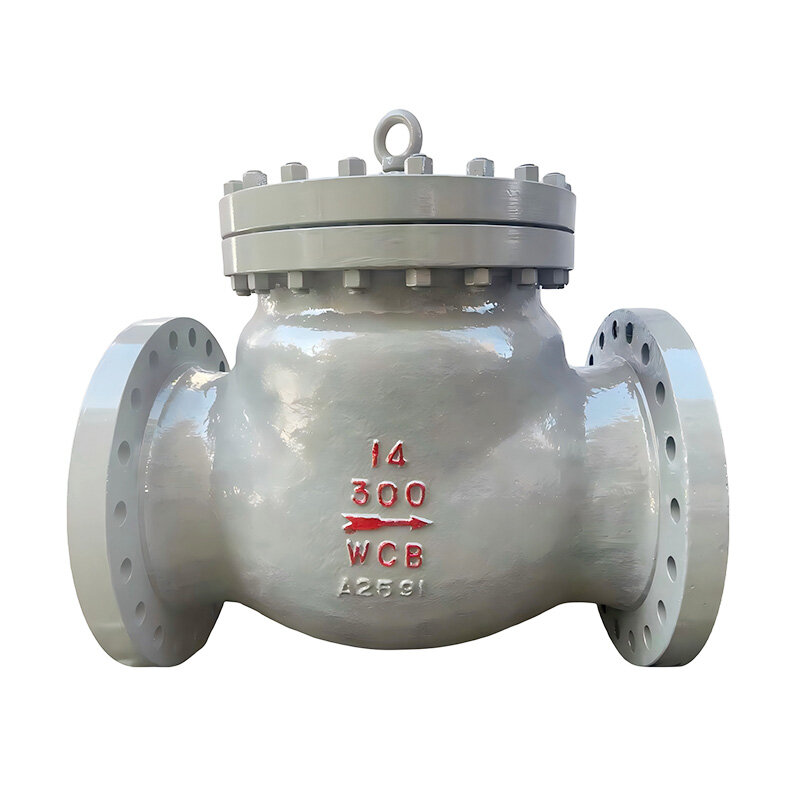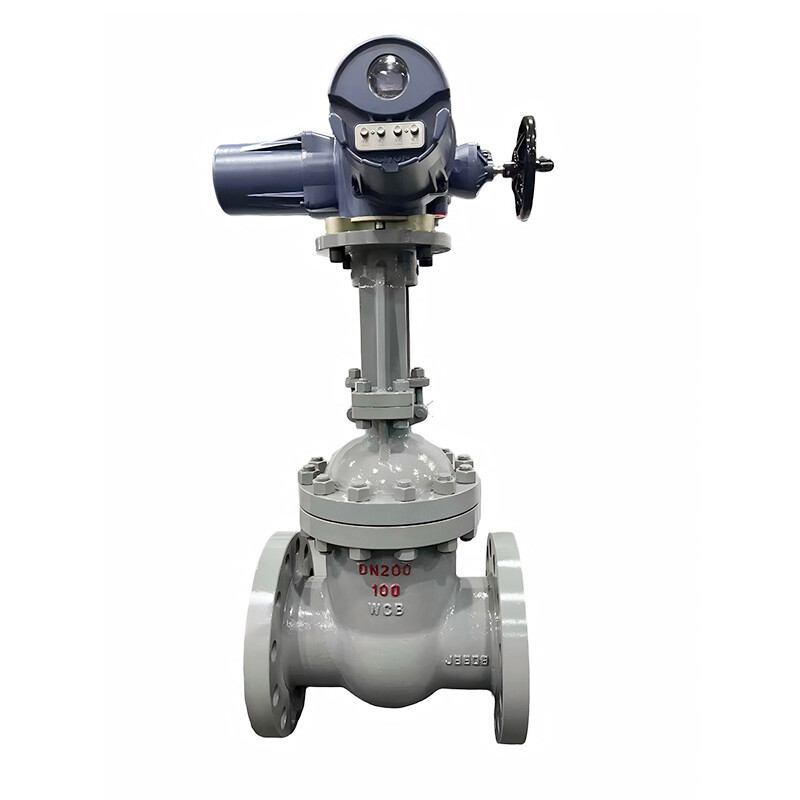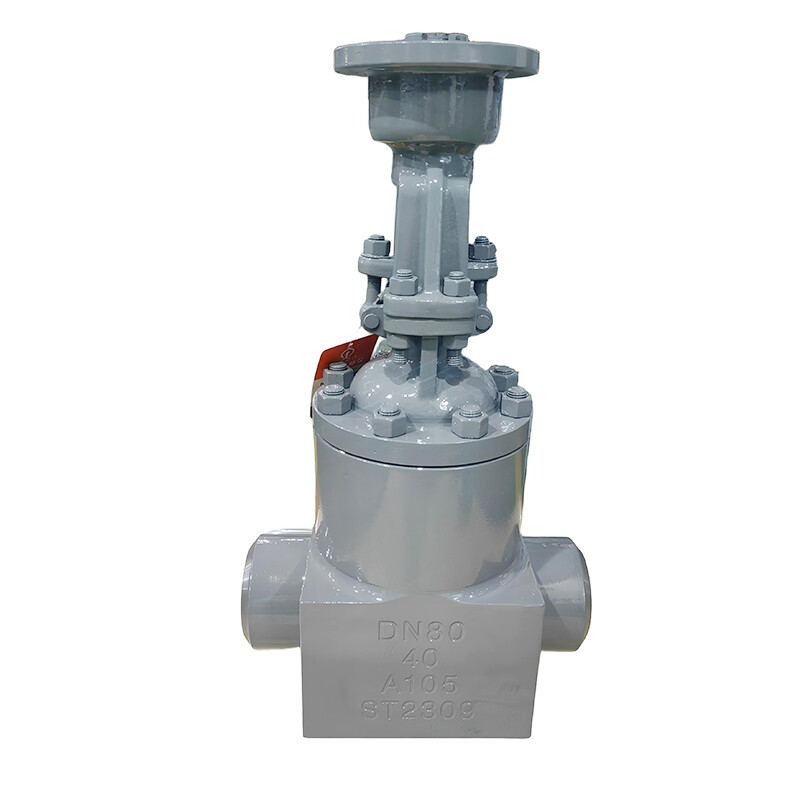
API globe valves operate by lifting and lowering the disc along the axis of the valve seat—a mechanism fundamentally different from that of gate valves. Understanding the structural characteristics of API globe valves facilitates informed decision-making during the pipeline system selection phase. In industrial fluid piping systems, the need for both flow shut-off and regulation is common; as part of the American standard valve series, API globe valves are widely used in process pipelines across the oil refining, chemical, and power generation sectors due to their excellent sealing performance and flow control capabilities.
The primary structure of an API globe valve consists of the valve body, seat, disc, stem, bonnet, and operating mechanism. The medium enters from one side of the seat and flows through the seat passage; the lifting and lowering of the disc adjust the gap between the disc and the seat, thereby controlling the flow rate. Flow is cut off when the disc is pressed firmly against the seat's sealing surface. To enhance wear and galling resistance, the sealing surfaces of API globe valves are often hard-faced with alloys. The disc and seat form a single sealing pair; this simple structure allows for easy lapping and repair of sealing surfaces, making on-site maintenance relatively straightforward.
A standout feature of the API globe valve is its flow regulation performance. There is an approximately linear relationship between the disc's lift height and the flow area, allowing operators to fine-tune the flow rate by adjusting the opening height—making them ideal for process sections requiring stable throttling. Unlike API 600 gate valves, which are unsuitable for partial-opening throttling operations, API globe valves can operate in a throttled state for extended periods; this distinction represents the primary difference in their application.
The main drawback of API globe valves is fluid resistance; the flow path within the valve body involves bends and changes in flow direction, resulting in higher pressure loss compared to straight-through gate valves. In large-diameter, high-flow long-distance pipelines, extensive use of API globe valves increases energy consumption, so gate valves are generally preferred in such scenarios. However, for small-diameter applications, process branch lines, and instrumentation lines requiring both shut-off and flow regulation capabilities, API globe valves are the more suitable choice. API globe valves feature a short travel distance for opening and closing; the disc requires only a brief lift to reach the fully open position, resulting in rapid operation.
API globe valves are available with various body connection types, including flanged connections, butt-weld connections, and—for small-bore forged steel models—threaded connections. Flanged connections facilitate easy disassembly and maintenance, making them suitable for low-to-medium pressure process piping. Butt-weld connections offer high structural strength and vibration resistance, making them ideal for high-temperature, high-pressure applications. Pressure ratings range from Class 150 to Class 2500, and body materials include carbon steel, stainless steel, and alloy steel to accommodate various corrosive media and temperature conditions.
API globe valves are directional; installation must align with the flow direction marked on the valve body. The standard flow path involves the medium entering from beneath the seat, exerting pressure on the underside of the disc; this ensures a more reliable seal when the valve is closed. Reverse installation increases operating torque and compromises sealing performance. Incorrect flow direction is a common issue during field installation, leading to difficult operation and internal leakage after commissioning; therefore, verifying the flow direction marking on the valve body during installation is essential.
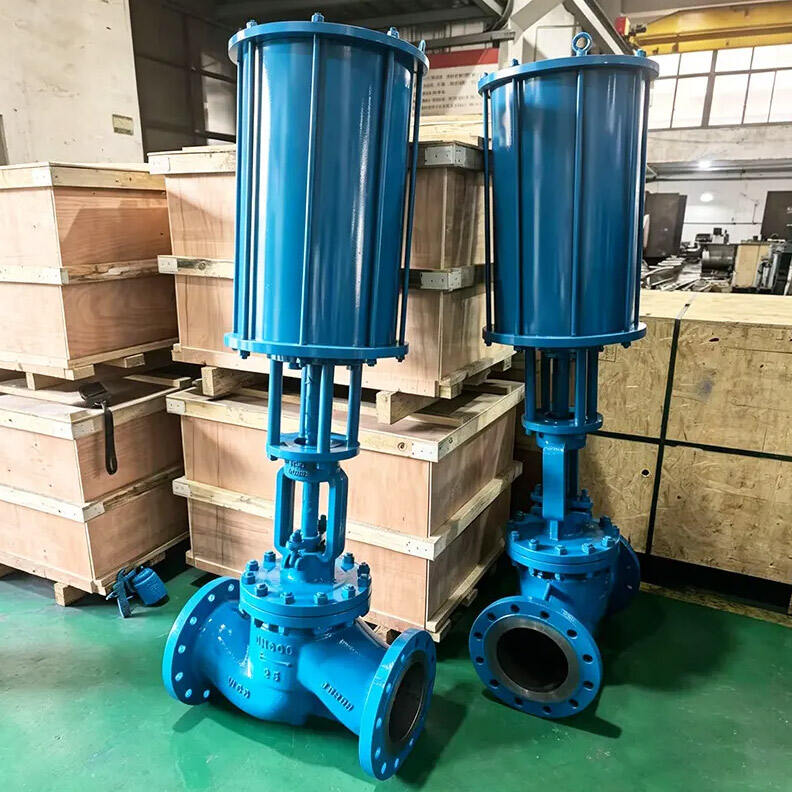
API globe valves require relatively high operating torque, as significant force is needed to press the disc against the seat for a tight seal. Large-bore valves can be equipped with gear operators, while automated applications utilize electric or pneumatic actuators. During operation, excessive torque should not be applied after the valve is fully closed to avoid crushing or damaging the sealing surfaces. When opening, the disc should be lifted only to the full-open limit; over-rotating the stem is unnecessary.
Within a piping system, API globe valves and API 6D check valves serve complementary functions. API 6D check valves act as passive protective devices to prevent backflow, whereas API globe valves rely on active operation to control flow (shut-off and throttling). They are frequently paired in pump discharge lines: the API globe valve handles isolation and regulation, while the API 6D check valve prevents backflow from damaging equipment when the pump stops.
Maintenance of API globe valves focuses primarily on the sealing surfaces and the stem packing area. Under throttling conditions, the medium causes significant erosion, accelerating wear on the sealing surfaces; therefore, internal leakage should be monitored regularly. If leakage occurs at the stem packing, the packing gland should be tightened evenly; if the packing has aged, the unit must be shut down for replacement. During prolonged throttling, impurities in the medium may become trapped between the disc and the seat, causing indentations on the sealing surfaces; installing an upstream filter can mitigate this risk.
API globe valves are suitable for applications such as process branch lines, heat exchanger piping, and instrument sampling lines, effectively meeting the dual requirements of shut-off and throttling. By carefully considering flow rate, pressure loss, and regulation needs during the selection process, the appropriate API globe valve can be chosen to satisfy process control requirements and ensure the stable operation of the fluid system.
Previous:Key Selection Criteria for API 600 Gate Valves in Petrochemical Piping Systems
Next:The Role of API 6D Check Valves in Backflow Prevention for Oil and Gas Pipelines