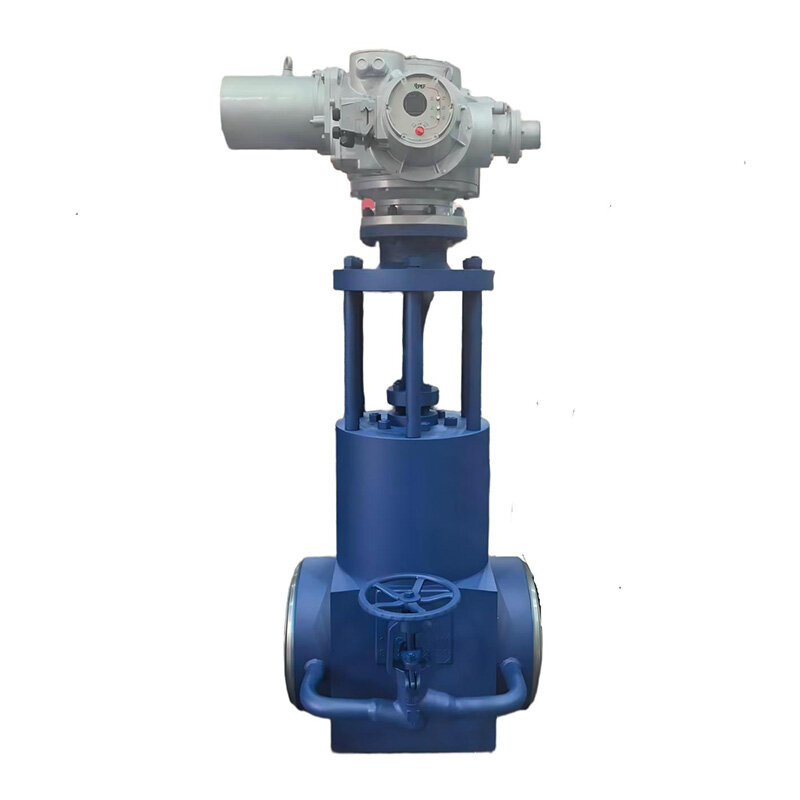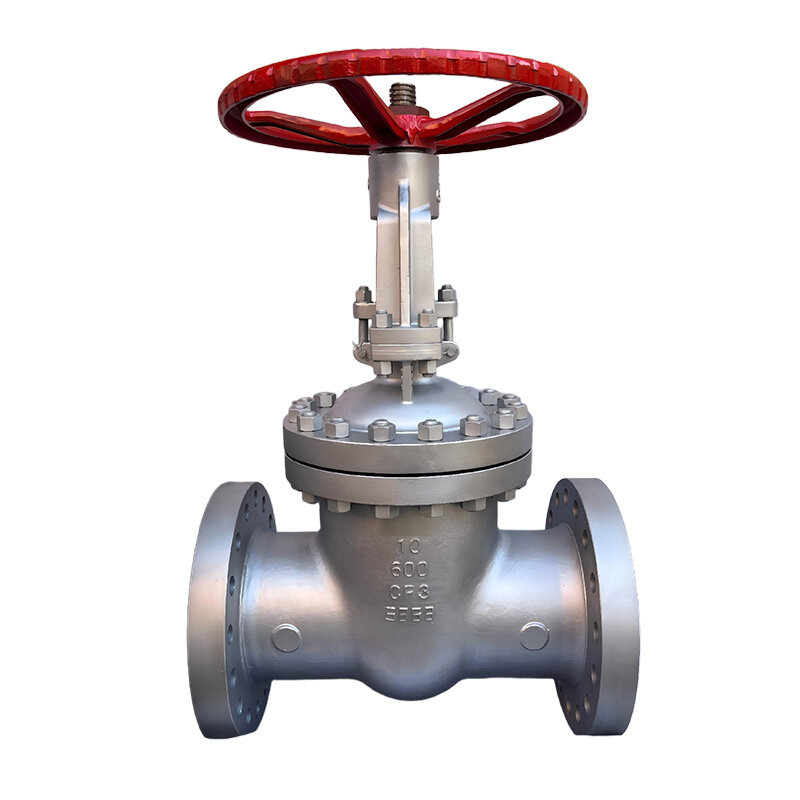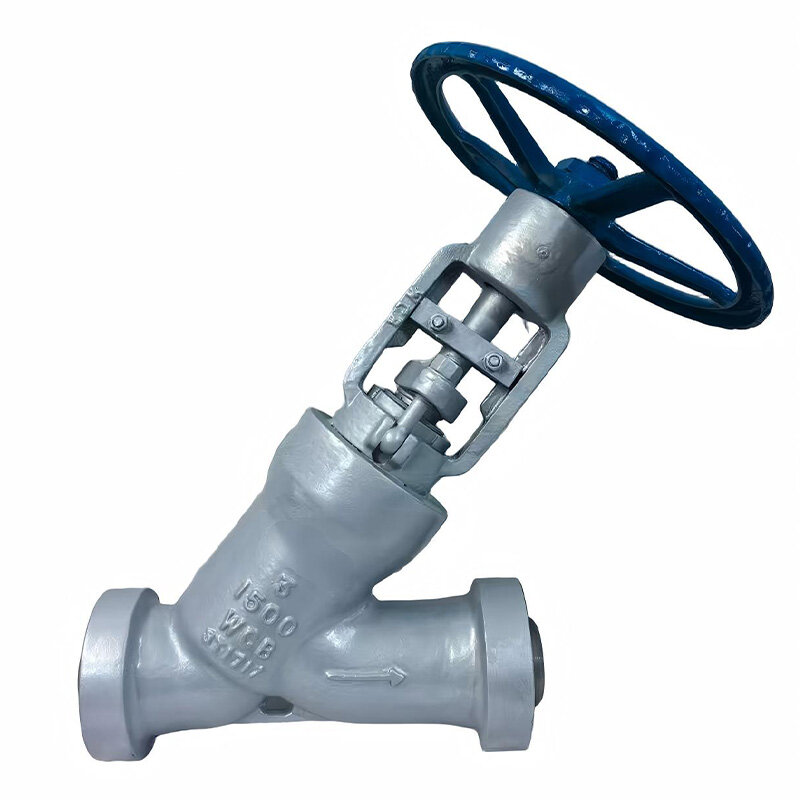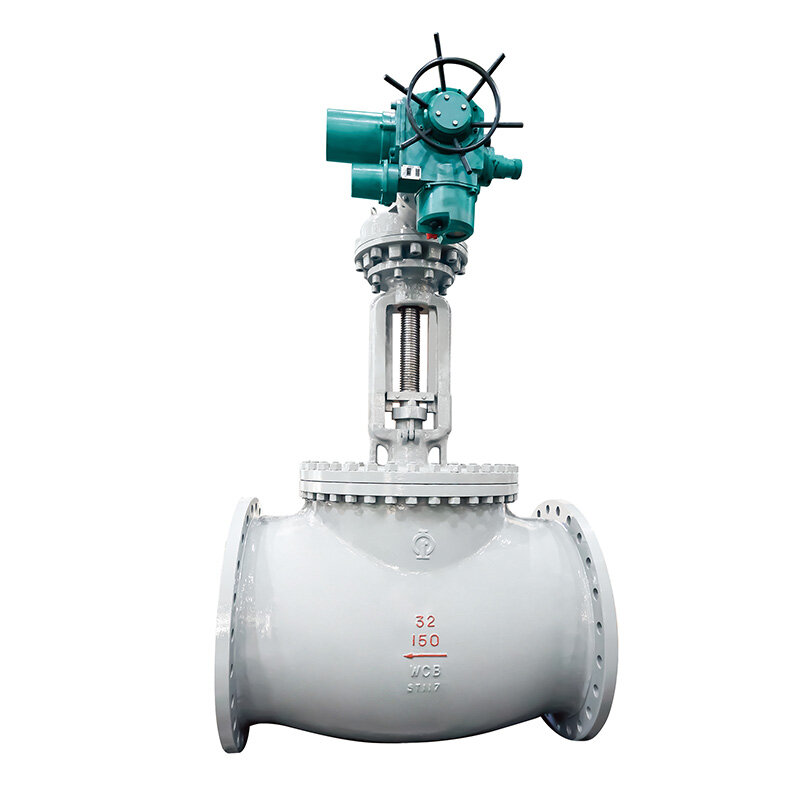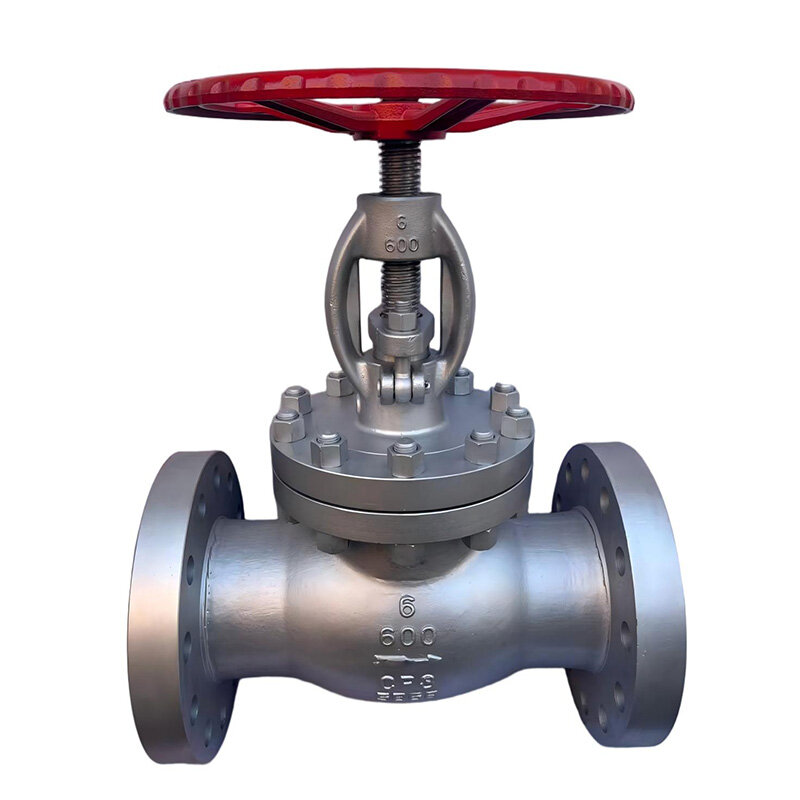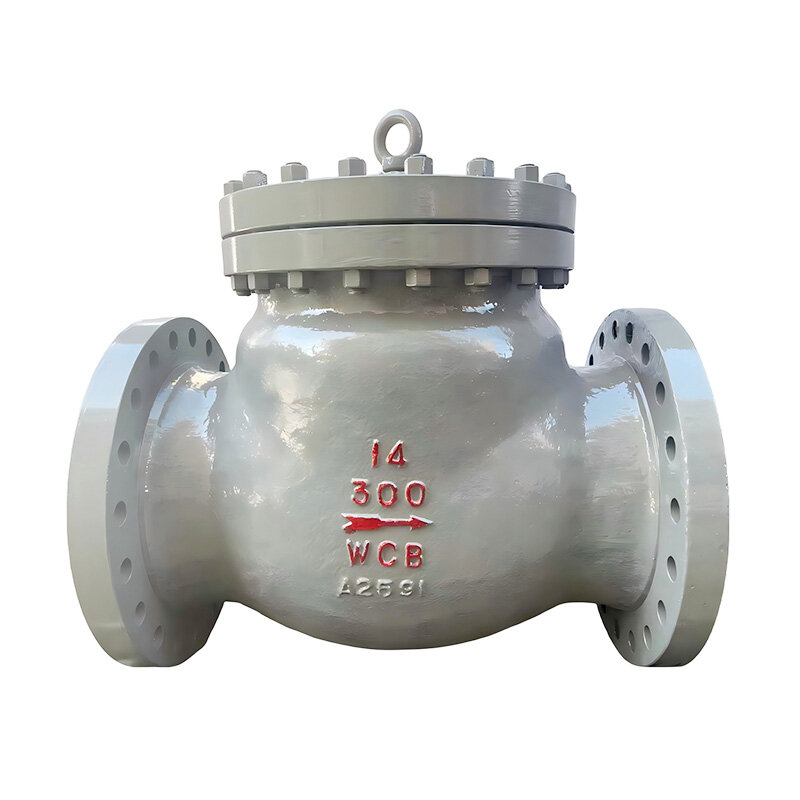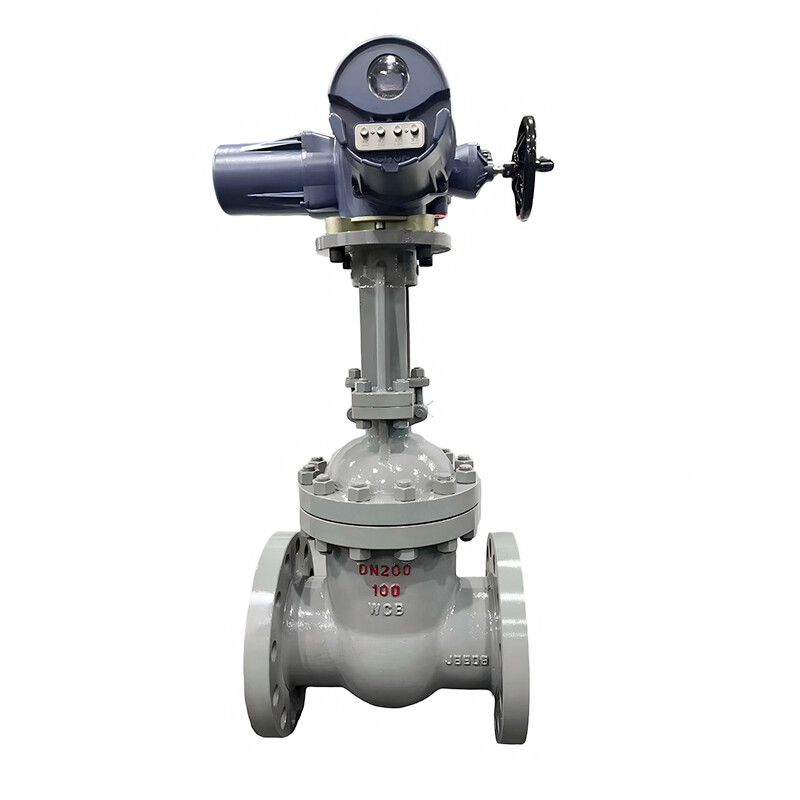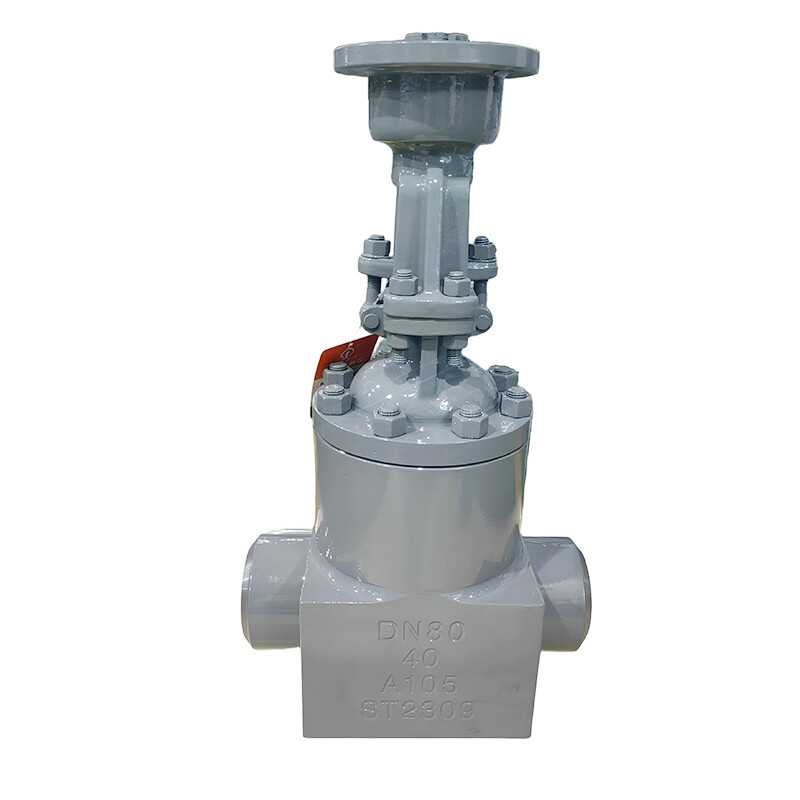
In industrial sectors such as petrochemicals, power generation, metallurgy, and fine chemicals, the flow control, on/off isolation, and operational regulation of fluid media are critical to production stability and safety. Leveraging standardized design and manufacturing systems alongside superior flow control capabilities, API globe valves serve as core control components in industrial fluid piping. They are precisely engineered to handle the transport of high-pressure, high-temperature, and corrosive media, providing reliable support for industrial fluid management.
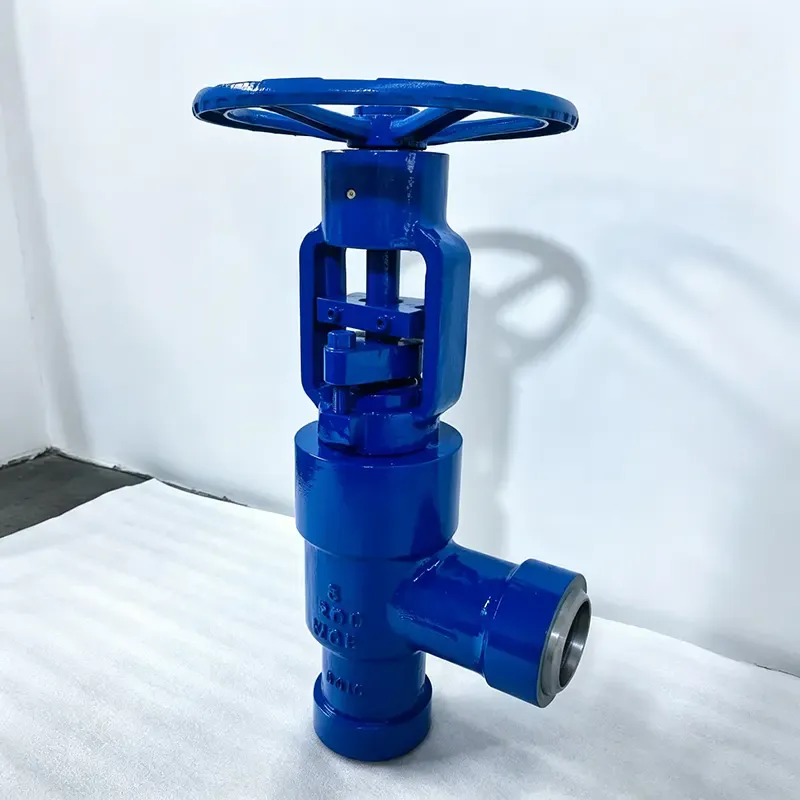
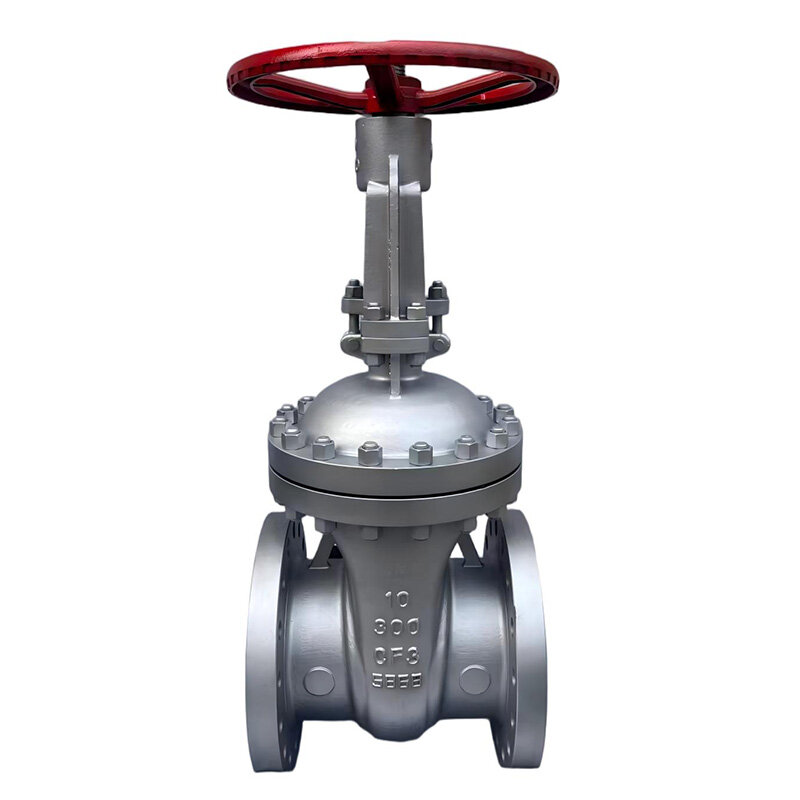
Designed and manufactured in strict accordance with American Petroleum Institute (API) standards and ASME B16.34 general industrial specifications, these valves are specialized flow control devices for high-end industrial applications. Unlike standard GB (Chinese National Standard) globe valves, they meet heavy-duty industrial standards regarding pressure-bearing capacity, sealing performance, and material compatibility. Utilizing a plug-type disc lifting mechanism, the valve stem drives the disc to move vertically against the seat's sealing surface, enabling precise isolation, connection, and fine-tuned throttling of the pipeline medium. Their flow control precision far exceeds that of ordinary valves, making them ideally suited for the rigorous control requirements of fine chemical production.
In terms of core performance, API globe valves offer multiple advantages, including resistance to high temperatures, high pressures, corrosion, and wear. The valve body is constructed from high-strength industrial materials such as cast steel or stainless steel, while the sealing surfaces feature hard-facing (overlay) with hard alloys; this ensures high hardness and resistance to galling and media erosion, allowing the valve to withstand the continuous impact of 425°C high-temperature steam, high-pressure oils, and corrosive acidic or alkaline media over the long term. The valve features a low-flow-resistance design with a "low-in, high-out" flow path; smooth opening and closing operations effectively mitigate water hammer effects, protecting the piping network and upstream equipment while preventing equipment damage and safety hazards caused by pressure surges.
Thanks to their outstanding overall performance, API globe valves are widely used in critical applications such as chemical reactor feed lines, steam heat-exchange networks, oil transport branch lines, and power plant cooling water systems. In fine chemical production, these valves enable precise control of medium flow rates, ensuring the stability and controllability of reaction processes. In thermal power generation systems, they facilitate rapid opening and closing of steam pipelines, meeting the demands of unit start-stop operations and load adjustments. In oil storage and transportation systems, they effectively isolate branch pipeline networks, mitigating the risk of cross-flow. As the chemical industry advances toward greater precision and safety—and fluid control standards continue to rise—high-performance, standardized API globe valves have become standard equipment for fluid pipeline networks across the chemical, power, and energy sectors, consistently driving improvements in quality, efficiency, and safety within industrial production.