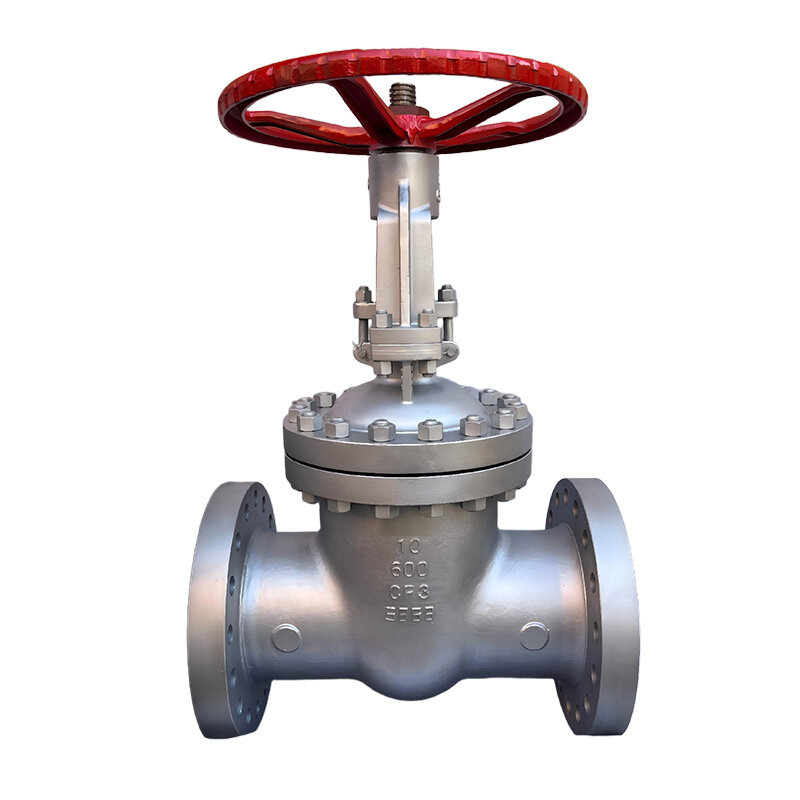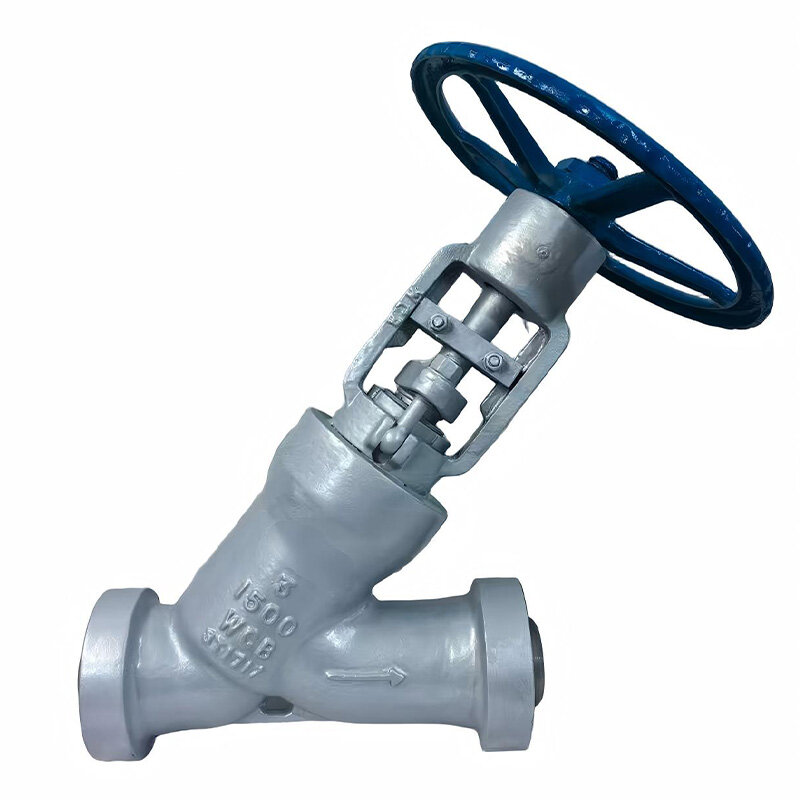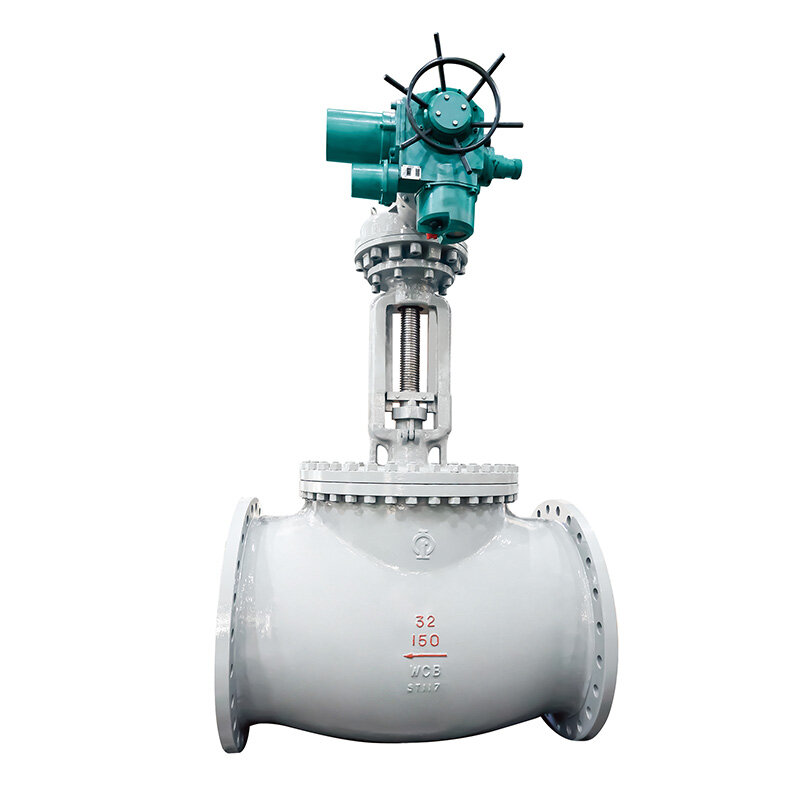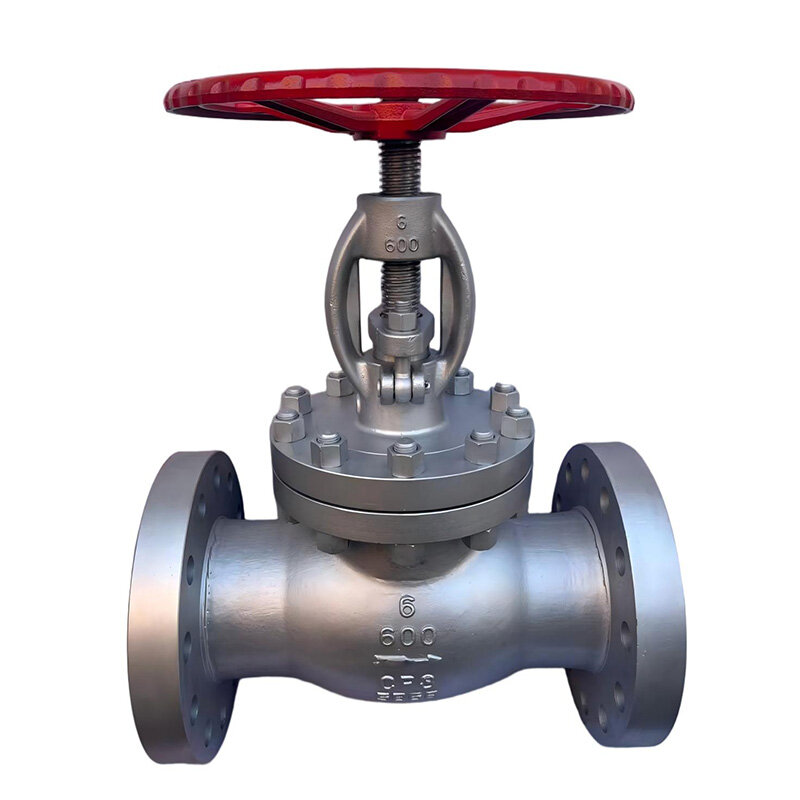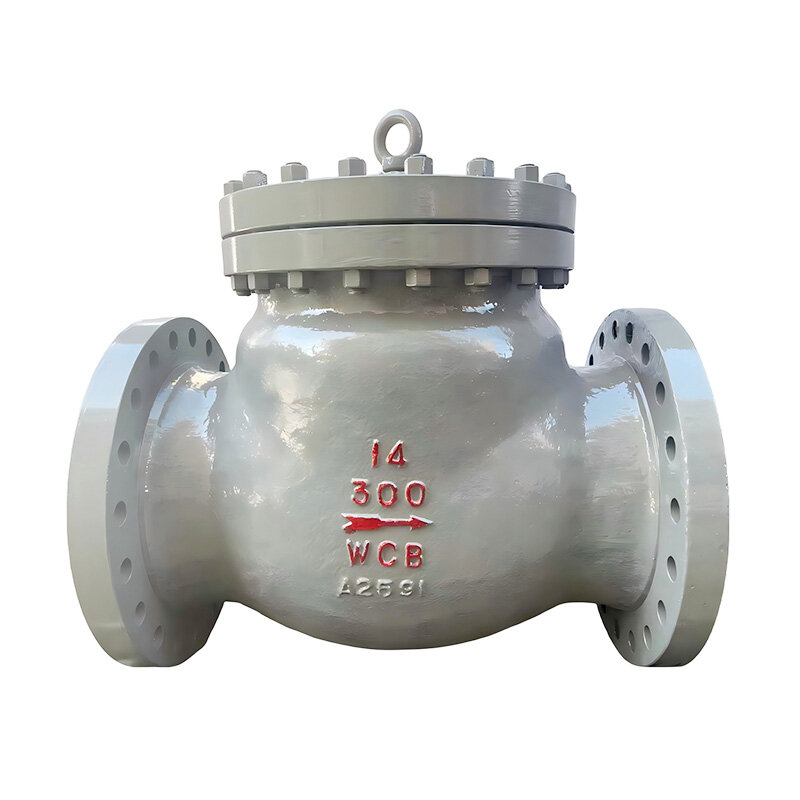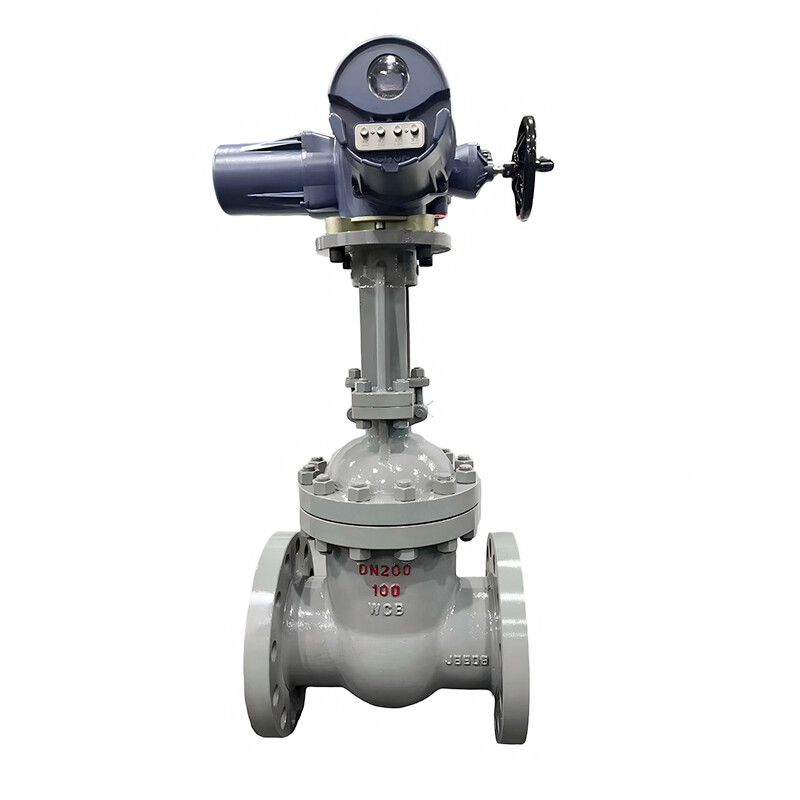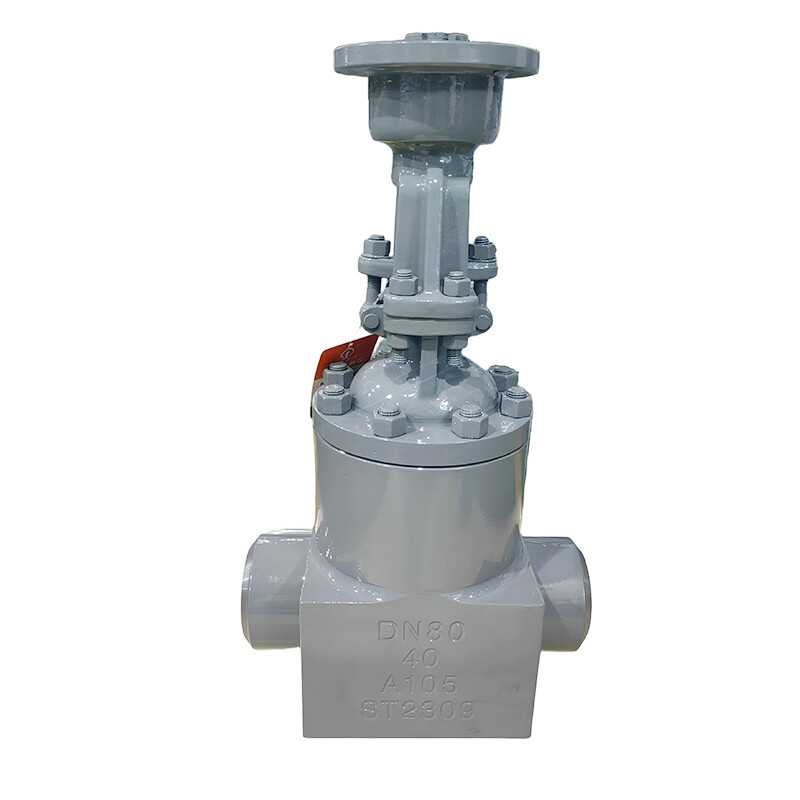
A newly built offshore oil production platform has completed the commissioning of the seawater fire protection system, and the API globe valves installed in bulk have shown good corrosion resistance in seawater medium, providing reliable guarantee for the platform's fire safety. Seawater has high salinity and strong electrochemical corrosion characteristics, and ordinary carbon steel valves will experience severe corrosion in a short period of time, affecting their opening and closing functions.
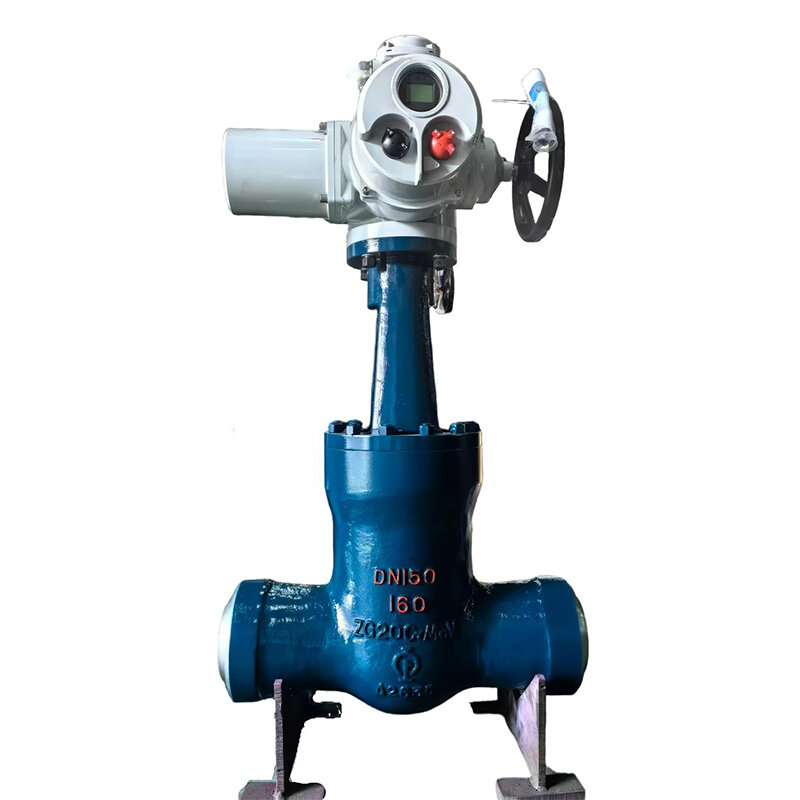
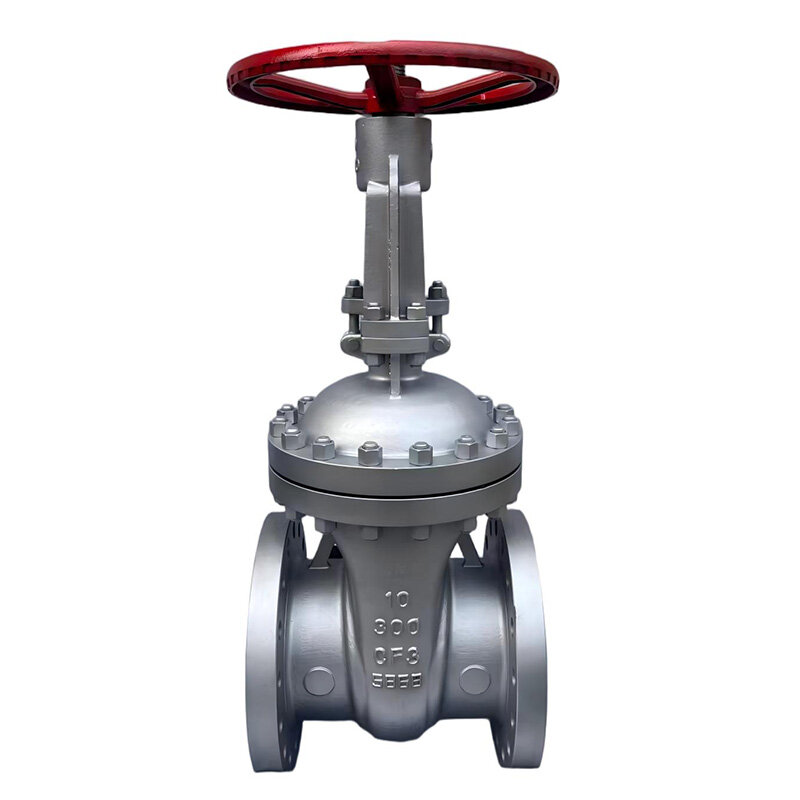
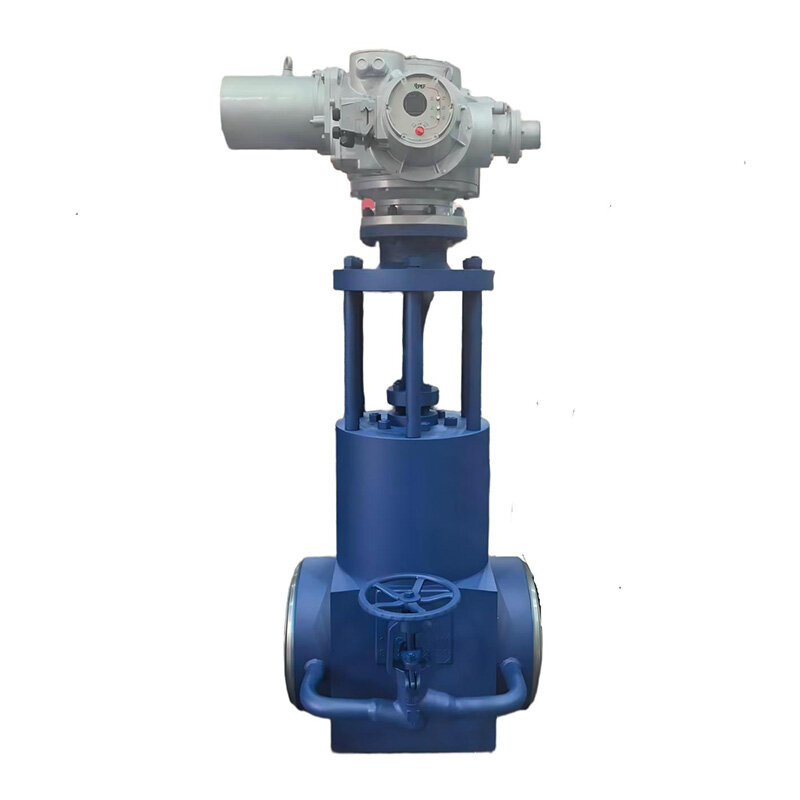
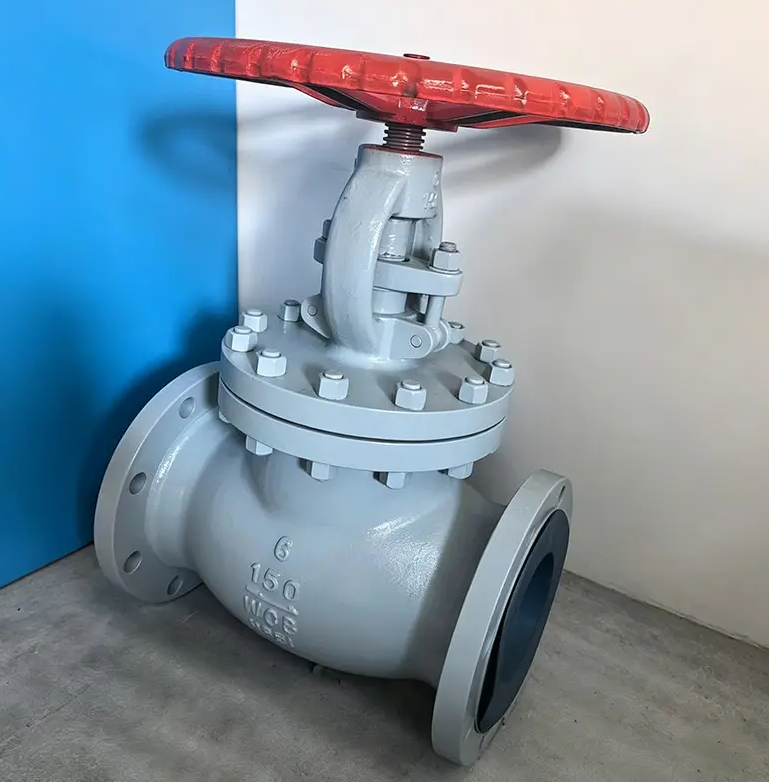
The platform uses a globe valve with a valve body made of copper nickel alloy material, and the valve disc and seat are welded with corrosion-resistant alloy. The valve stem is made of duplex stainless steel and treated with anti-corrosion coating to effectively resist seawater erosion. The flow direction design of the Globe Valve ensures that the sealing pair is evenly stressed when closed, and can quickly cut off the water flow in emergency situations. The fire protection system requires valves to have both remote and local dual operation modes. This batch of Globe Valve is equipped with manual devices and signal feedback mechanisms to facilitate real-time monitoring of valve status in the central control room.
After simulating the fire sprinkler test, the valve showed no visible leakage on the sealing surface under high-pressure water flow impact, and the operating torque was stable. API standards have strict requirements for valve pressure resistance and sealing, while allowing users to choose suitable materials according to operating conditions.
The limited space of offshore platforms makes valve maintenance difficult, therefore, the requirements for corrosion resistance and maintenance free are prominent. This successful selection provides a reference for material selection and structural design for the design of similar platforms, and also promotes the deepening of the application of corrosion-resistant materials in the field of marine valves.
Previous:The application effect of API globe valve in high-pressure steam regulation system is significant