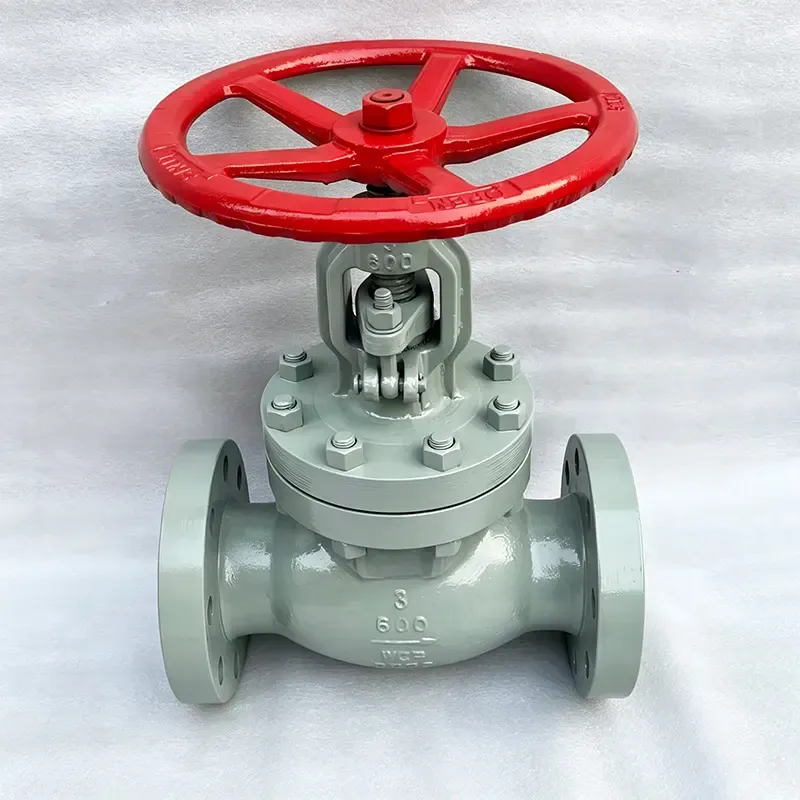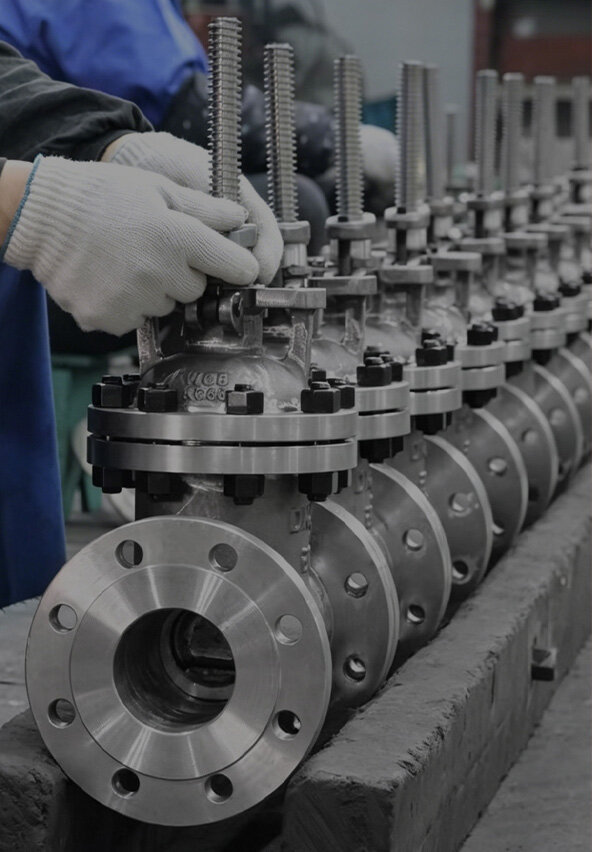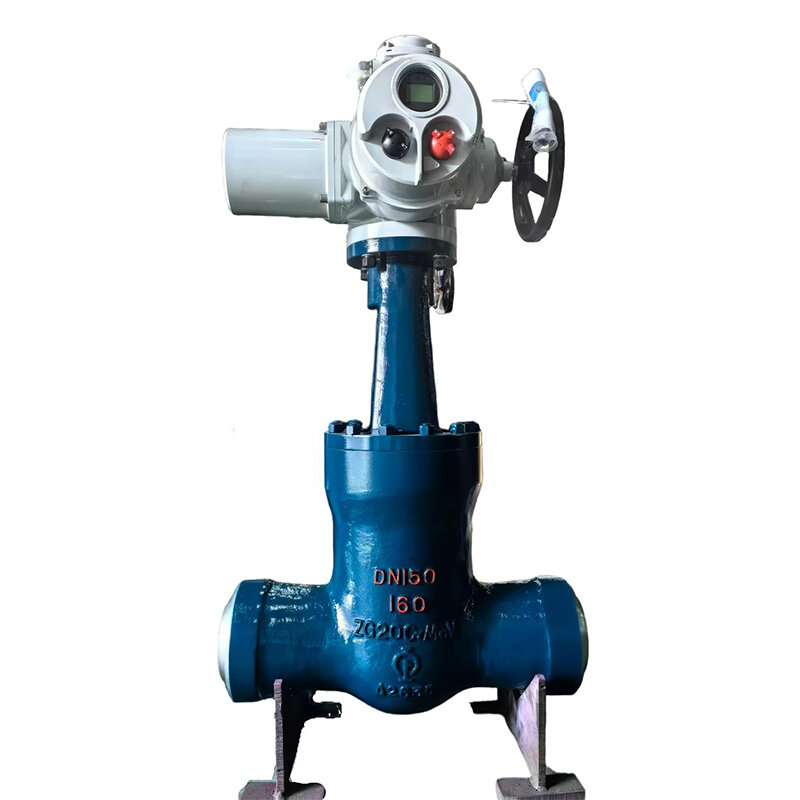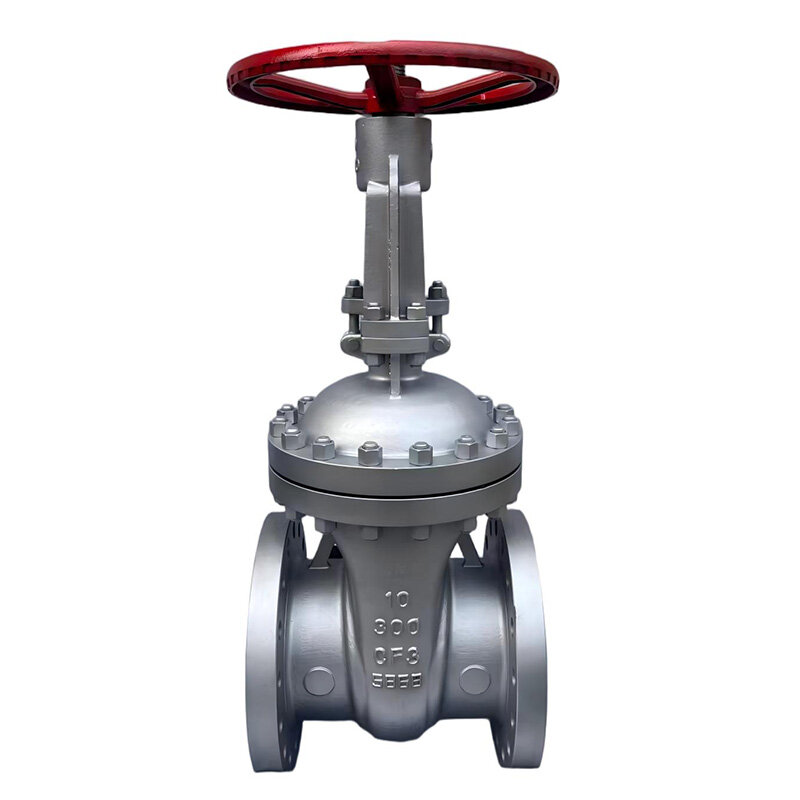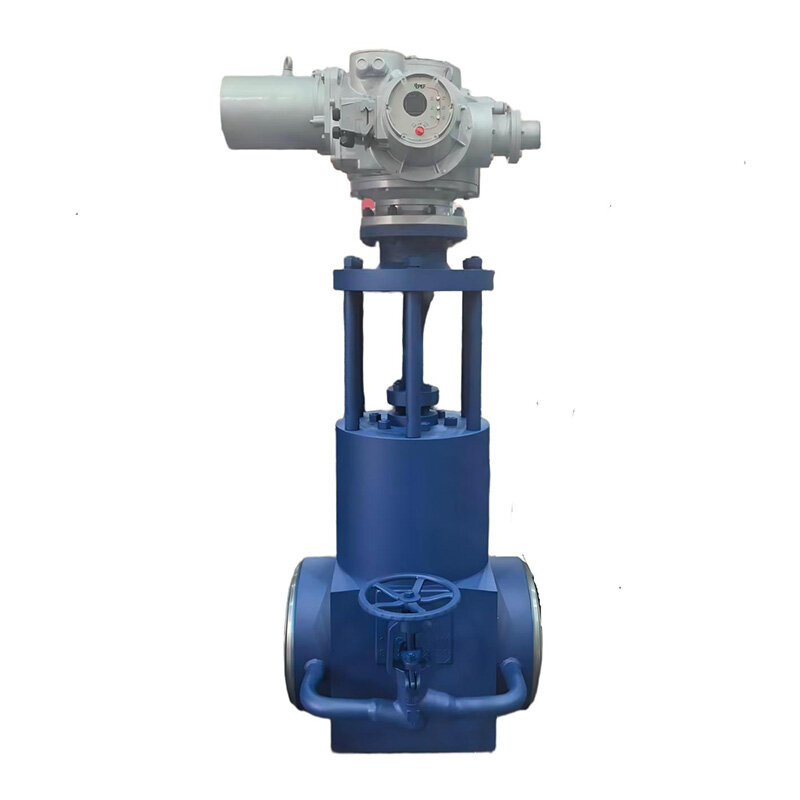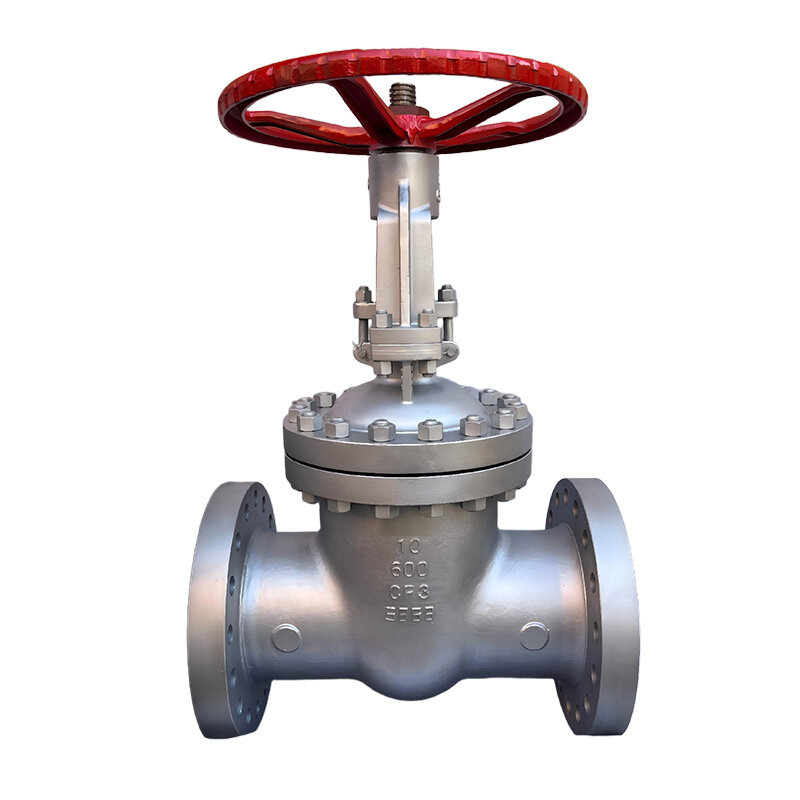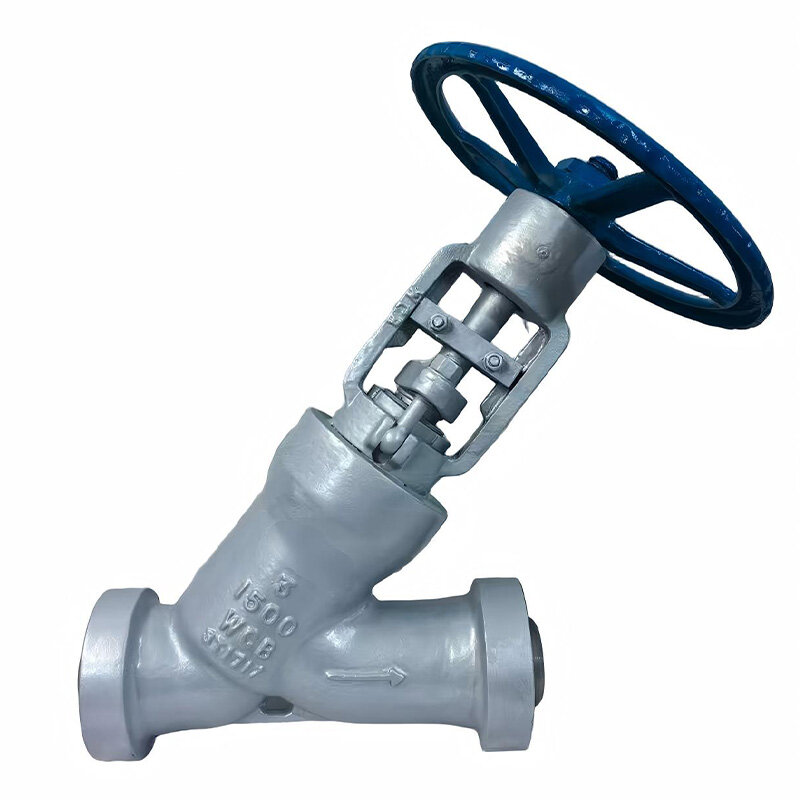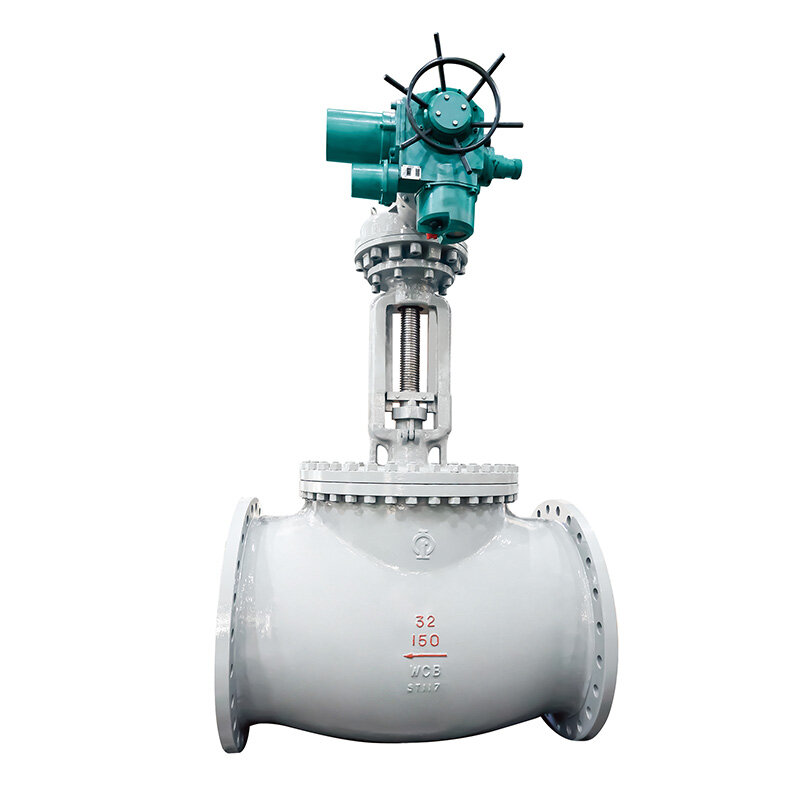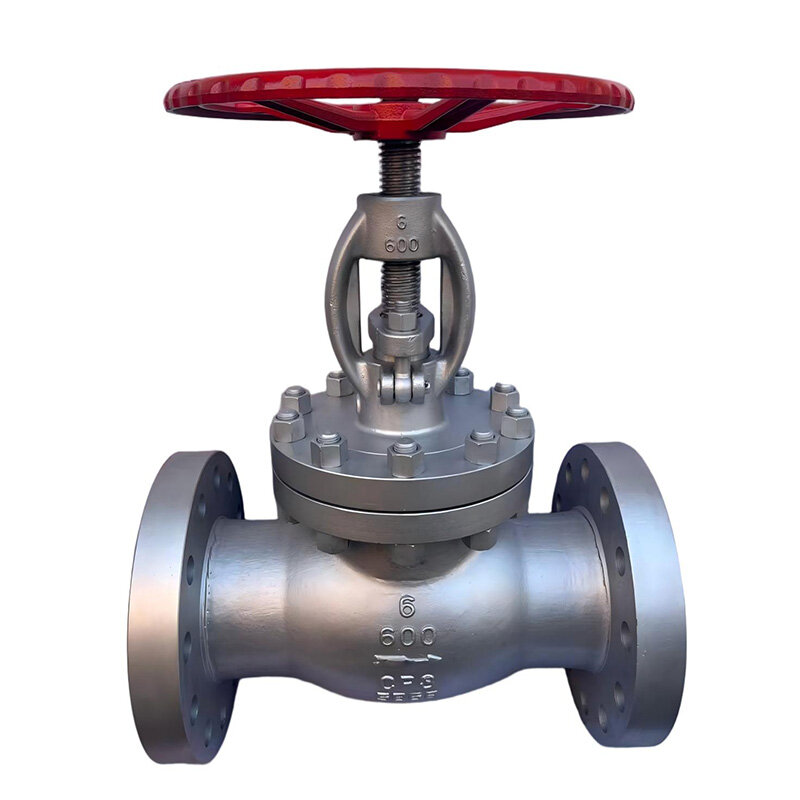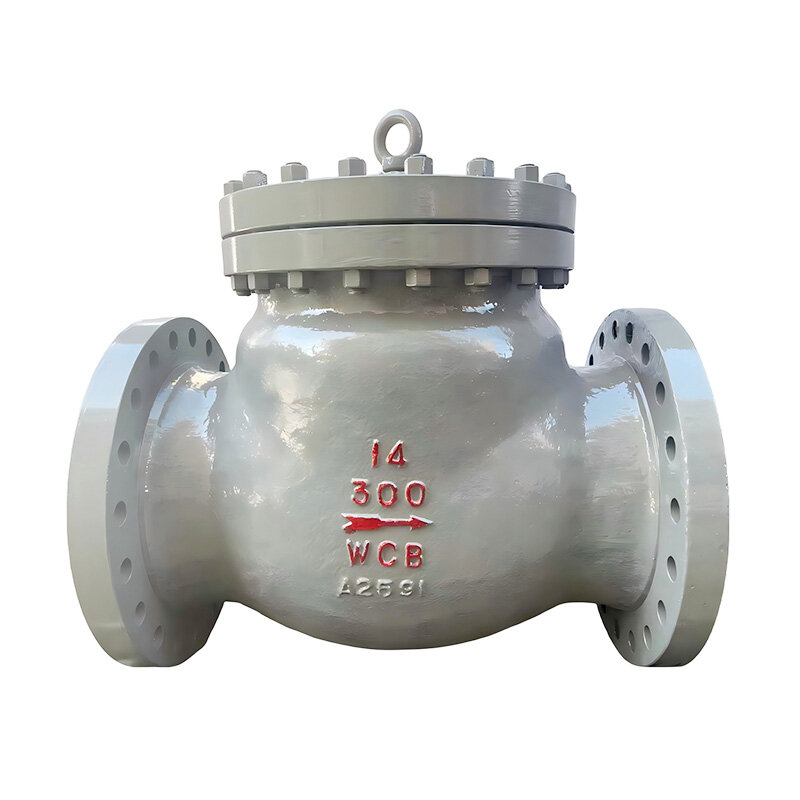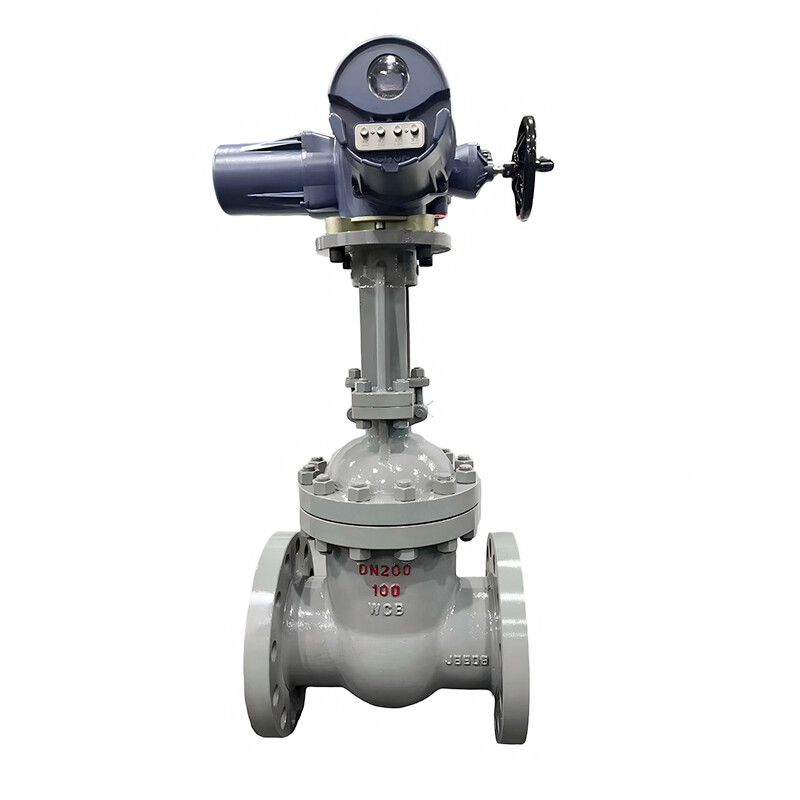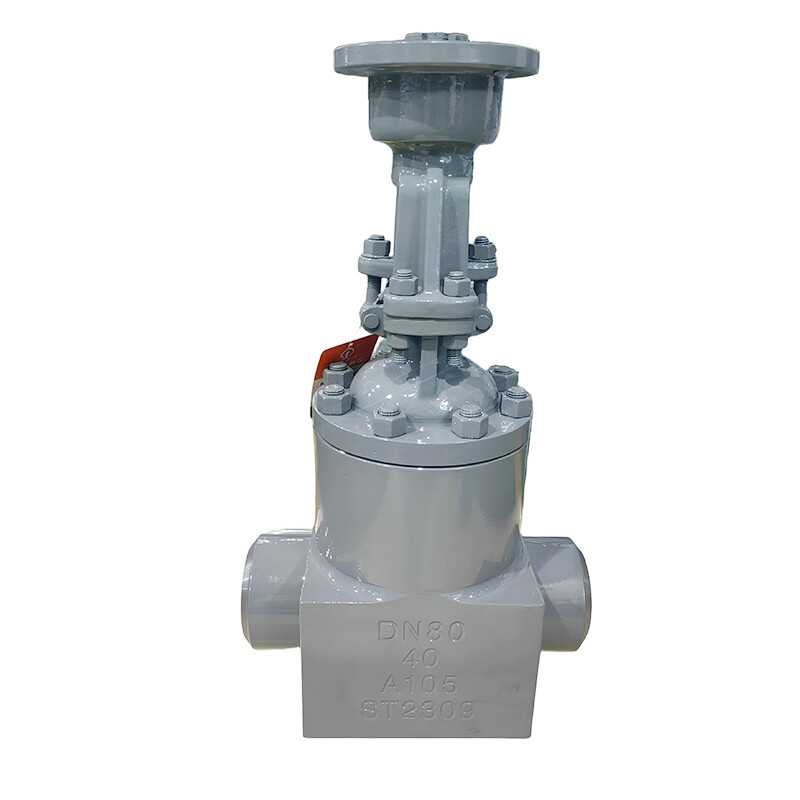
The API globe valve serves the dual functions of flow regulation and cutoff in the high-pressure steam branch line, achieving the expected operational effect of the project.
The output steam pressure of the heating center is high, the temperature fluctuates frequently, and the regulating valve is in a throttling state for a long time, which is prone to erosion and cavitation. The project party chooses a compact globe valve with a curved flow channel, which generates controllable pressure drop when the medium flows through. It is equipped with replaceable valve discs and seat sealing surfaces for easy online maintenance. The globe valve cover adopts a pressure self tightening structure, which automatically enhances the sealing force as the medium pressure increases, effectively preventing leakage at the valve stem packing.
The operator reported that the torque changes smoothly during the opening and closing process of the valve, and the linearity of the adjustment characteristics is good, which can accurately control the steam flow according to downstream demand. The API standards have clear regulations on the wall thickness, connection end size, and high-pressure sealing test of globe valves, providing technical basis for high-pressure steam conditions. The follow-up plan of the park is to promote the experience of using this batch of valves to other chemical plants, further optimizing steam balance scheduling.
Globe valves have natural advantages in situations that require frequent adjustment. Their sealing surfaces are not easily affected by medium erosion and are easy to maintain, making them widely used in fields such as thermal power and petrochemicals.
This successful practice demonstrates that globe valves that comply with API standards are capable of handling high-pressure steam regulation tasks and effectively improving system operational efficiency.