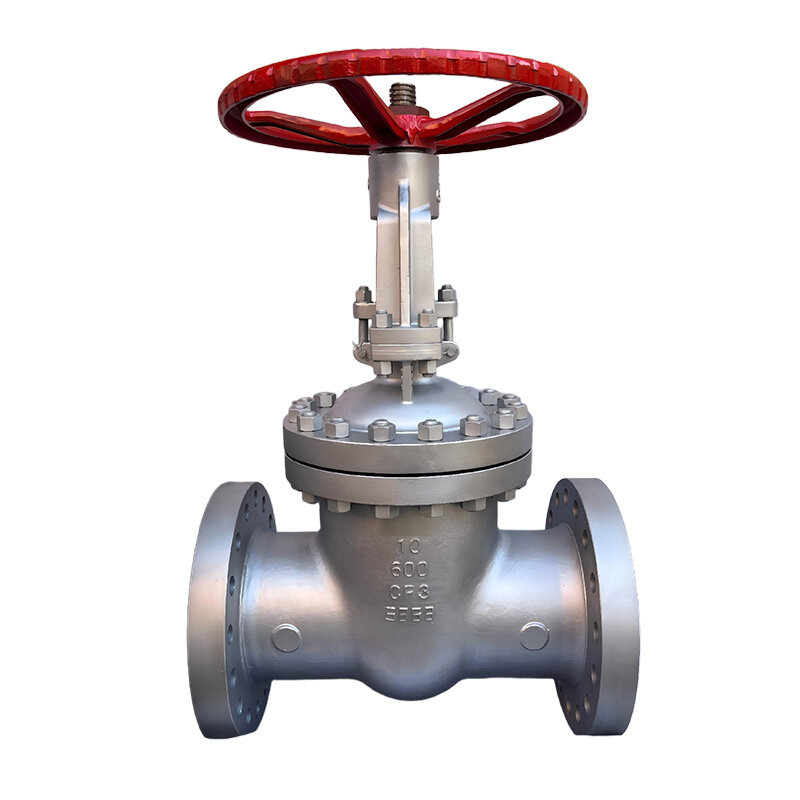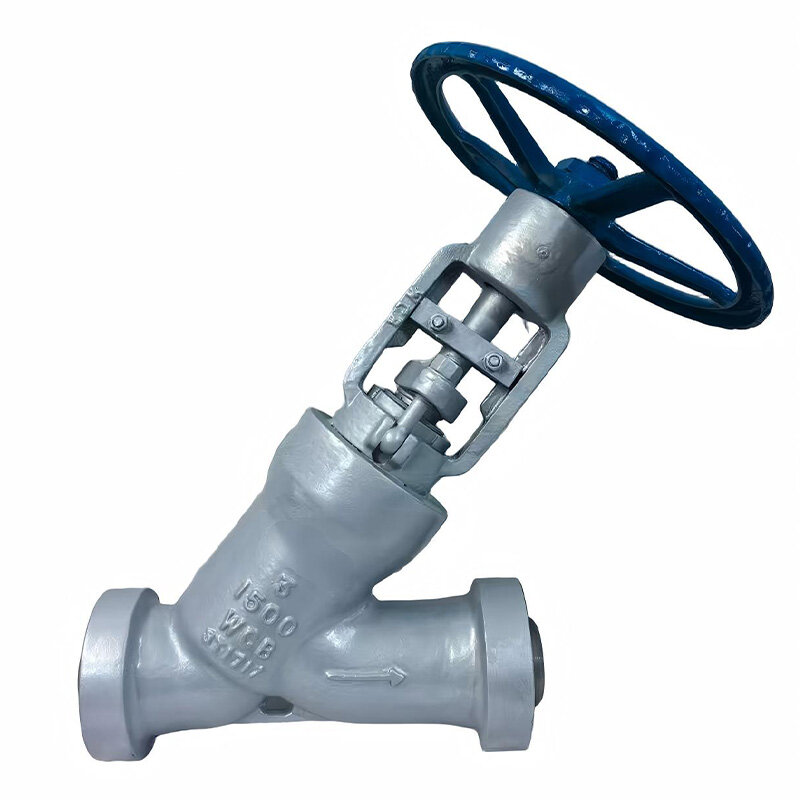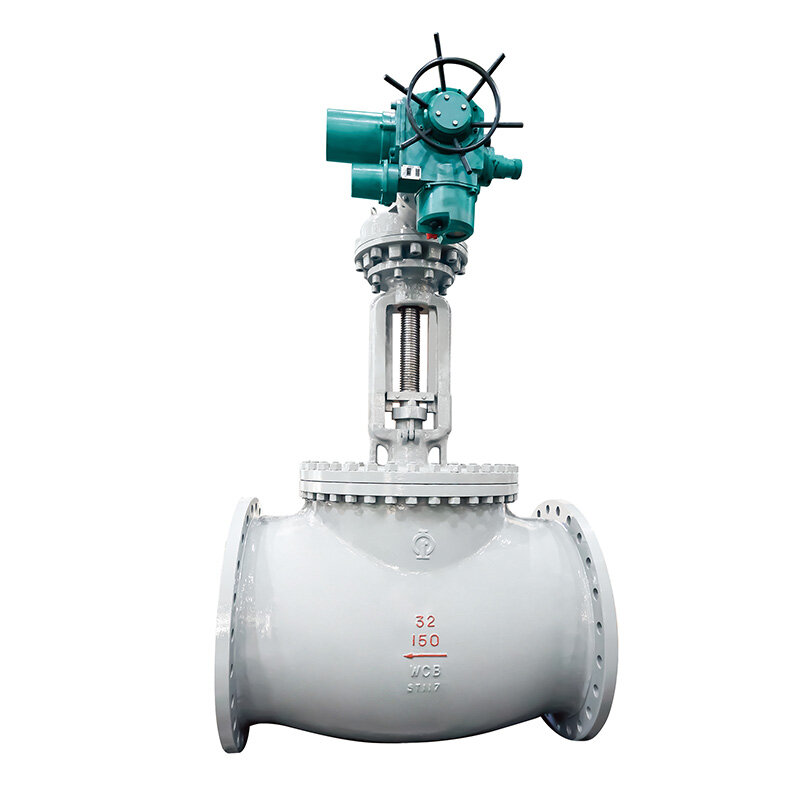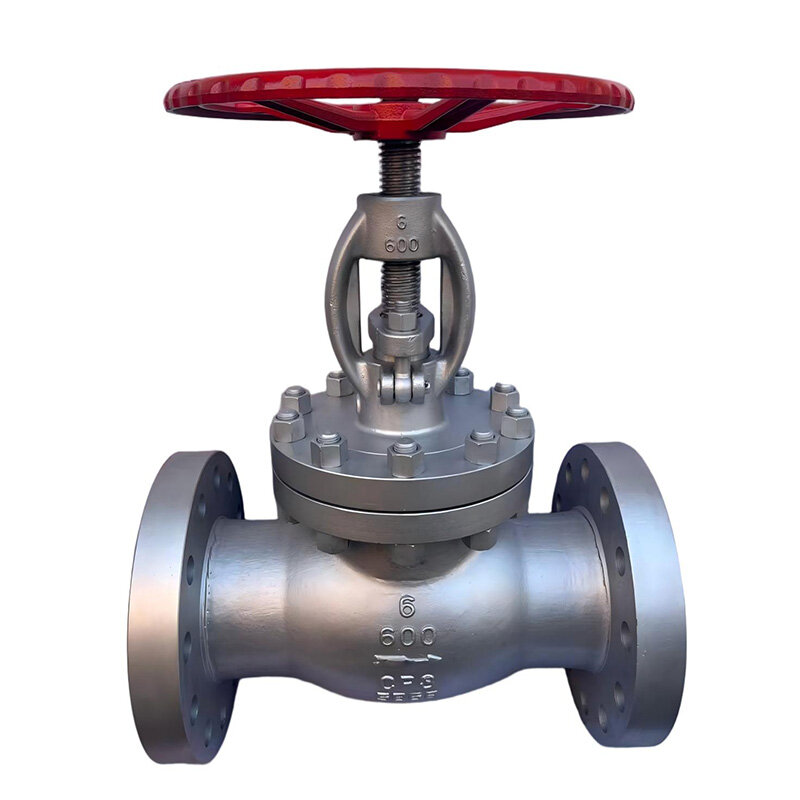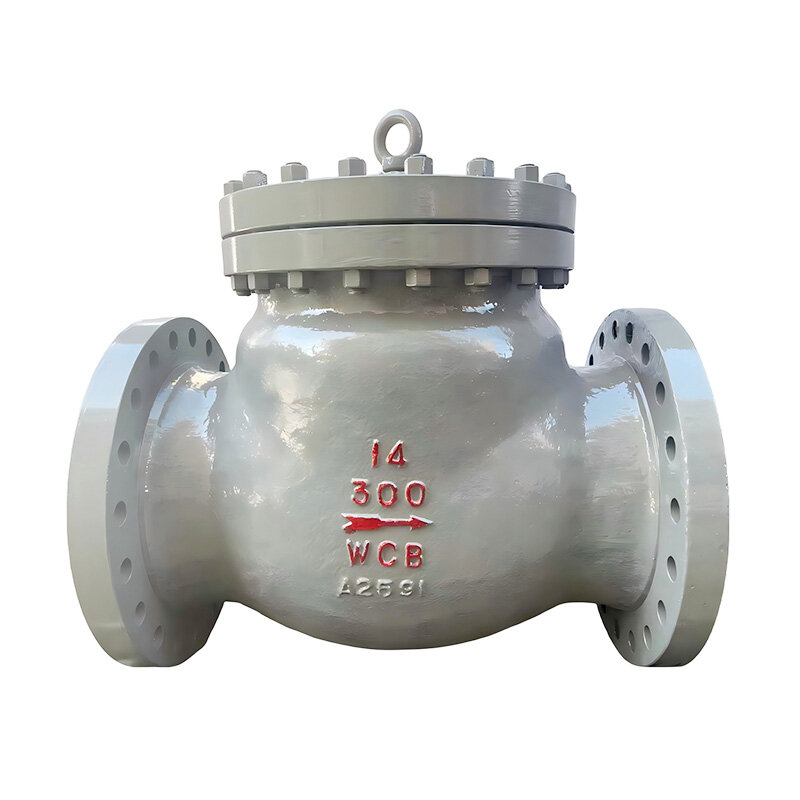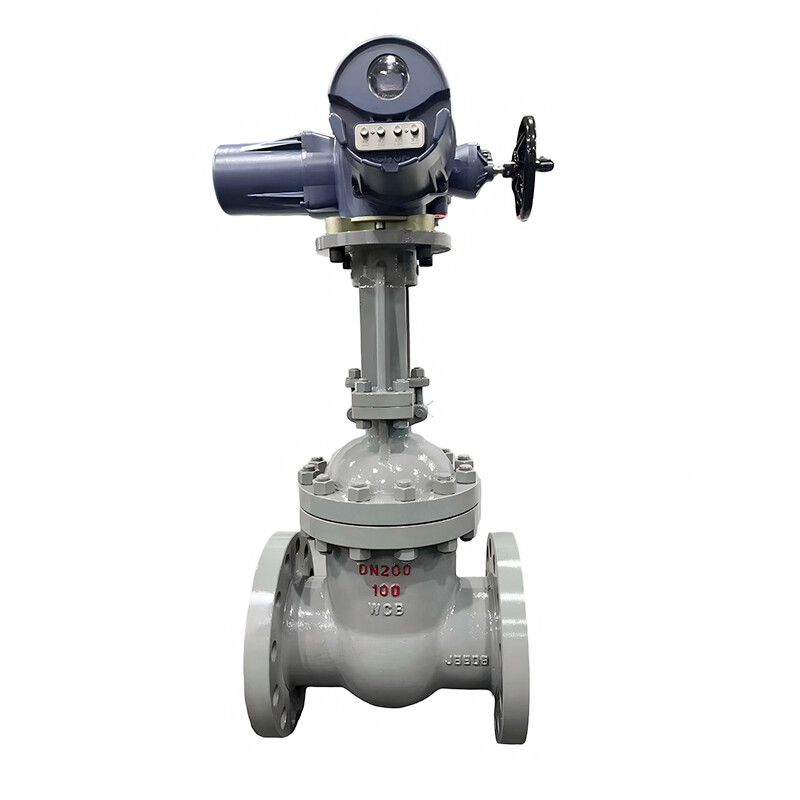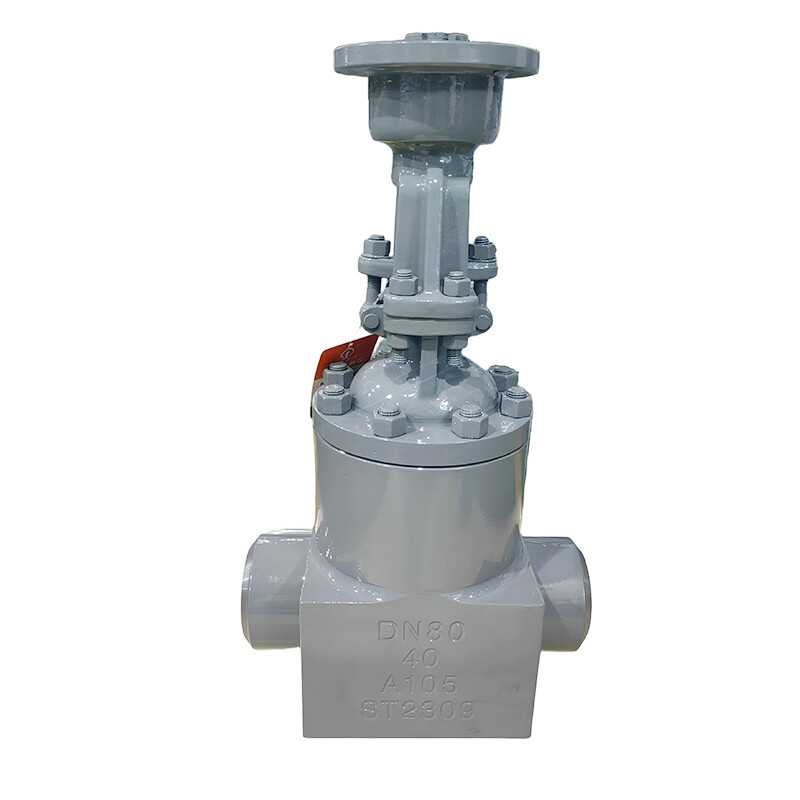
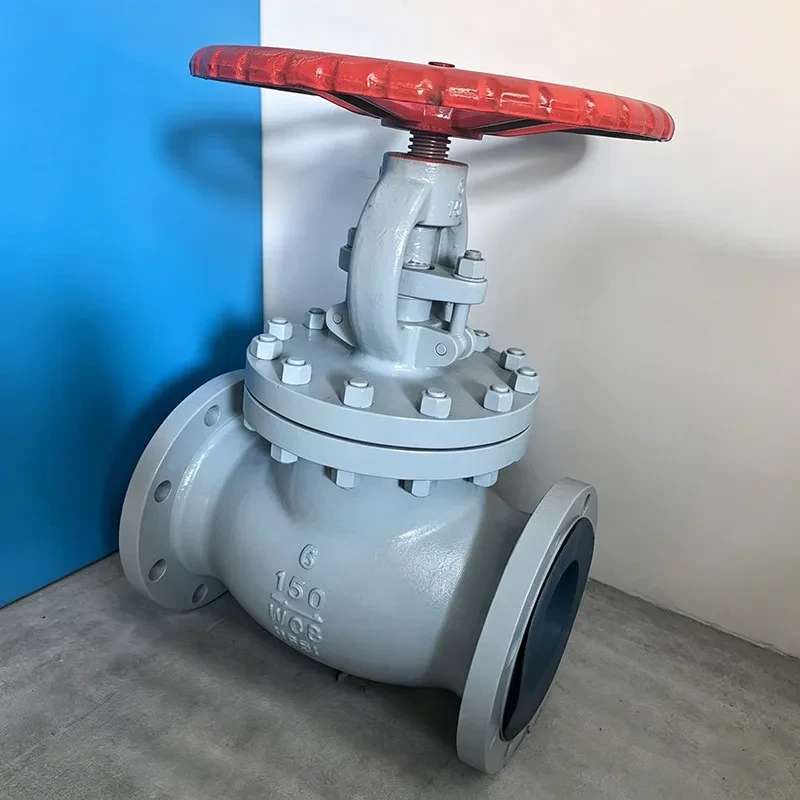
API globe valves are industrial valves manufactured in accordance with American Petroleum Institute (API) standards and are widely used in sectors such as petrochemicals, natural gas, power generation, and metallurgy. Their design and manufacture primarily adhere to international standards such as API 623, BS 1873, and ANSI B16.34.
API 623 serves as the core specification for these valves, outlining requirements for heavy-duty, bolted-bonnet steel globe valves used in refineries and related applications; they are designed for demanding service conditions—involving corrosion or erosion—that require thick-walled sections and large stem diameters. Face-to-face dimensions comply with ANSI B16.10, flange connections follow ANSI B16.5, and butt-weld end dimensions adhere to ANSI B16.25. Testing and inspection are conducted in strict accordance with API 598.
Regarding materials, valve bodies are available in carbon steel (ASTM A216 WCB), stainless steel (304/316), and alloy steel. Stems are manufactured from ASTM A182 F6a alloy steel, while sealing surfaces utilize 13Cr hard alloy and cobalt-based hardfacing materials. The sealing surfaces feature either a conical or flat design, and the valves support various connection methods, including flanged and butt-weld connections.
API globe valves offer a wide performance range: operating temperatures span from -196°C to 700°C, pressure ratings range from Class 150 to Class 2500, and nominal sizes extend from DN15 to DN2000. Shell strength test pressures vary by rating—ranging from 3.1 MPa for Class 150 to as high as 64.6 MPa for Class 2500. This comprehensive standardization and broad performance capability enable API globe valves to meet the requirements of diverse industrial applications, ranging from standard operations to extremely harsh conditions.
Previous:A Comprehensive Overview of API 600 Gate Valve Structural Features and Industry Applications
Next:Comprehensive Guide to API Globe Valve Structural Types and Industry Applications