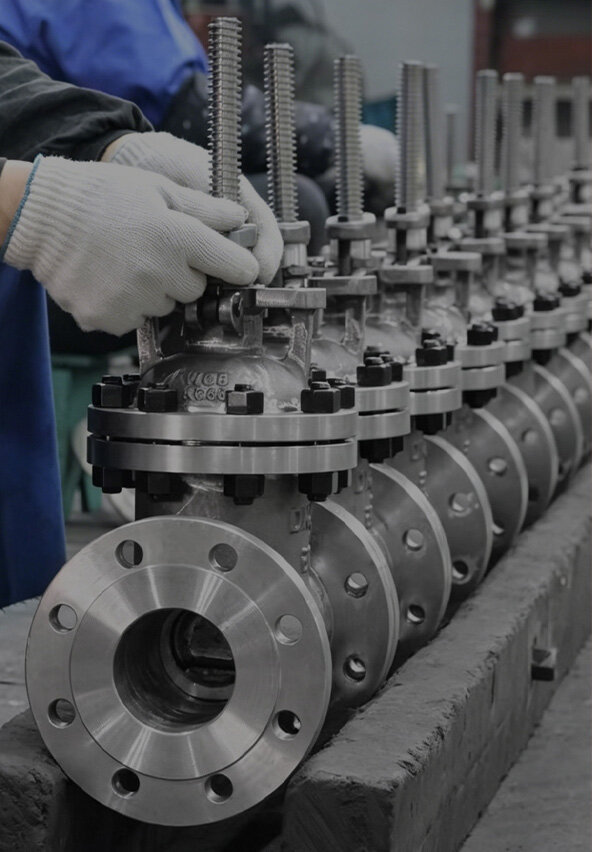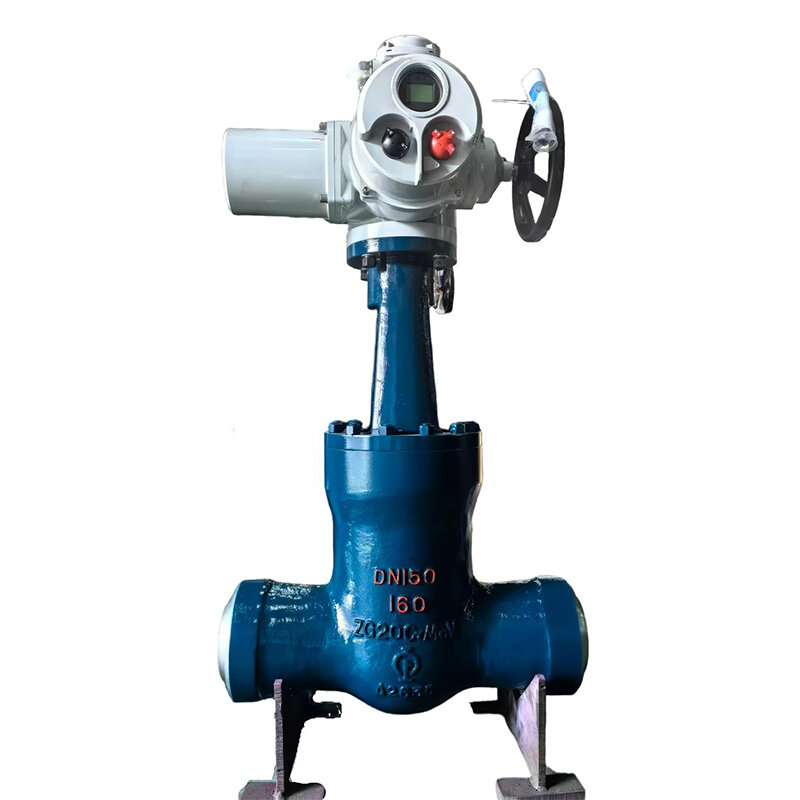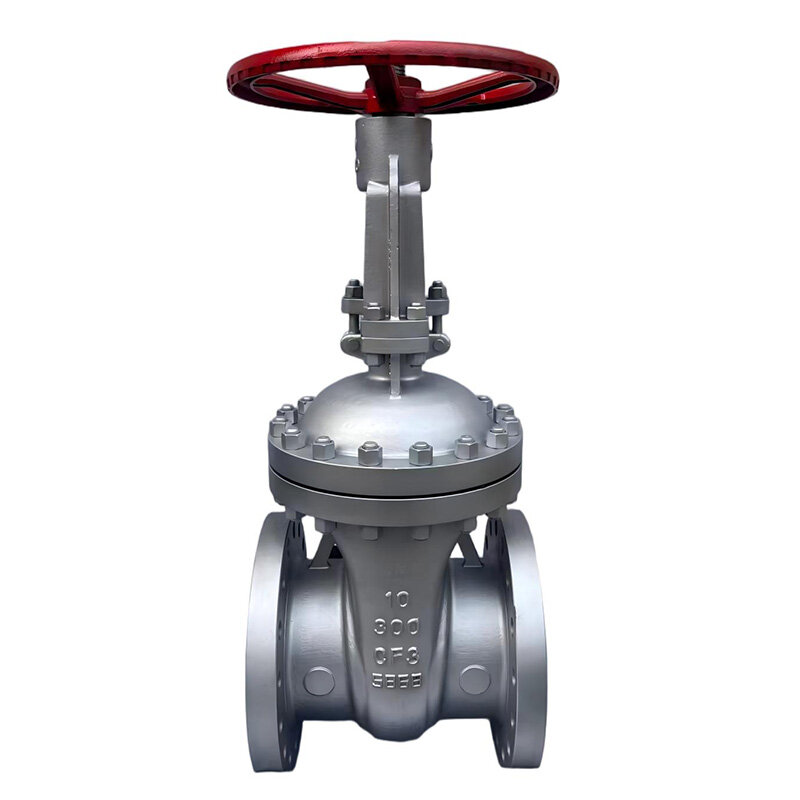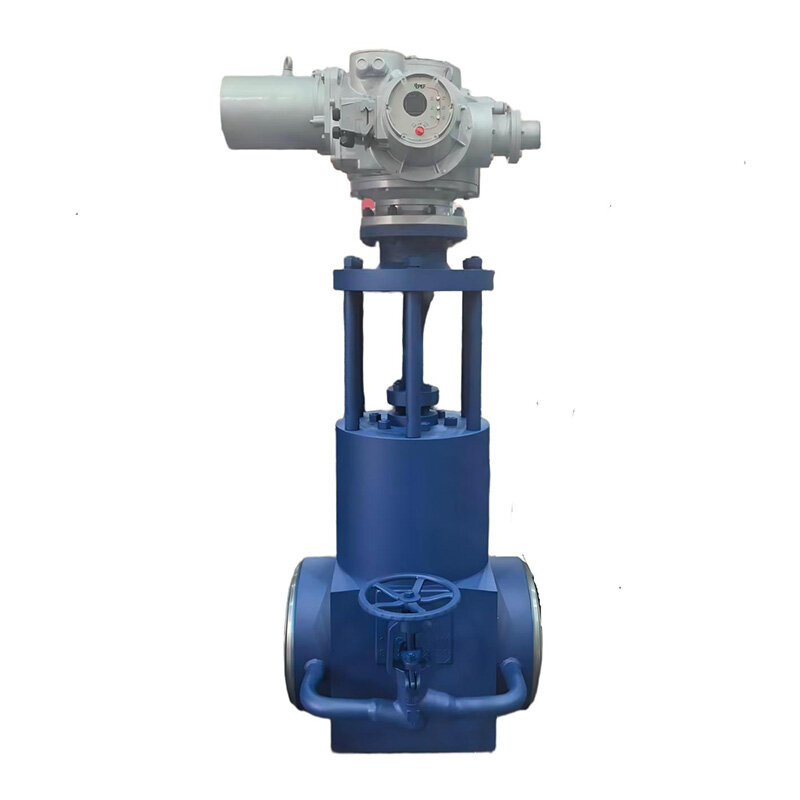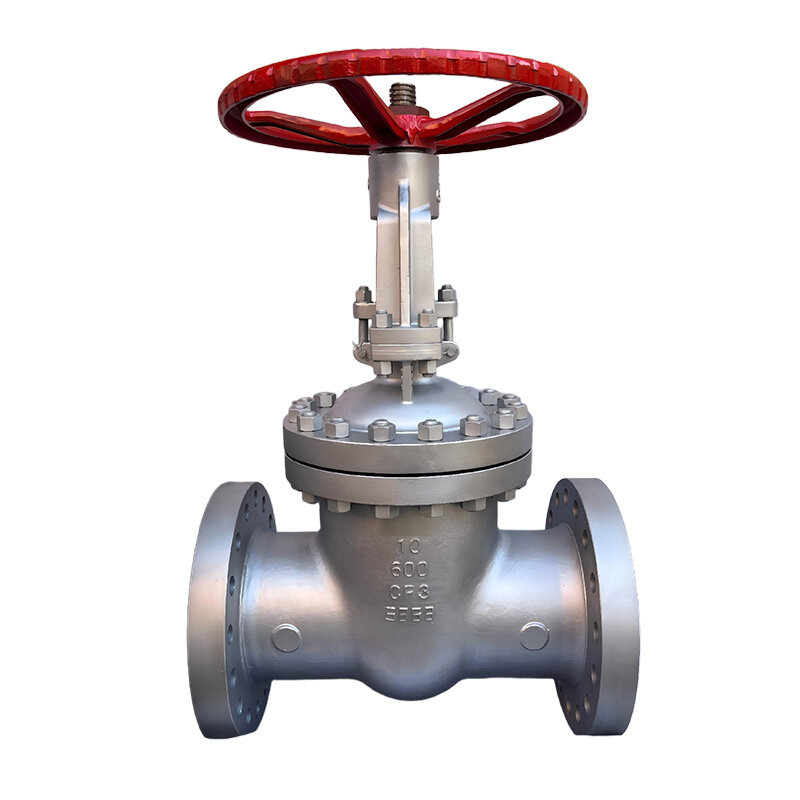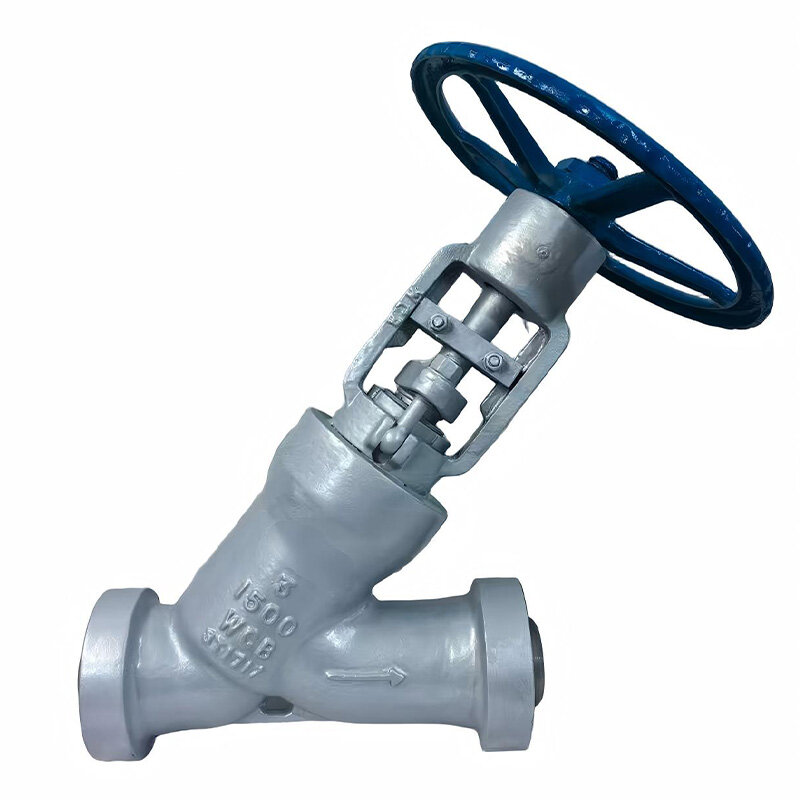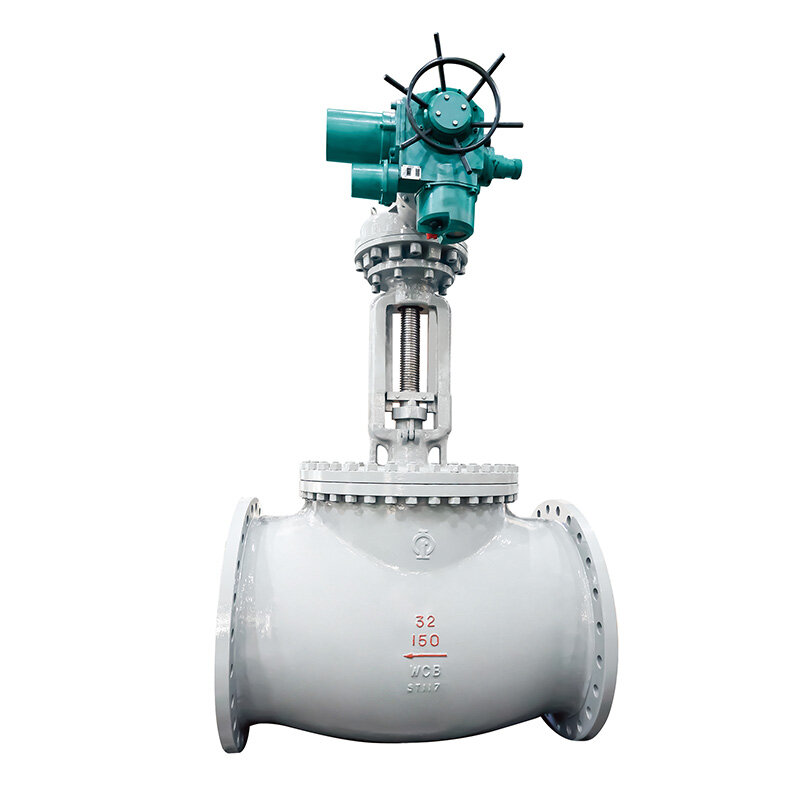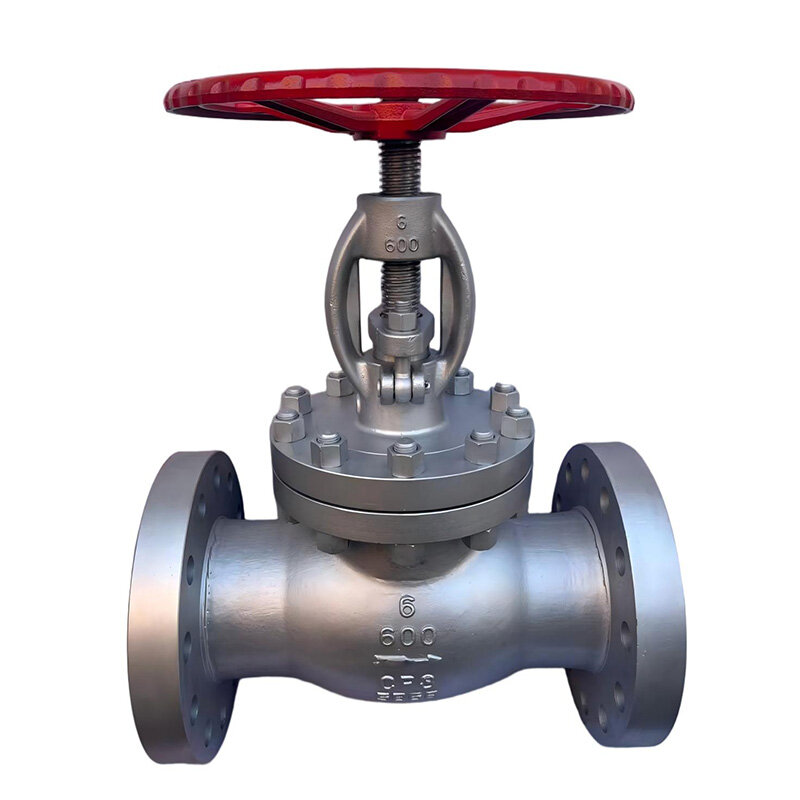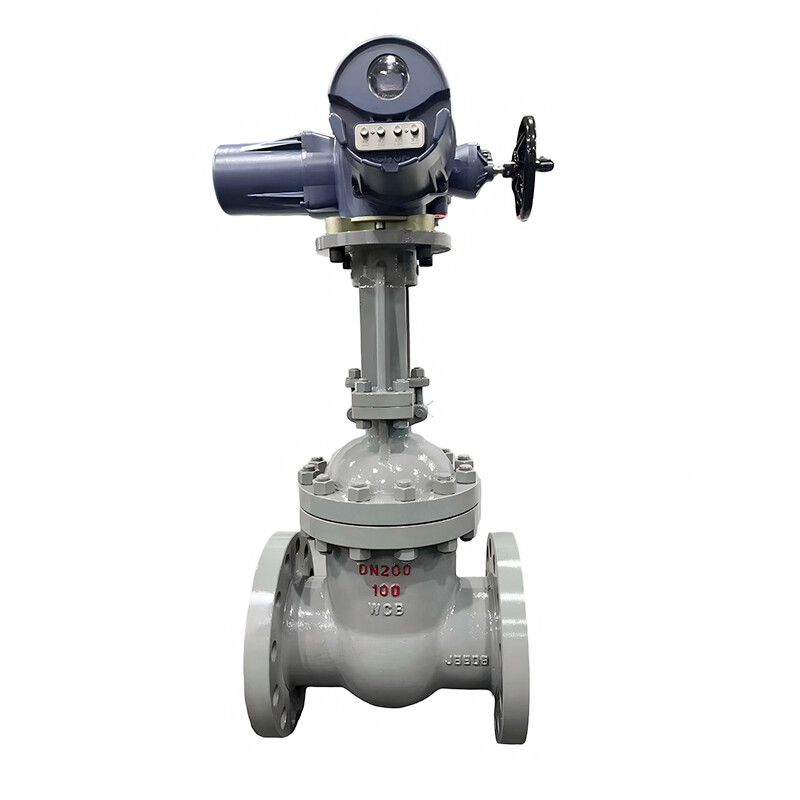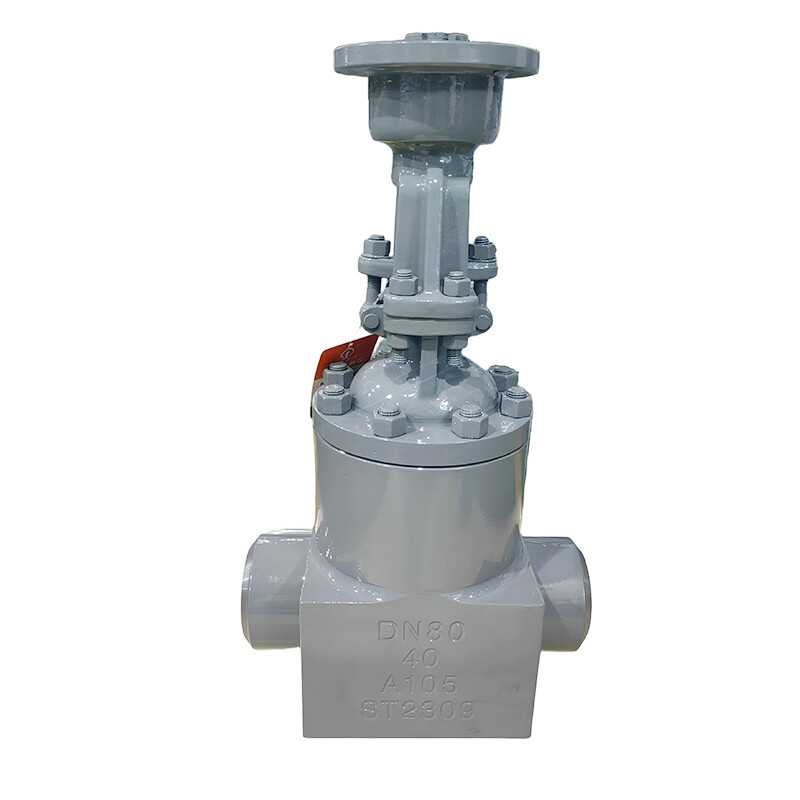
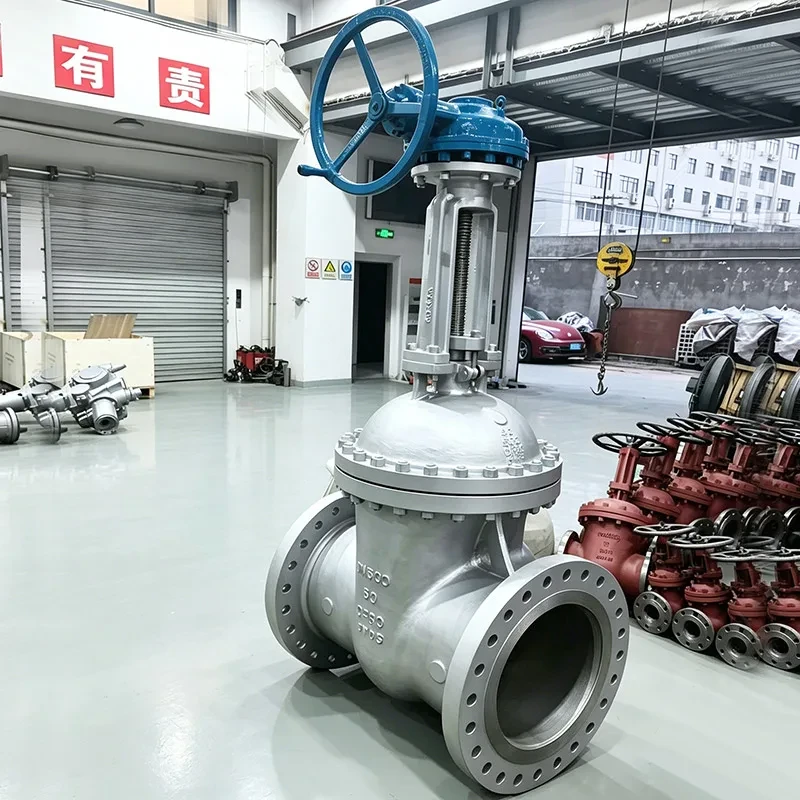
API 600 gate valves utilize a gate as the opening and closing element; the gate moves perpendicular to the direction of fluid flow. These valves are designed solely for fully open or fully closed operation and are not suitable for flow regulation. Their core advantages include low fluid resistance and excellent bidirectional flow capabilities.
Regarding gate structure, API 600 gate valves fall primarily into two categories: wedge-type and parallel-type. Wedge-type valves feature sealing surfaces inclined at angles ranging from 2°52′ to 10° and come in three configurations: rigid gate, flexible gate, and double gate. Flexible gates can undergo slight deformation to compensate for machining deviations in the sealing surface angles, thereby significantly enhancing sealing performance. Stem designs include rising stem (non-rotating) and non-rising stem (rotating) types; rising stems facilitate lubrication and provide a clear visual indication of the valve's status, whereas non-rising stems are ideal for large-diameter applications where space is limited.
The sealing mechanism of API 600 gate valves relies on a dual-safeguard approach combining self-sealing (driven by medium pressure) and external forced sealing. Some models feature a dual-seat design where a synthetic rubber-to-metal seat provides the primary seal, while a metal-to-metal seal serves as a safety backup, ensuring fire-safe performance. Actuation methods are diverse—including manual, gear-driven, electric, and pneumatic options—to meet operational requirements across various working conditions.
In terms of application, API 600 gate valves are suitable for pipelines in sectors such as petroleum, chemicals, and thermal power plants, covering ANSI Class ratings from 150 to 2500 and operating temperatures below 600°C. Compatible media include water, oil products, and steam. They are particularly widely used in the petroleum industry, chemical plants, and thermal power stations. It is worth noting that while both API 600 and API 6D standards apply to pipeline valves, API 600 focuses on high-end gate valve requirements for demanding process units (such as those in refineries), whereas API 6D is suited for general long-distance transmission pipelines. This distinction imposes higher reliability requirements on API 600 gate valves under extreme operating conditions compared to standard valves. Thanks to their robust construction, reliable sealing, and broad applicability, API 600 gate valves have become the mainstream choice for isolating and connecting media in industrial piping systems.
Previous:Analysis of API 600 Gate Valve Standards and Technical Essentials
Next:Detailed Explanation of API Globe Valve Standards and Technical Specifications