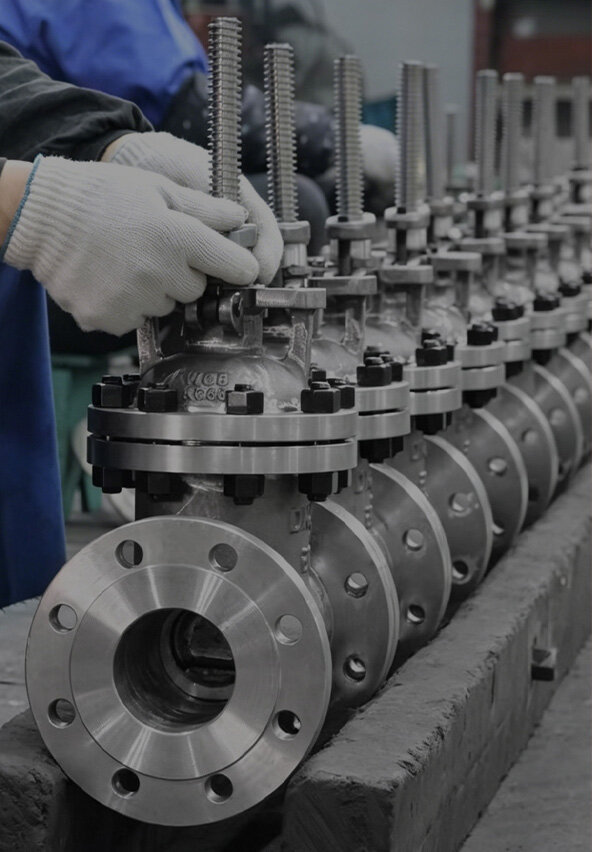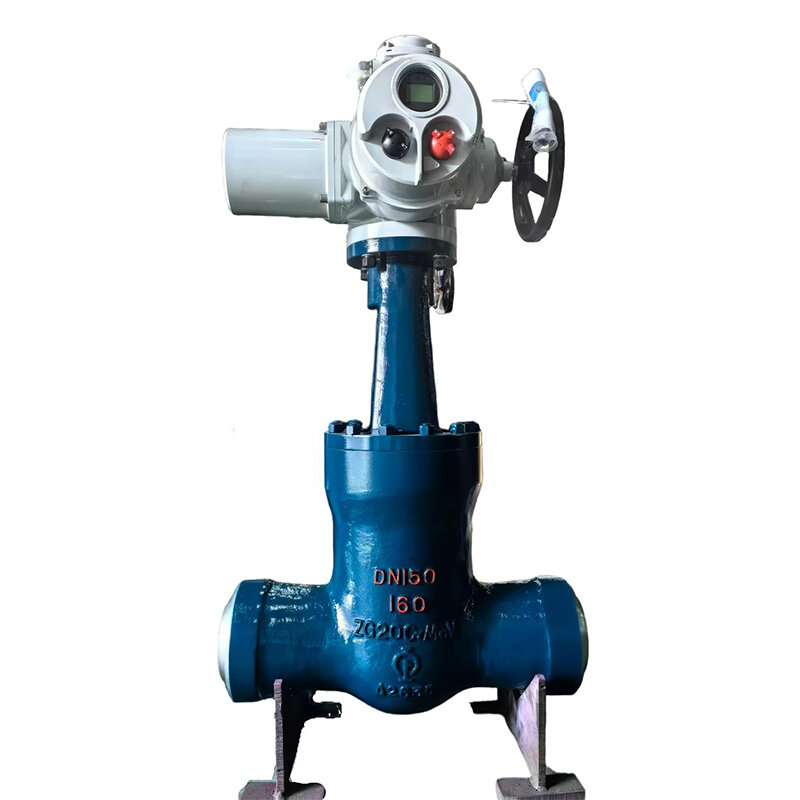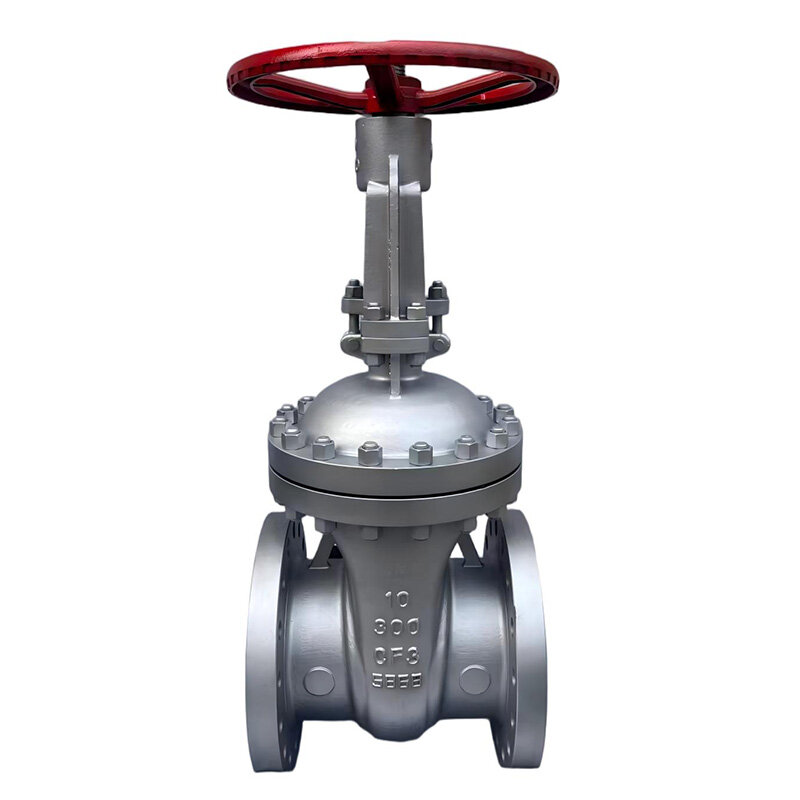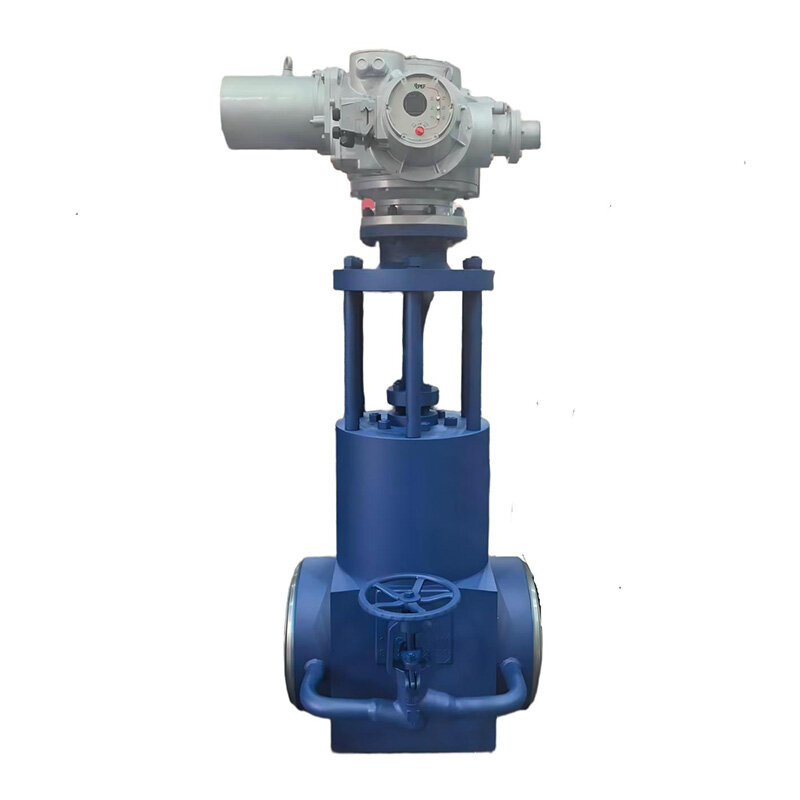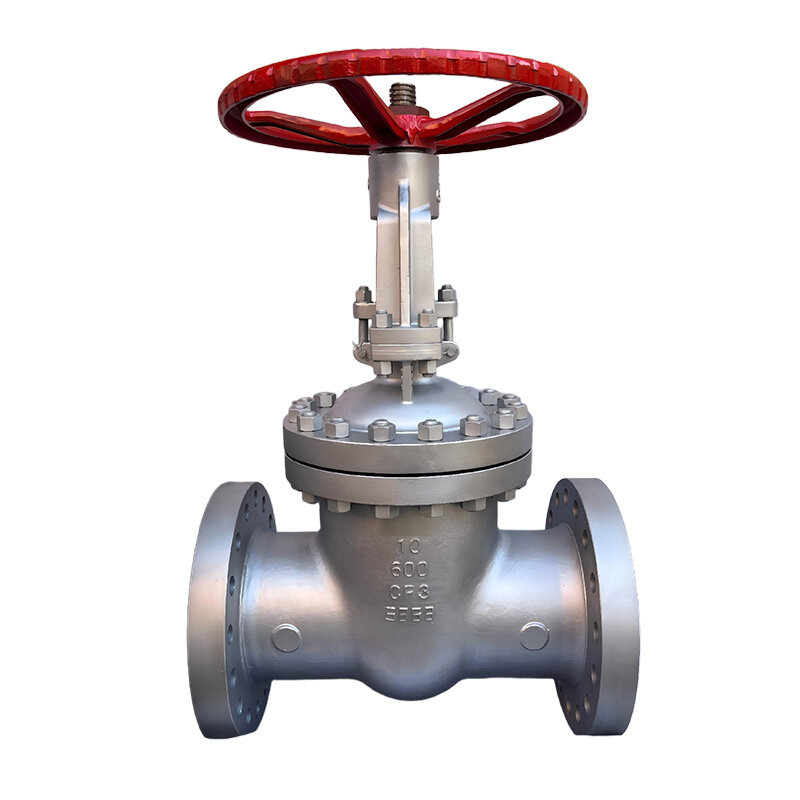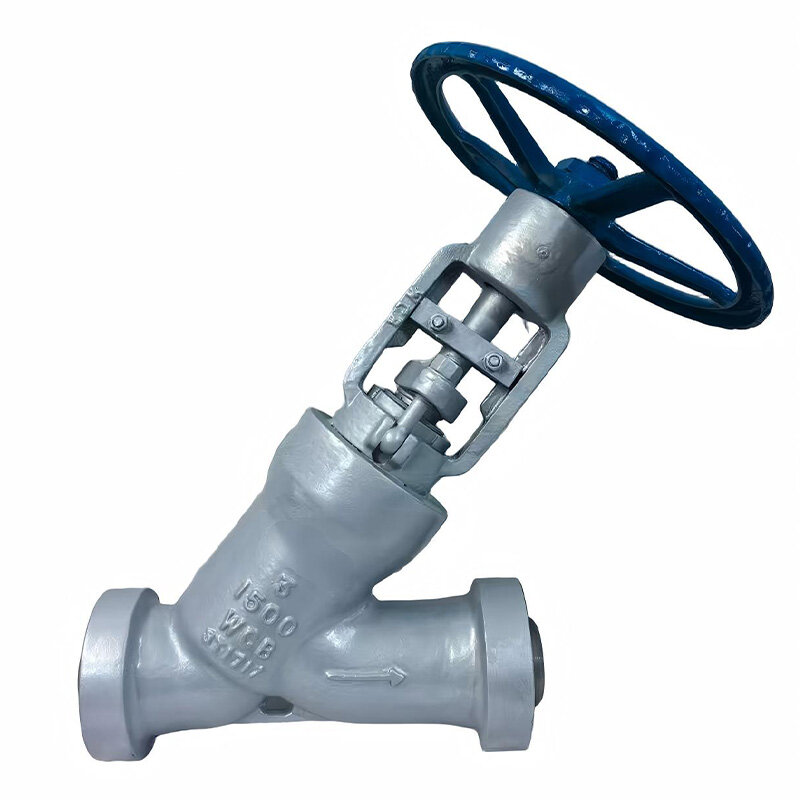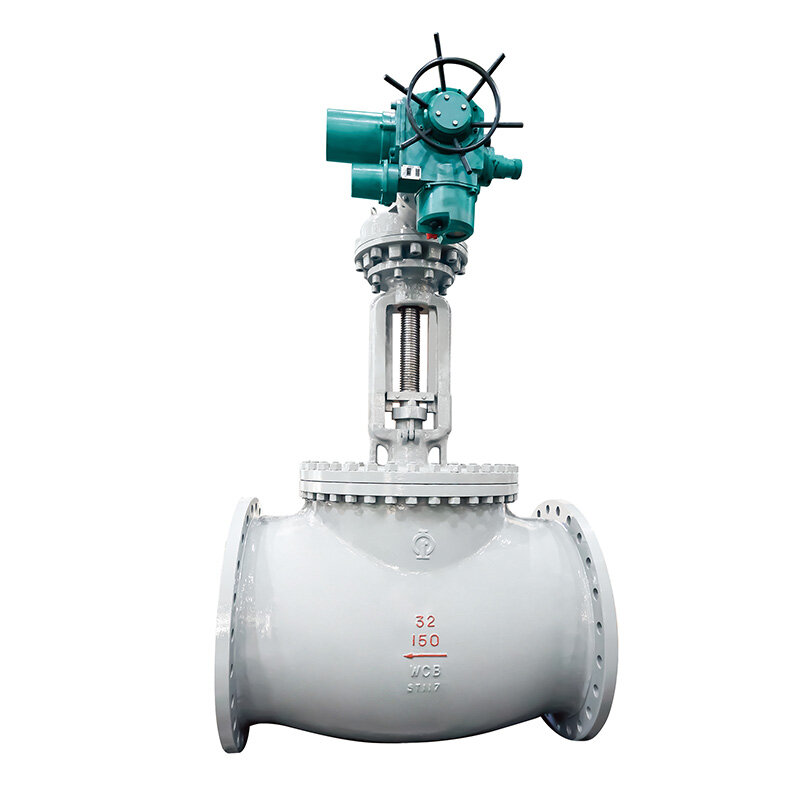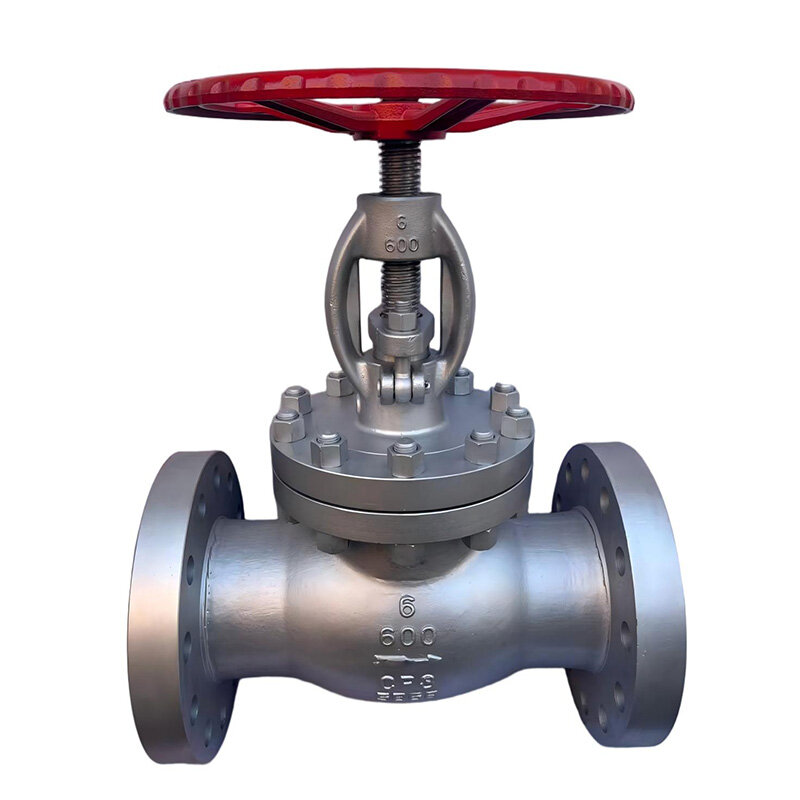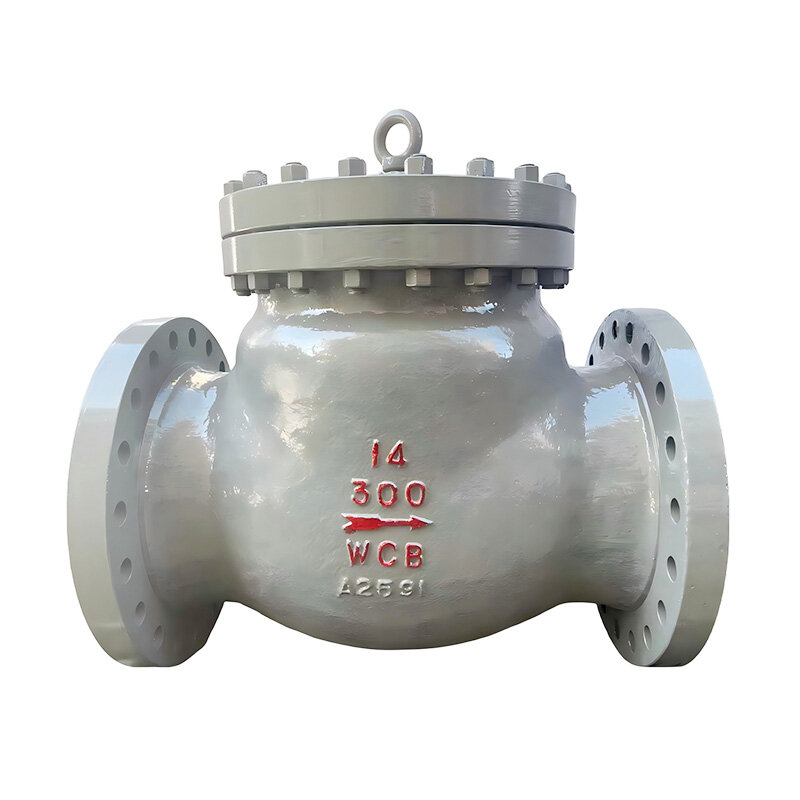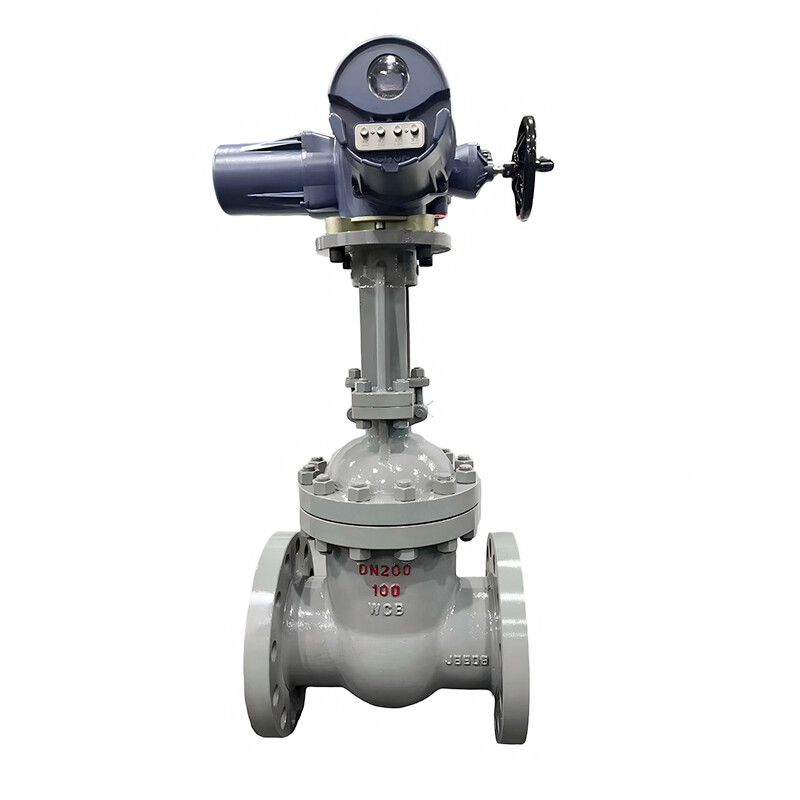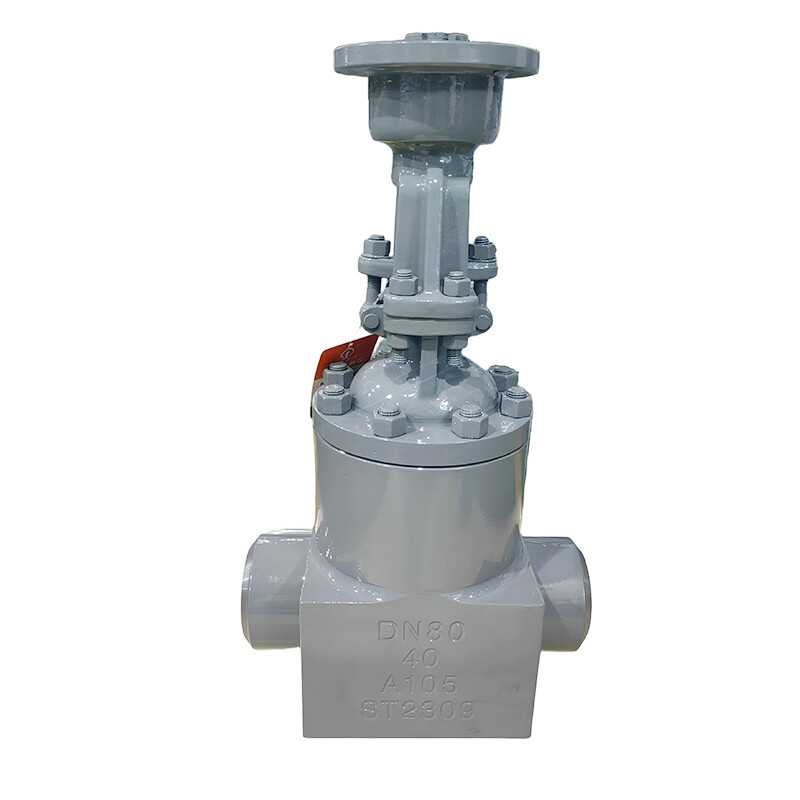
The API 600 gate valve is one of the most widely used standards for steel gate valves in global oil refining and related industries. The API 600 standard establishes over 20 core technical requirements for flanged steel gate valves ranging from Class 150 to Class 2500 in pressure rating and NPS 2 to NPS 48 in nominal size.
API 600 gate valve designs encompass various configurations, including bolted bonnets, Outside Screw and Yoke (OS&Y) designs, rising stems, single or double gates, wedge or parallel seating surfaces, metal-to-metal sealing, and flanged or butt-weld end connections. Pressure-temperature ratings comply with ANSI B16.34, face-to-face dimensions follow ANSI B16.10, and butt-weld end dimensions adhere to ANSI B16.25 requirements.
Regarding material selection, API 600 categorizes valve body materials according to ASME B16.34 groups and provides detailed trim combination options. A common example is Trim 8, which pairs 13Cr (hardness ≥ 250 HB) with cobalt-based hardfacing alloy (hardness ≥ 350 HB) for seat surfaces. For corrosive service conditions, materials such as 316 stainless steel, Alloy 20, or Alloy 625 (nickel-based alloy) may be specified.
Inspection standards for API 600 gate valves are rigorous. Each valve must undergo shell strength and seat tightness tests in accordance with API 598. Fugitive emission requirements necessitate API 624 type testing. The standard also specifies critical parameters—such as wear travel and maximum stem projection—to ensure reliable shut-off after long-term service. Minimum body wall thickness increases significantly with the pressure class; for a DN100 valve, the thickness is 11.2 mm for Class 150, whereas it reaches 35.8 mm for Class 2500. It is precisely these rigorous requirements for extreme operating conditions that make API 600 gate valves the preferred choice for pipeline isolation and connection in high-temperature, high-pressure environments—such as those found in the petroleum, chemical, and thermal power industries.
Previous:Detailed Overview of API 6D Check Valve Structural Types and Application Scenarios
Next:A Comprehensive Overview of API 600 Gate Valve Structural Features and Industry Applications