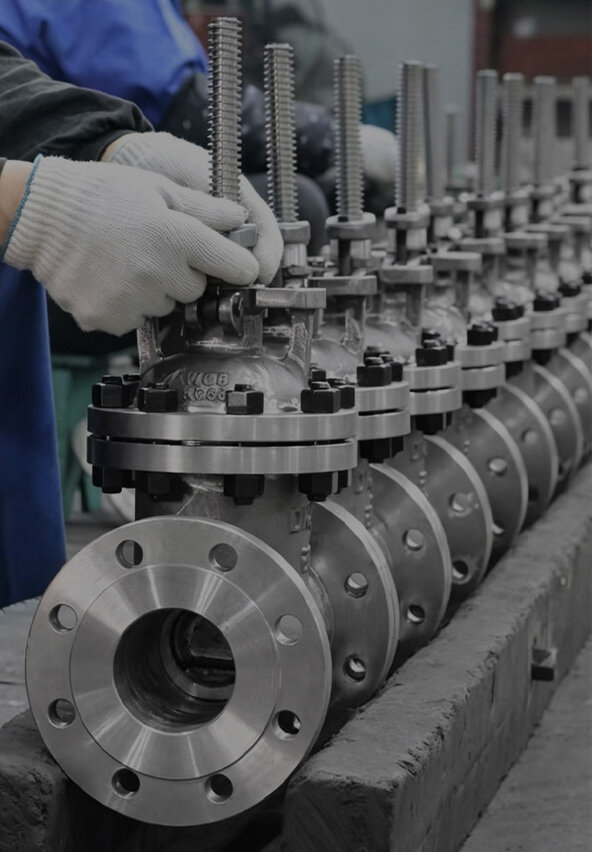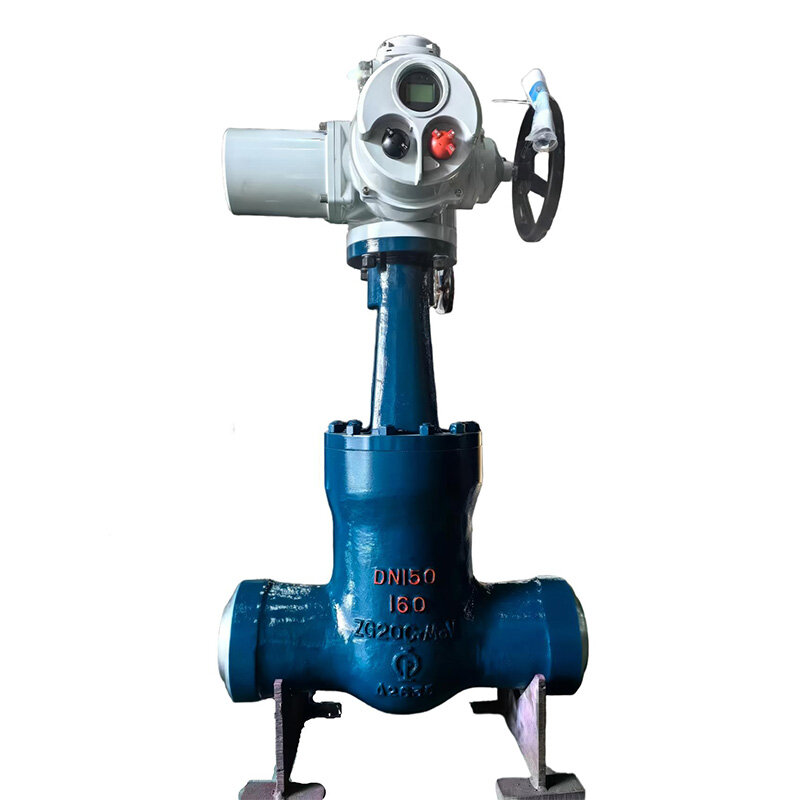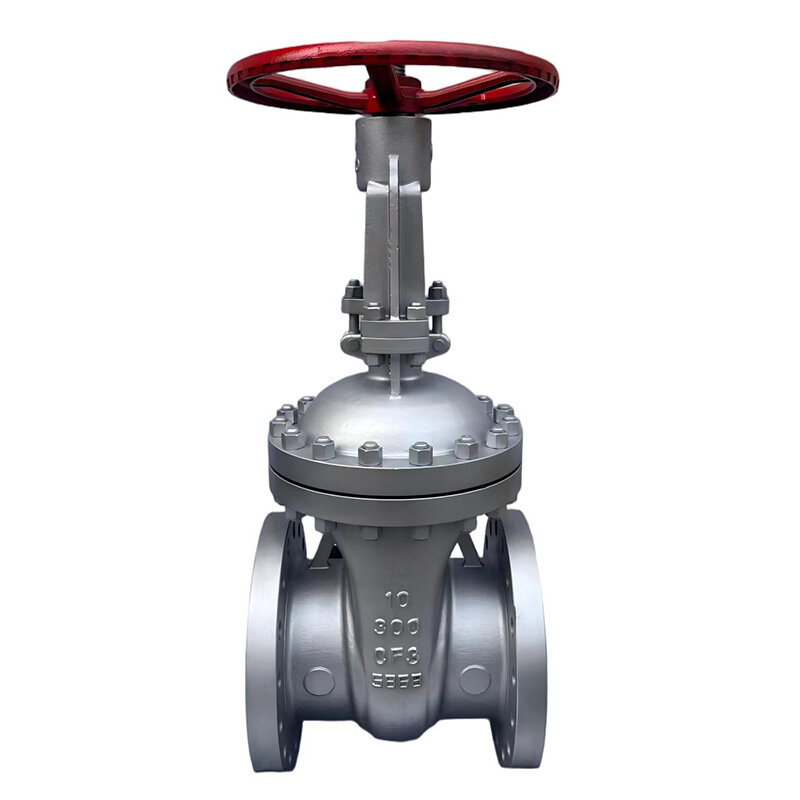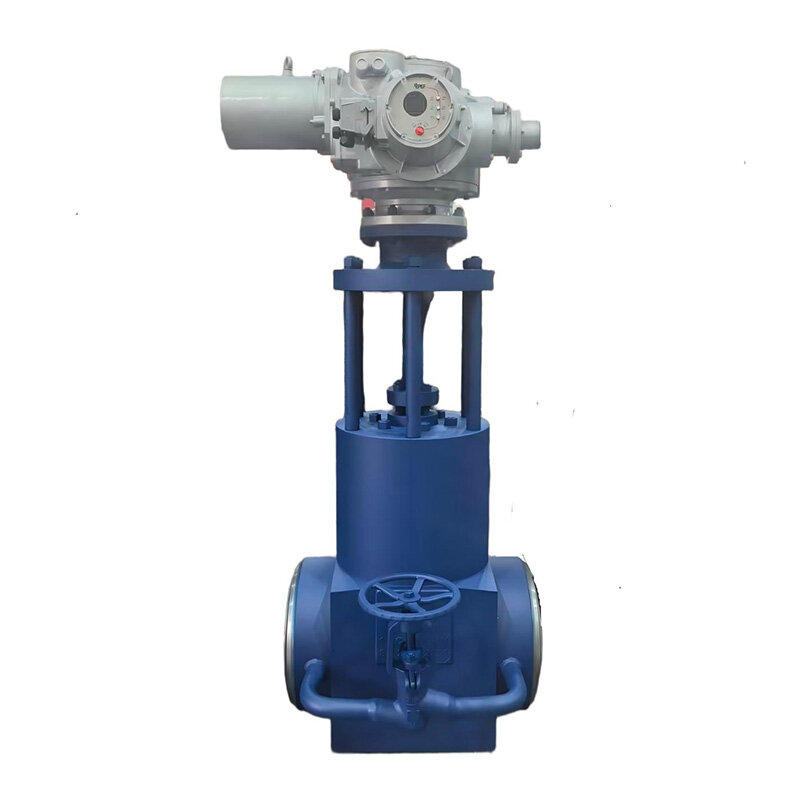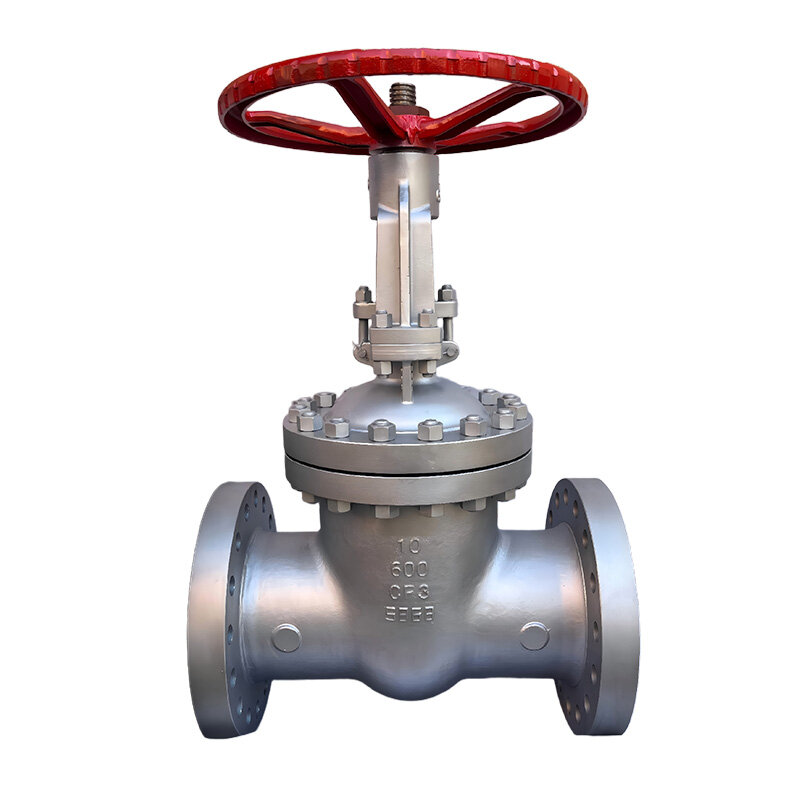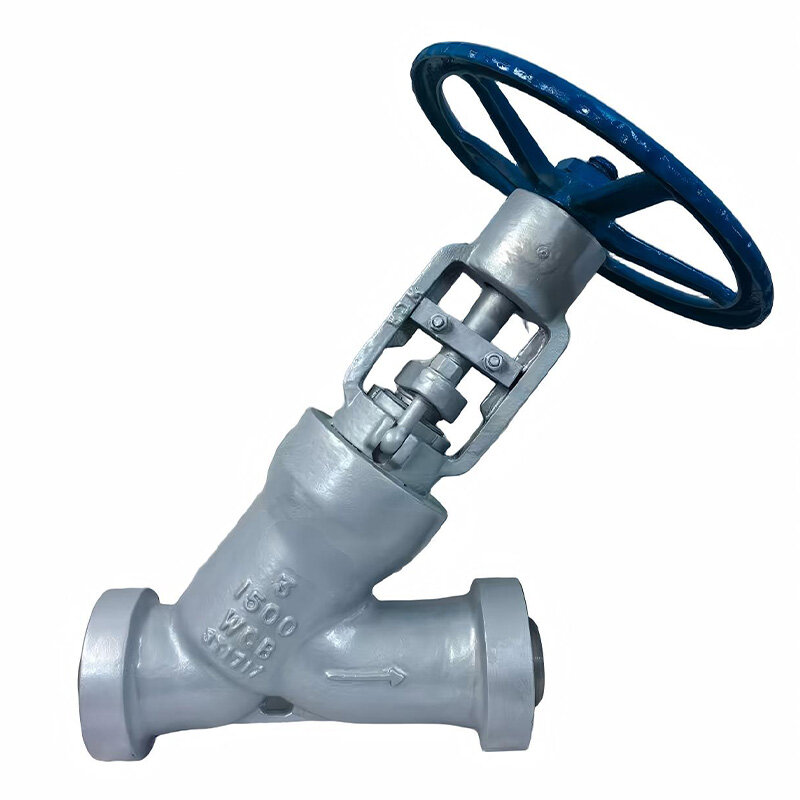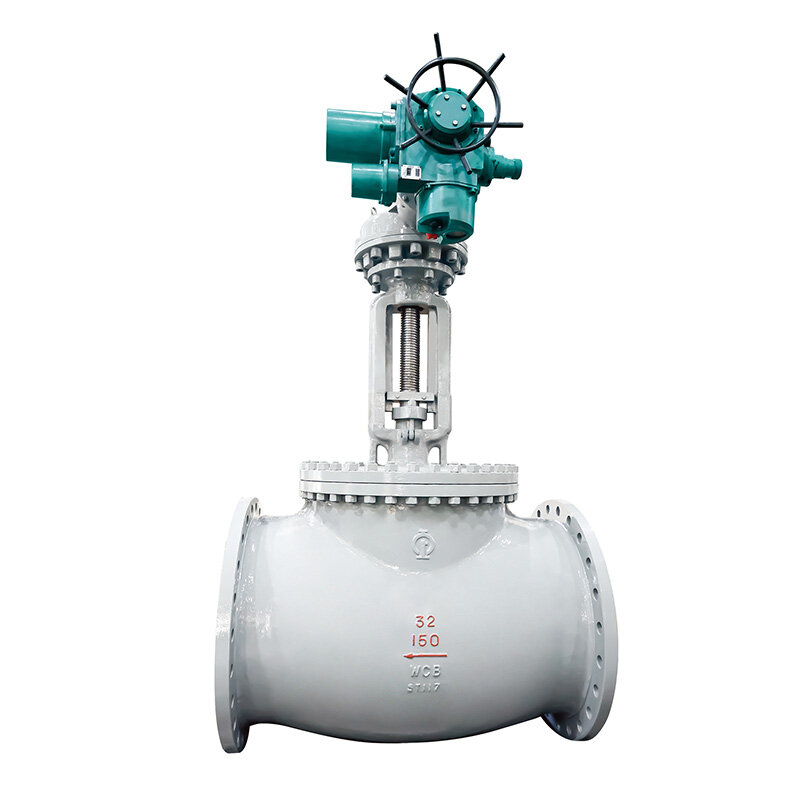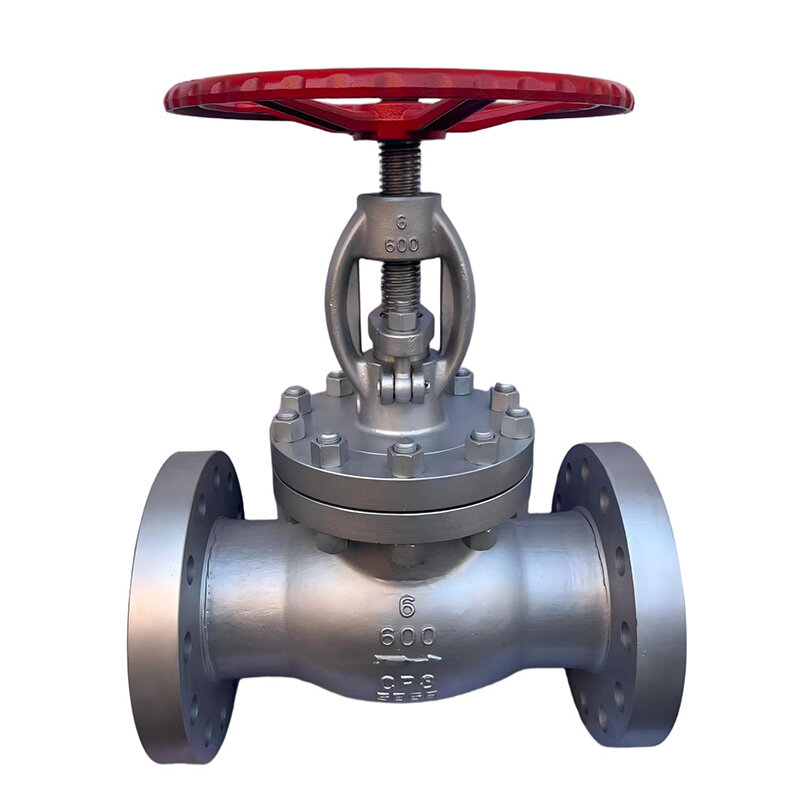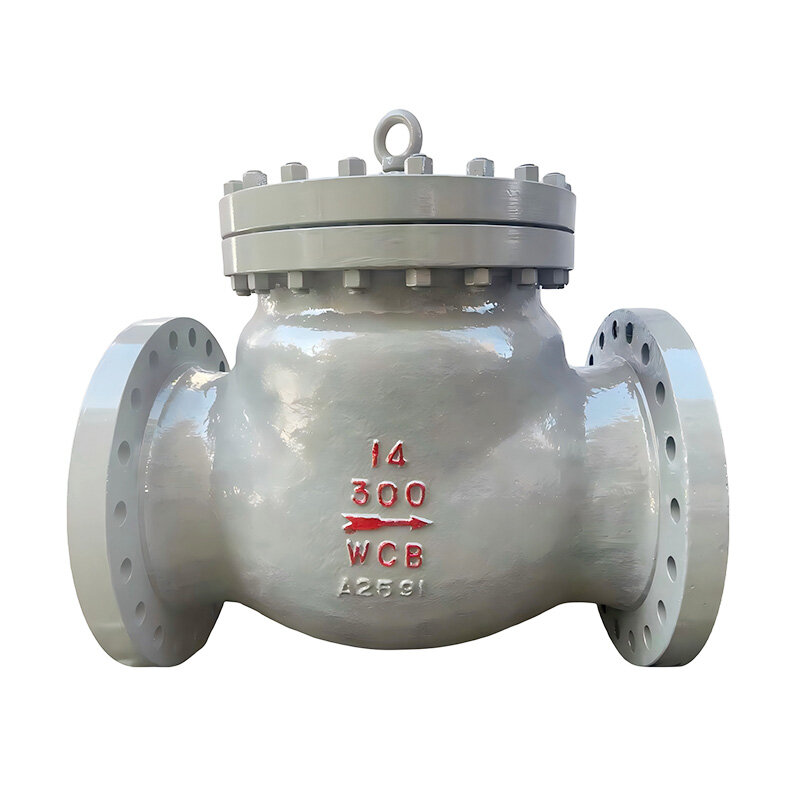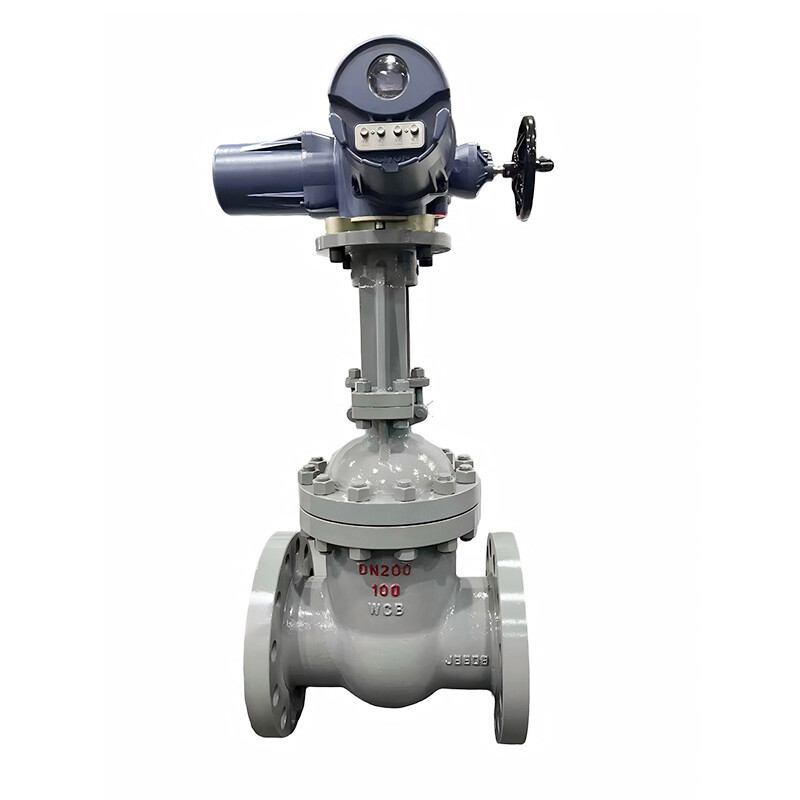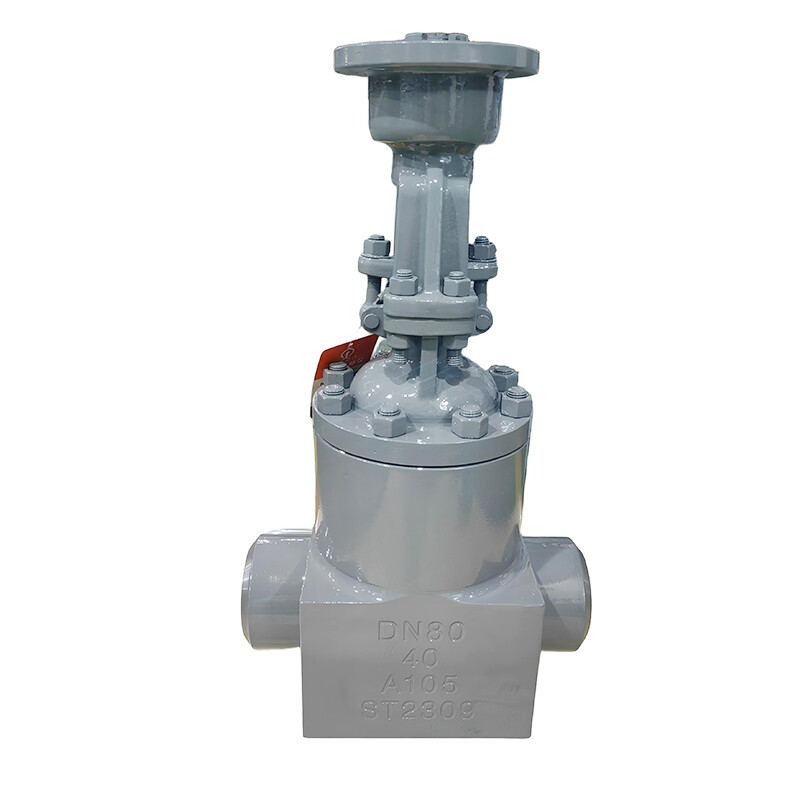
API gate valves, designed for oil and gas applications, serve as essential components for isolating media in long-distance pipelines and gathering/distribution stations. Manufactured in accordance with relevant industry standards, these valves feature either wedge-type or parallel-gate designs. They operate by moving the gate vertically to open or close the flow path. When fully open, the internal passage is unobstructed, offering minimal flow resistance; consequently, they are well-suited for pipeline on/off control, though they are generally not intended for flow throttling or regulation.
In oil and gas transport, the medium often experiences fluctuations in pressure and temperature and may contain trace corrosive components—factors that impose specific requirements on the valve’s materials and sealing mechanisms. API gate valve bodies can be constructed from carbon steel, stainless steel, or various alloys, selected based on the specific properties of the transported medium. Metal-to-metal hard-sealing designs are capable of withstanding high-temperature and high-pressure conditions.
The sealing surfaces undergo precision machining, ensuring effective sealing even after repeated opening and closing cycles, thereby minimizing the risk of external leakage. During pipeline maintenance or equipment isolation, operators use a handwheel or an integrated actuator to close the valve, effectively isolating a section of the pipeline and creating a safe environment for subsequent maintenance work.
During on-site operation and maintenance, it is crucial to adhere to the valve’s operational specifications. Avoiding prolonged use in a "partially open" (throttled) position is essential, as high-velocity flow can cause erosion and wear on the gate and sealing surfaces, significantly shortening the component's service life. Routine inspections should focus on checking for leaks at the packing area and flange connections, ensuring the valve stem moves smoothly, applying lubricant as needed, and keeping the valve stem surface free of oil, grime, and debris.
As the ecosystem for fluid-handling equipment continues to evolve, the engineering selection process involves evaluating the suitability of API gate valves against other valve types—considering factors such as structural design, sealing methods, and material composition—to ensure the safe and stable operation of the pipeline system.
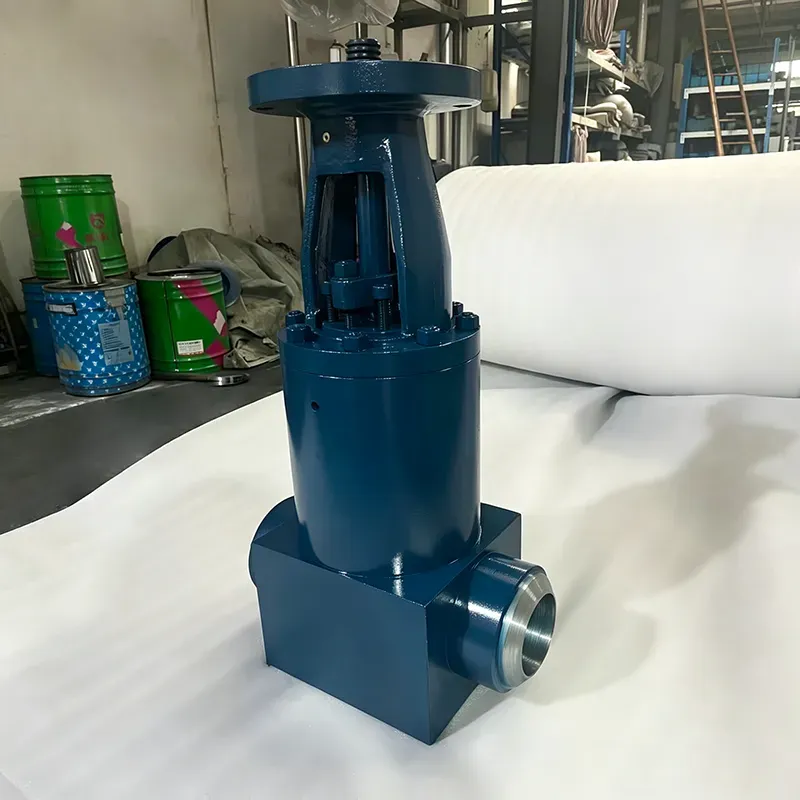
Previous:Analysis of API Gate Valve Sealing Structures and Their Adaptation to Operating Conditions
Next:NO!