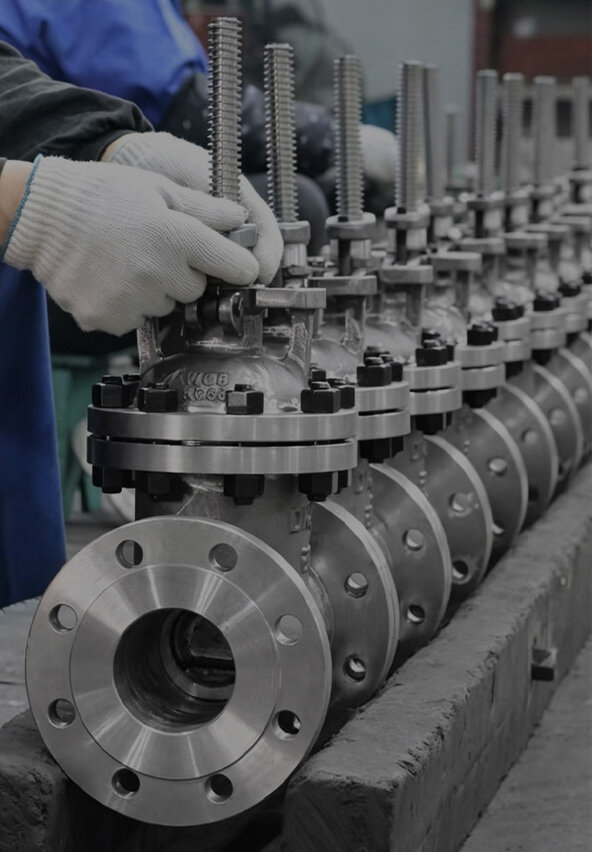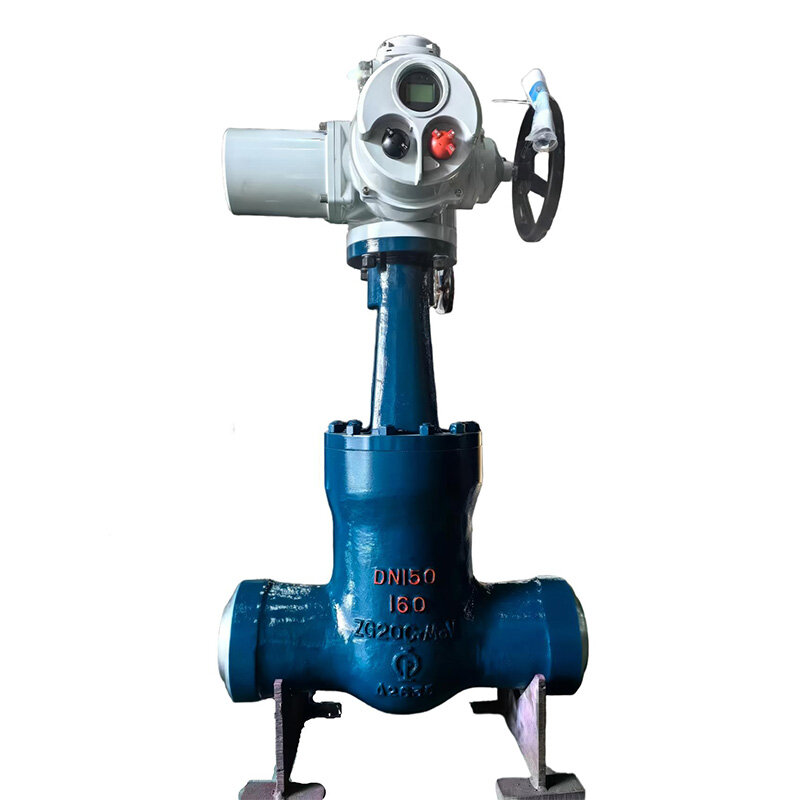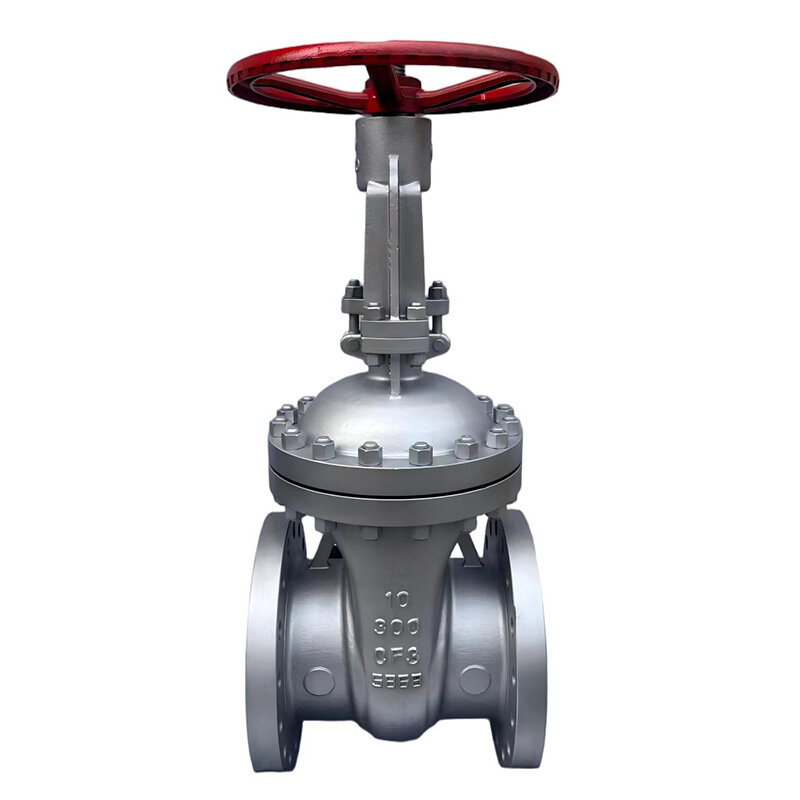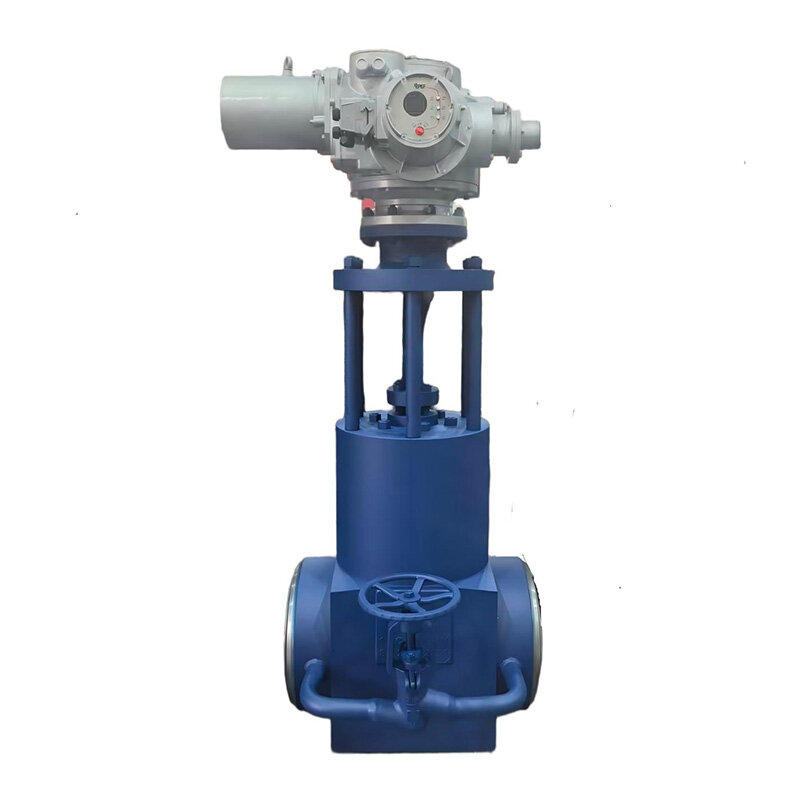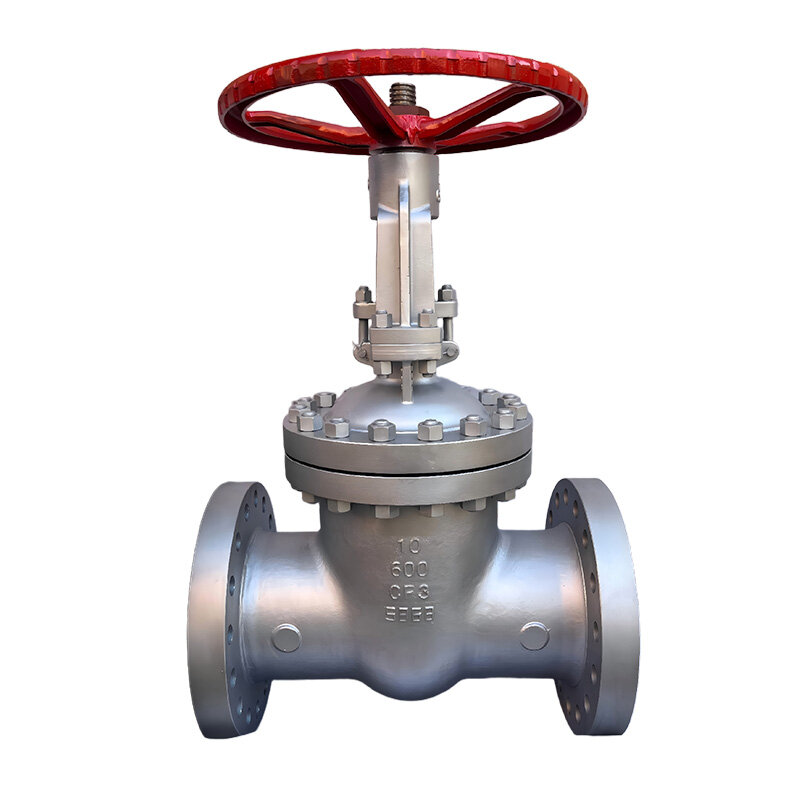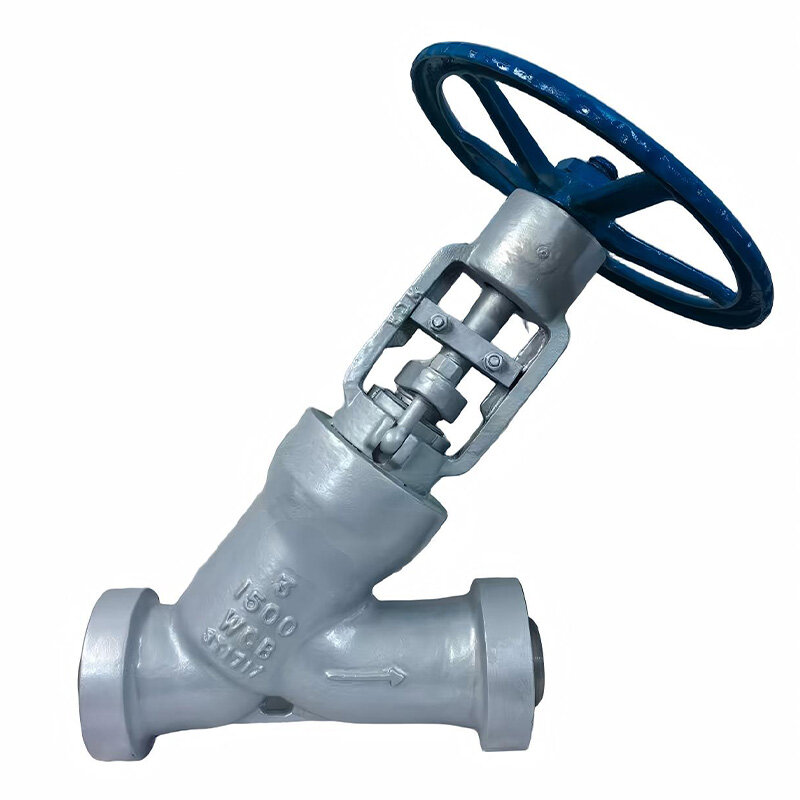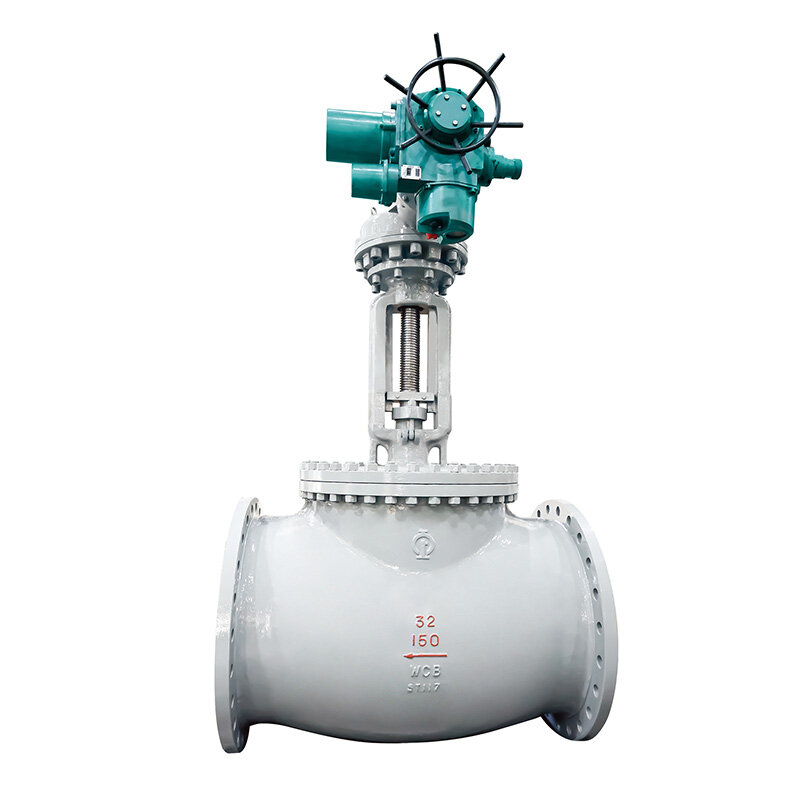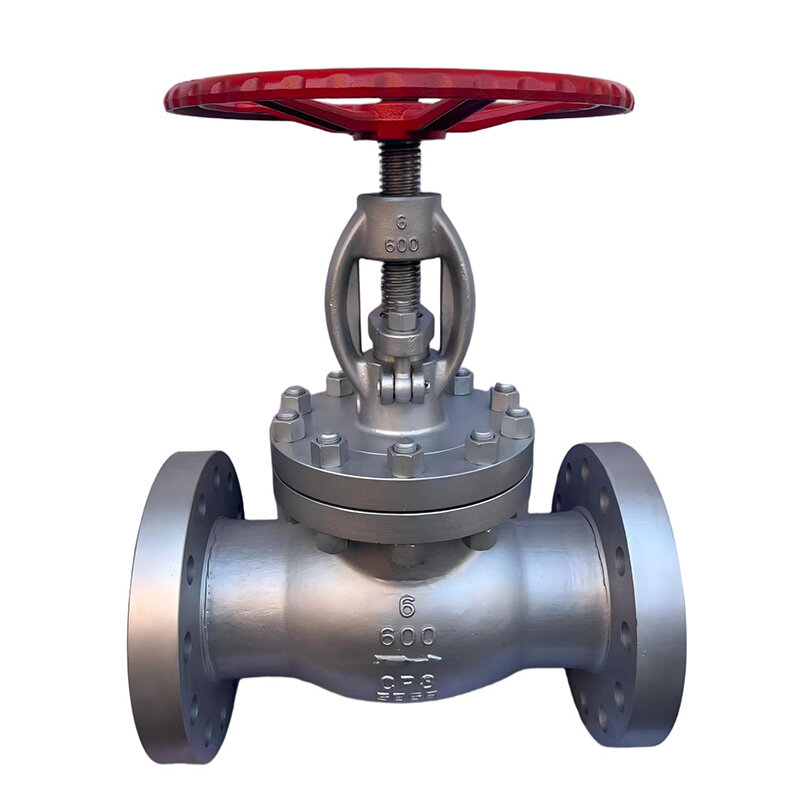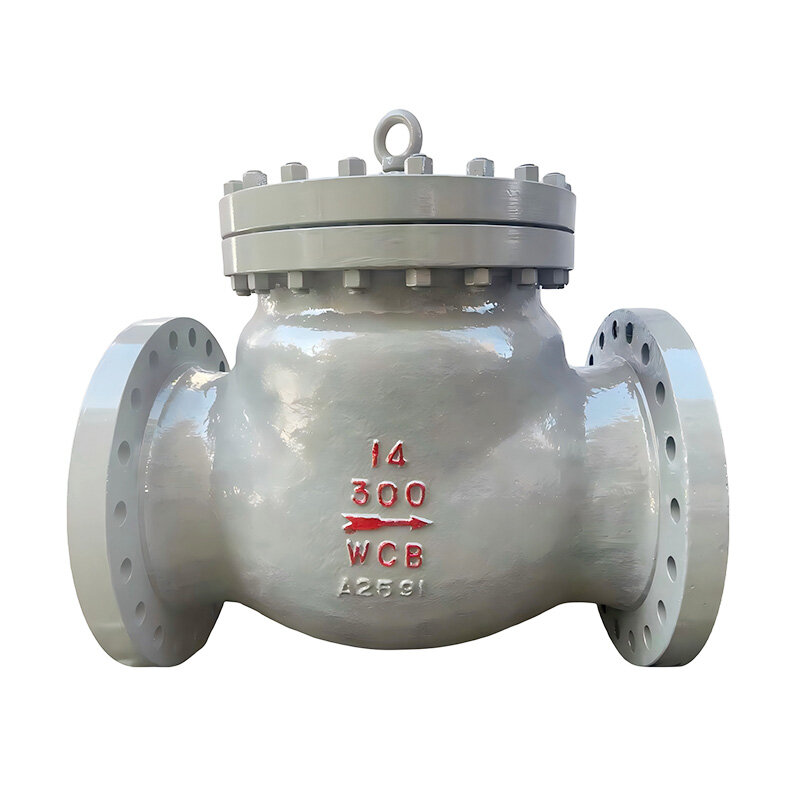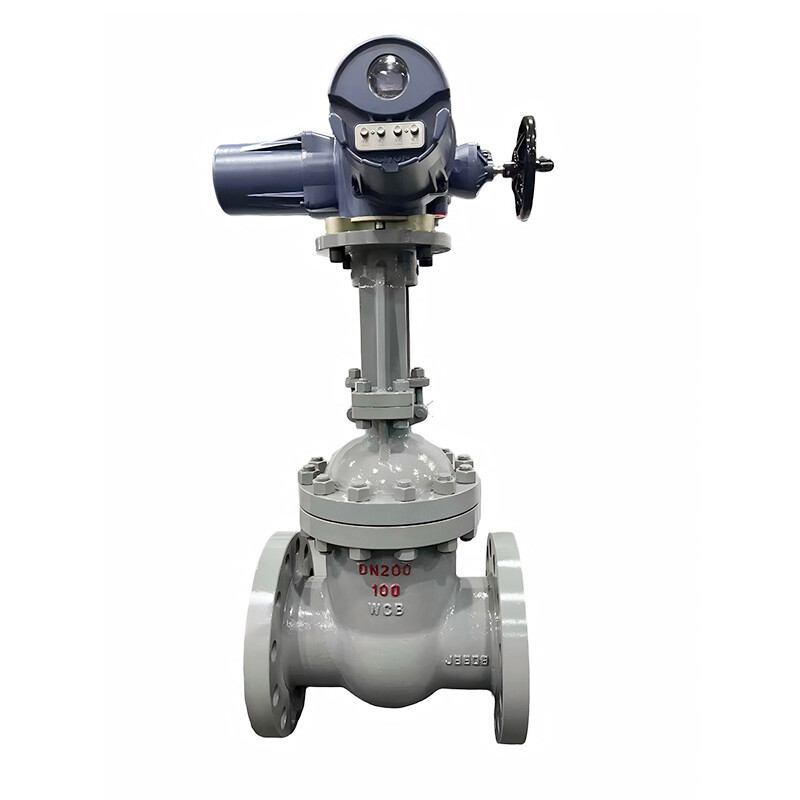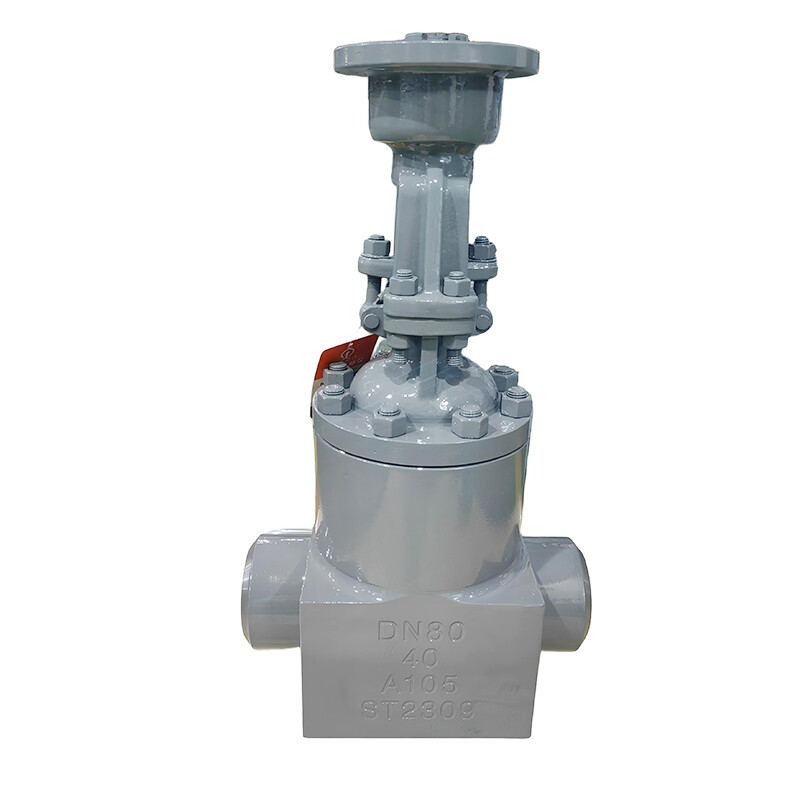
The sealing design for API gate valves varies according to the intended application, with two primary types: metal-to-metal (hard) sealing and soft sealing. Each structure is suited to distinct operating conditions. API gate valves achieve shut-off by bringing the sealing surfaces on both sides of the gate into contact with the valve seats.
In wedge-gate designs, the wedge action provides the necessary force to press the sealing surfaces together, while in parallel-gate designs, the pressure of the medium assists in ensuring a tight seal. Both configurations are designed primarily for full shut-off and are not suitable for continuous flow regulation.
API gate valves with metal-to-metal sealing typically feature hard-faced (alloy-overlay) sealing surfaces, offering high resistance to heat and erosion. These are commonly used in oil refining units, high-temperature steam pipelines, and high-pressure oil and gas circuits, as they maintain greater structural stability under fluctuating temperature conditions.
Soft-sealing designs incorporate non-metallic sealing elements, which provide a compliant seal; these are ideal for clean, lower-temperature media. However, if the medium contains hard particulate impurities, the soft sealing elements are susceptible to scratching or damage, necessitating the inclusion of filtration systems.
Beyond the sealing type, the valve stem configuration is a key selection factor. Rising-stem designs allow for a clear visual indication of the valve’s open or closed position, while non-rising-stem designs save axial space, making them suitable for pipe racks or areas with limited installation space. During installation, it is essential to ensure that the flow direction indicated on the valve body aligns with the actual direction of the medium. When bolting flanges, the pre-tightening force must be applied uniformly to prevent uneven pressure on the gasket, which could lead to leaks.
During routine operation, the valve should be opened and closed with steady, controlled force; the use of auxiliary tools to apply excessive torque to the handwheel must be avoided to prevent the deformation of the sealing surfaces. In applications involving corrosive media, both the valve body material and the materials used for the sealing surfaces must be carefully selected to mitigate electrochemical corrosion and extend the service life of the equipment.
Previous:The Impact of API Gate Valve Manufacturing Standards on Fluid Equipment Components
Next:Discussion on the Application of API Gate Valves in Oil and Gas Transmission Pipelines