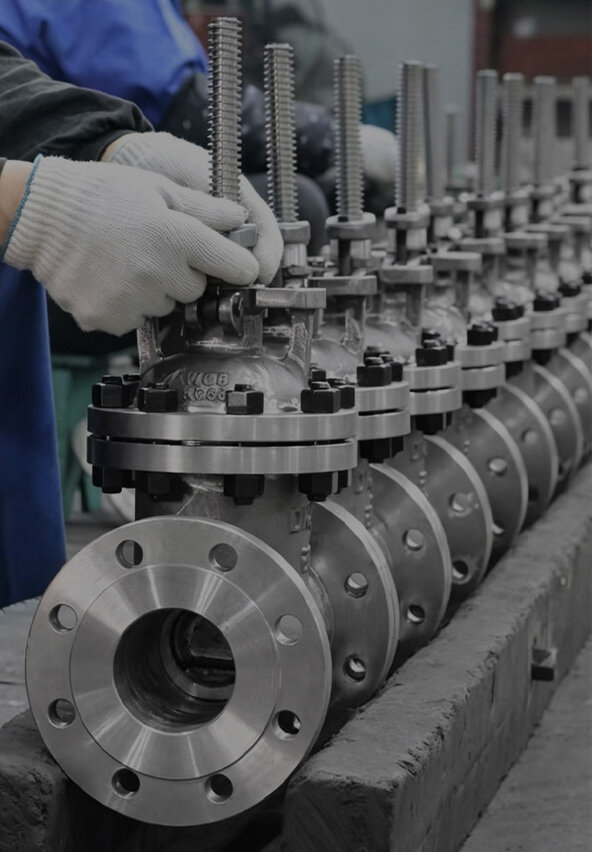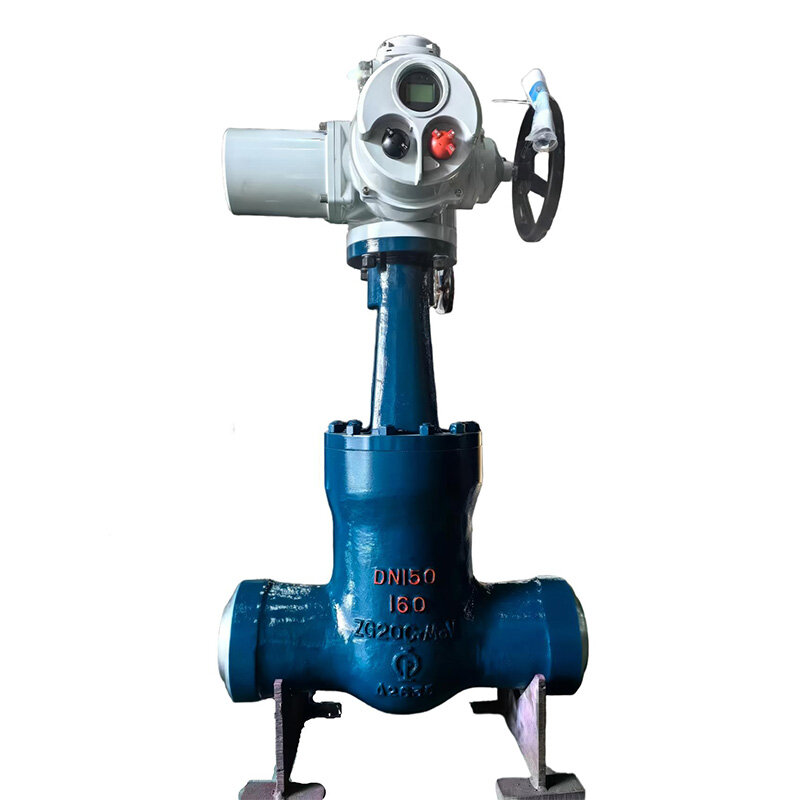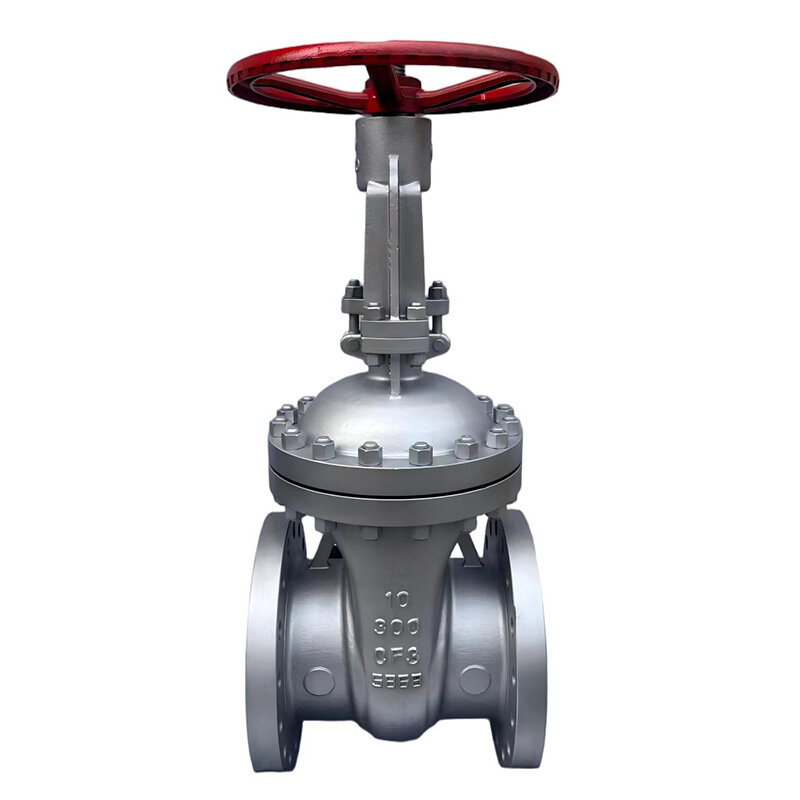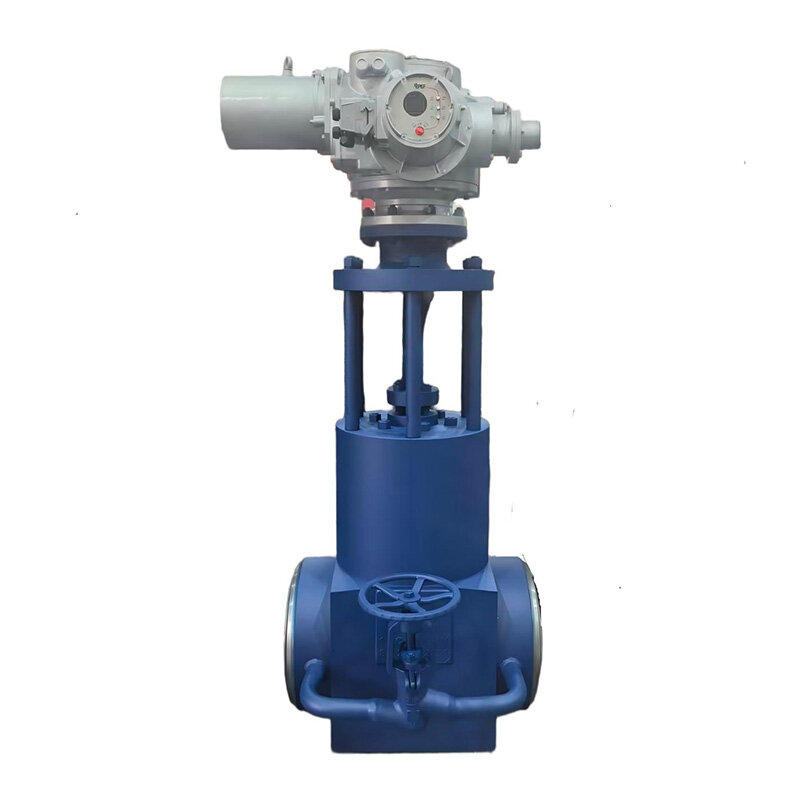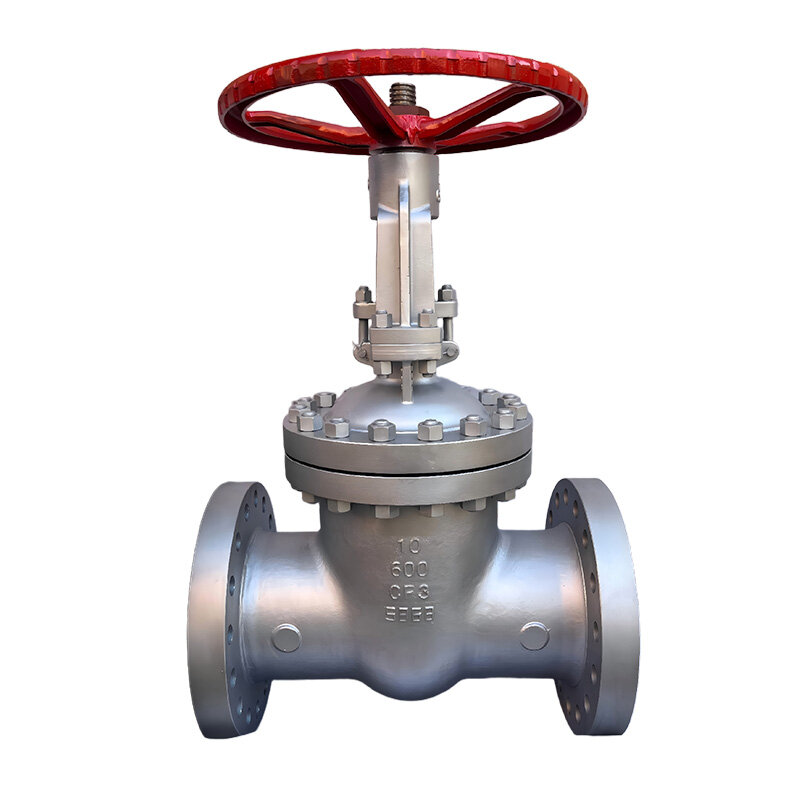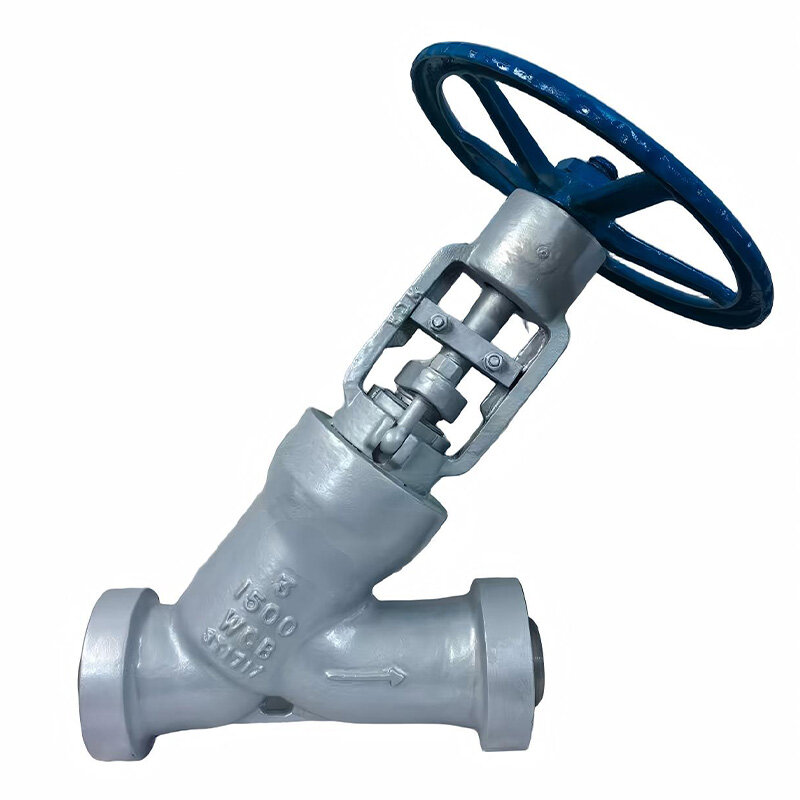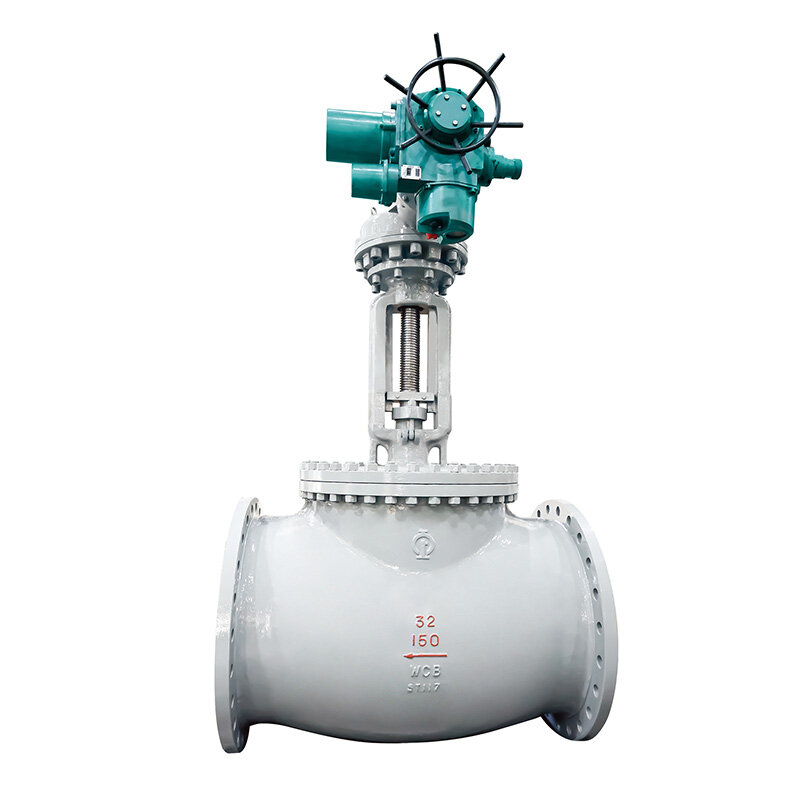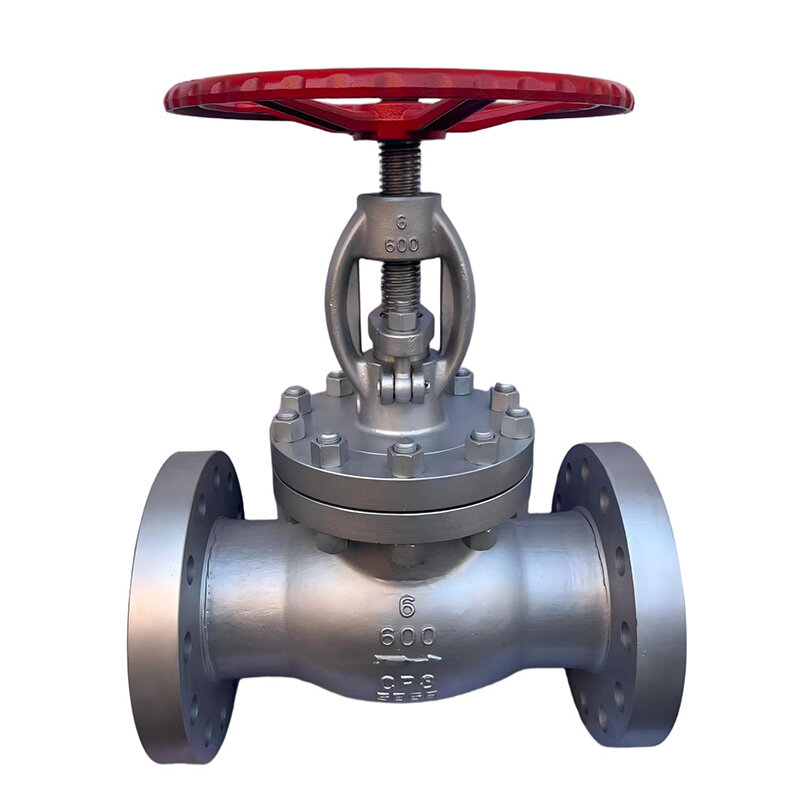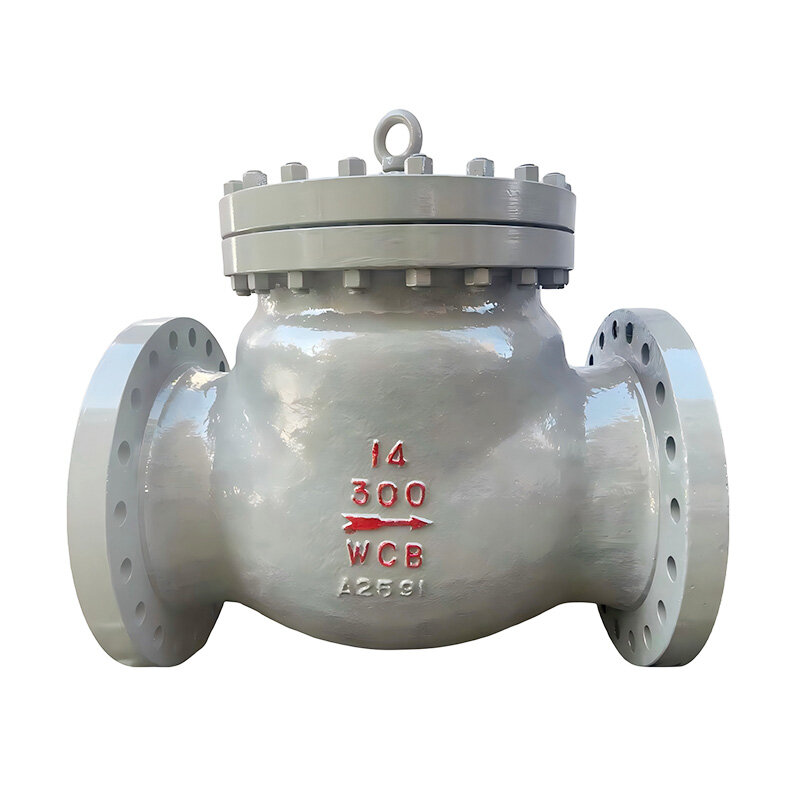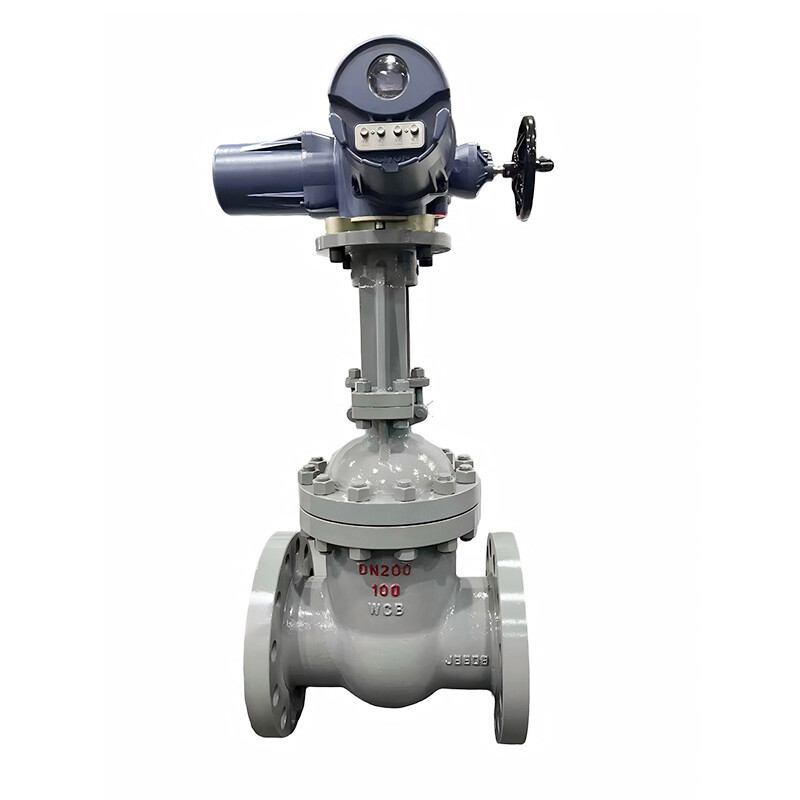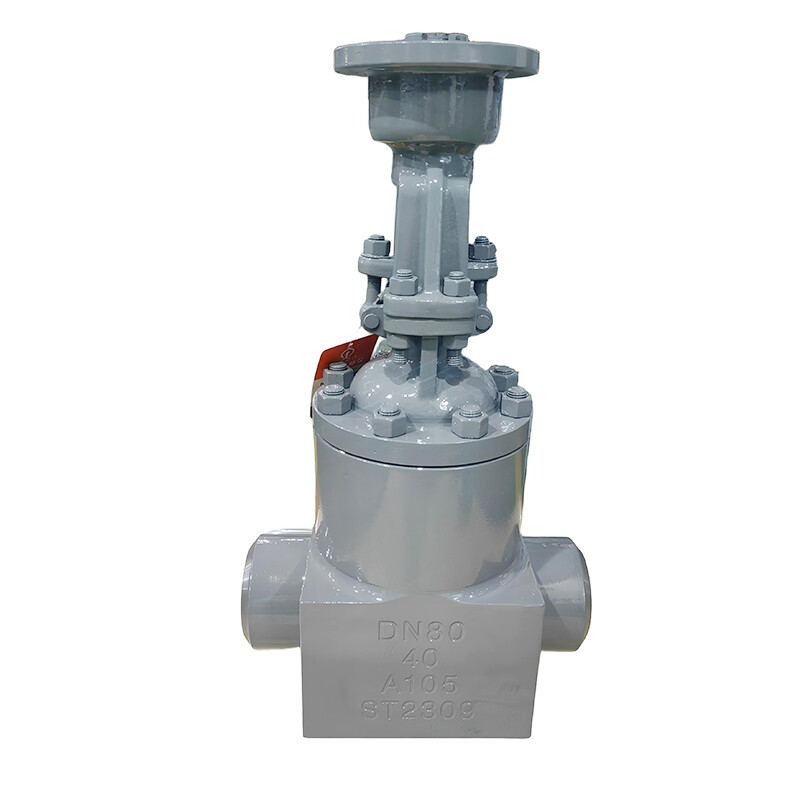
Standardization provides a unified frame of reference for the design, manufacturing, and inspection of API gate valves, serving as a consistent benchmark for equipment selection in cross-regional engineering projects. API gate valves that comply with these standards—from valve body casting and sealing surface machining to non-destructive testing and pressure testing—are produced according to established protocols. This minimizes performance variations between products from different manufacturers, facilitating equipment replacement and the stocking of spare parts for project operators.
In the supply chain management of fluid engineering projects, standardization serves as a critical foundation. Because the structural dimensions, connection types, and pressure ratings of API gate valves adhere to uniform standards, products of the same specification are interchangeable. This proves particularly advantageous during project expansions, retrofits, or the replacement of spare parts, as it reduces the scope of pipeline modifications.
In process industries—such as petrochemicals, energy, and chemicals—equipment compatibility directly impacts construction schedules and long-term operational and maintenance costs. Standardized API gate valves are designed to be compatible with mainstream piping connection methods, including flanged and butt-weld configurations, and can accommodate the layout requirements of diverse process circuits.
The standardization framework also encompasses requirements for type testing, fire-resistance testing, and shell strength testing. Given the fire risks inherent in the energy sector, certain operating conditions mandate that valves undergo fire-resistance verification; this ensures they retain basic isolation capabilities during sudden, high-temperature events, thereby mitigating safety hazards. As industry technology evolves, these standards are continuously updated based on field feedback, compelling manufacturers to optimize their production processes and enhance the adaptability of API gate valves to complex operating conditions. During the design phase, engineers must be well-versed in these standards, selecting valves that align with the specific process media, temperature, and pressure parameters to prevent operational risks arising from non-compliant or mismatched equipment.
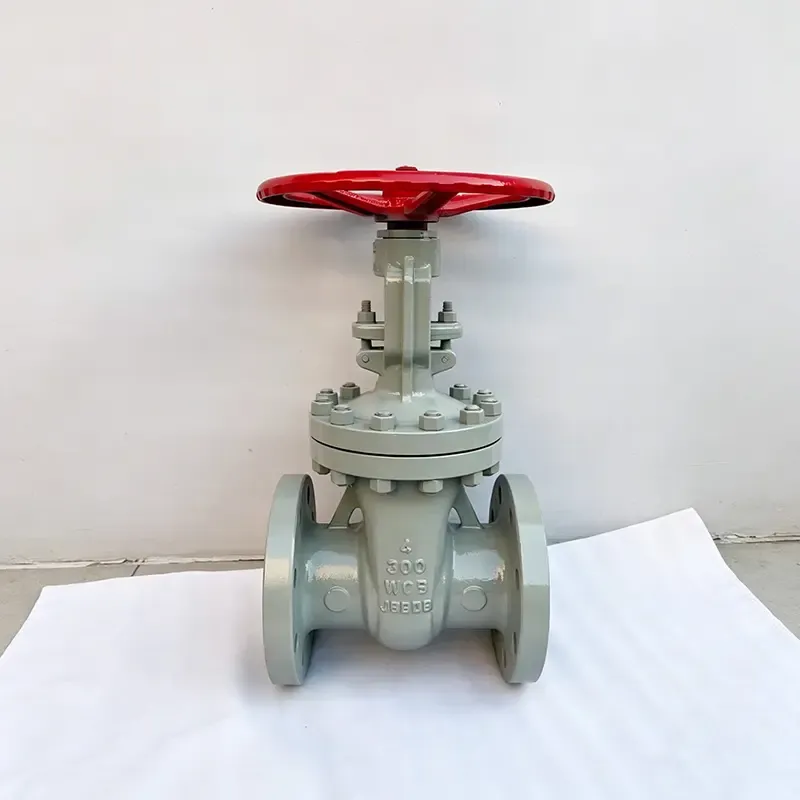
Previous:Core Design Logic and Standard System for API 600 Steel Gate Valves
Next:Analysis of API Gate Valve Sealing Structures and Their Adaptation to Operating Conditions