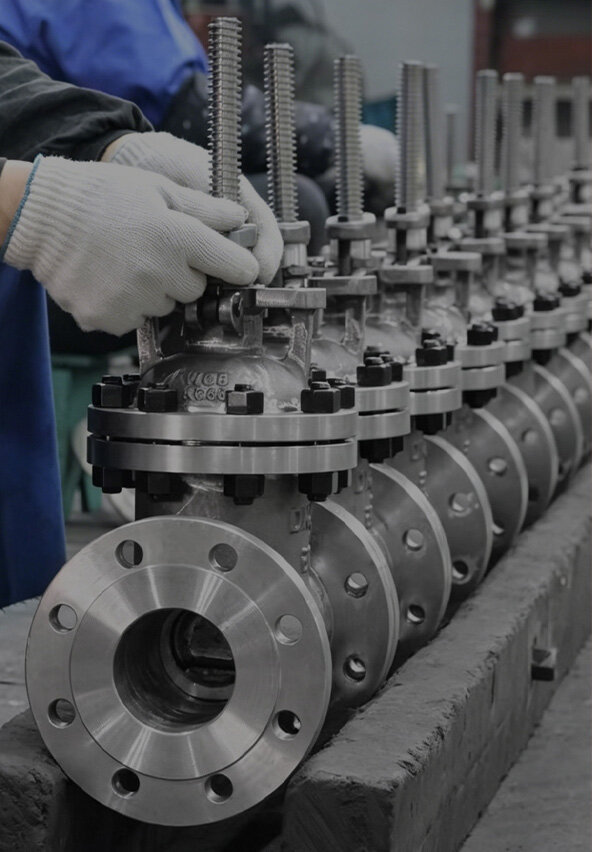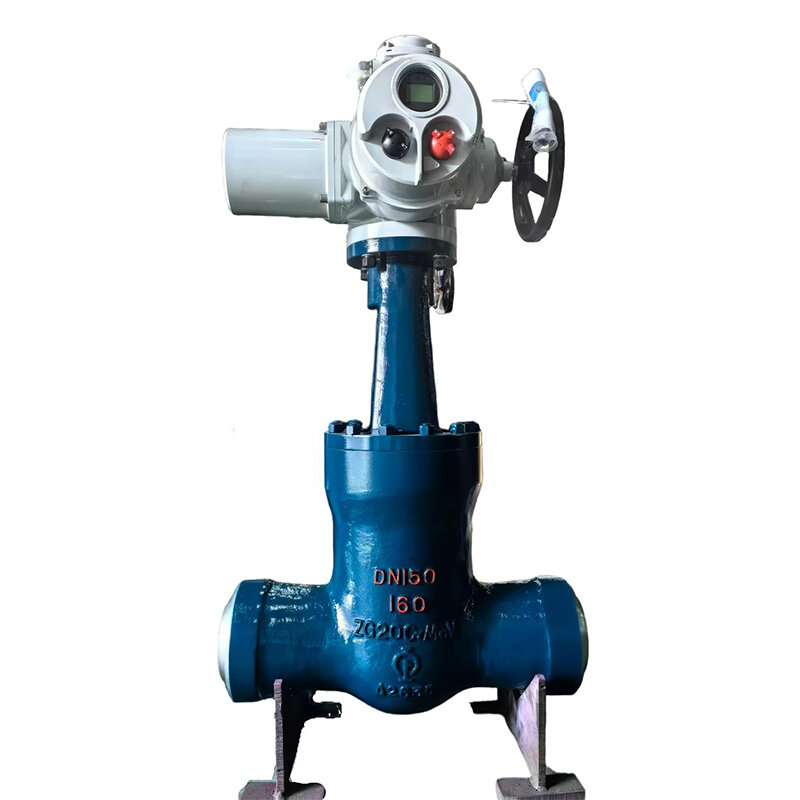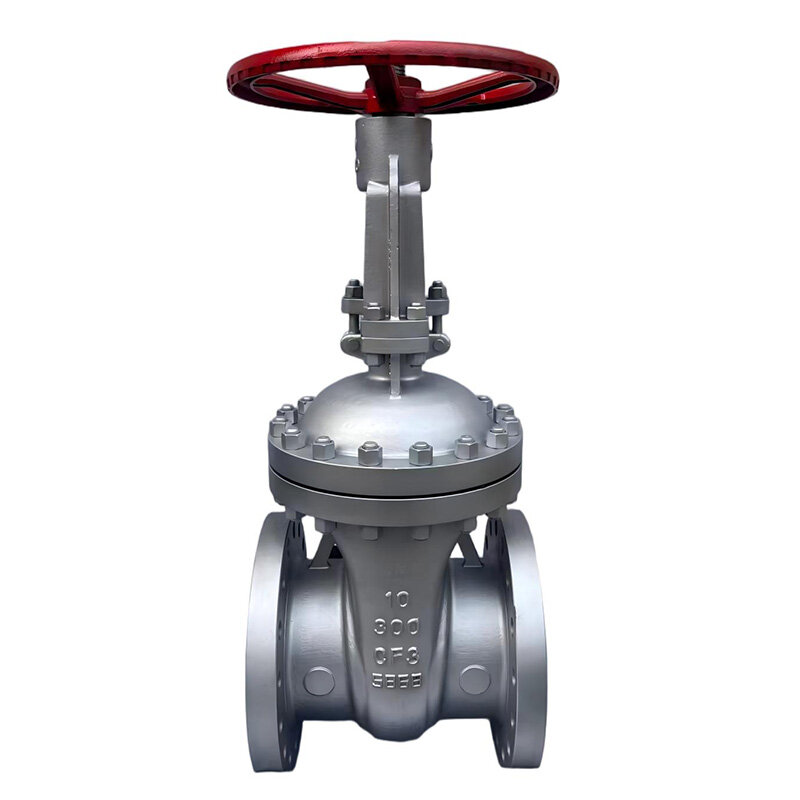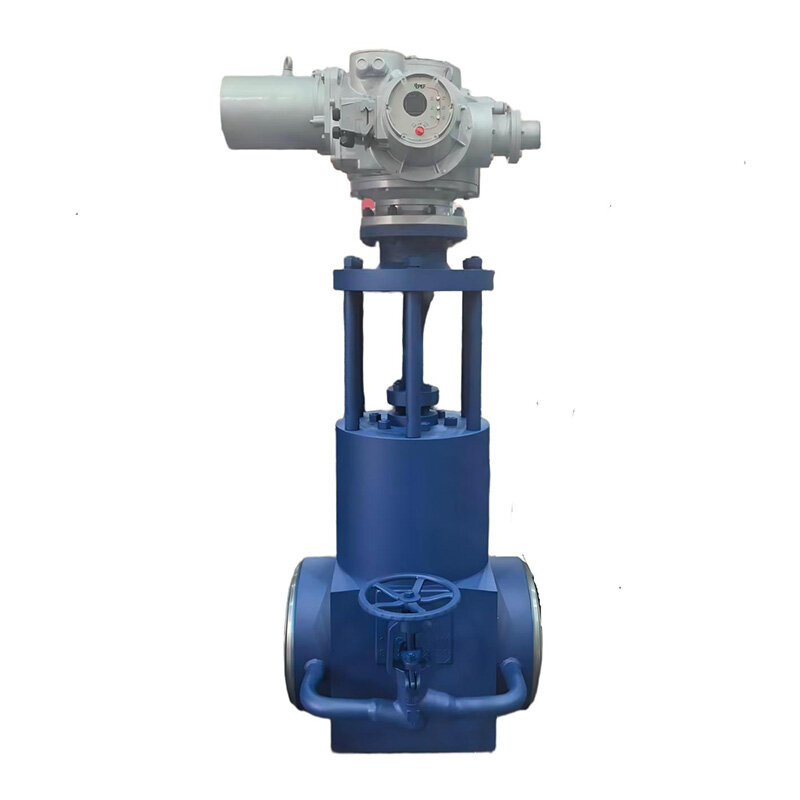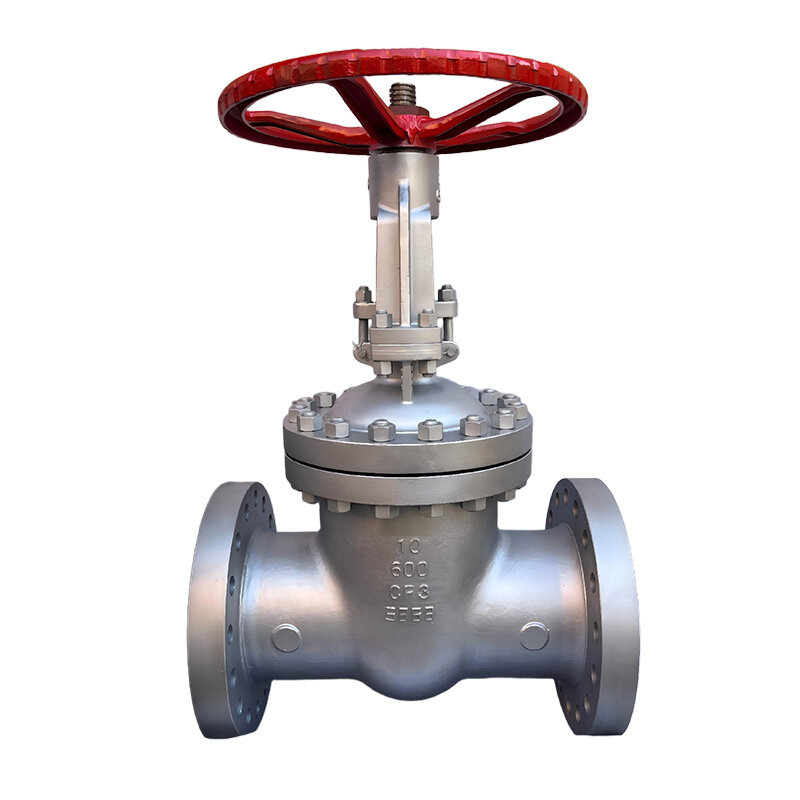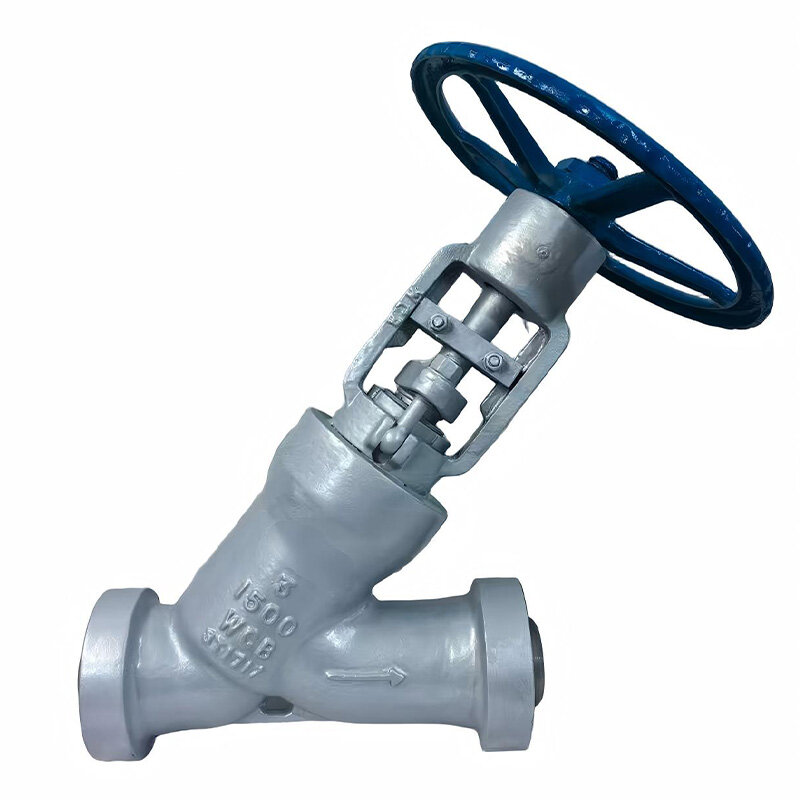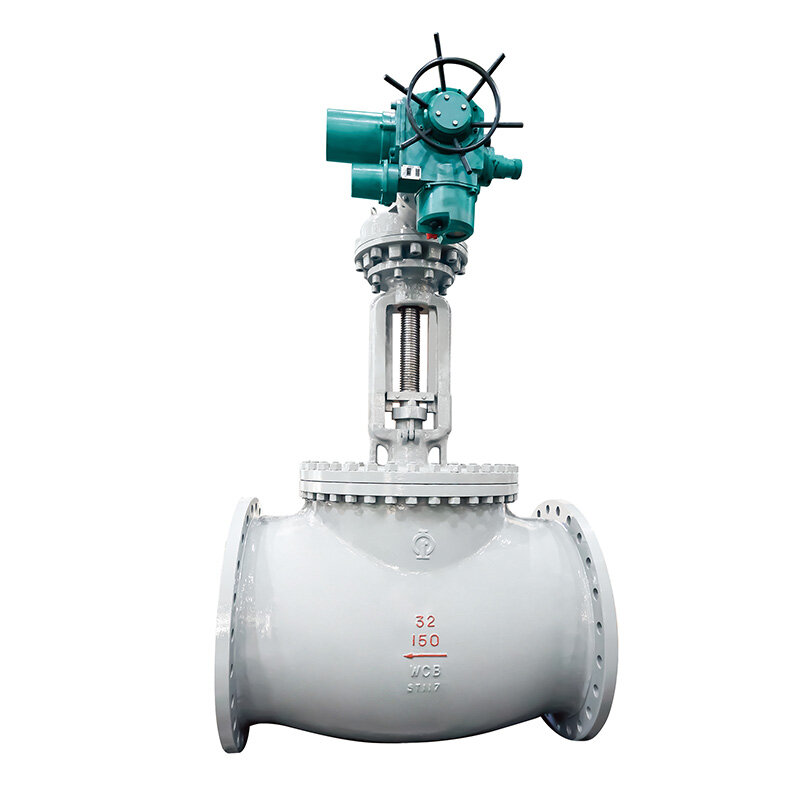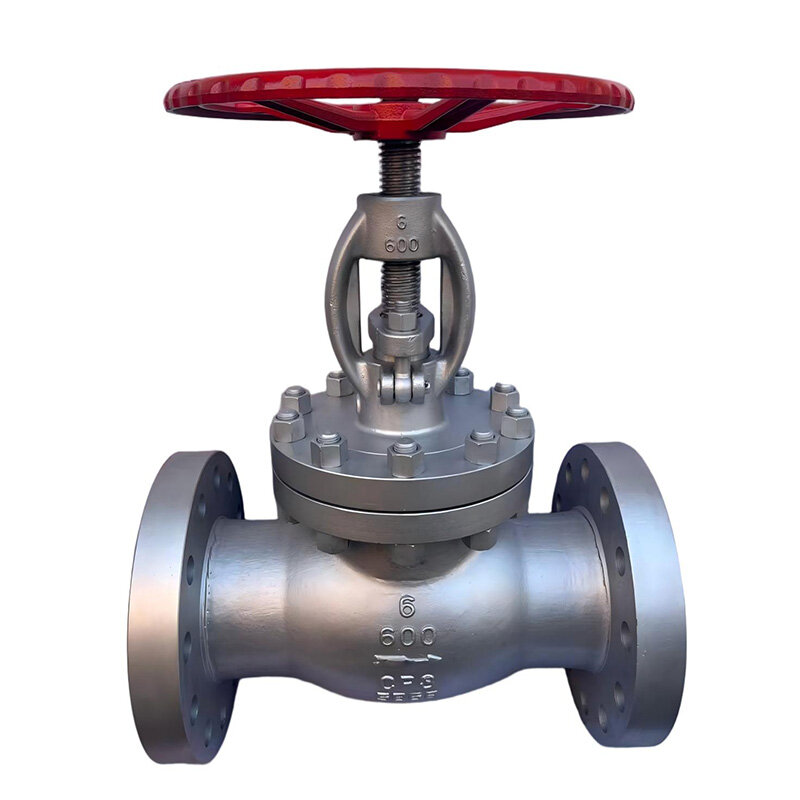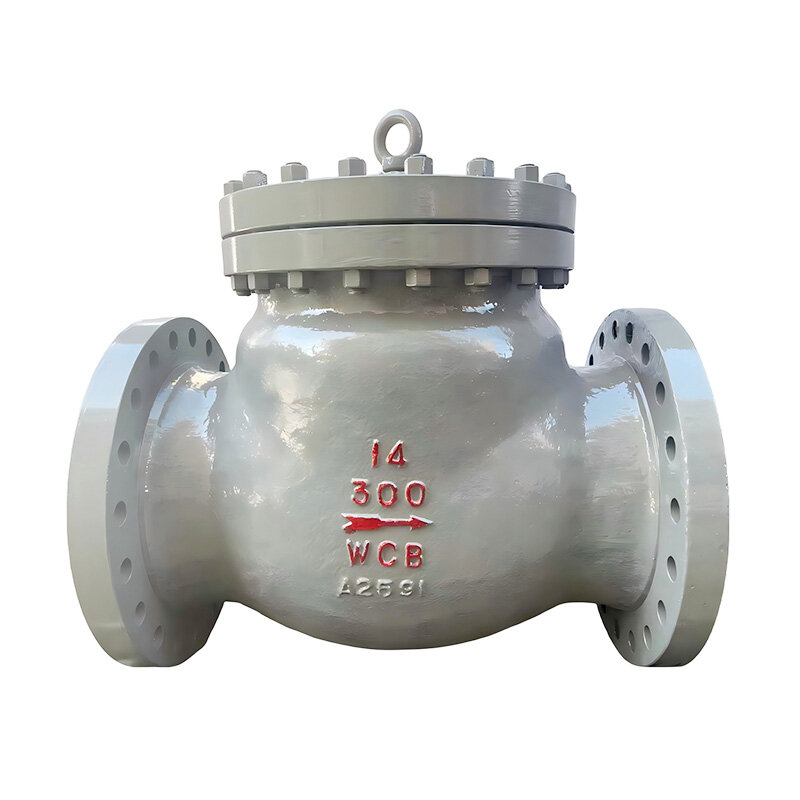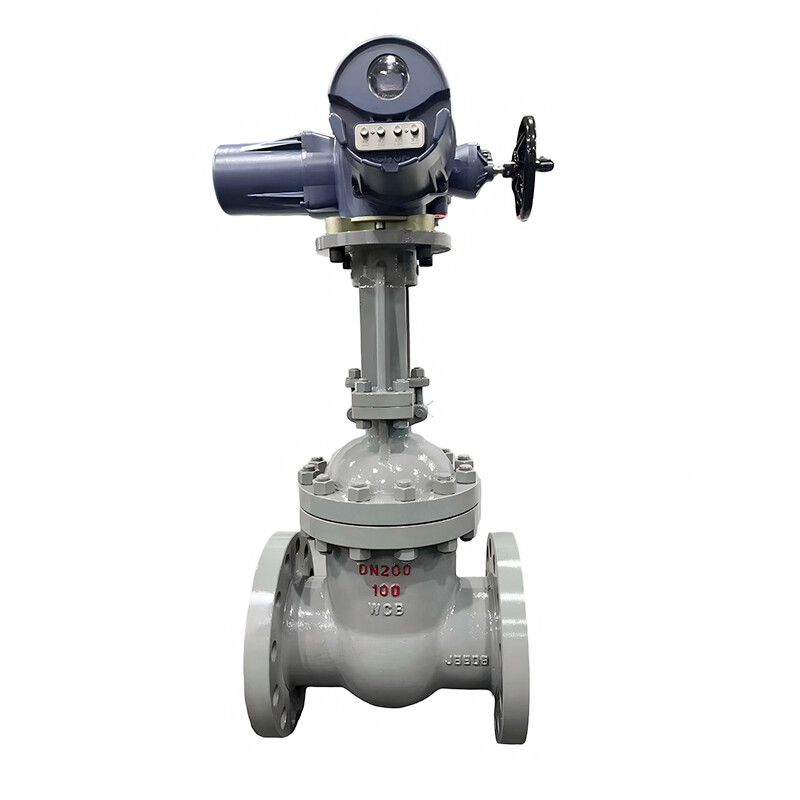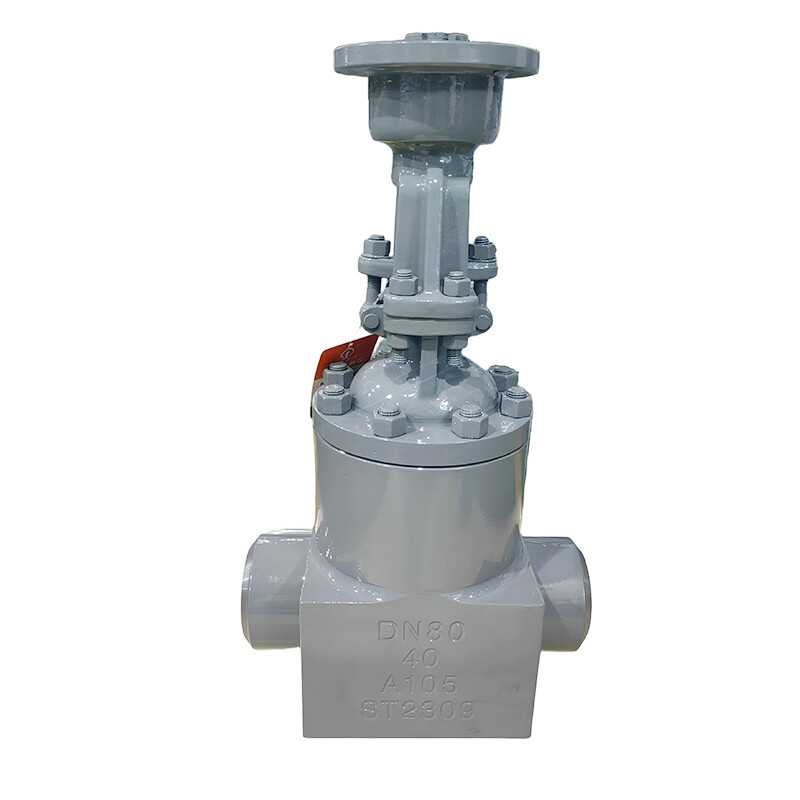
Globe valves have long been recognized as one of the most reliable and essential fluid control components in modern industrial pipeline systems. Widely used for precise flow regulation, reliable cut-off, and safe medium transmission, globe valves play an irreplaceable role in chemical engineering, petrochemical plants, water treatment facilities, heating systems, and long-distance energy transportation pipelines. As global industrial production continues to expand and pipeline safety standards become increasingly strict, the market demand for high-performance globe valves is continuously rising across all major industrial sectors.
Compared with other types of industrial valves, globe valves feature simple and reasonable structural design, stable sealing performance, and excellent flow adjustment accuracy. Their internal linear movement structure allows operators to precisely control fluid flow rate, pressure, and medium direction without causing pipeline impact or vibration. In high-temperature, high-pressure, and corrosive working environments, standard qualified globe valves can maintain long-term stable operation, effectively reducing pipeline failure risks and ensuring the continuous and safe operation of the entire production system. Such outstanding practical advantages make globe valves the preferred choice for most medium and large-scale industrial pipeline projects.
In recent years, the globe valve industry has achieved remarkable progress in material improvement and structural optimization. Traditional cast iron materials are gradually replaced by stainless steel, alloy steel, and anti-corrosion composite materials, which greatly enhance pressure resistance, temperature resistance, and corrosion resistance. At the same time, optimized internal flow channel design effectively reduces fluid resistance, lowers energy consumption during equipment operation, and helps enterprises save long-term operating costs. Modern processing technologies such as precision forging and digital precision polishing further improve surface smoothness and sealing tightness, avoiding medium leakage under complex working conditions.
Previous:Power Station Valves Witness Strong Market Growth Amid Global Energy Infrastructure Upgrade
Next:Stainless Steel Flanged Globe Valve Gains Wider Adoption in Industrial Flow Control Systems