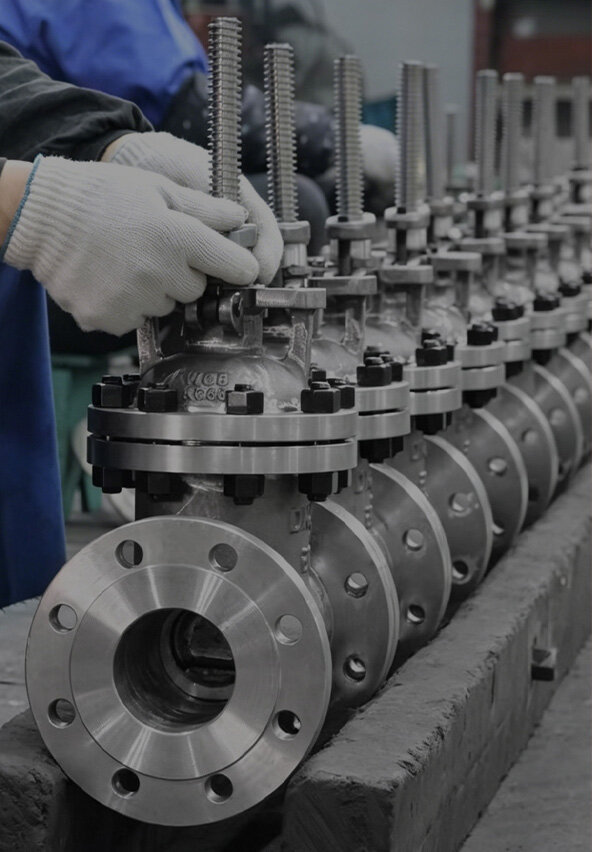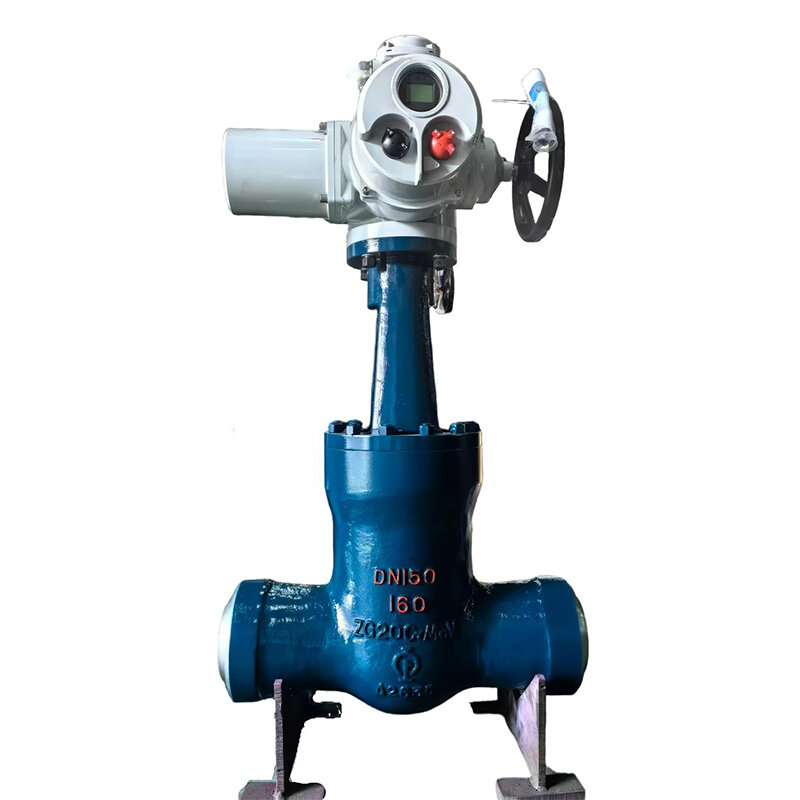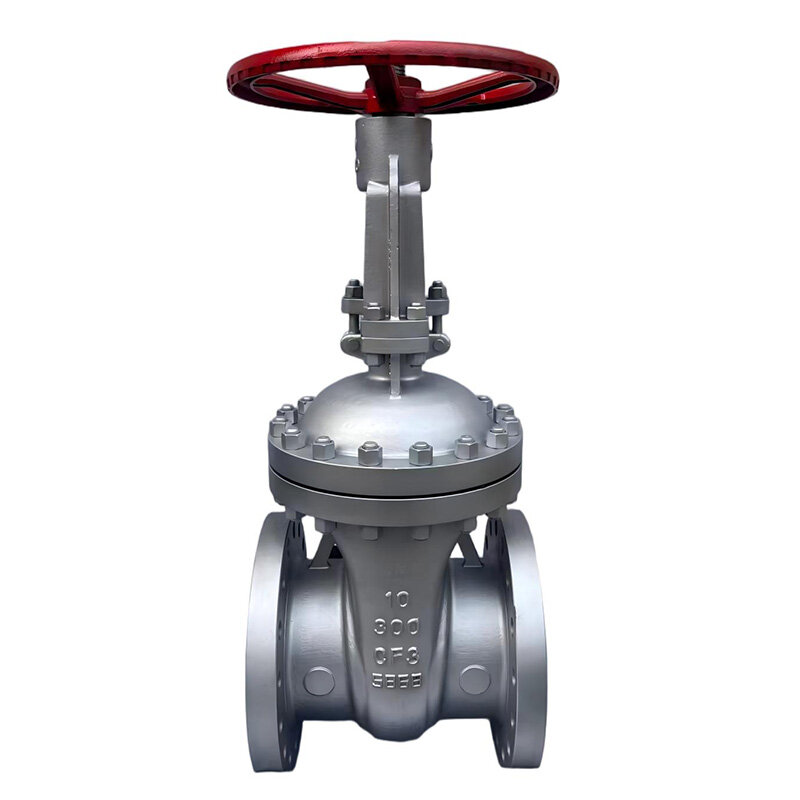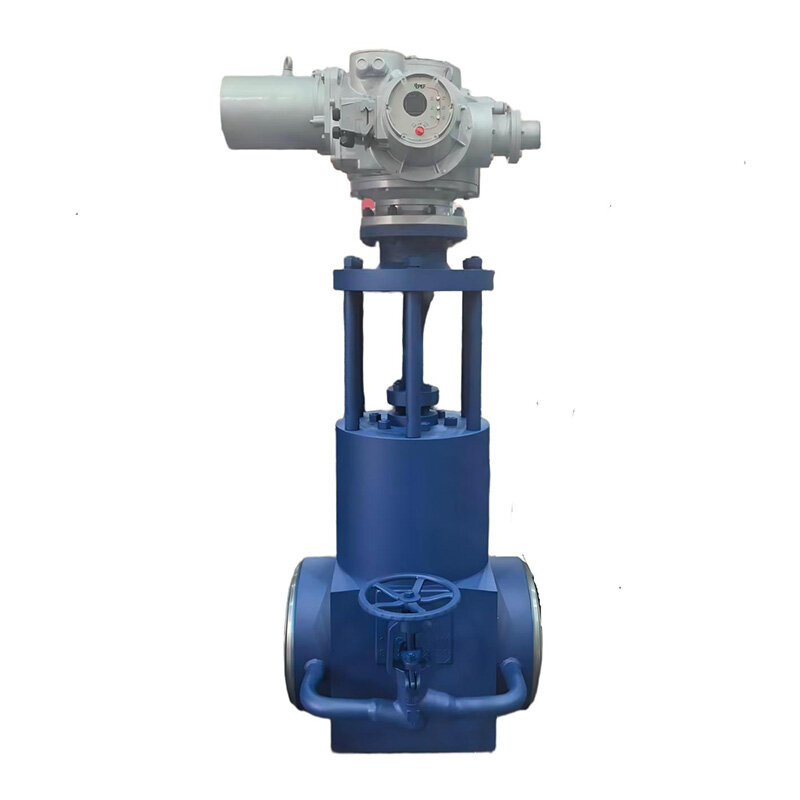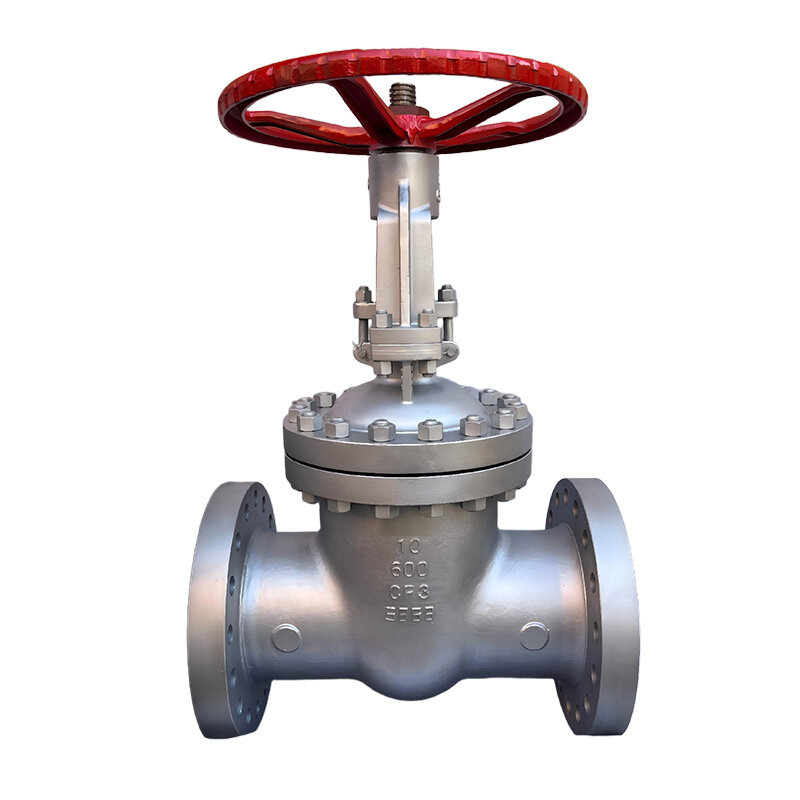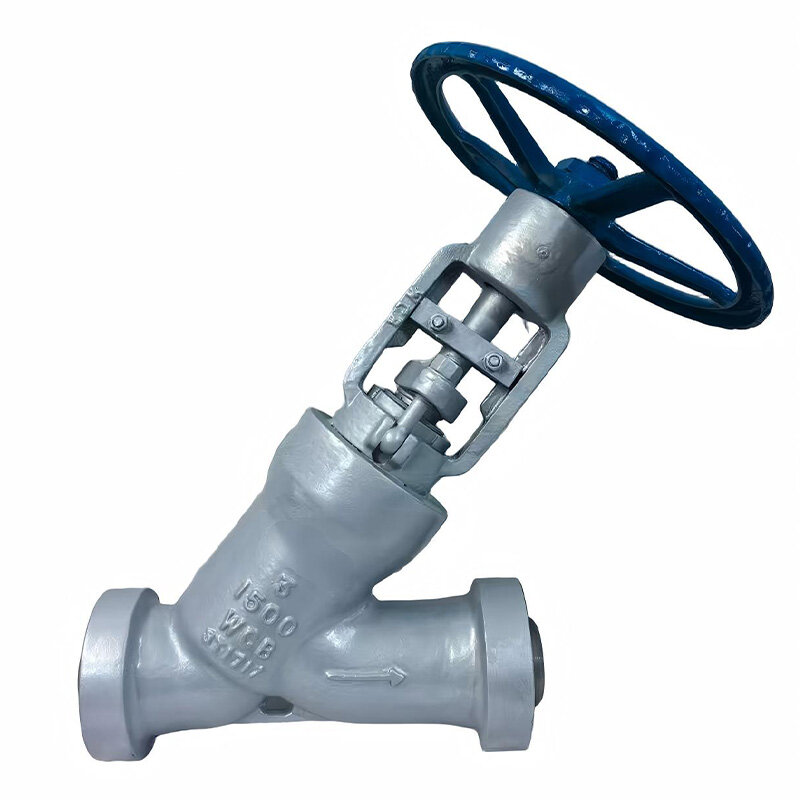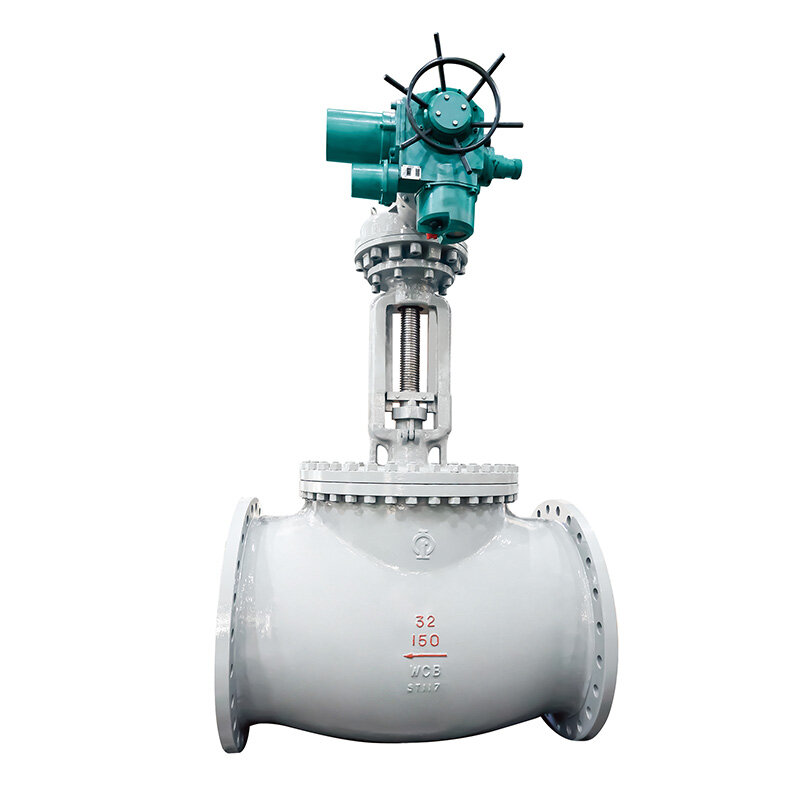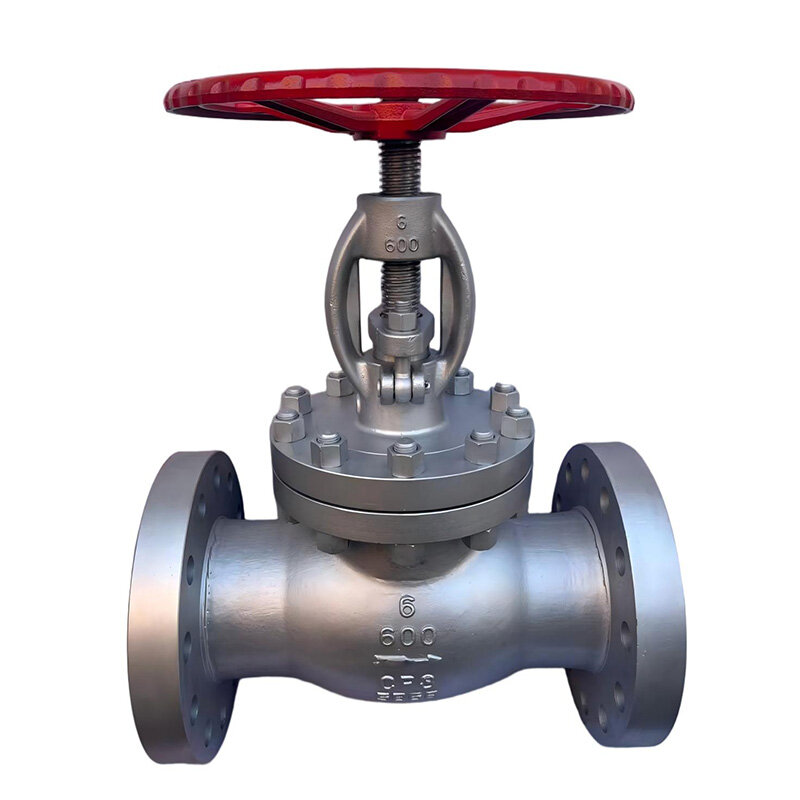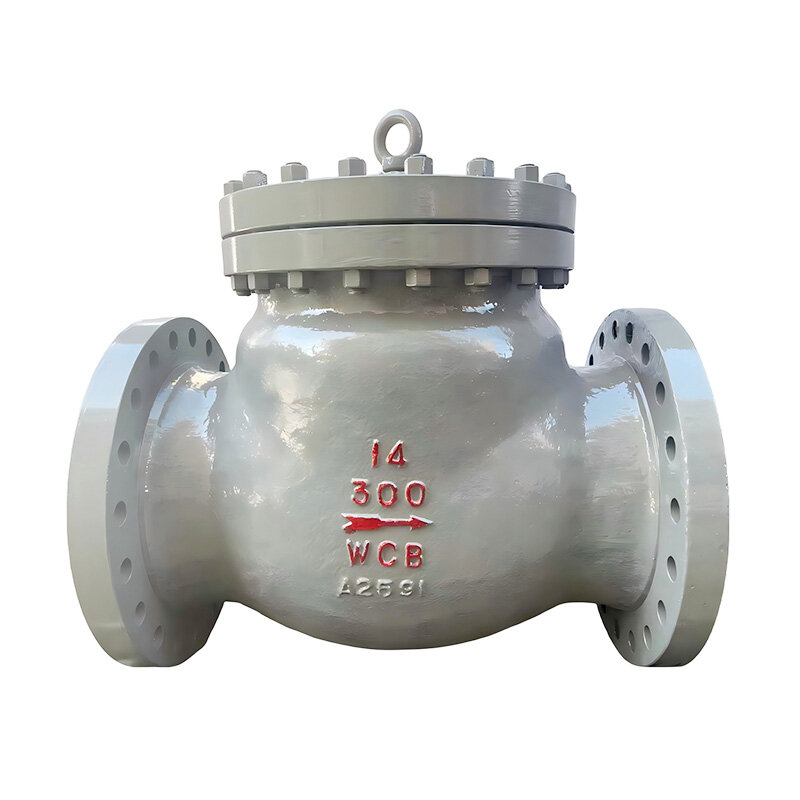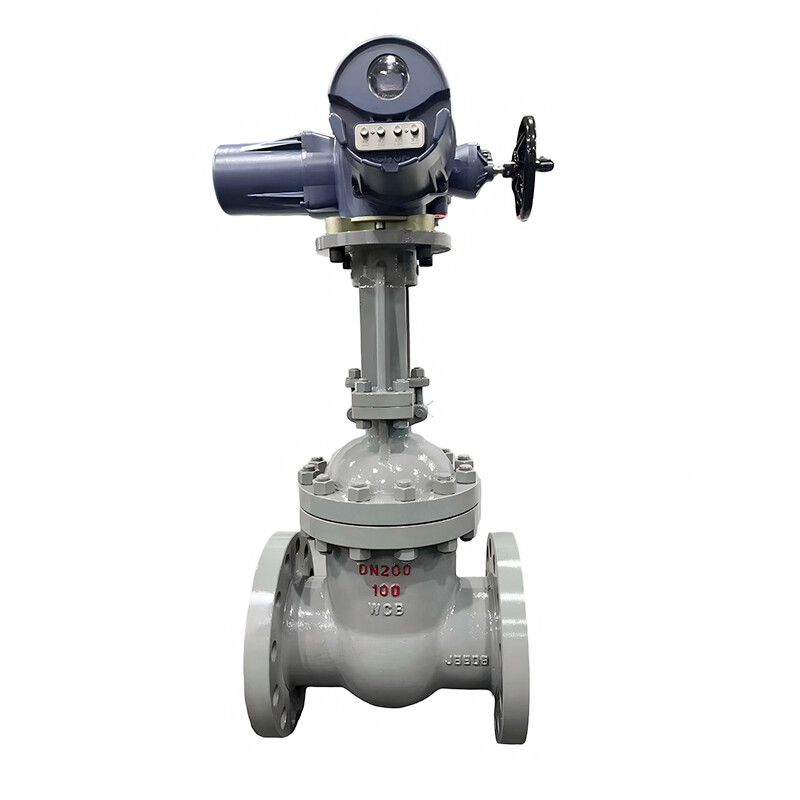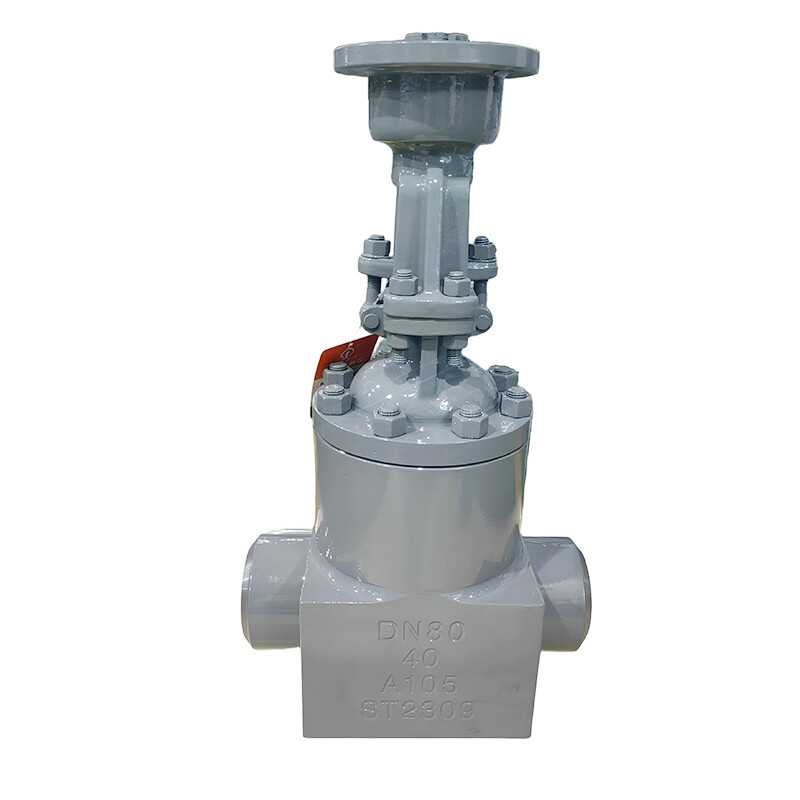
Power station valves are critical safety and control components installed in high-temperature, high-pressure steam and water circulation systems of all types of power generation facilities. These professional industrial valves are specially designed to withstand extreme operating environments, ensuring stable fluid regulation, reliable cut-off performance, and safe pipeline protection throughout long-term continuous power generation operations. As countries accelerate energy structure adjustment and comprehensively upgrade old power infrastructure, the overall demand for high-quality power station valves is growing steadily across the global energy industry chain.
Different from general industrial valves, power station valves must meet extremely strict technical standards in material strength, pressure resistance, high-temperature oxidation resistance and sealing stability. In modern thermal power plants, nuclear power supporting systems and large-scale clean energy power stations, every pipeline node relies on qualified power station valves to avoid steam leakage, pressure fluctuation and system sudden shutdown risks. In recent years, stricter national safety supervision policies for power equipment have further promoted the full upgrading of valve design standards and production processes in the entire industry.
Technological innovation has become the core driving force for the rapid development of the power station valve sector. Advanced forging technology, precision CNC machining and optimized internal flow channel structures are widely adopted to improve sealing tightness, reduce fluid resistance and extend overall service life. High-performance alloy materials are gradually replacing traditional raw materials, effectively improving corrosion resistance and high-pressure durability under complex working conditions. These technical improvements greatly reduce later maintenance costs and improve the overall operating efficiency of power station pipeline systems.
Previous:Rising Demand and Technical Upgrade of Industrial Check Valves in Global Fluid Control Industry
Next:Globe Valves Gain Widespread Popularity in Industrial Pipeline System Upgrades