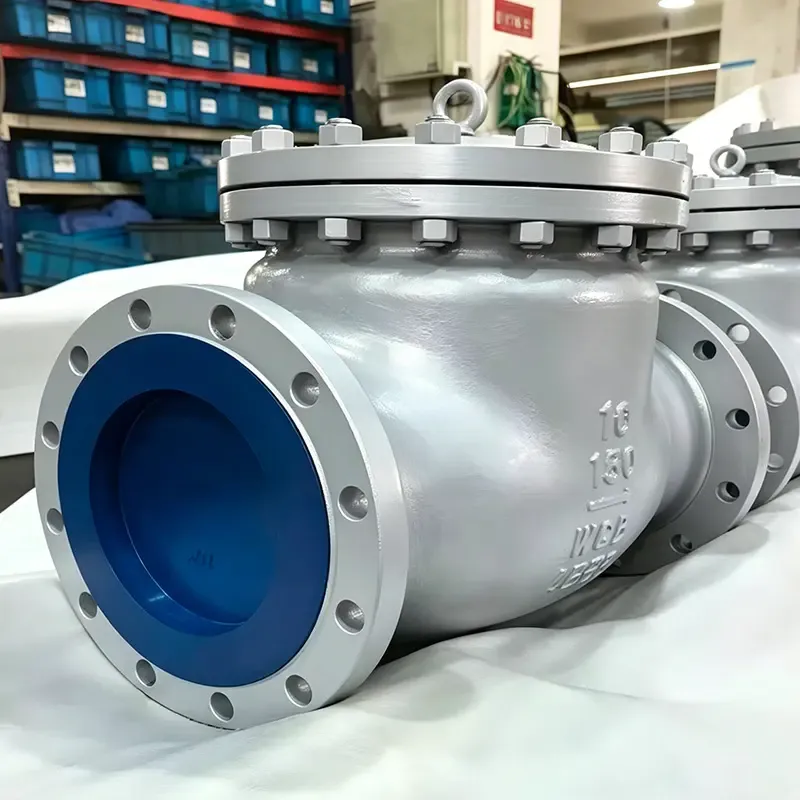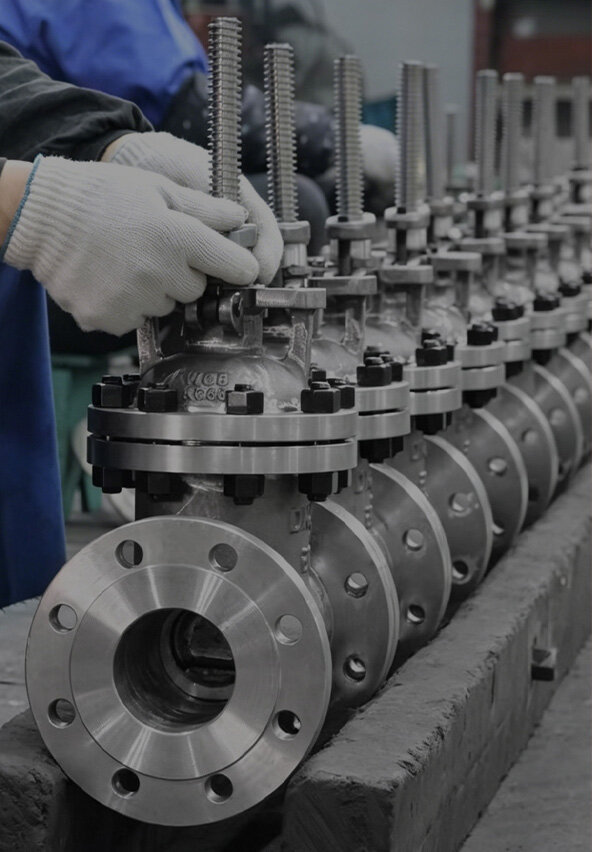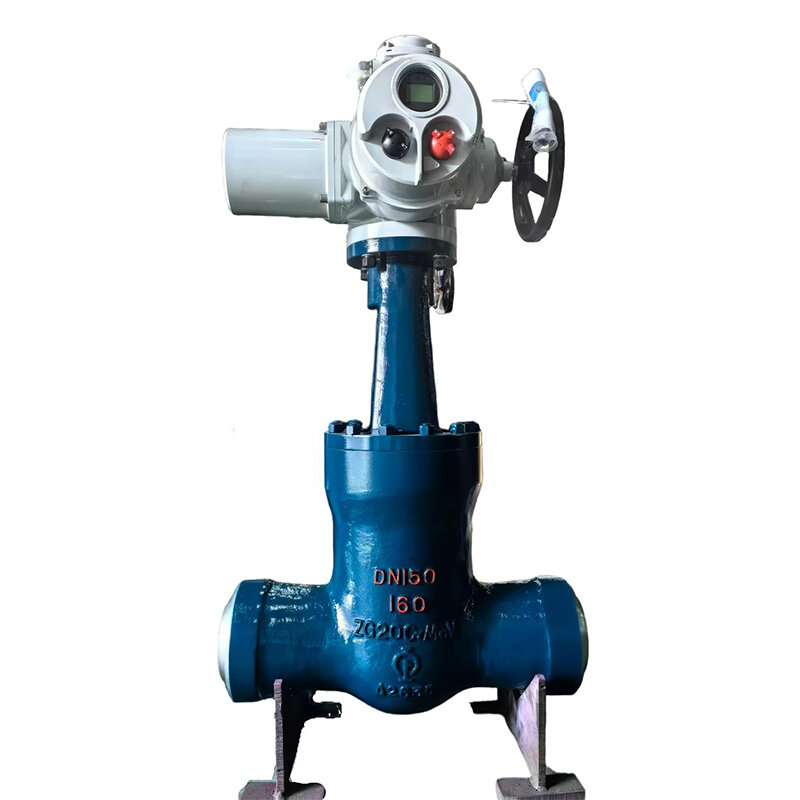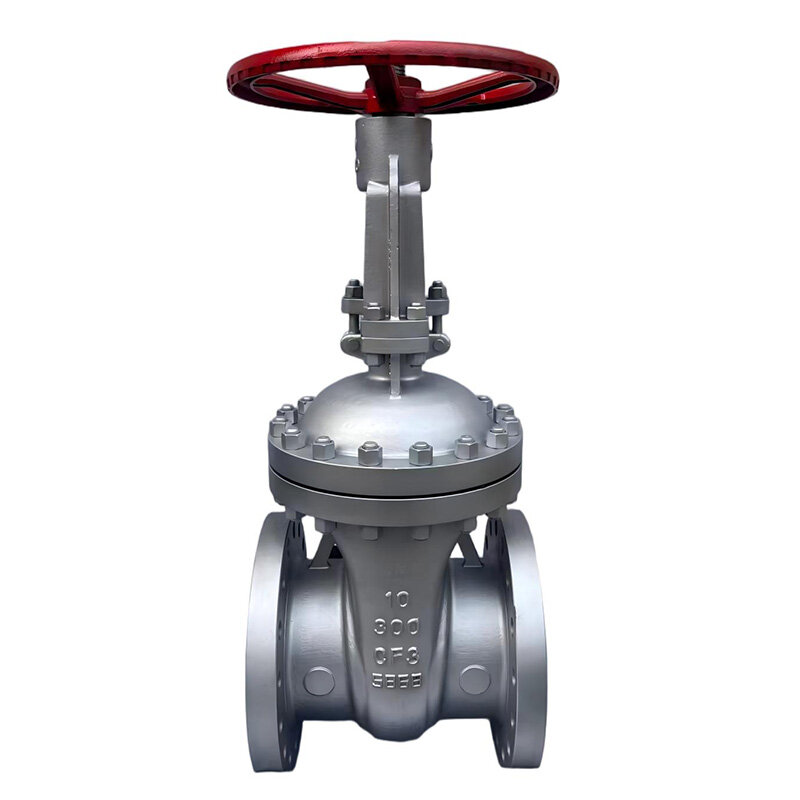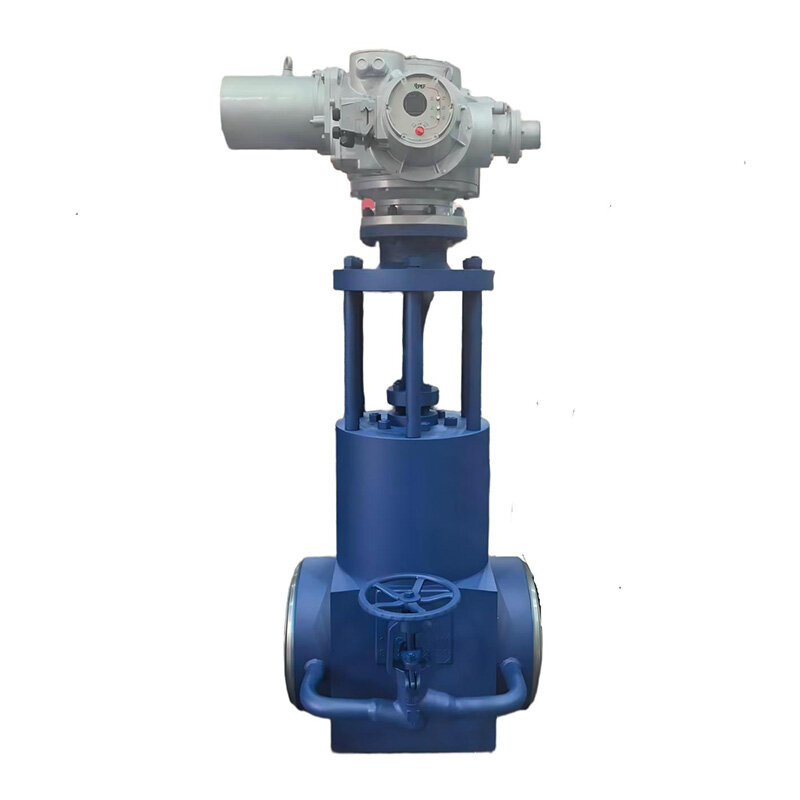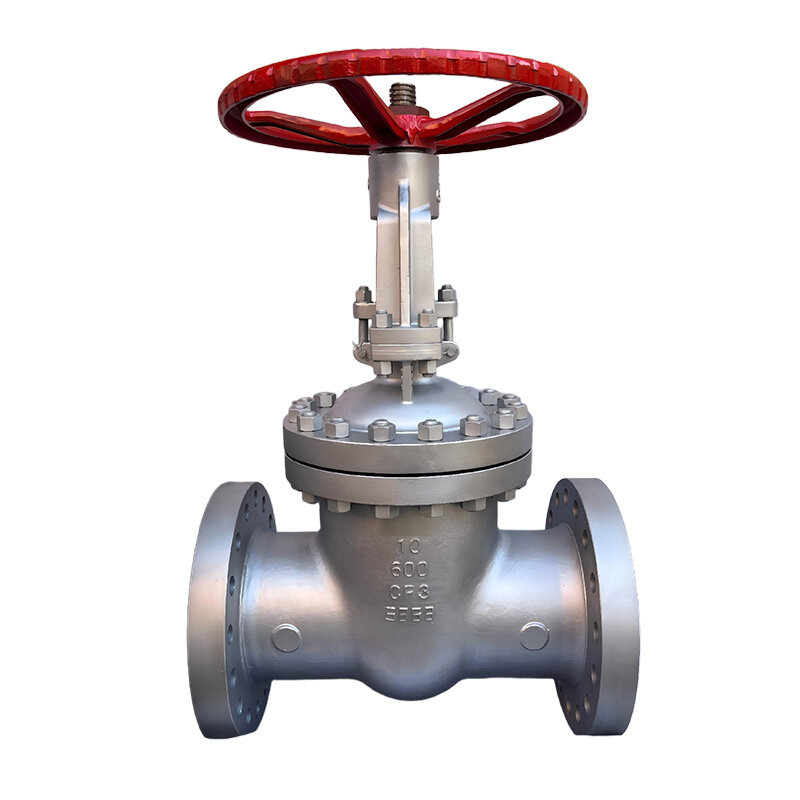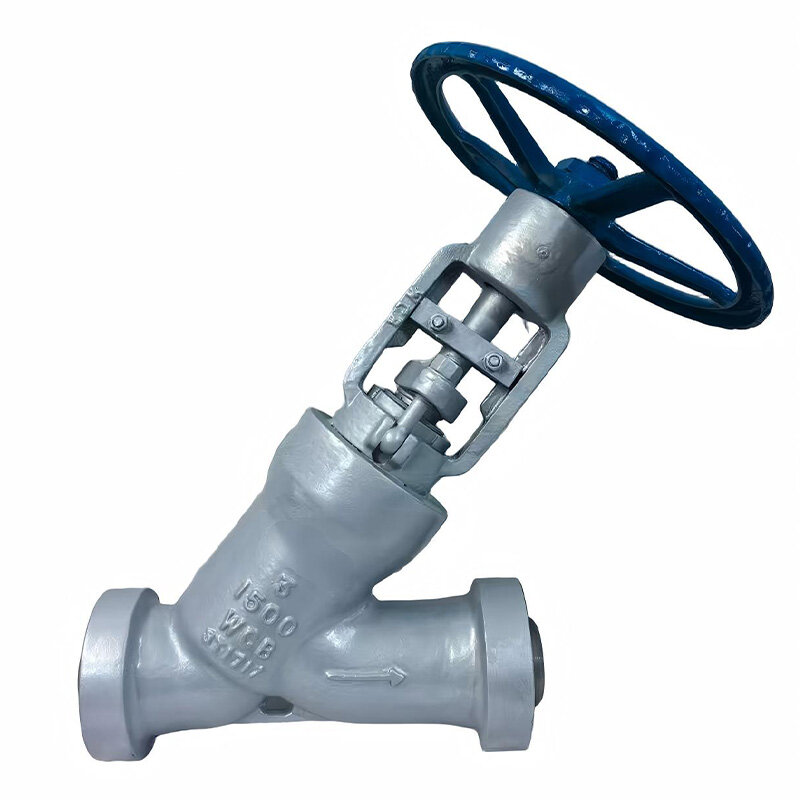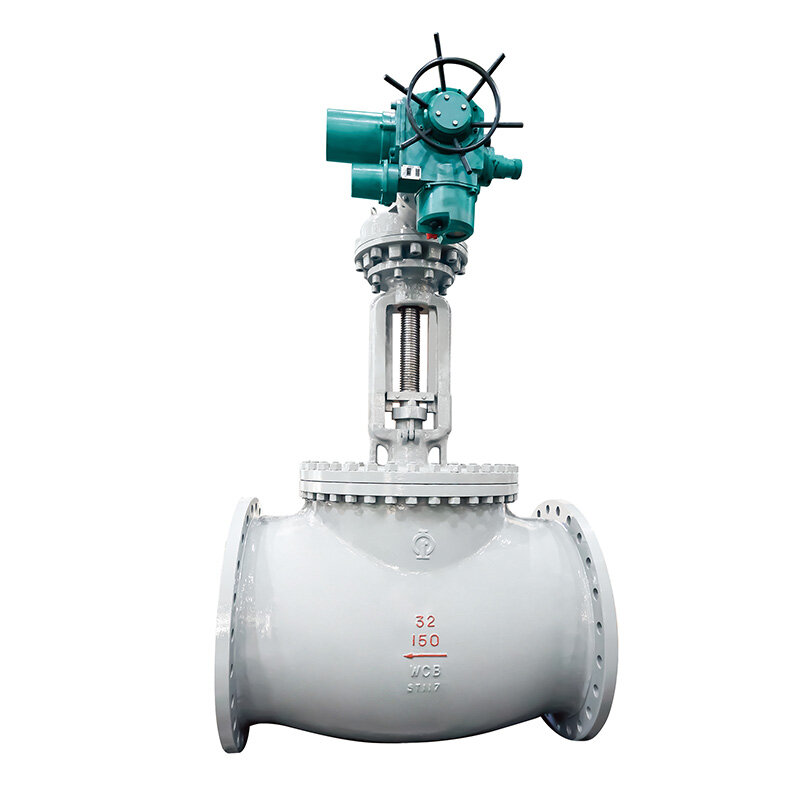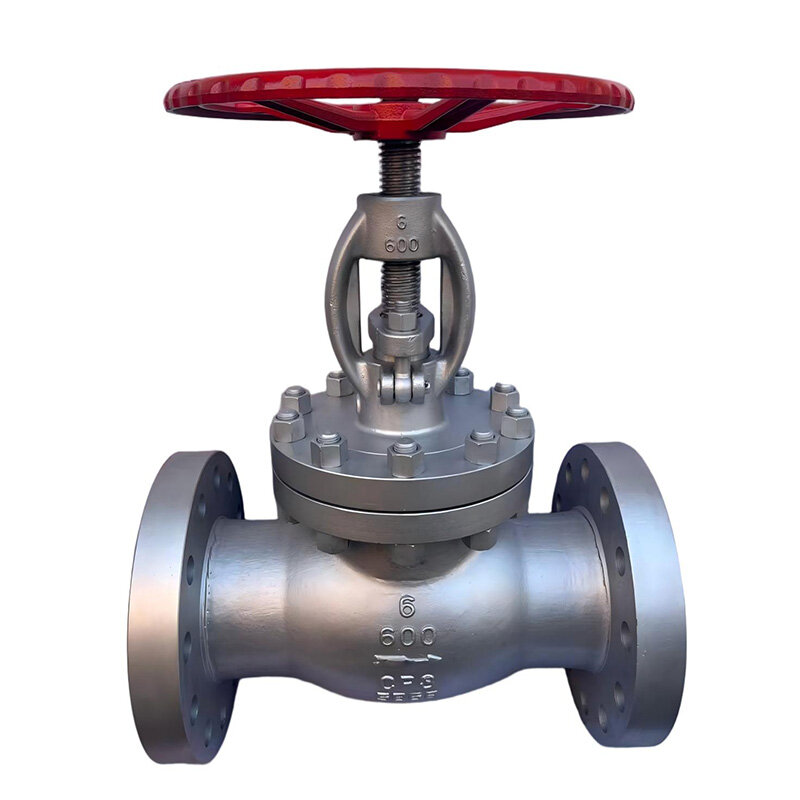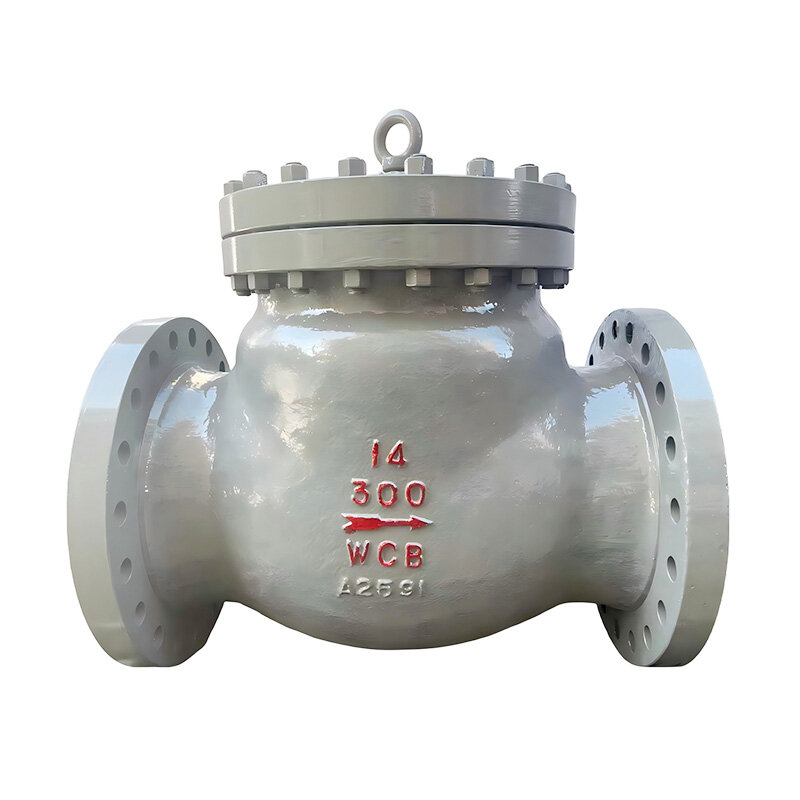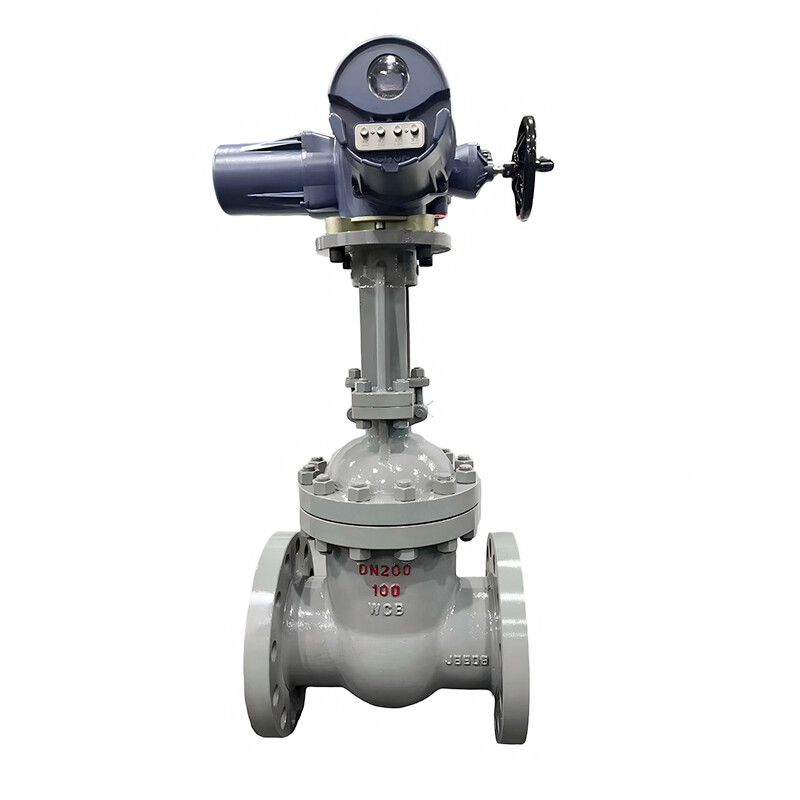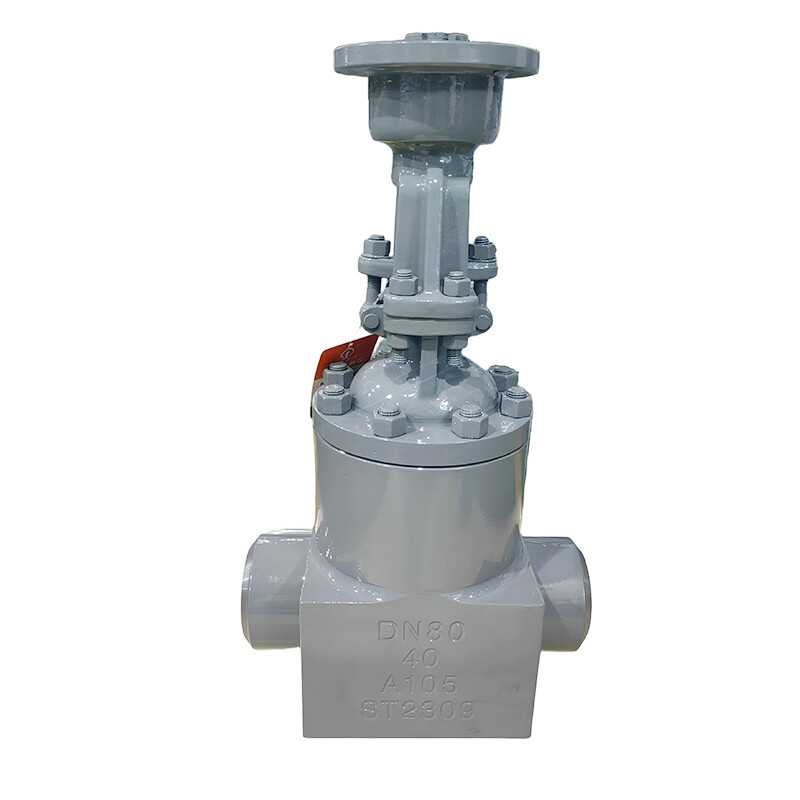
The correct installation and standardized use of API 6D check valves are of decisive significance for the safe operation of pipeline systems.
Firstly, the installation position must be determined according to the specific type of valve: the swing type API 6D check valve should be installed first in the horizontal pipe section, and the rotation axis of the valve disc should be kept horizontal to ensure that the valve disc can smoothly fall back to the closed position under the action of gravity; The lifting type API 6D check valve must be installed vertically, with the valve disc lifting vertically and relying on its own weight and reverse medium pressure to achieve reliable closure.
Secondly, sufficient length of straight pipe sections should be reserved before and after import and export to avoid vortex interference caused by elbows, tees, and other pipe fittings, which may cause valve disc vibration or unstable tapping, leading to premature wear of the sealing surface. In the case where the conveying medium contains a large amount of mechanical impurities or welding slag, a filter or temporary filter screen should be installed on the upstream side of the API 6D check valve to prevent foreign objects from embedding between the valve disc and the valve seat, causing poor closure.
In actual operation, common fault phenomena include valve disc jamming, sealing surface erosion damage, and spring fatigue fracture, which are mostly caused by improper selection or long-term deviation from design operating conditions. For example, in low flow rate situations where flow fluctuates frequently, the valve disc of the double flap API 6D check valve may experience sustained high-frequency tapping, causing rapid fatigue failure of the spring. In this case, a swing or gravity type springless structure should be used to eliminate the risk of spring failure. Regularly conducting online leakage detection and offline disassembly inspection on check valves can promptly detect the degree of wear on the sealing surface and arrange for grinding repair or replacement of valve disc components.
In addition, for check valves that are in a closed state for a long time, regular opening action tests should be conducted to prevent the valve disc from rusting and getting stuck due to long-term inactivity. Through scientific selection calculations, careful installation and construction, and standardized maintenance, API 6D check valves can maintain excellent check function throughout their entire lifecycle, providing a durable and reliable safety barrier for oil and gas pipelines, chemical reaction plants, and utility systems.