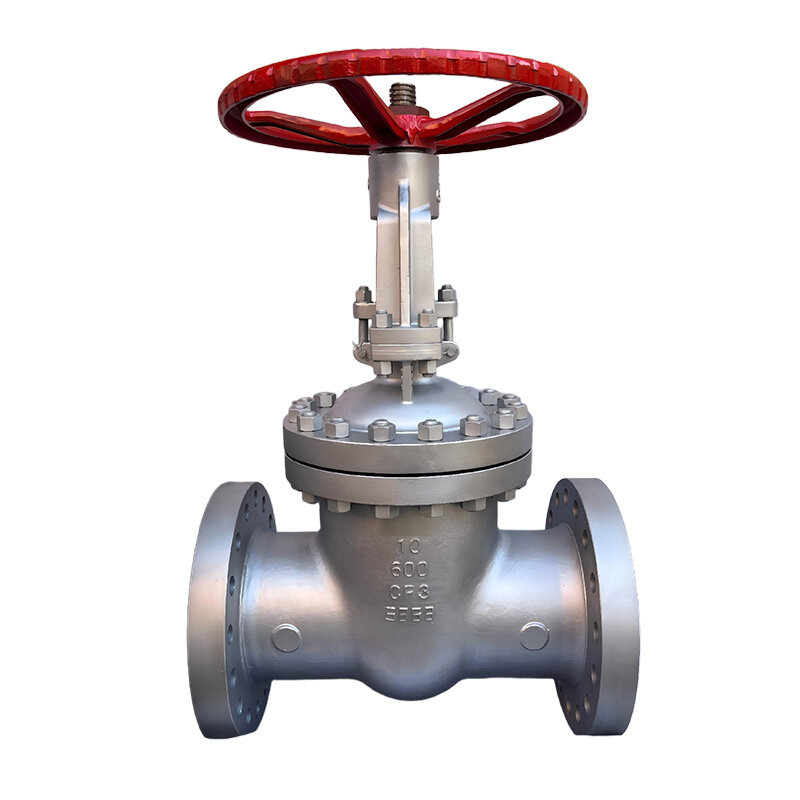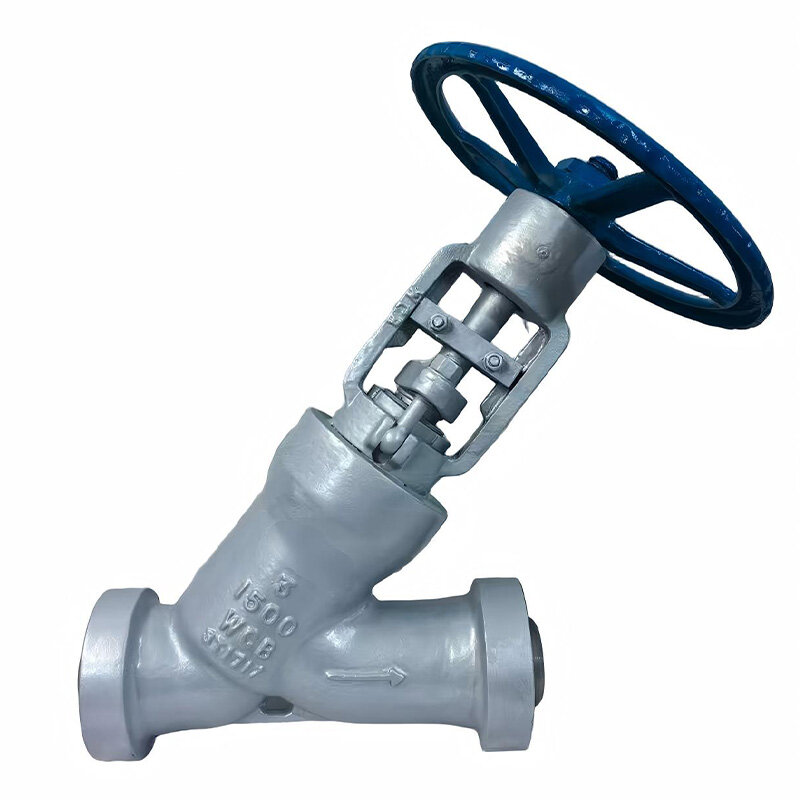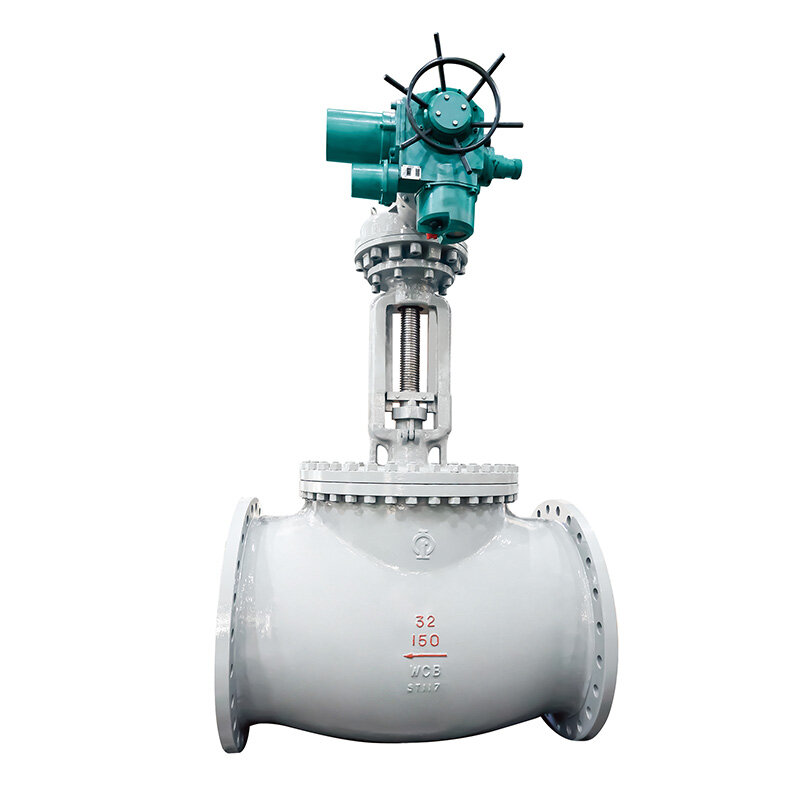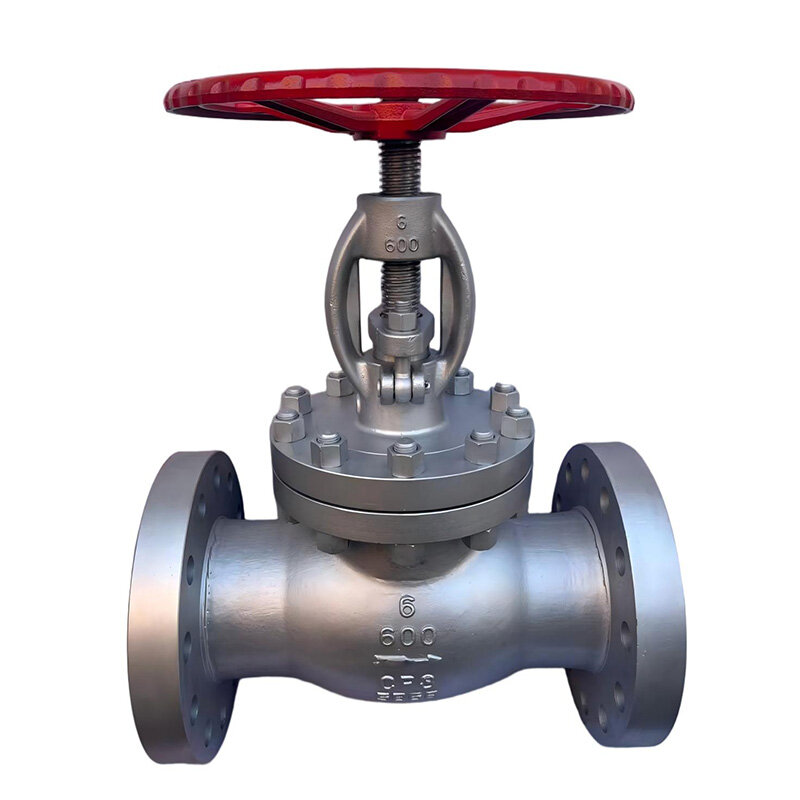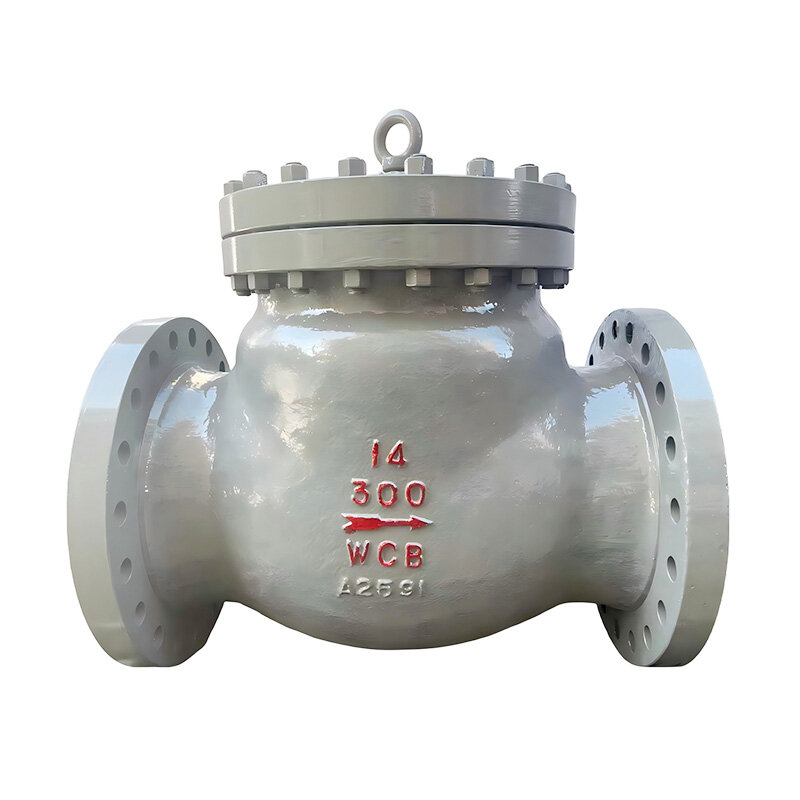
API 6D check valve is a pipeline valve that relies entirely on the flow energy of the medium itself to achieve automatic opening and closing. Its core mission is to prevent reverse fluid flow, thereby protecting key rotating equipment such as centrifugal pumps and compressors from reverse damage. The API 6D standard provides detailed regulations for the flow channel design, pressure testing methods, and labeling requirements of check valves, ensuring that the products have uniform interchangeability and reliability.
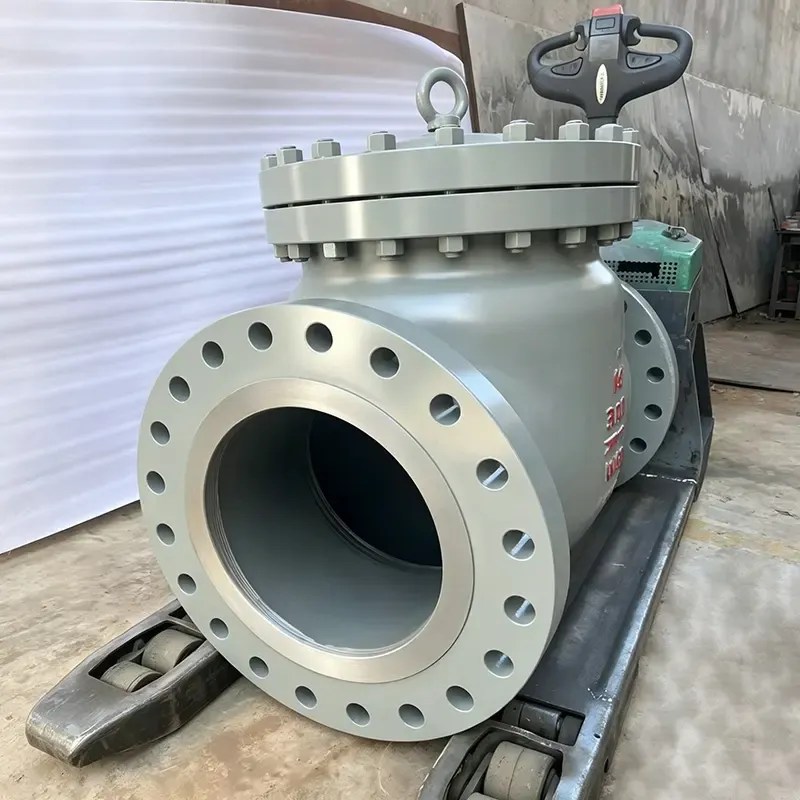
check valves are mainly divided into three basic types based on the different motion forms of the valve disc: swing type, lift type, and double disc type. The valve disc of the swing type API 6D check valve rotates around the pin shaft fixed on the valve body, and the inner wall of the flow channel presents a smooth arc transition with a small flow resistance coefficient. It is particularly suitable for installation in large diameter conveying pipelines with relatively high medium flow velocity in horizontal pipelines.
The valve disc of the lift type check valve moves vertically along the guide sleeve inside the valve body, and its sealing performance is better than that of the swing type structure. However, due to the many bends in the flow channel, the flow resistance is relatively high, and it is usually used for small-diameter vertical pipelines or branch systems that require high sealing performance. The double flap API 6D check valve adopts two symmetrically arranged valve flaps, which can quickly respond to the reverse pressure difference with the assistance of the closing spring, and quickly close to effectively suppress the peak of water hammer pressure. This feature makes it highly favored in long-distance conveying pipelines and high-frequency pulsating flow conditions.
All API 6D check valves must undergo shell hydrostatic testing and seat low-pressure air tightness testing in accordance with the corresponding standards before leaving the factory, to ensure that there is no visible leakage on the sealing surface under reverse pressure difference. In terms of material selection, the valve body of check valves is often made of high-quality carbon steel castings or stainless steel castings, while the internal components are made of corrosion-resistant alloys and surface hardened to resist erosion and chemical corrosion.
Reasonably selecting and correctly installing API 6D check valves can not only provide reliable safety guarantees for pipeline systems, but also maintain a low level of forward pressure drop due to their streamlined channel design, thereby saving pumping energy consumption and improving the operational economy of the entire conveying system.
Previous:Key selection points and maintenance strategies for API globe valves
Next:Installation Specification and Fault Prevention of API 6D Check Valve