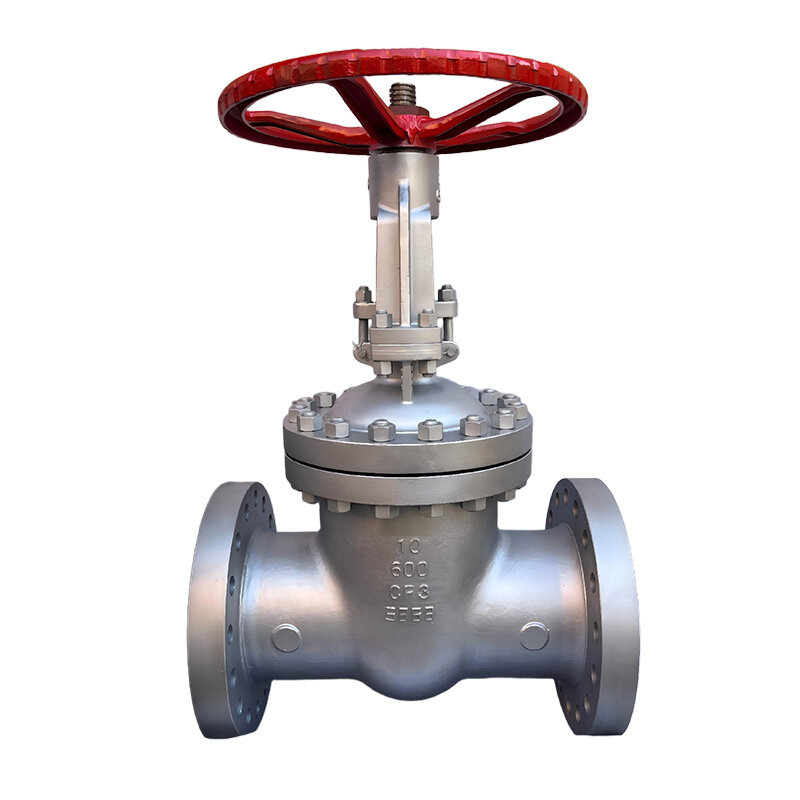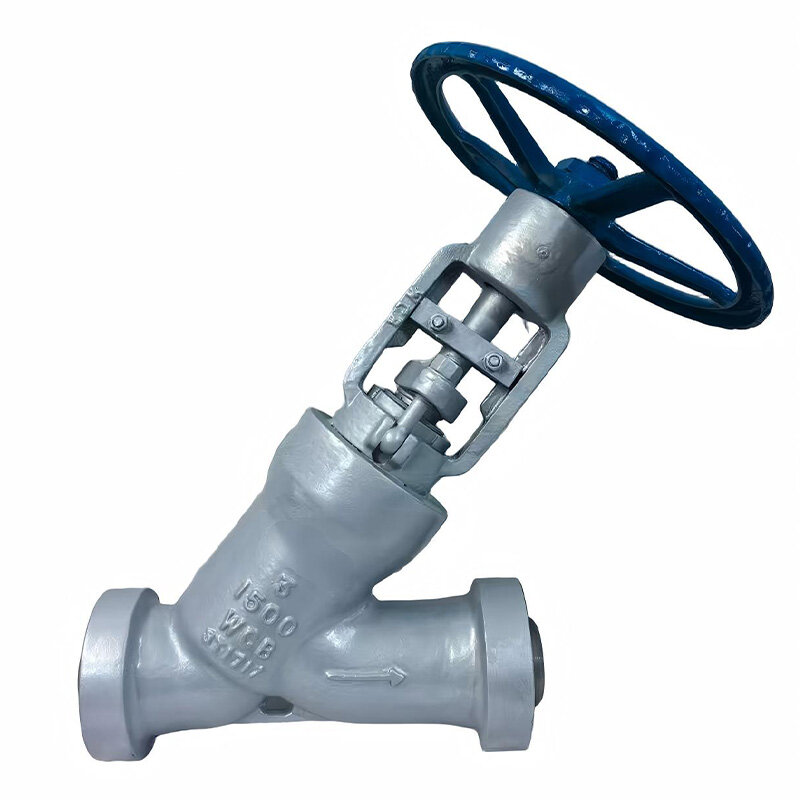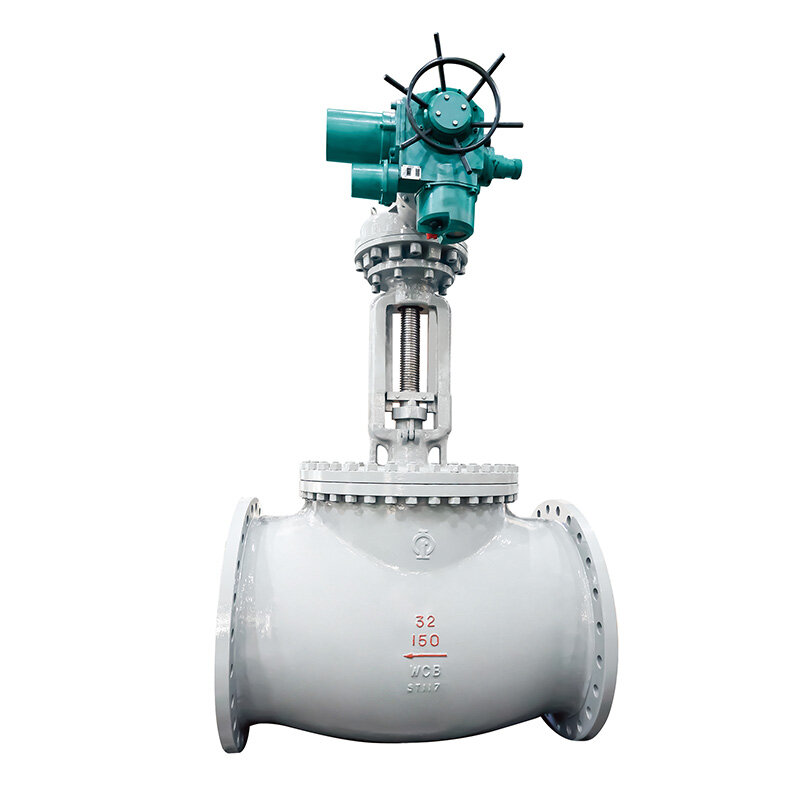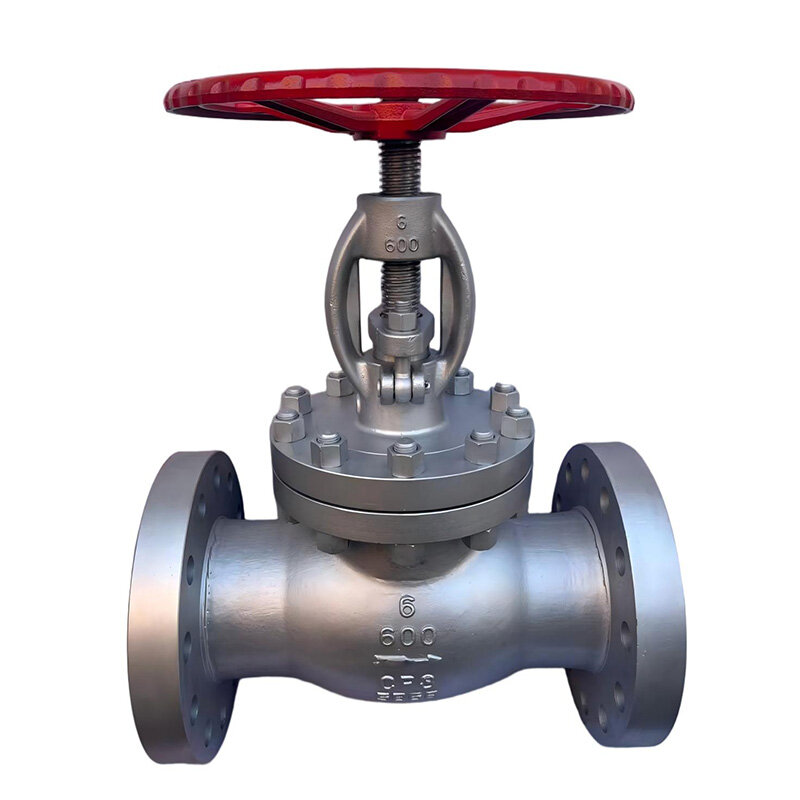
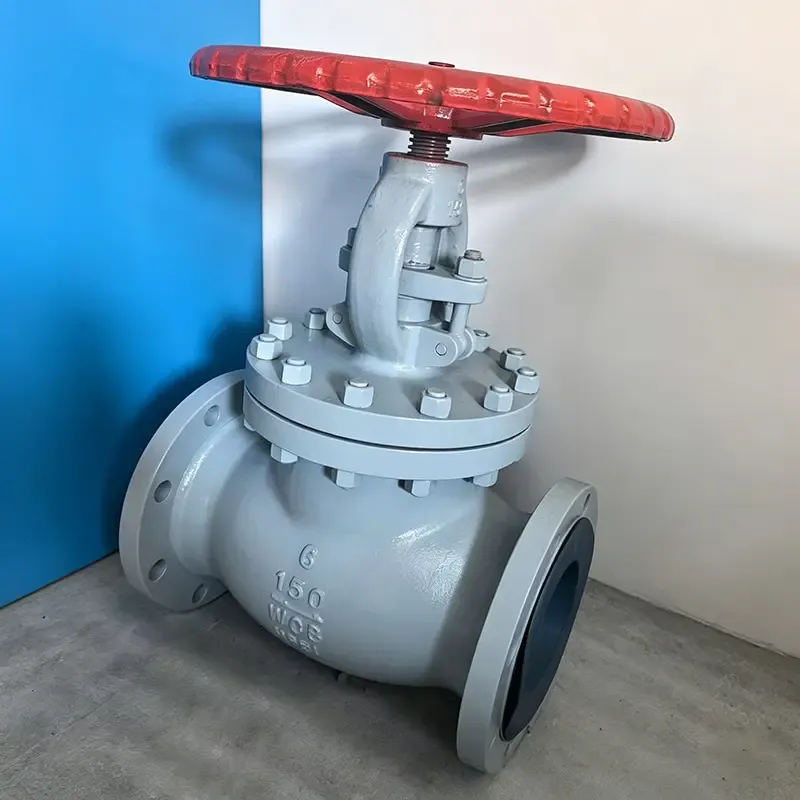
In the design and operation of petrochemical plants, the reasonable selection of API globe valves requires comprehensive consideration of various factors such as medium characteristics, operating frequency, and pipeline pressure drop.
For high viscosity media or fluids containing a small amount of solid particles, it is advisable to use a direct flow globe valve, whose flow channel is at a certain angle to the pipeline axis, and the flow resistance is significantly lower than the traditional straight through structure, which can effectively reduce energy loss and prevent particle deposition. For regulating conditions that require precise flow control, API globe valves with needle or parabolic valve discs can be selected. By rotating the handwheel, the valve stem can produce slight displacement, thereby achieving linear or equal percentage flow regulation characteristics.
The valve cover connection forms of API globe valves mainly include bolt connection and pressure self sealing. The pressure self sealing structure uses the pressure of the medium itself to push the sealing ring to produce radial expansion. The higher the pressure, the better the sealing effect, especially suitable for high-pressure and high-temperature steam pipelines. In daily maintenance, operators should focus on checking whether there is external leakage in the packing box of the globe valve. If leakage is found, the packing gland bolts should be tightened evenly in a timely manner. If the packing has aged and hardened, new flexible graphite or polytetrafluoroethylene packing should be replaced.
At the same time, the sealing surface of API globe valves should be regularly inspected for color. If pits or scratches are found on the sealing surface of the valve disc or seat, specialized grinding tools can be used for repair to restore its flatness and smoothness. For globe valves used in environments containing hydrogen sulfide or wet hydrogen, the valve body and internal components must be made of alloy steel that is resistant to sulfide stress corrosion, and strict heat treatment process control must be carried out in accordance with relevant international standards to avoid hydrogen induced cracking accidents.
When operating the API shut-off valve, the handwheel or actuator should be turned slowly and smoothly, and excessive force or rapid shut-off should be avoided to prevent water hammer impact from damaging the sealing surface. Mastering these selection and maintenance essentials can maximize the performance advantages of API globe valves, extend their online service life under harsh conditions, and provide long-lasting and reliable cutoff and regulation functions for industrial production.
Previous:Manufacturing standards and sealing mechanism of API globe valves
Next:Types and structural characteristics of API 6D check valves