Product Overview
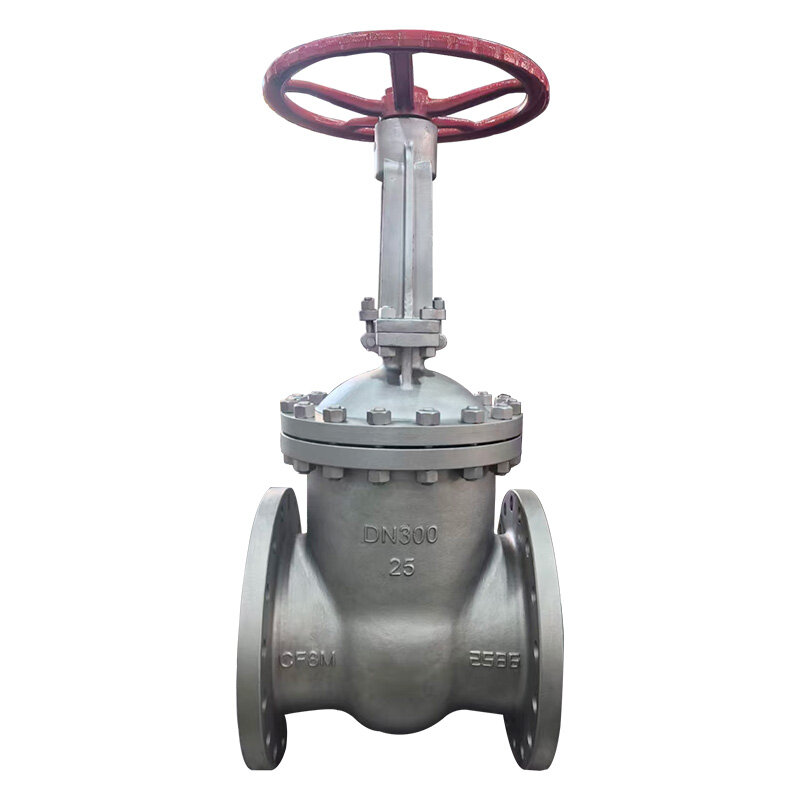
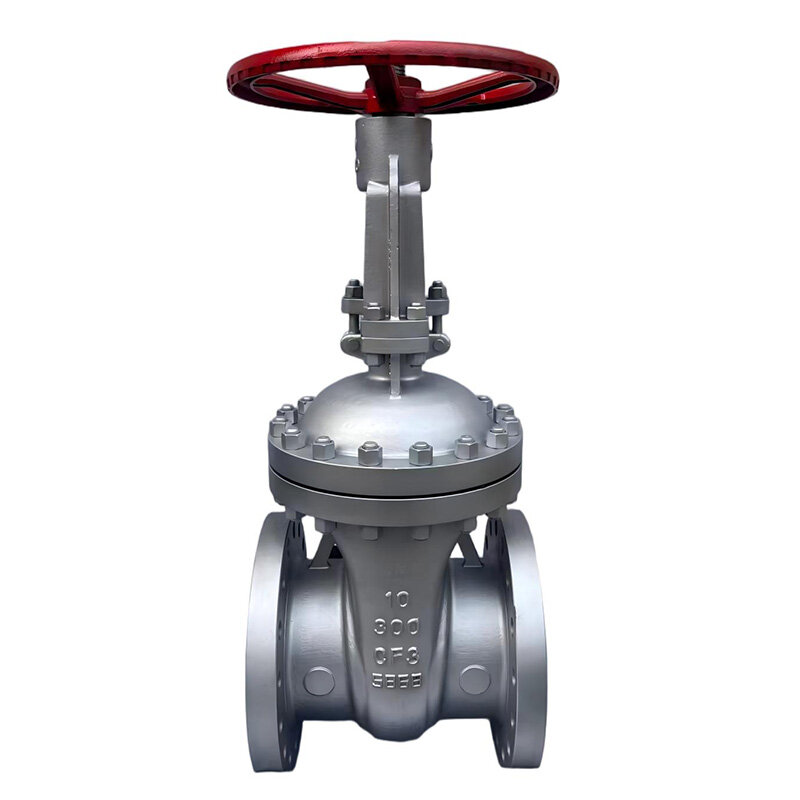
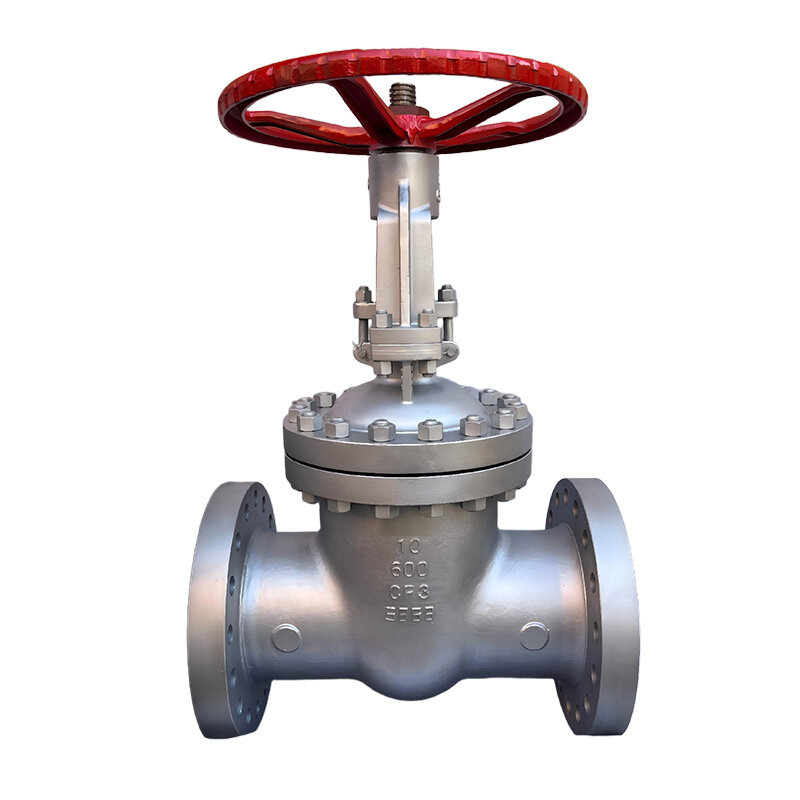
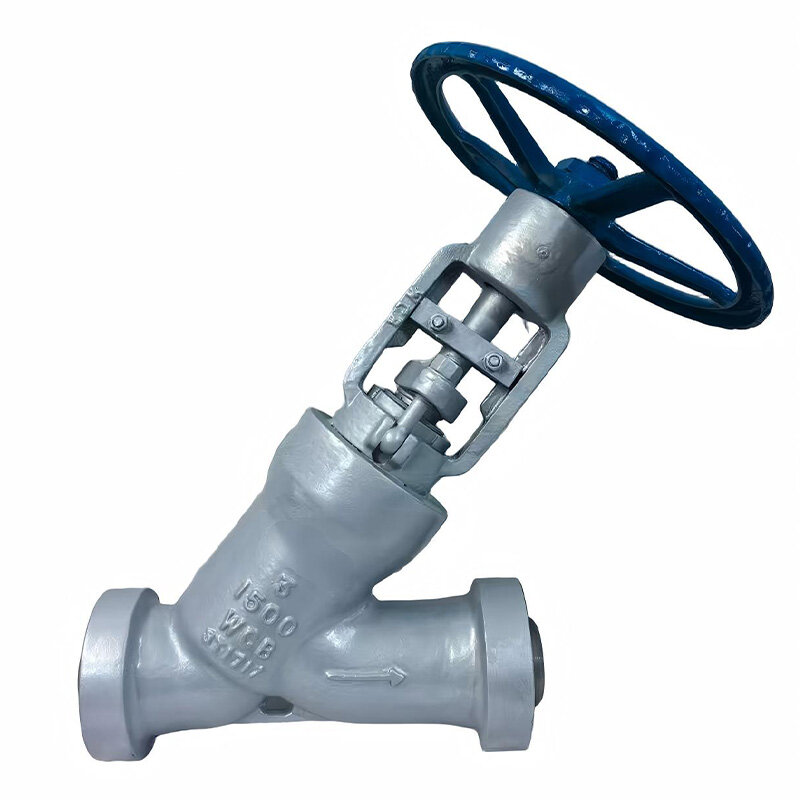
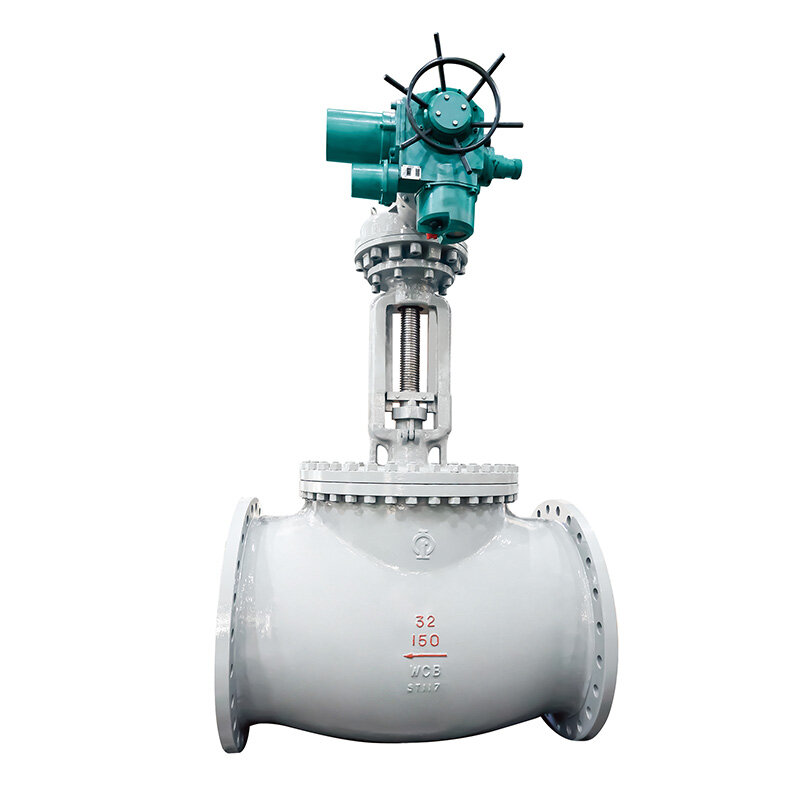
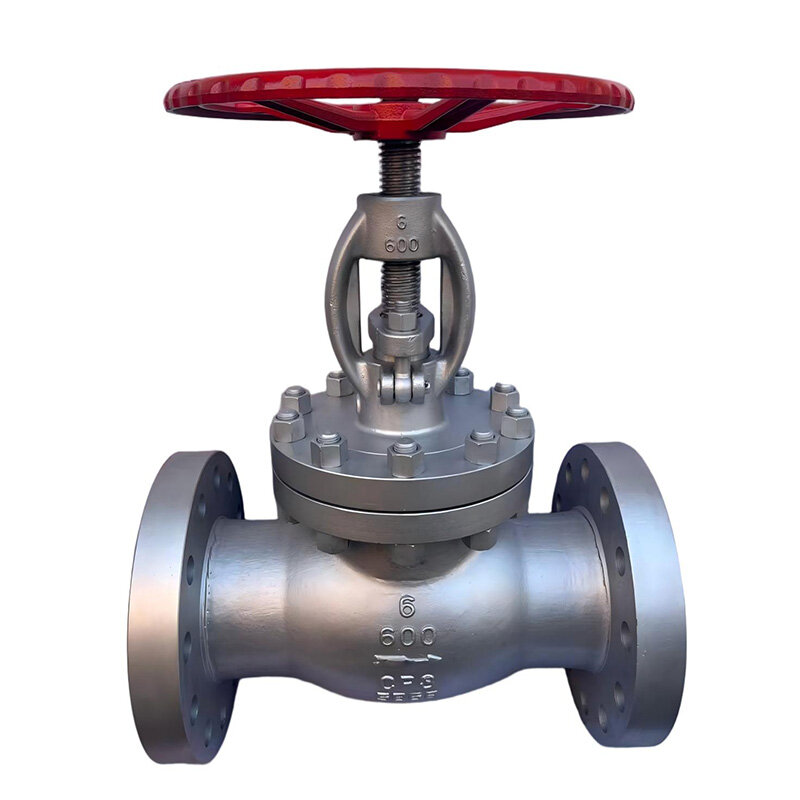
Manual Operated Rising Stem Flanged Type Stainless Steel Wedged Gate Valve is designed for reliable shut-off in industrial pipeline systems. Made from corrosion-resistant stainless steel, it features a rising stem for clear open and close indication, flanged ends for secure installation, and a wedge gate for tight sealing. Ideal for oil, gas, chemical, and water treatment applications, it offers low flow resistance, durable performance, and easy manual operation under high-pressure and high-temperature conditions.
Executive Standards
The manufacturing, testing, and quality assurance of this stainless steel wedged gate valve strictly adhere to the following international and industrial standards to ensure reliability, safety, and interchangeability. The design complies with API 600, API 602, and BS 1873 specifications, which govern the bolted bonnet steel gate valves. Face-to-face dimensions are manufactured according to ANSI B16.10, ensuring seamless integration into existing pipeline systems. Flange dimensions conform to ANSI B16.5, providing standardized connection interfaces. The valve undergoes rigorous pressure testing in accordance with API 598, which sets the standards for inspection and testing of valves. Additionally, the fire-safe design meets the requirements of API 607, ensuring operational safety in high-risk environments. These comprehensive standards guarantee that the valve performs consistently under demanding industrial conditions.
Material Standards
The valve is constructed using high-grade materials to resist corrosion, erosion, and high temperatures. The body and bonnet are forged or cast from ASTM A182 F304, F316, or F321 stainless steel, providing excellent mechanical properties and resistance to oxidizing environments. The wedge and seat rings are typically made from ASTM A182 F304L, F316L, or F347, often enhanced with Stellite hardfacing to improve wear resistance and sealing performance. The stem is crafted from ASTM A182 F304, F316, or F321, ensuring high tensile strength and corrosion resistance. Gaskets and seals utilize materials such as Graphite, PTFE, or RTFE, selected based on the specific temperature and chemical resistance requirements of the application. These material standards ensure the valve maintains integrity even in aggressive media and high-pressure scenarios.
Technical Parameters
This valve is engineered to operate under a wide range of technical specifications to suit diverse industrial needs. The nominal pressure rating ranges from ANSI Class 150 to 2500, accommodating various system pressures. The nominal diameter is available from NPS 1/2" to 24", providing flexibility in pipeline sizing. The operating temperature range typically spans from -29°C to +425°C, depending on the specific material grade and trim selected. The valve is designed for a service life exceeding 10,000 cycles, ensuring long-term reliability. The flow characteristic is linear, allowing for full flow when fully open and complete shut-off when closed. These technical parameters make the valve suitable for critical applications in oil and gas, chemical processing, and power generation industries.
Finishing and Surface Treatment
The finishing and surface treatment of the valve are critical to its performance and longevity. The internal and external surfaces of the body and bonnet undergo precision machining to ensure smooth flow paths and proper component alignment. All wetted parts are passivated according to ASTM A967 to remove free iron and enhance the chromium oxide layer, significantly improving corrosion resistance. The exterior surfaces are often treated with a mirror polish or satin finish, not only for aesthetic appeal but also to reduce surface area for contamination and facilitate cleaning. The stem features a super-finished surface to minimize friction and wear on the packing. The wedge and seat surfaces are lapped to achieve a mirror finish, ensuring a bubble-tight shutoff and preventing leakage. These meticulous finishing processes guarantee the valve meets the highest standards of hygiene and performance.
Marking and Nameplate
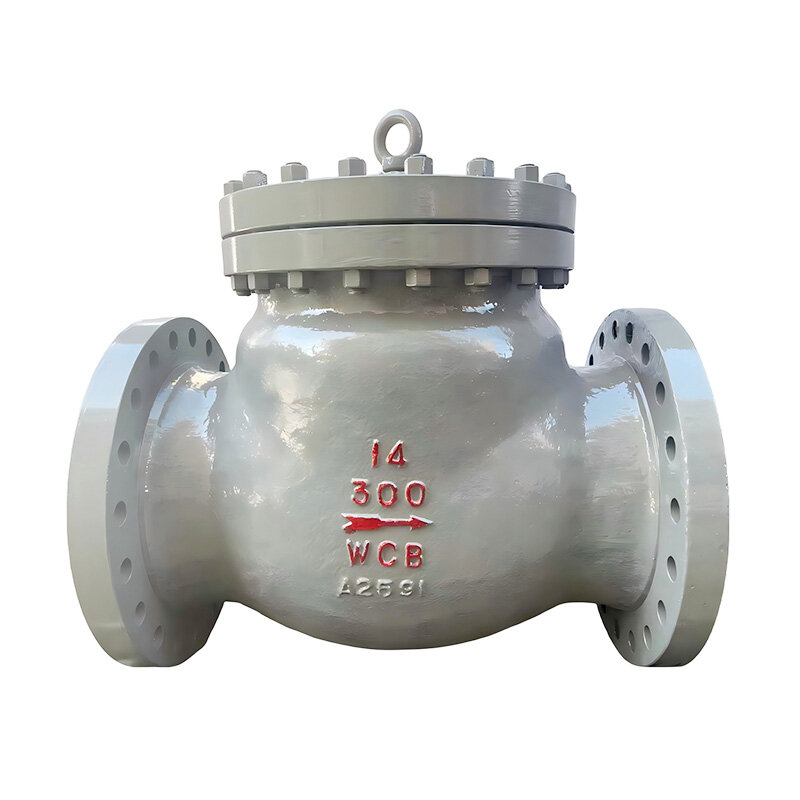
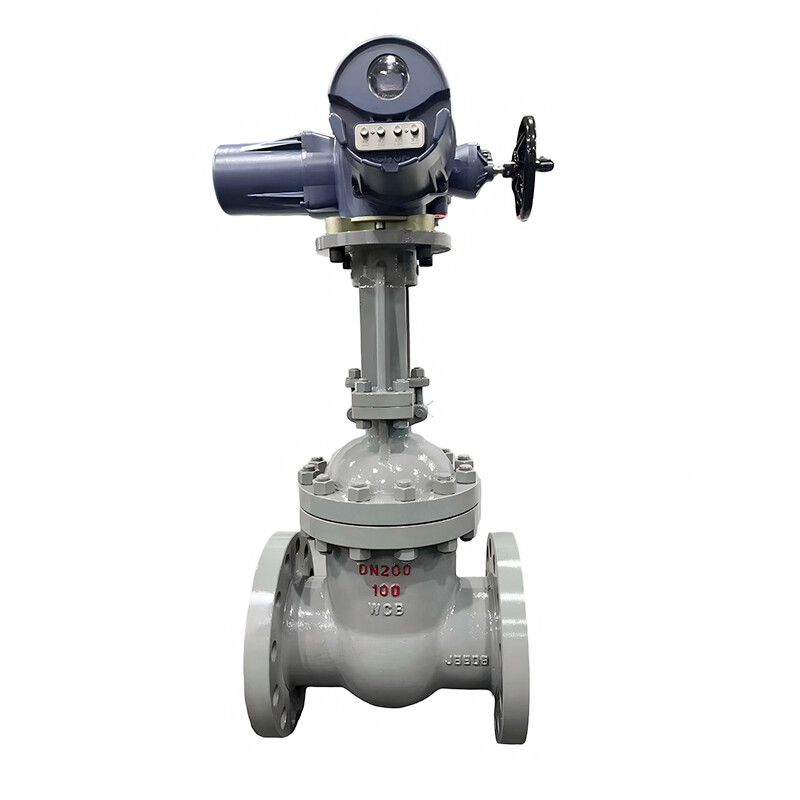
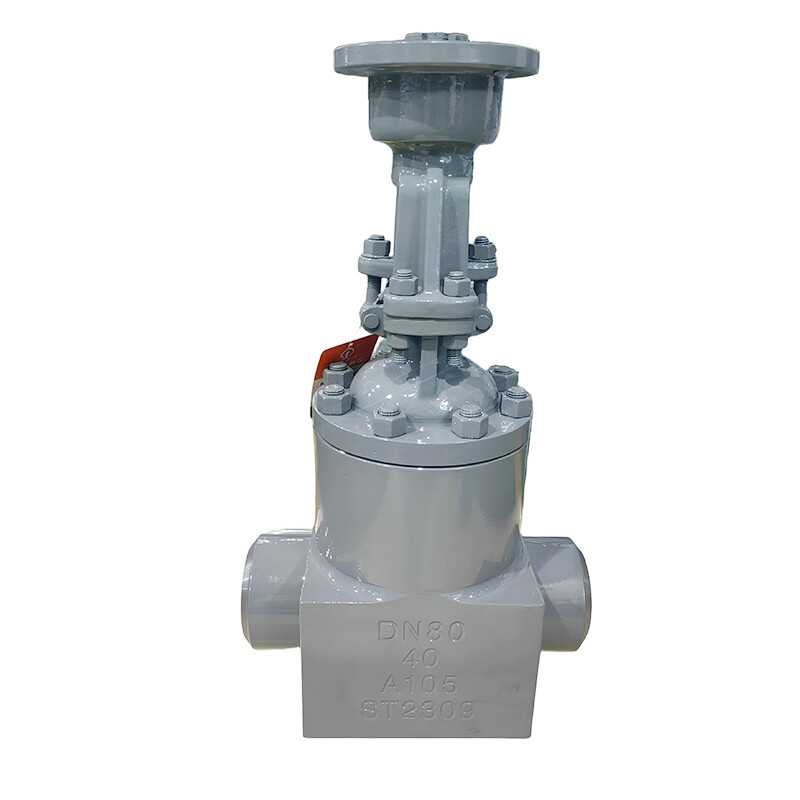
Clear and permanent marking is essential for identification, traceability, and safe operation. The valve body features raised lettering indicating the manufacturer's logo, size, pressure class, and material grade. A durable nameplate, typically made of stainless steel or aluminum, is affixed to the valve housing. This nameplate contains critical information such as the valve model number, serial number, flow direction arrow, and maximum operating pressure and temperature. Additionally, the nameplate indicates compliance with relevant standards such as API 600 and ASME B16.34. The stem nut is also marked to indicate the open and closed positions, aiding operators in determining the valve status at a glance. These markings ensure that the valve can be correctly installed, maintained, and operated throughout its service life.
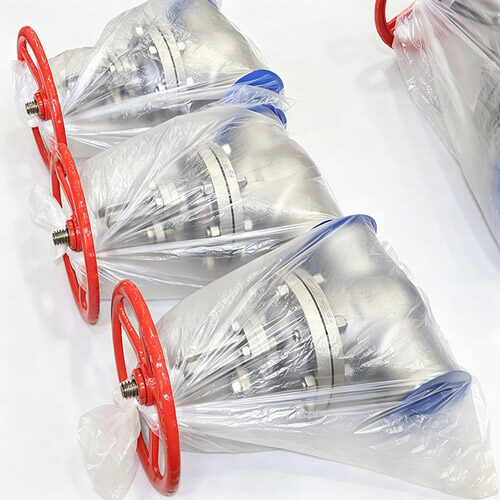
What Is a Rising Stem Manual Operated CF8 Flange End Stainless Steel Wedged Gate Valve
A Rising Stem Manual Operated CF8 Flange End Stainless Steel Wedged Gate Valve is a corrosion resistant isolation valve used for full open or full closed service in industrial pipelines. CF8 is a cast stainless steel material with excellent resistance to rust and chemical attack. The rising stem design provides visible indication of valve position. A handwheel moves the wedge gate vertically, and flanged ends allow secure installation and easy maintenance.
Why the Rising Stem Manual Operated CF8 Flange End Stainless Steel Wedged Gate Valve Matters
This valve is important because it combines dependable shutoff with clear visual confirmation of whether the valve is open or closed. CF8 stainless steel performs well in corrosive and sanitary environments. Manual operation is simple and reliable, requiring no external power source. The wedged gate design ensures tight sealing, while the flanged connection supports convenient installation, inspection, and replacement in critical process systems.
Common Product Types by Rising Stem Manual Operated CF8 Flange End Stainless Steel Wedged Gate Valve
Common product types include outside screw and yoke gate valves, bolted bonnet designs, and flexible wedge configurations. Solid wedge gates are used for general service, while flexible wedges improve seat contact during thermal expansion. Different flange standards, trim materials, and seat facings are available to suit chemical processing, water treatment, food production, and marine applications.
Key Advantages of Rising Stem Manual Operated CF8 Flange End Stainless Steel Wedged Gate Valve
The valve offers excellent corrosion resistance, reliable bidirectional sealing, and low pressure drop when fully open. The rising stem design makes valve position easy to identify. Manual handwheel operation is straightforward and easy to maintain. CF8 stainless steel provides long service life and clean operation, while flanged ends simplify installation and maintenance in demanding industrial environments.
Rising Stem Manual Operated CF8 Flange End Stainless Steel Wedged Gate Valve Machine Structure and Core Stations
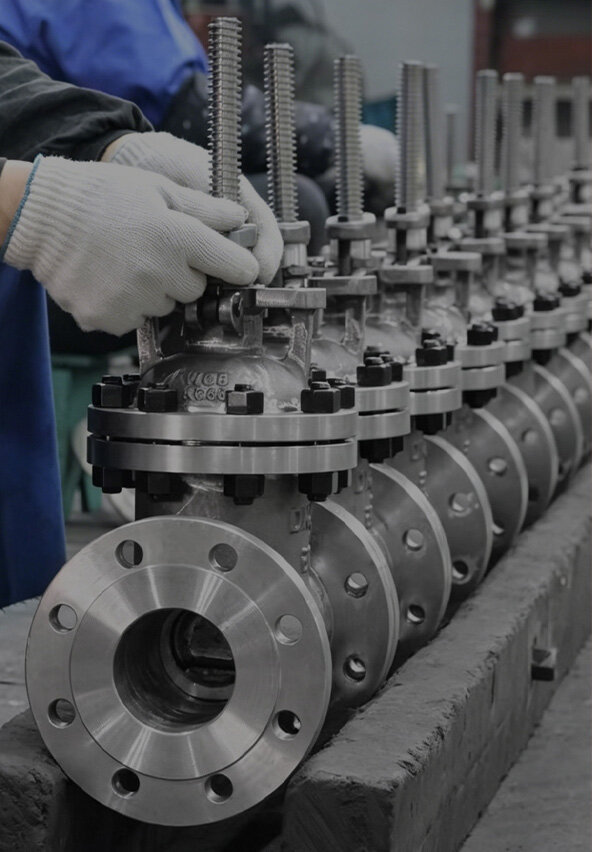
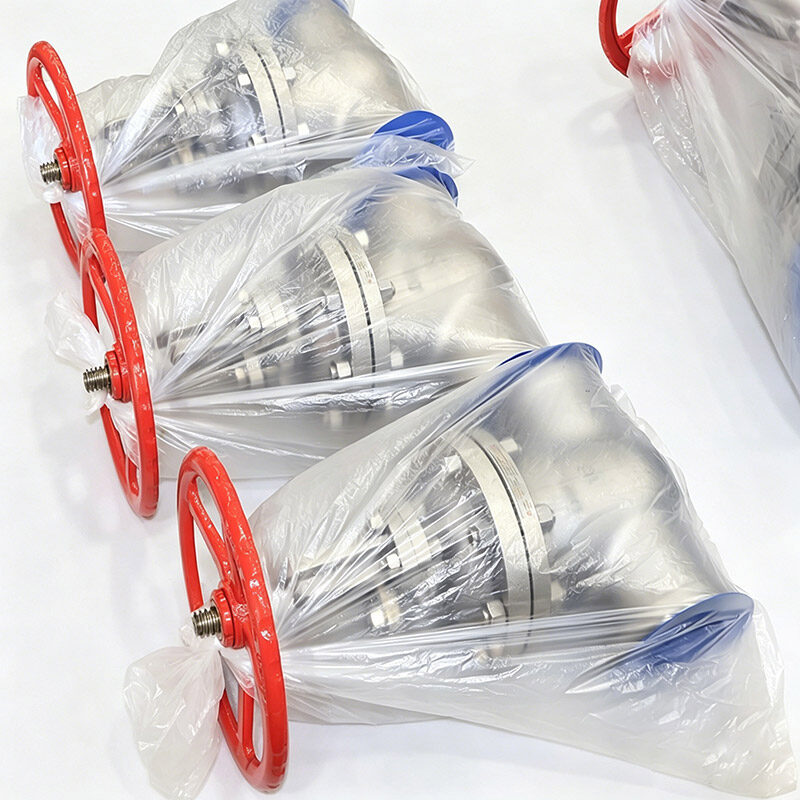
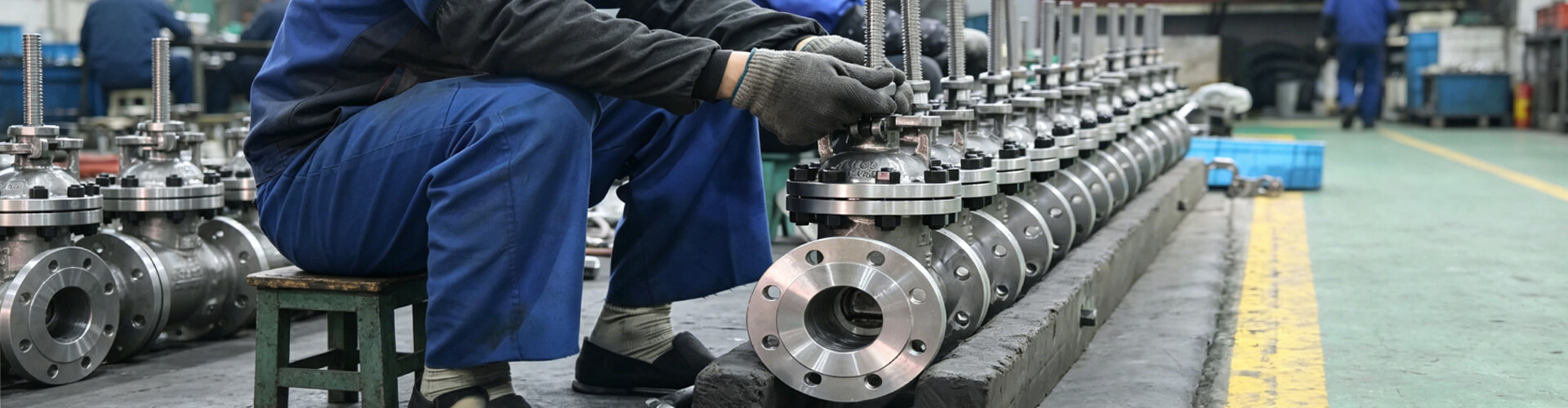
Manufacturing begins with precision casting of the body, bonnet, wedge, and stem components in CF8 stainless steel. Core stations include solution treatment, CNC machining of flange faces, guide grooves, stem threads, and sealing surfaces. Assembly stations install the wedge, stem, packing, bonnet, and handwheel. Final operations include seat lapping, pressure testing, cleaning, passivation, marking, and packaging to ensure corrosion resistance and leak tight performance.
Previous:GB Standard Rising Stem Manual Operated CF8 Flange End Stainless Steel Wedged Gate Valve
Next:GOST Welded End WC9 High Temperature High Pressure Gate Valve