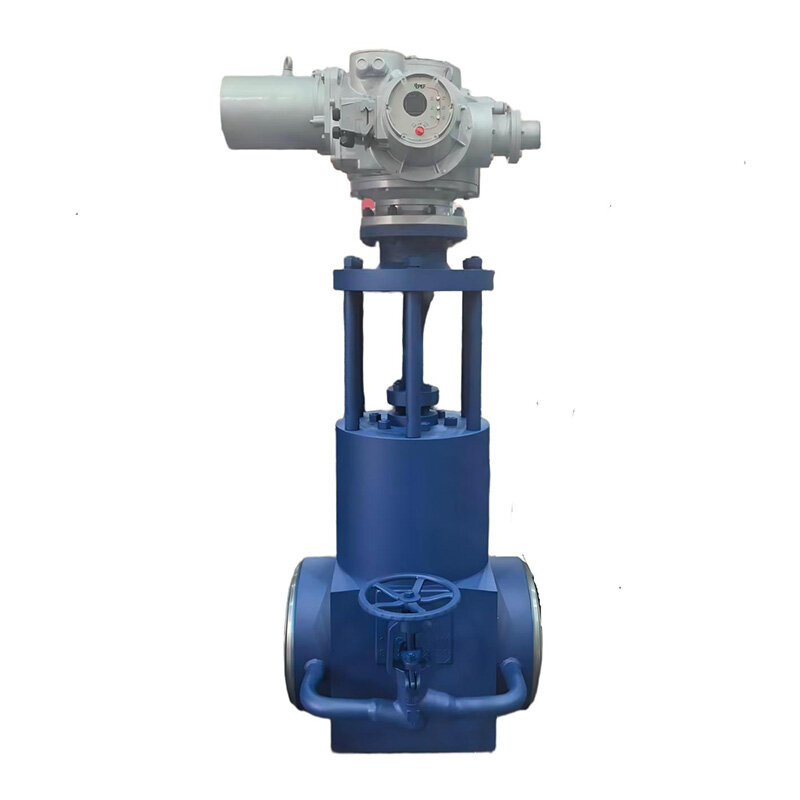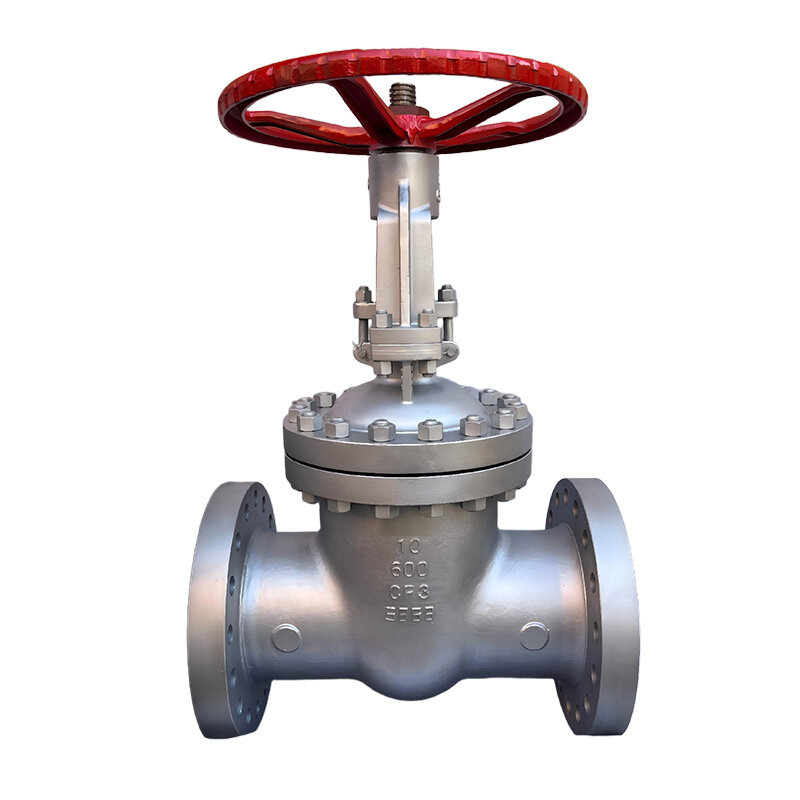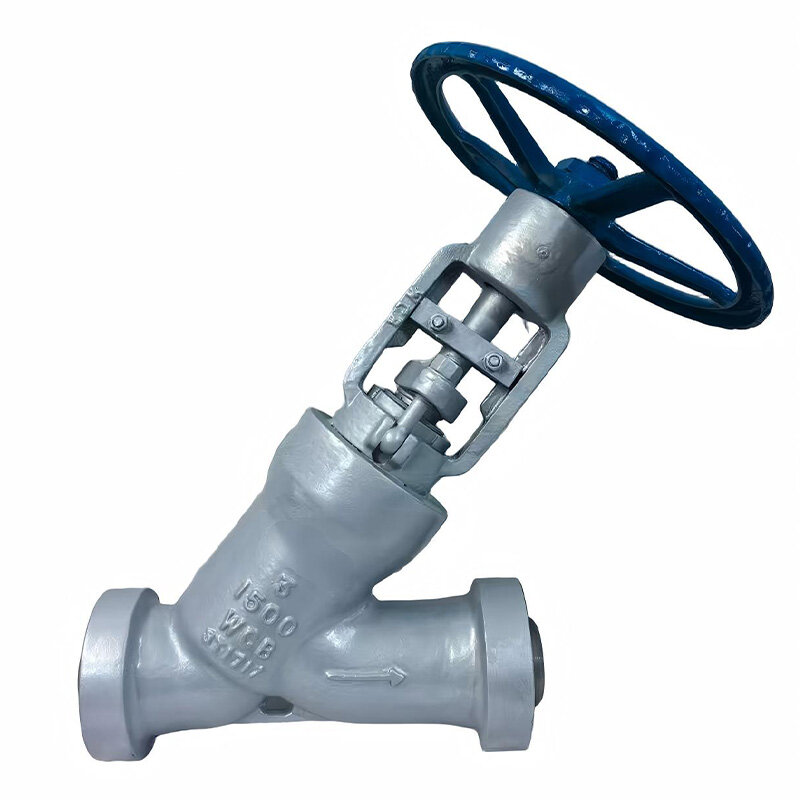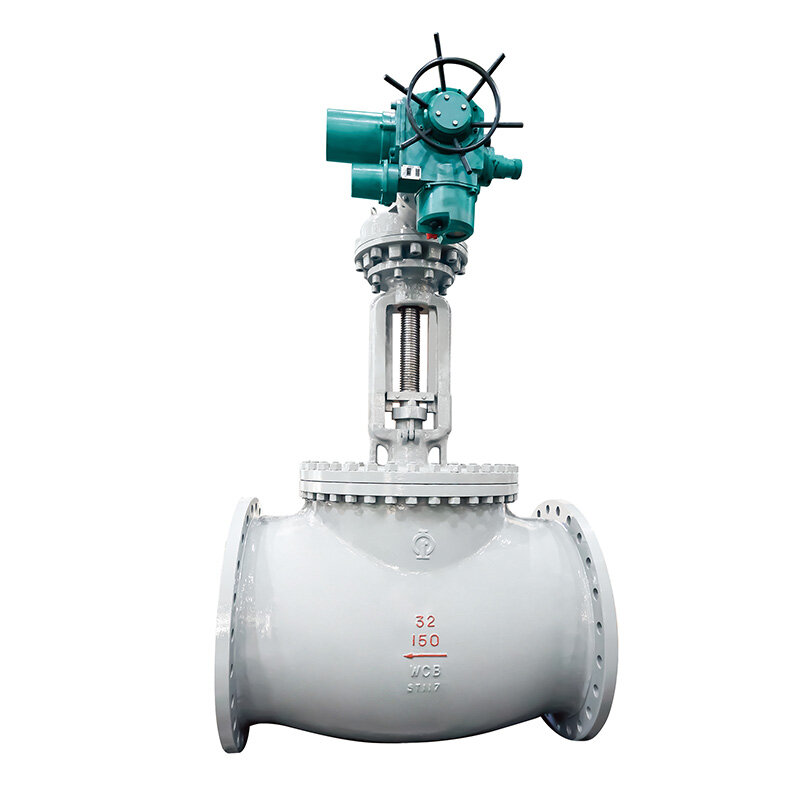
Product Overview
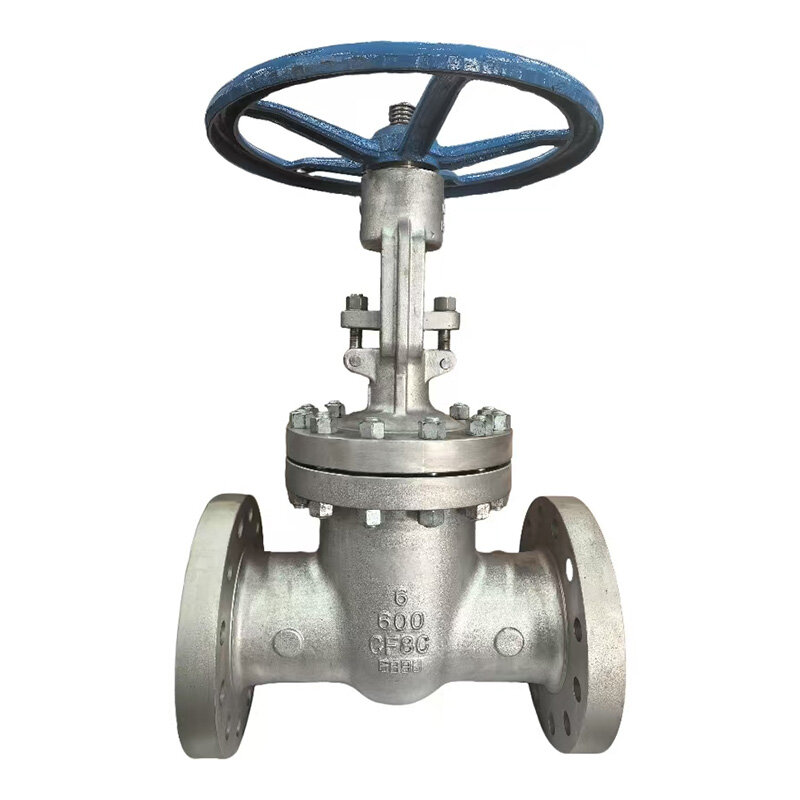
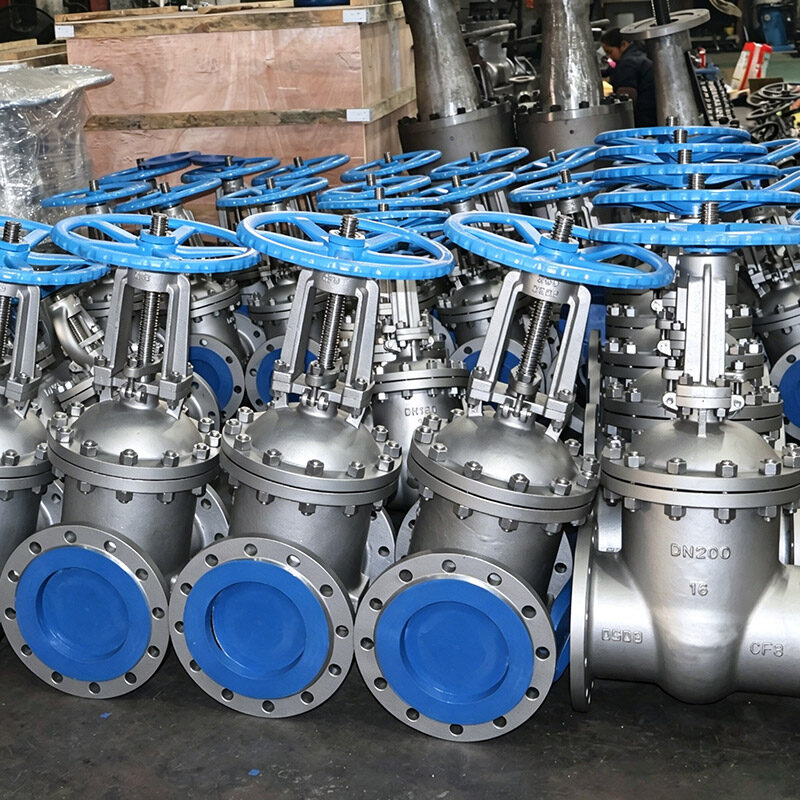
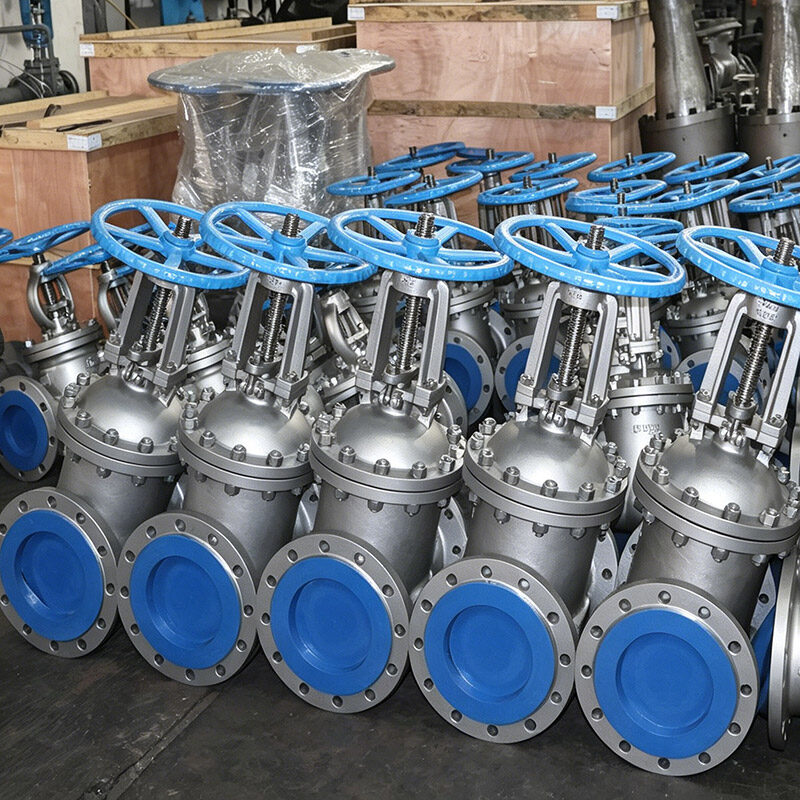
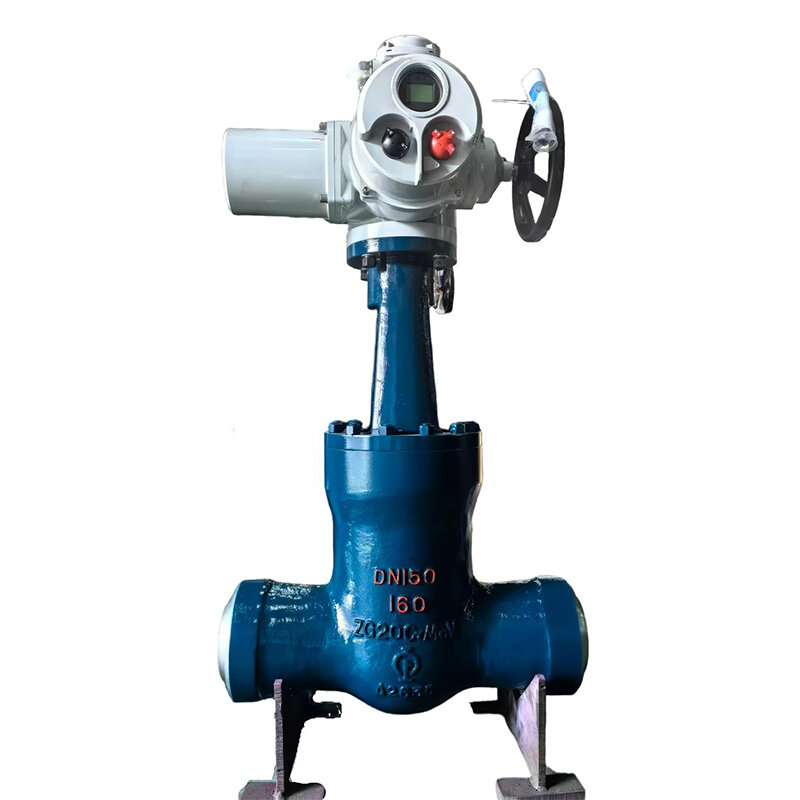
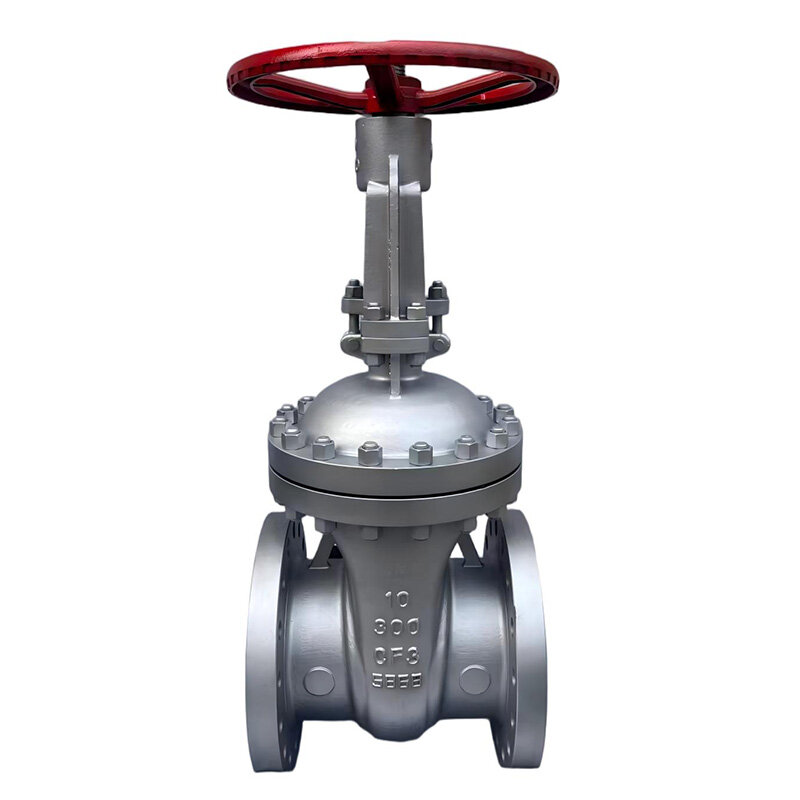
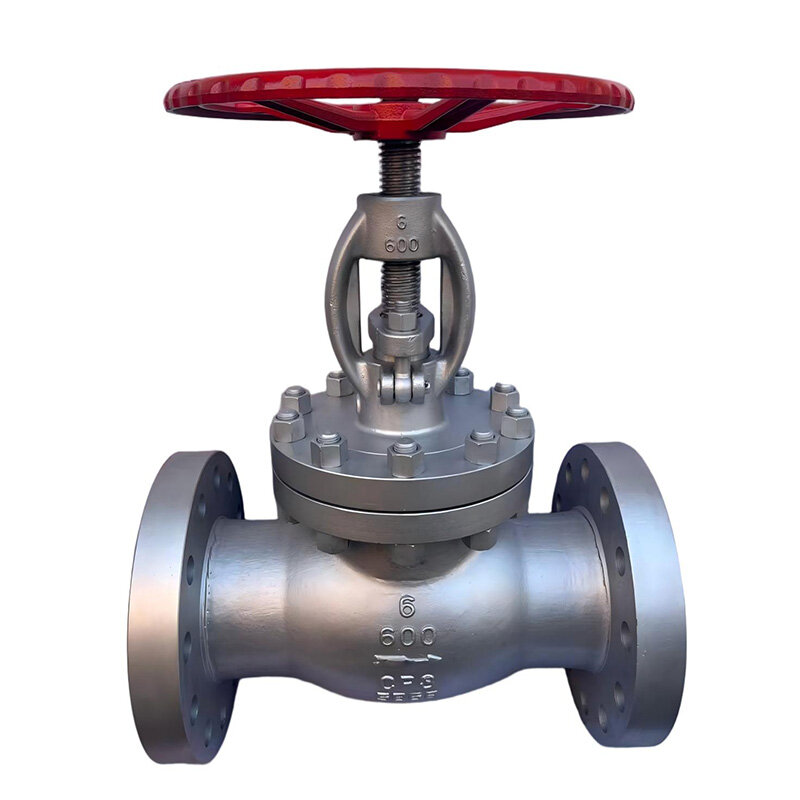
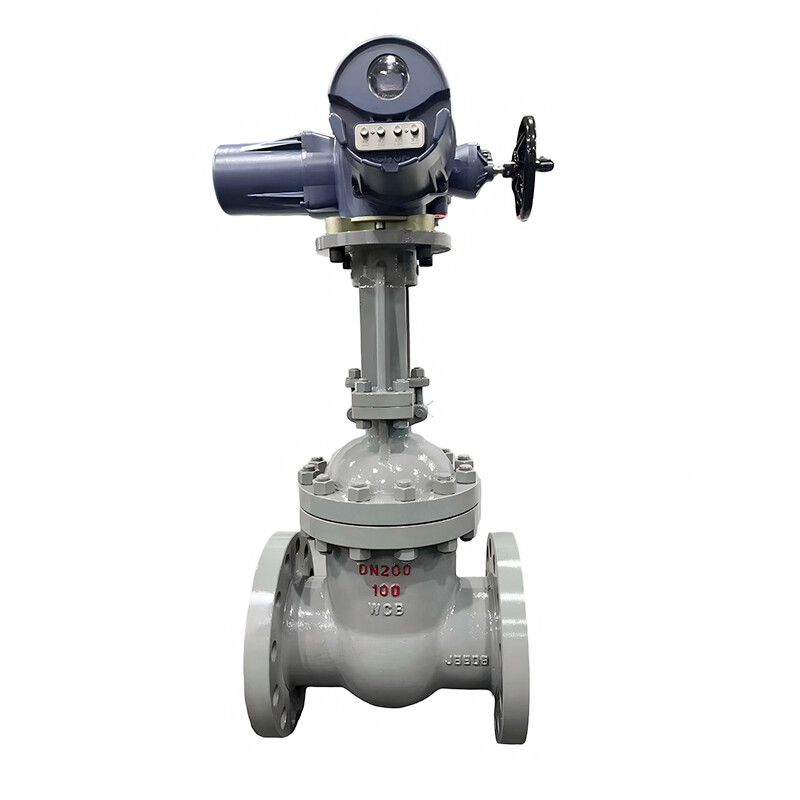
GB Standard Rising Stem Manual Operated CF8 Flange End Stainless Steel Wedged Gate Valve is a widely used isolation valve designed to provide reliable shut-off performance in industrial piping systems. Manufactured in accordance with Chinese GB standards, this type of gate valve is particularly valued for its durability, corrosion resistance, and suitability for a wide range of operating conditions. It is commonly applied in industries such as petrochemical, oil and gas, power generation, water treatment, and chemical processing.
Structural Design and Key Features
The valve adopts a rising stem design, meaning the stem moves upward and downward visibly as the valve is opened or closed. This provides a clear indication of the valve position, which enhances operational safety and ease of maintenance. When the valve is fully open, the stem is extended; when closed, it retracts into the valve body.
The wedge gate mechanism is a critical feature. The wedge-shaped disc fits tightly between two inclined seats, ensuring a strong sealing performance. This design allows the valve to achieve a tight shut-off even under high pressure and temperature conditions. The wedge can be either solid, flexible, or split, depending on the specific application requirements.
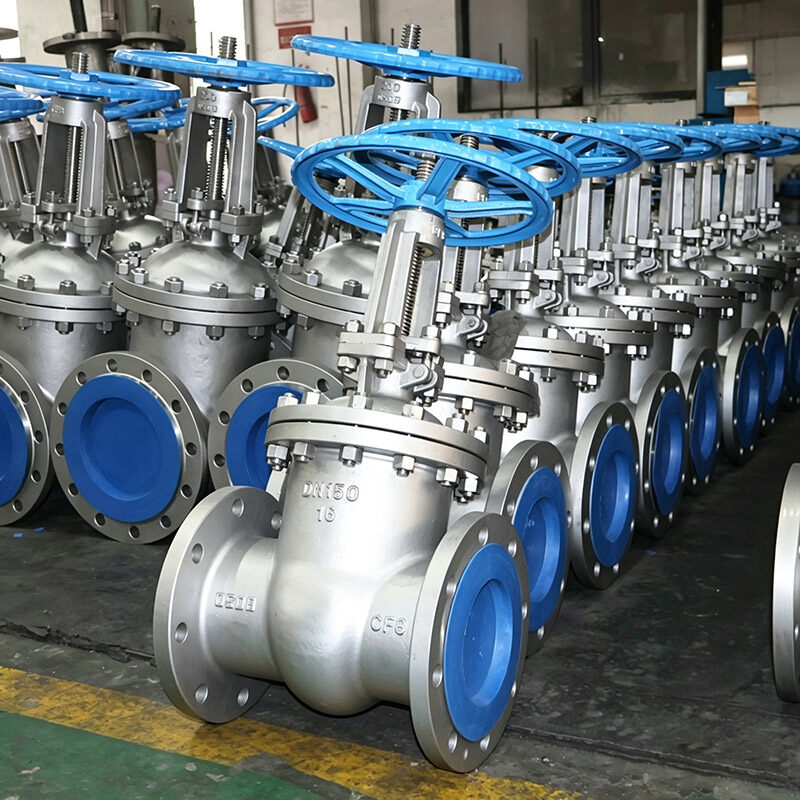
The valve body and bonnet are typically connected by flanged ends, which conform to GB standards. Flanged connections offer ease of installation and removal, making the valve suitable for pipelines that require periodic maintenance or inspection.
Material: CF8 Stainless Steel
CF8 is a cast stainless steel equivalent to ASTM A351 CF8, which is similar in composition to 304 stainless steel. This material offers excellent corrosion resistance, especially in mildly aggressive environments such as water, steam, and certain chemicals.
Key properties of CF8 include:
High resistance to oxidation and corrosion
Good mechanical strength
Excellent performance in moderate temperature ranges
Resistance to scaling at elevated temperatures
Because of these characteristics, CF8 is an ideal material for valve bodies and internal components exposed to corrosive media.
Working Principle
The operation of the valve is straightforward. A manual handwheel is used to rotate the stem. As the handwheel turns, the threaded stem moves linearly, raising or lowering the wedge gate.
Opening the valve: Rotating the handwheel counterclockwise lifts the wedge gate, allowing fluid to flow through the valve with minimal resistance.
Closing the valve: Rotating the handwheel clockwise lowers the wedge gate, pressing it firmly against the seat to block the flow completely.
This linear motion ensures that the flow path is either fully open or fully closed, making the valve ideal for isolation purposes rather than throttling.
Advantages
One of the primary advantages of this valve is its excellent sealing capability. The wedge design ensures tight shut-off, minimizing leakage even under demanding conditions. Additionally, the full-bore design allows for unrestricted flow when the valve is open, reducing pressure drop across the valve.
The rising stem feature provides a visible indication of valve position, which is particularly useful in complex piping systems. Operators can quickly determine whether the valve is open or closed without relying on instrumentation.
Another key benefit is the durability of stainless steel construction. CF8 material resists corrosion and wear, extending the service life of the valve and reducing maintenance costs.
The flanged connection simplifies installation and ensures a secure connection to the pipeline. It also allows for easy removal and replacement when necessary.
Applications
GB standard rising stem gate valves made from CF8 stainless steel are widely used in various industries:
Oil and Gas: For isolating pipelines carrying crude oil, natural gas, and refined products
Chemical Industry: Handling corrosive fluids and chemical solutions
Water Treatment: Controlling flow in water supply and wastewater systems
Power Plants: Used in steam and cooling water systems
Marine Applications: Suitable for seawater and offshore environments
These valves are particularly suitable for applications where a tight shut-off is required and where the fluid does not need to be regulated frequently.
Limitations
Despite their many advantages, wedge gate valves also have some limitations. They are not suitable for throttling applications, as partial opening can cause vibration, erosion, and damage to the sealing surfaces. Additionally, the operation of large valves may require significant torque, making manual operation more labor-intensive.
The opening and closing speed is relatively slow compared to other valve types such as ball valves or butterfly valves. This can be a disadvantage in applications requiring quick shut-off.
Maintenance and Installation
Proper installation is essential for optimal performance. The valve should be installed in a fully aligned pipeline to avoid stress on the body and flanges. Bolts should be tightened evenly to ensure a secure seal.
Routine maintenance includes:
Inspecting the stem and packing for wear
Lubricating the stem threads
Checking for leakage at the seat and flange connections
Ensuring the handwheel operates smoothly
Because of the rising stem design, the stem threads are exposed and should be protected from dirt and corrosion.
Compliance with GB Standards
The valve is manufactured according to Chinese GB standards, which define requirements for design, dimensions, pressure ratings, testing, and materials. These standards ensure consistency, safety, and compatibility with other components in the system.
Common GB standards relevant to this valve include:
GB/T for general valve specifications
GB flange standards for connection dimensions
GB material standards for stainless steel casting
Compliance with these standards ensures that the valve meets industry requirements and can be used in both domestic and international projects.
What Is a Rising Stem Manual Operated CF8 Flange End Stainless Steel Wedged Gate Valve
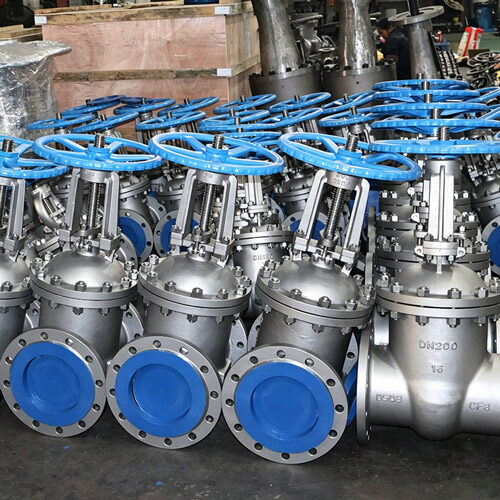
A Rising Stem Manual Operated CF8 Flange End Stainless Steel Wedged Gate Valve is a corrosion resistant isolation valve used for full open or full closed service in industrial pipelines. CF8 is a cast stainless steel material with excellent resistance to rust and chemical attack. The rising stem design provides visible indication of valve position. A handwheel moves the wedge gate vertically, and flanged ends allow secure installation and easy maintenance.
Why the Rising Stem Manual Operated CF8 Flange End Stainless Steel Wedged Gate Valve Matters
This valve is important because it combines dependable shutoff with clear visual confirmation of whether the valve is open or closed. CF8 stainless steel performs well in corrosive and sanitary environments. Manual operation is simple and reliable, requiring no external power source. The wedged gate design ensures tight sealing, while the flanged connection supports convenient installation, inspection, and replacement in critical process systems.
Common Product Types by Rising Stem Manual Operated CF8 Flange End Stainless Steel Wedged Gate Valve
Common product types include outside screw and yoke gate valves, bolted bonnet designs, and flexible wedge configurations. Solid wedge gates are used for general service, while flexible wedges improve seat contact during thermal expansion. Different flange standards, trim materials, and seat facings are available to suit chemical processing, water treatment, food production, and marine applications.
Key Advantages of Rising Stem Manual Operated CF8 Flange End Stainless Steel Wedged Gate Valve
The valve offers excellent corrosion resistance, reliable bidirectional sealing, and low pressure drop when fully open. The rising stem design makes valve position easy to identify. Manual handwheel operation is straightforward and easy to maintain. CF8 stainless steel provides long service life and clean operation, while flanged ends simplify installation and maintenance in demanding industrial environments.
Rising Stem Manual Operated CF8 Flange End Stainless Steel Wedged Gate Valve Machine Structure and Core Stations
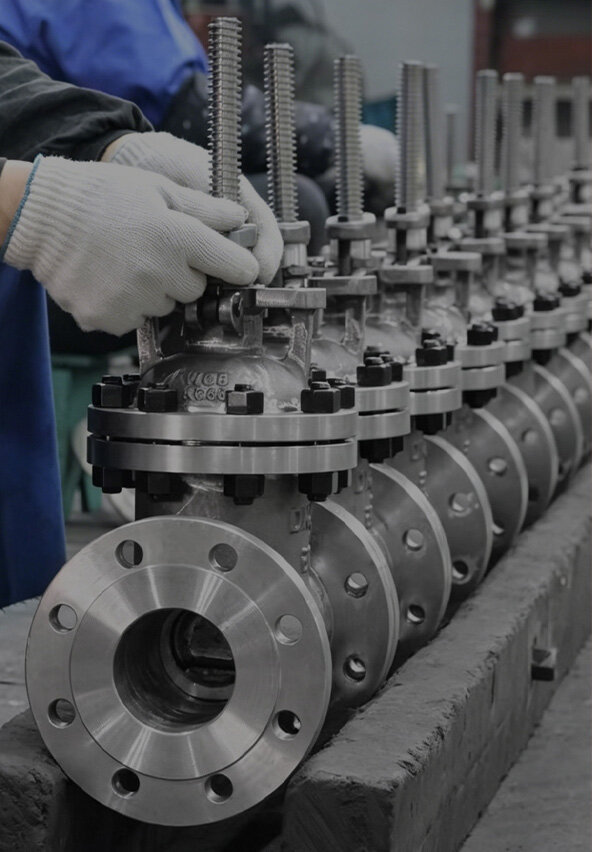
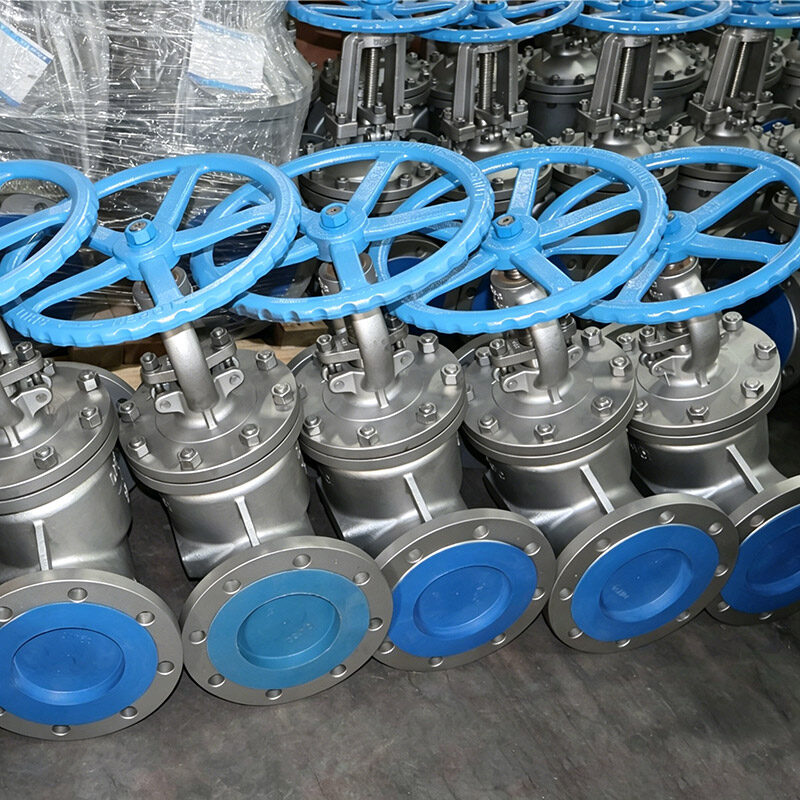
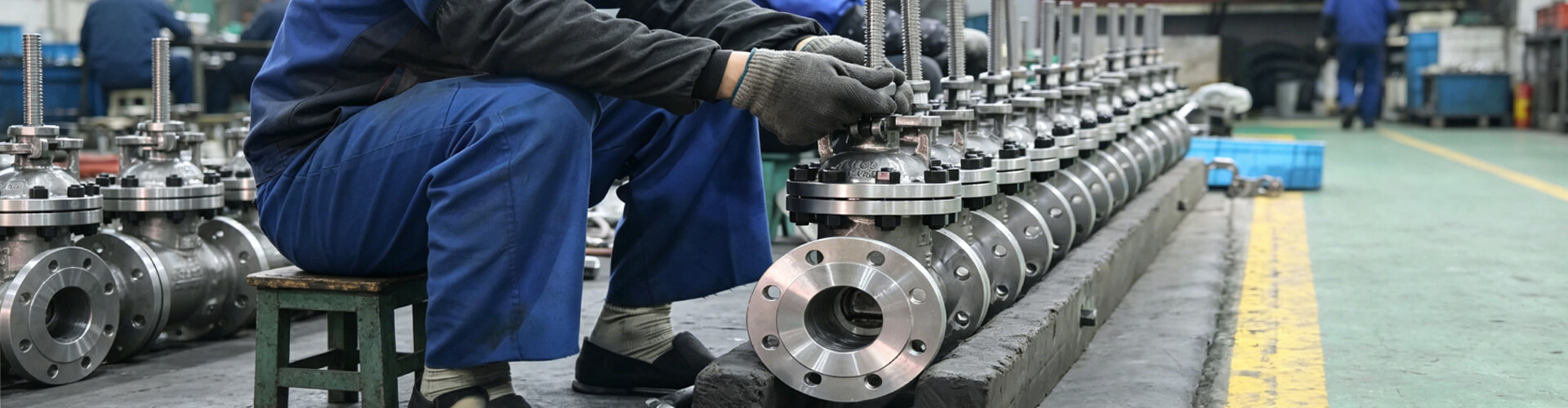
Manufacturing begins with precision casting of the body, bonnet, wedge, and stem components in CF8 stainless steel. Core stations include solution treatment, CNC machining of flange faces, guide grooves, stem threads, and sealing surfaces. Assembly stations install the wedge, stem, packing, bonnet, and handwheel. Final operations include seat lapping, pressure testing, cleaning, passivation, marking, and packaging to ensure corrosion resistance and leak tight performance.
Previous:API 603 Manual Operated Flange End Stainless Steel Wedged Gate Valve
Next:Manual Operated Rising Stem Flanged Type Stainless Steel Wedged Gate Valve