Product Overview
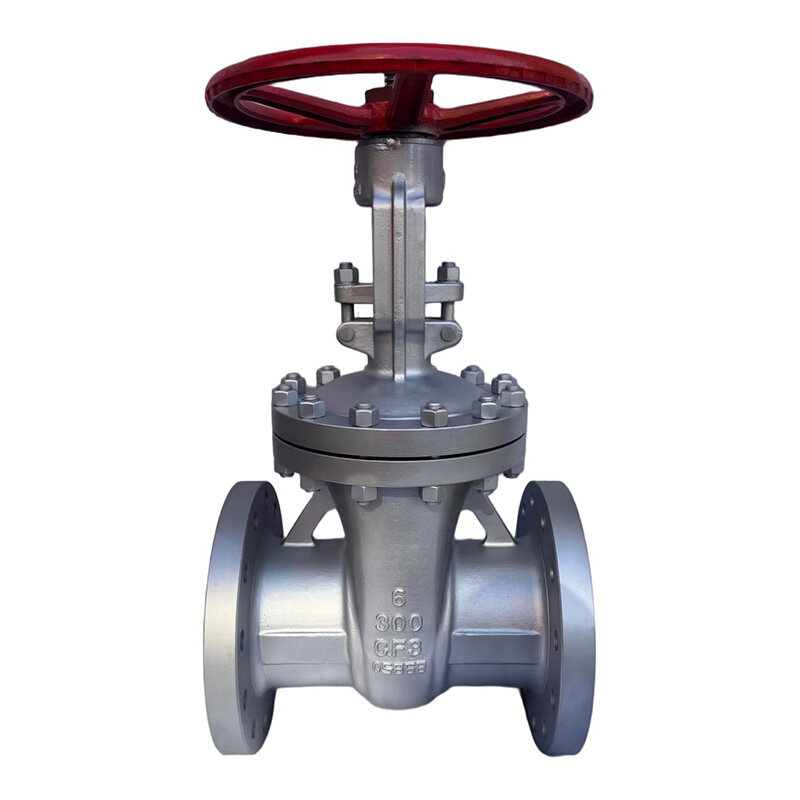
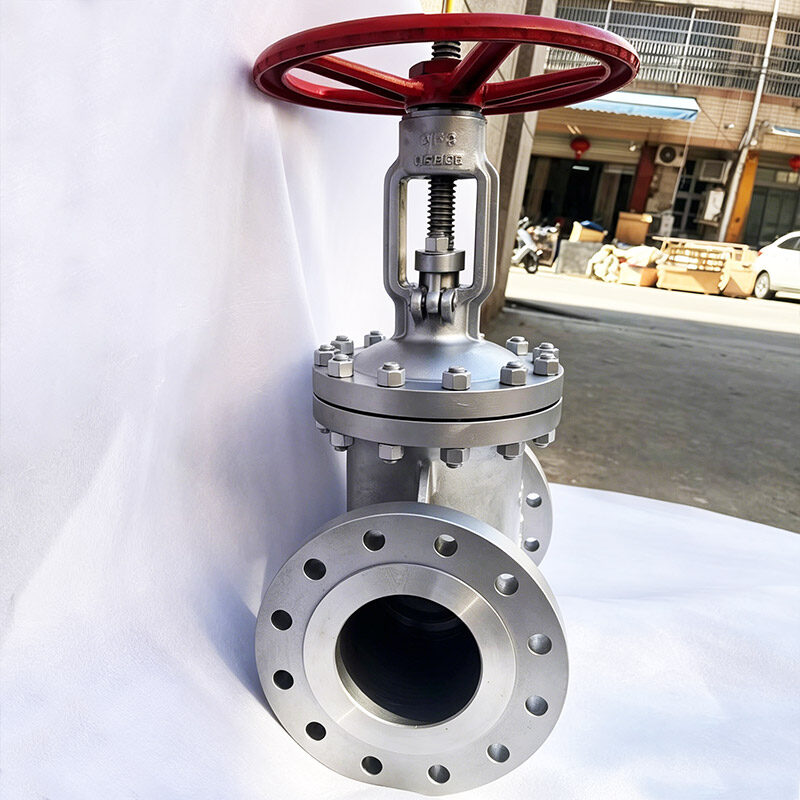
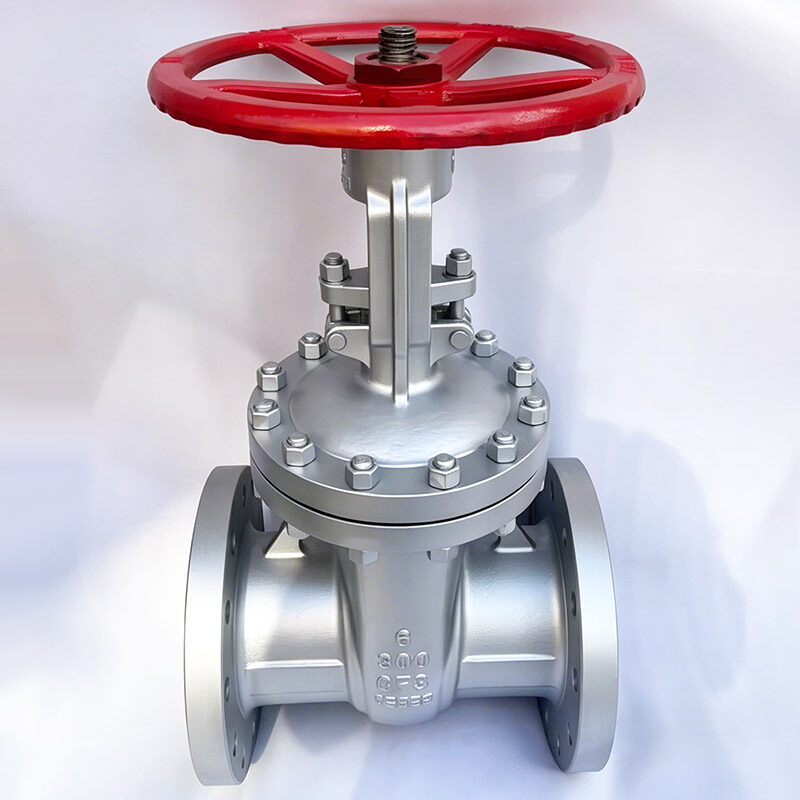
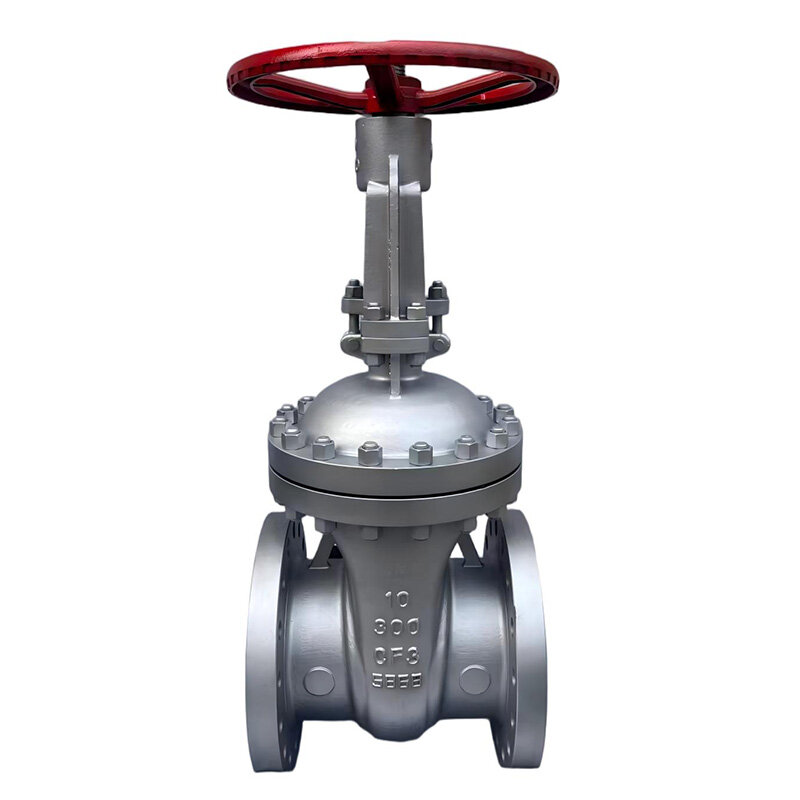
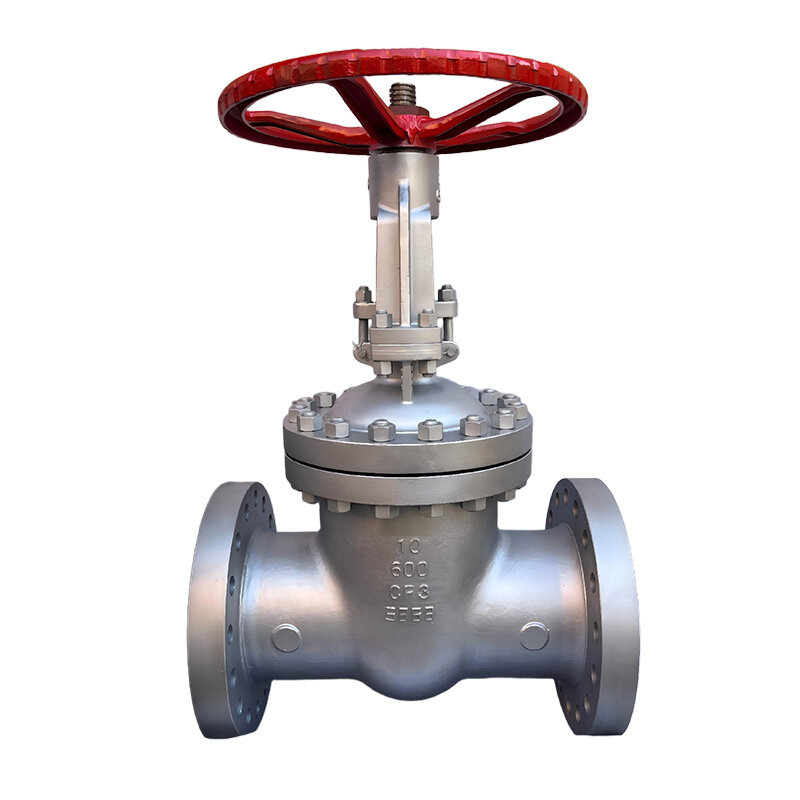
The API 603 Manual Operated Flange End Stainless Steel Wedged Gate Valve is a high-performance valve widely used in various industrial applications where corrosion resistance, reliability, and leak-tight performance are critical. Specifically designed for small-diameter piping systems, this valve is constructed in accordance with the American Petroleum Institute (API) 603 standard, which governs corrosion-resistant, carbon, and stainless steel gate valves for refinery and petrochemical service. The valve’s design allows precise flow control, minimal pressure drop, and high integrity sealing, making it ideal for demanding chemical, oil, gas, and marine applications.
This article explores the valve's design, construction, materials, operational mechanisms, standards, applications, installation, testing, and maintenance in depth.
Executive Standard
Designed: API 603/API 600
Face to Face: ASME/ANSI B16.10
End Flange: ASME/ANSI B16.5 or 16.47
Buttweld:ASME/ANSI B16.25
Design and Construction
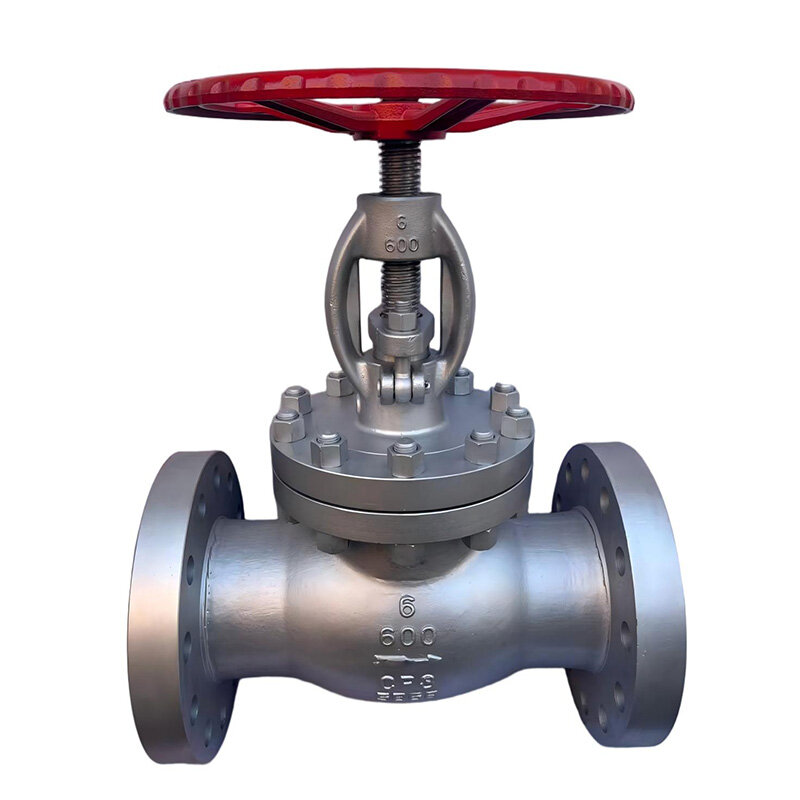
The manual operated wedged gate valve is designed with a wedge-shaped gate that moves perpendicular to the flow to block or allow passage of fluid. This design is particularly advantageous for applications requiring a tight shut-off and reliable sealing. The valve operates manually via a handwheel connected to a stem that moves the wedge gate linearly within the valve body.
1. Body and Bonnet
·Material: The valve body and bonnet are typically manufactured from stainless steel grades such as 304, 316, or 316L, providing excellent corrosion resistance against acids, alkalis, and saline environments.
·Design: The valve features a two-piece or three-piece bolted construction, depending on size and pressure rating. The bolted bonnet allows easy access to internal components for inspection, maintenance, or repair without removing the entire valve from the pipeline.
·Flange Ends: Flanged connections conform to ASME B16.5 or B16.47 standards, ensuring compatibility with standard piping systems. The flanges provide a secure, leak-proof connection capable of withstanding high-pressure conditions.
2. Gate/Wedge
·Shape: The wedge gate is either solid (single piece) or flexible (split design). Flexible wedges are particularly effective in absorbing minor misalignments and thermal expansion, enhancing the valve’s sealing performance.
·Sealing Surfaces: Both sides of the wedge are precision-machined and sometimes hardened or overlaid with corrosion-resistant material, ensuring a tight seal against the stainless steel seat.
·Operation: The gate moves vertically within the valve body, guided by the stem and gate guides. This linear movement prevents turbulence and erosion of sealing surfaces.
3. Stem
·Material: The stem is usually made from stainless steel (SS304/SS316) for corrosion resistance and high tensile strength.
·Thread Type: Typically, a rising stem with external threads is used, allowing easy visual indication of valve position. Non-rising stems may also be used in space-limited applications.
·Packing: The stem passes through a packing gland with PTFE, graphite, or other sealing material, providing leak-tight operation while allowing smooth rotational movement of the handwheel.
4. Seat
·Construction: The seat is an integral part of the valve body or a separate insert. Stainless steel or hard-faced materials such as Stellite may be applied to enhance wear and corrosion resistance.
·Sealing: The wedged gate compresses against the seat to create a bubble-tight shut-off, even under high differential pressures.
5. Bonnet and Gasket
·Gasket Material: High-quality graphite, PTFE, or spiral wound metal gaskets are used between the bonnet and body, ensuring pressure-retaining sealing under elevated temperatures and pressures.
·Bolting: Stainless steel bolts secure the bonnet, maintaining integrity during thermal expansion or mechanical stress.
Standards and Compliance
The API 603 valve conforms to several international standards, ensuring quality, safety, and reliability:
1.API 603 – Standard for corrosion-resistant gate valves used in refinery, chemical, and petrochemical services.
2.ASME B16.34 – Standard for valves’ pressure-temperature ratings, dimensions, and materials.
3.ASME B16.5 / B16.47 – Flange dimensions and pressure class specifications.
4.MSS SP-25 – Standard for marking valves.
5.ISO 5211 – Actuator mounting for future automation capability.
Compliance with these standards ensures that the valve can be safely integrated into critical process lines operating under high pressure, high temperature, or corrosive conditions.
Operation
The manual operation of the API 603 stainless steel gate valve is simple, reliable, and intuitive:
1.Opening: Turning the handwheel counterclockwise raises the stem and lifts the wedge gate, allowing fluid to flow through the valve.
2.Closing: Turning the handwheel clockwise lowers the gate onto the seat, creating a tight seal that blocks the flow completely.
3.Flow Control: While primarily designed for on/off service, the valve can handle moderate throttling, though continuous throttling may accelerate wear of sealing surfaces.
Manual operation is preferred in small-diameter pipelines or systems where automated control is unnecessary. For larger systems, electric or pneumatic actuators can be mounted on ISO 5211 flanges.
Materials of Construction
Material selection is critical for corrosion resistance, longevity, and safety in demanding industrial environments:
| Component | Typical Material | Remarks |
| Body & Bonnet | SS304, SS316, SS316L | Corrosion-resistant, suitable for acids and alkalis |
| Gate / Wedge | SS316 / Hard-faced | Flexible wedge available for tight sealing |
| Stem | SS304 / SS316 | High tensile strength, corrosion-resistant |
| Seat | SS316 / Stellite overlay | Wear-resistant, bubble-tight seal |
| Packing | PTFE / Graphite | High-temperature sealing, low friction |
| Bolts & Nuts | SS304 / SS316 | Corrosion-resistant fasteners |
These materials ensure the valve can withstand high pressures (up to 2500 psi), temperatures ranging from -29°C to 425°C, and exposure to corrosive chemicals in industrial environments.
Applications
The API 603 manual stainless steel wedged gate valve is versatile and finds application across many industries:
1.Oil and Gas: Refinery pipelines, crude oil transfer, and petrochemical plants.
2.Chemical Industry: Corrosive chemical transport, acids, and alkaline solutions.
3.Marine and Offshore: Saltwater handling, shipbuilding, and offshore platforms.
4.Power Plants: Cooling water systems, feedwater lines, and steam applications.
5.Food and Pharmaceutical: Hygienic process lines using stainless steel for cleanliness.
Its ability to withstand corrosive media, high pressure, and temperature variations makes it suitable for both onshore and offshore operations.
Installation Guidelines
Proper installation ensures maximum performance and longevity:
1.Orientation: Typically installed with the stem in a vertical position to avoid debris accumulation and facilitate manual operation.
2.Flanged Connections: Align flanges correctly and use appropriate gaskets to prevent leaks. Torque bolts evenly in a crisscross pattern.
3.Support: Provide pipeline support near the valve to reduce stress on the body and flanges.
4.Testing: Conduct hydrostatic or pneumatic testing after installation, following API 598 guidelines.
Correct installation ensures minimal maintenance, smooth operation, and compliance with safety standards.
Maintenance
While robust, API 603 valves require periodic maintenance to sustain reliability:
1.Stem Lubrication: Apply suitable lubricant to prevent galling and ensure smooth operation.
2.Packing Replacement: Replace worn packing periodically to prevent stem leaks.
3.Gate and Seat Inspection: Inspect for erosion, corrosion, or damage, especially in high-temperature or abrasive service.
4.Bolt Tightening: Check bonnet and flange bolts for proper torque to maintain sealing integrity.
Routine maintenance extends the valve’s service life, prevents unplanned shutdowns, and ensures leak-free operation under demanding conditions.
Advantages
The API 603 stainless steel wedged gate valve offers multiple benefits:
·Corrosion Resistance: Stainless steel construction ensures longevity in harsh chemical and saline environments.
·Tight Shut-off: Flexible wedge and precision seats provide bubble-tight sealing.
·Durability: Resistant to wear, erosion, and thermal expansion.
·Manual Simplicity: Reliable operation without external power.
·Service Versatility: Suitable for a broad range of industrial fluids, including corrosive chemicals, steam, and water.
·Ease of Maintenance: Bolted bonnet design allows simple inspection and repair.
What Is an API 603 Manual Operated Flange End Stainless Steel Wedged Gate Valve
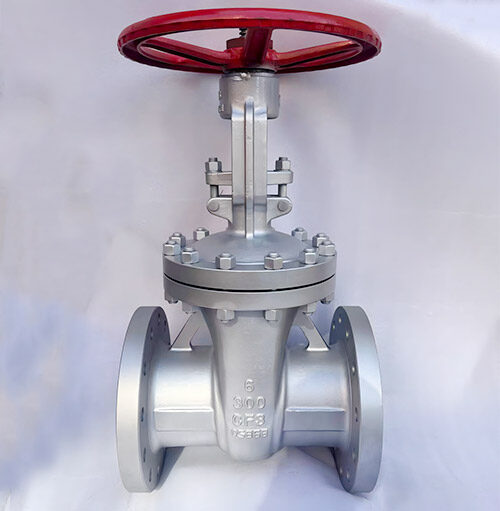
An API 603 Manual Operated Flange End Stainless Steel Wedged Gate Valve is a corrosion resistant isolation valve designed for full open or full closed service in industrial pipelines. It is built according to API 603 standards for compact stainless steel valves. The wedge gate moves vertically to block or allow flow with minimal pressure loss. Manual operation is typically performed with a handwheel, and flanged ends provide secure installation and easy maintenance.
Why the API 603 Manual Operated Flange End Stainless Steel Wedged Gate Valve Matters
This valve is important because it offers reliable shutoff and excellent corrosion resistance in a lightweight and compact design. Stainless steel construction performs well in aggressive chemical, marine, and high purity applications. The wedge gate provides dependable bidirectional sealing, while manual operation allows simple and direct control without the need for power. API 603 compliance ensures consistent quality and dependable performance in demanding industrial environments.
Common Product Types by API 603 Manual Operated Flange End Stainless Steel Wedged Gate Valve
Common product types include rising stem outside screw and yoke gate valves, non rising stem designs, and bolted bonnet configurations. Solid wedge gates are used for stable operating conditions, while flexible wedge gates improve sealing during temperature changes. Various stainless steel grades, seat materials, and flange standards are available to match corrosive media, sanitary requirements, and specialized service conditions.
Key Advantages of API 603 Manual Operated Flange End Stainless Steel Wedged Gate Valve
The valve offers excellent corrosion resistance, reliable sealing, and low pressure drop when fully open. Manual handwheel operation is simple, dependable, and easy to maintain. Stainless steel construction provides long service life and clean operation. Flanged ends allow convenient installation and removal. API 603 design delivers a compact structure that reduces weight while maintaining strong performance in critical process systems.
API 603 Manual Operated Flange End Stainless Steel Wedged Gate Valve Machine Structure and Core Stations
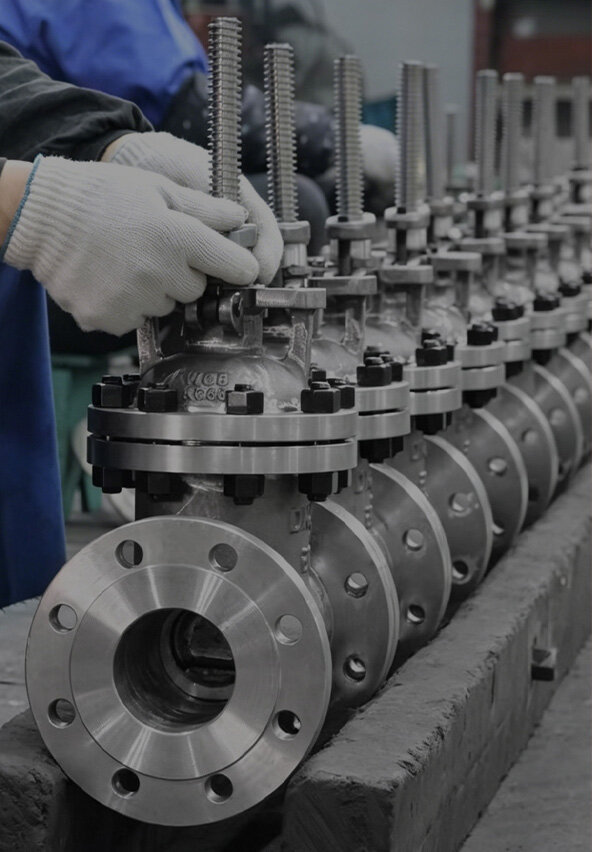
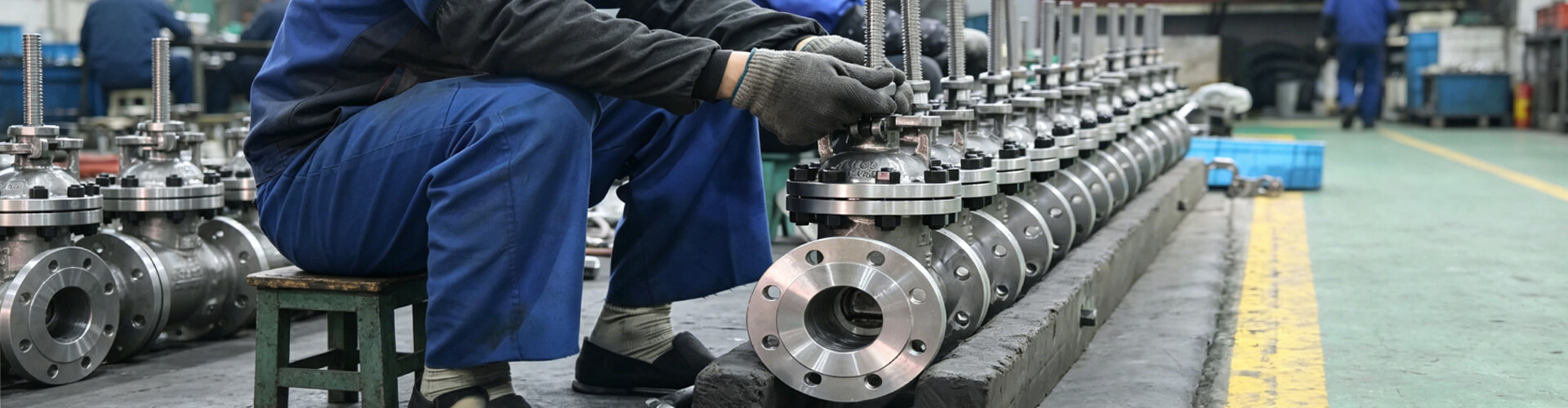
Manufacturing begins with precision casting of the body, bonnet, wedge, and stem in stainless steel. Core stations include solution treatment, CNC machining of flange faces, guide slots, stem threads, and sealing surfaces. Assembly stations install the wedge, stem, packing, bonnet, and handwheel. Final operations include seat lapping, pressure testing, cleaning, passivation, marking, and packaging to ensure corrosion resistance, dimensional accuracy, and leak tight sealing.
Previous:WCB Electric Flanged PN40 DIN Gate Valve
Next:GB Standard Rising Stem Manual Operated CF8 Flange End Stainless Steel Wedged Gate Valve