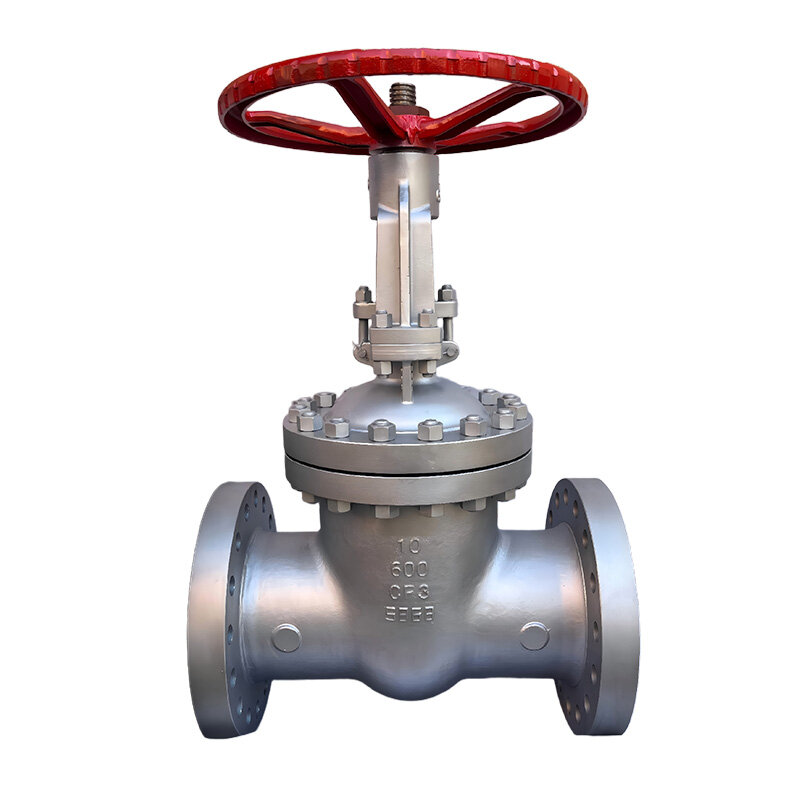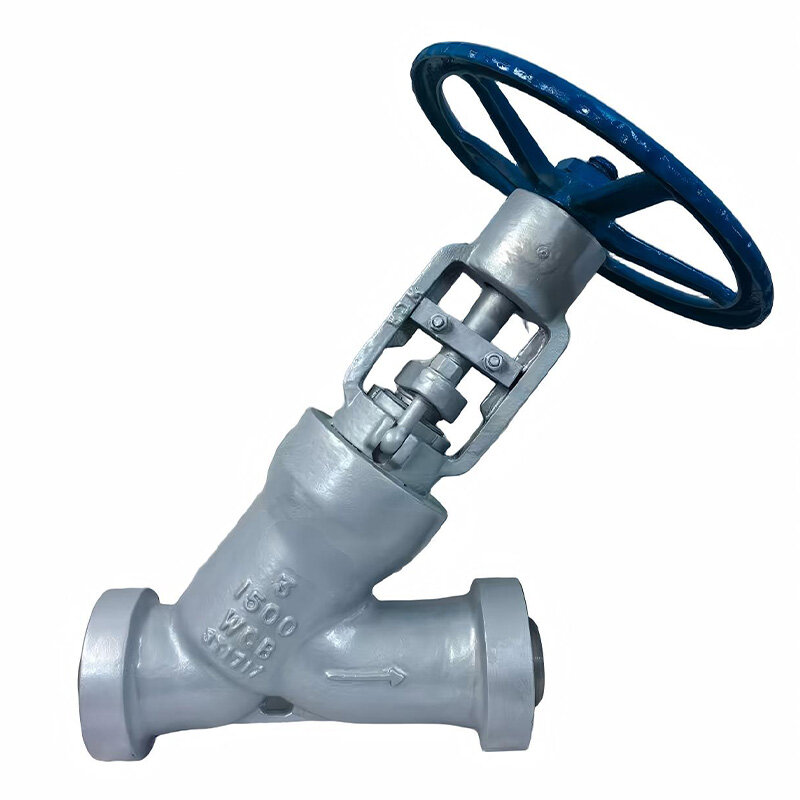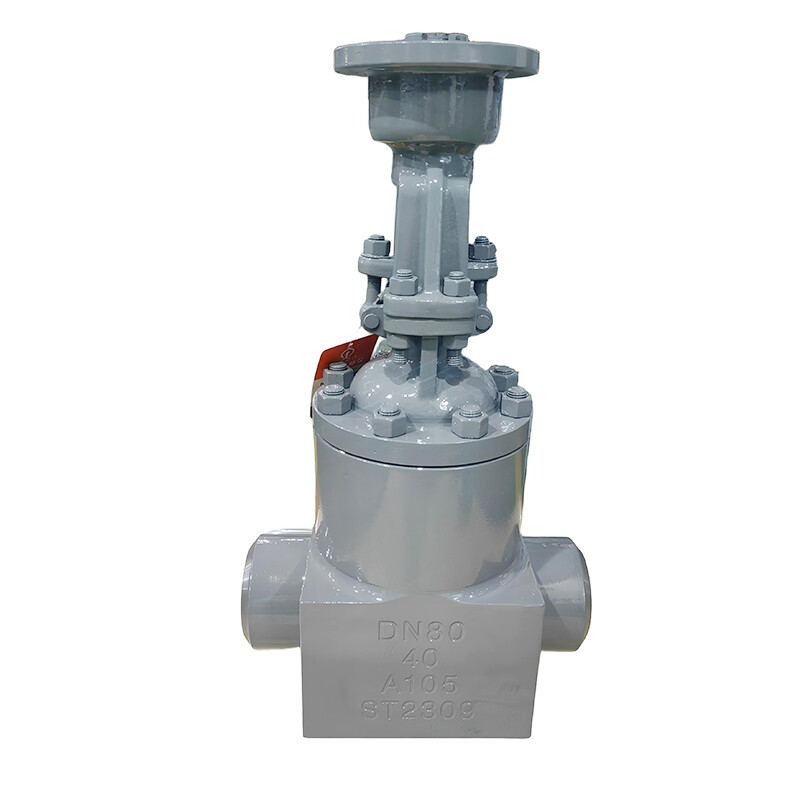
API 600 gate valves are widely used in oil refining and oil & gas process pipelines to control flow (opening and closing). Many on-site failures stem not from inherent manufacturing defects, but from improper operation or inadequate maintenance—leading to issues such as seal damage, jamming, or external leakage. Familiarity with correct operating procedures and the implementation of a routine maintenance plan can extend the valve's service life and reduce the risk of unplanned pipeline shutdowns.
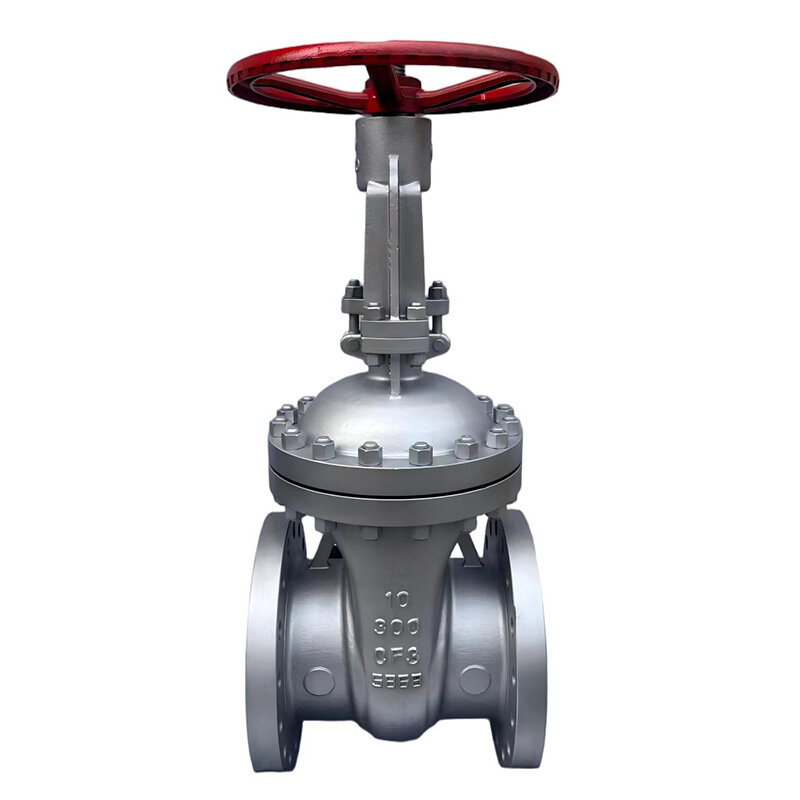
The API 600 gate valve is an outside screw and yoke (OS&Y) wedge gate valve; the vertical movement of the stem provides a visual indication of the gate's position. To open the valve, rotate the handwheel counter-clockwise; the stem rises, lifting the gate away from the seat until it reaches the fully open limit position. To close it, rotate the handwheel clockwise, lowering the gate until it seats against the sealing surface. Avoid using excessive force when turning the handwheel; once resistance from the sealing surfaces is felt, apply only moderate torque. Excessive force can cause deformation of the gate and seat sealing surfaces, thereby damaging the sealing interface.
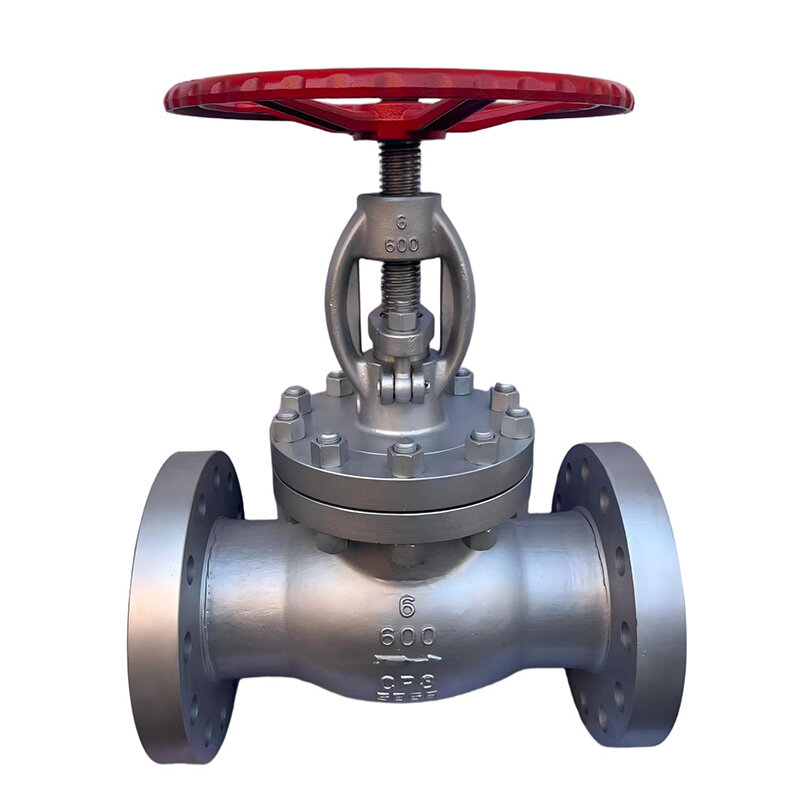
API 600 gate valves must not be used for throttling or flow regulation. When the gate is in a partially open position, high-velocity media continuously impinges upon the gate edges and seat sealing surfaces. This causes erosion, resulting in grooves and scratches; consequently, when the valve is fully closed, internal leakage occurs through these damaged areas. If flow regulation is required, prioritize the use of valves designed for throttling, such as API globe valves; gate valves should be used exclusively for fully open or fully closed service.
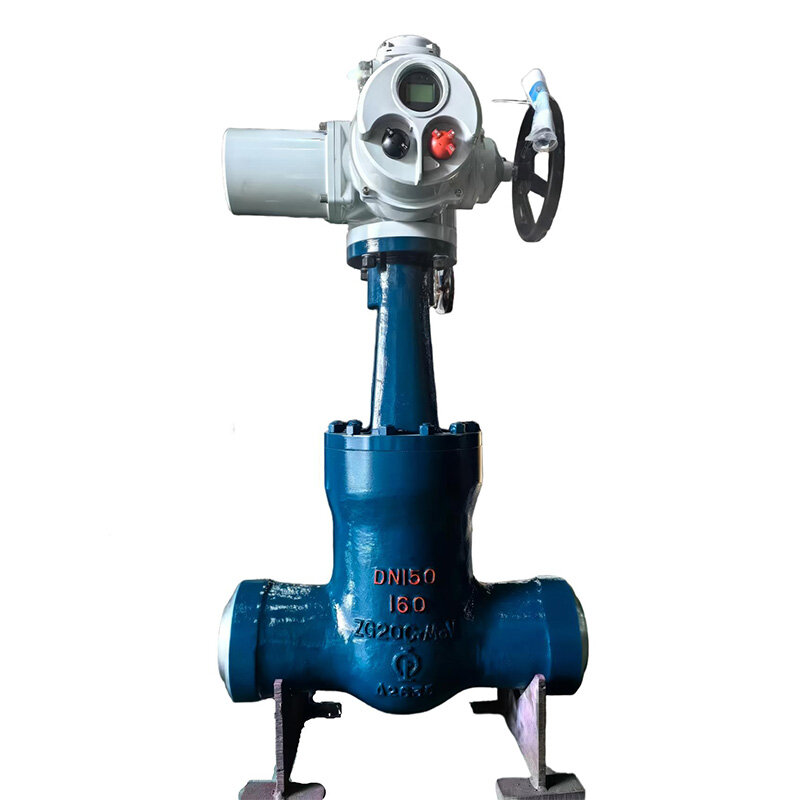
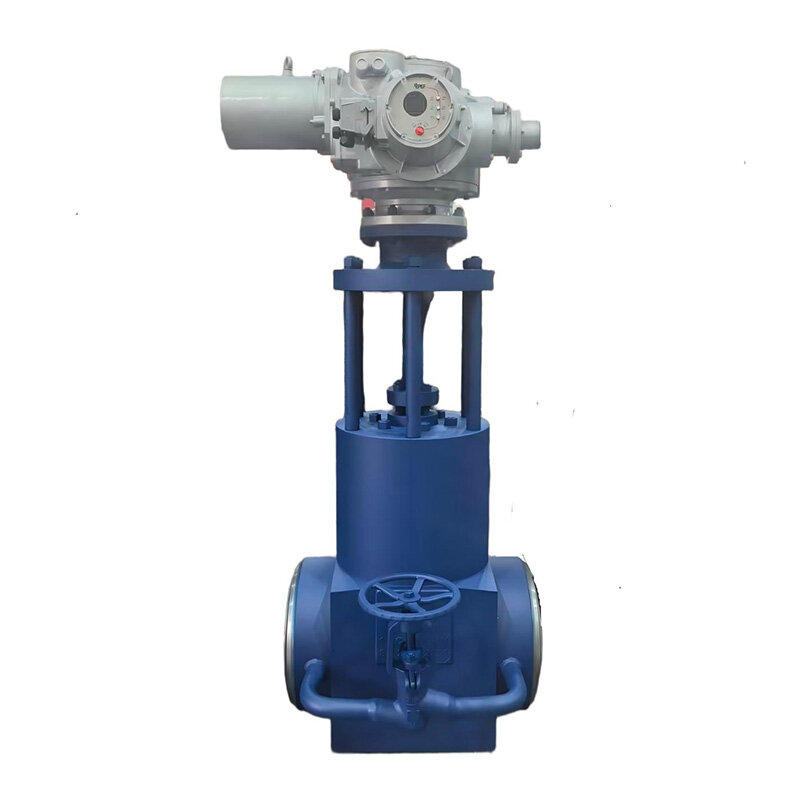
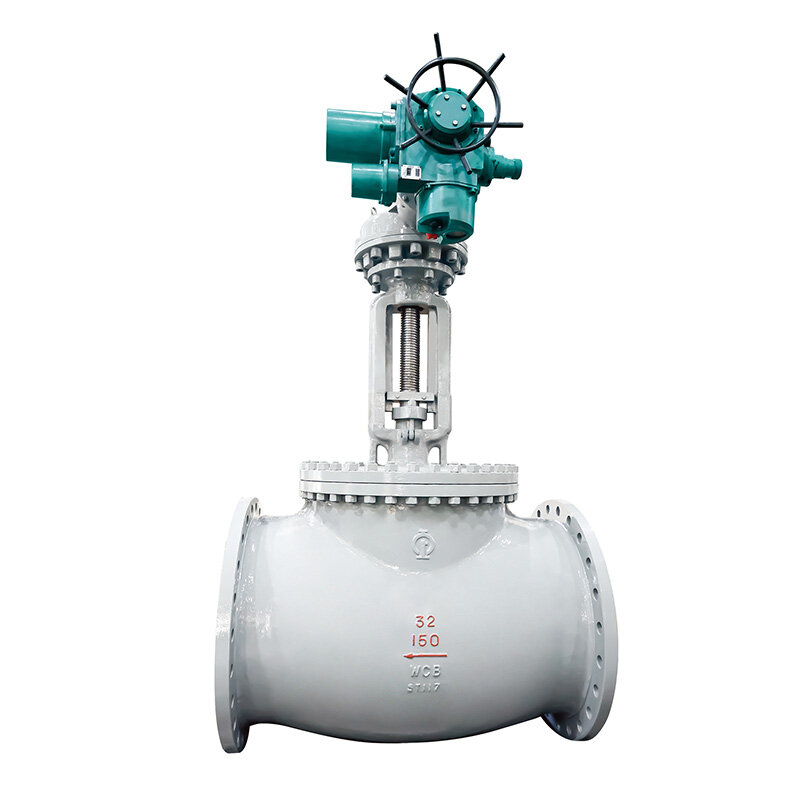
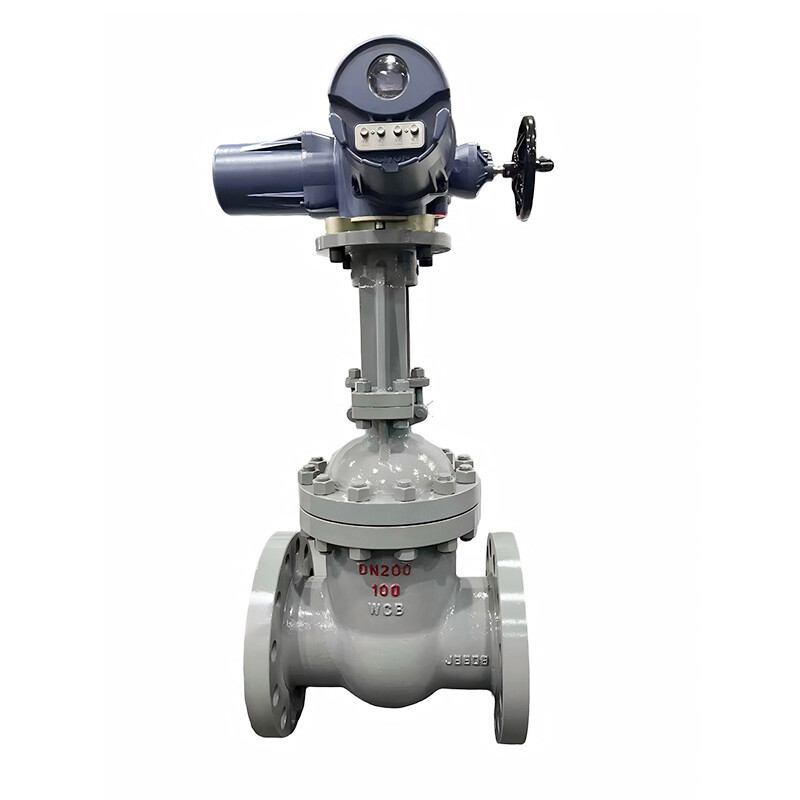
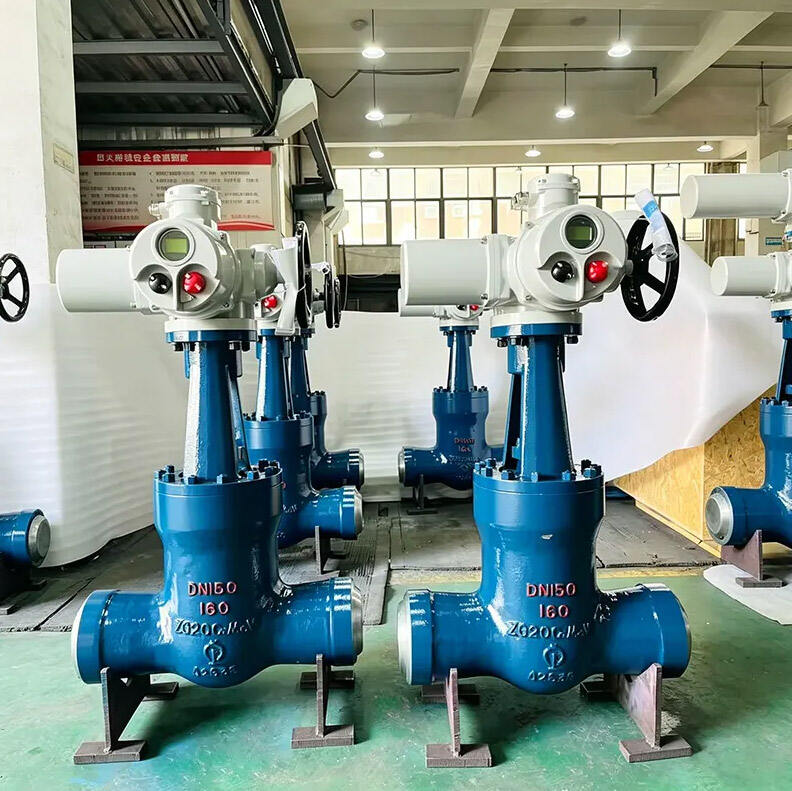
Large-diameter API 600 gate valves require significant operating torque and are typically equipped with a gearbox operating mechanism. When operating the gear mechanism, ensure the gearbox contains sufficient lubricant and replenish it regularly to prevent gear wear and jamming. For API 600 gate valves equipped with electric actuators, the fully open and fully closed limit positions must be correctly set during commissioning. Improper limit adjustment can lead to over-travel, causing crushing damage to internal components, while limit failure can result in motor overload and burnout. Before and after electric operation, manual operation should be performed to verify smooth valve movement and check for any binding or sticking.
During routine inspections, focus on three key areas: checking for medium leakage at the valve body flange connections, observing the stem packing area for drips or leaks, and ensuring the stem rises and falls smoothly. If slight leakage occurs at the stem packing, the packing gland bolts can be tightened slowly and evenly to compress the packing; care must be taken to avoid uneven force on the gland, which could cause it to tilt and scratch the stem. If the packing is severely aged and leakage is significant, the system pressure should be relieved at an appropriate time to replace the packing assembly. Flexible graphite packing is preferred to suit the high-temperature operating conditions of API 600 gate valves.
API 600 gate valves that remain static for long periods are prone to the gate sticking to the seat. Prolonged storage in a fully open or fully closed position allows impurities in the medium to deposit on the sealing surfaces; temperature fluctuations can cause the sealing surfaces to bond tightly, leading to binding during subsequent operation. Maintenance plans should include a periodic cycling schedule; provided pipeline conditions allow, the valve should be fully opened and closed regularly to clear deposits from the sealing surfaces and prevent sticking. Before operation, pipeline pressure and the state of the medium must be verified to mitigate operational risks.
When dismantling API 600 gate valves during pipeline maintenance, the assembly sequence of all components must be recorded, and the sealing surfaces of the gate and seat must be protected against impacts and scratches. Minor scratches on sealing surfaces can be repaired by lapping; however, if scratches are too deep to be removed by lapping, hard-facing (overlay welding) with a hard alloy followed by remachining of the sealing surface is required. During reassembly, the valve body interior must be cleaned to remove iron filings, welding slag, and other debris; any impurities left inside could become trapped between sealing surfaces after the valve is put into service, causing internal leakage. Operating conditions significantly impact the service life of API 600 gate valves. If the medium contains solid particles, continuous erosion of the sealing surfaces will shorten the seal's lifespan; under high-temperature conditions, packing and gaskets age more rapidly, necessitating shorter replacement intervals. In applications involving corrosive media, the materials for the valve body and internal components must be compatible with the medium's corrosive properties; corrosion levels must be monitored regularly and wall thinning assessed to prevent safety hazards caused by pressure-boundary degradation.
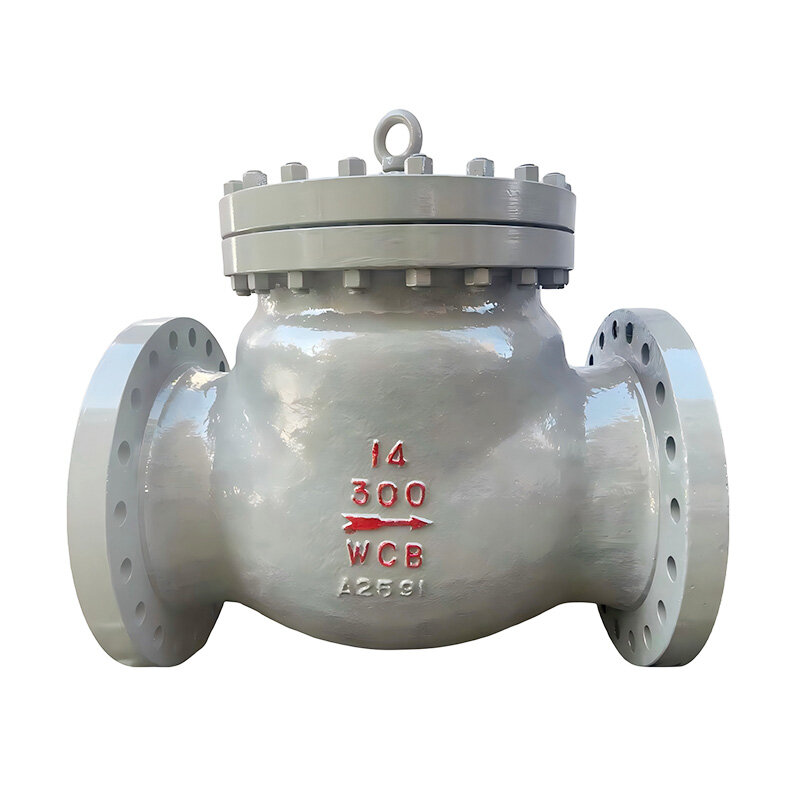
API 600 gate valves and API 6D check valves serve distinct functions: API 6D check valves prevent backflow and operate automatically without manual intervention, whereas API 600 gate valves act as isolation valves, requiring manual operation or an actuator to control pipeline flow. Consequently, inspection priorities and maintenance schedules for these two valve types must be established separately within pipeline operations and maintenance plans.
Proper operation, regular inspection and maintenance, and the timely resolution of minor issues—such as leakage or sticking—are essential for ensuring the stable performance of API 600 gate valves. Valves are often the most vulnerable components in industrial piping systems; meticulous operation and maintenance can minimize unexpected failures and ensure the continuous, stable operation of the entire process pipeline.
Previous:Technical Analysis of Shell and Seat Tests for API 600 Gate Valves
Next:Analysis of API 600 Gate Valve Material Selection and Its Suitability for Chemical Pipelines