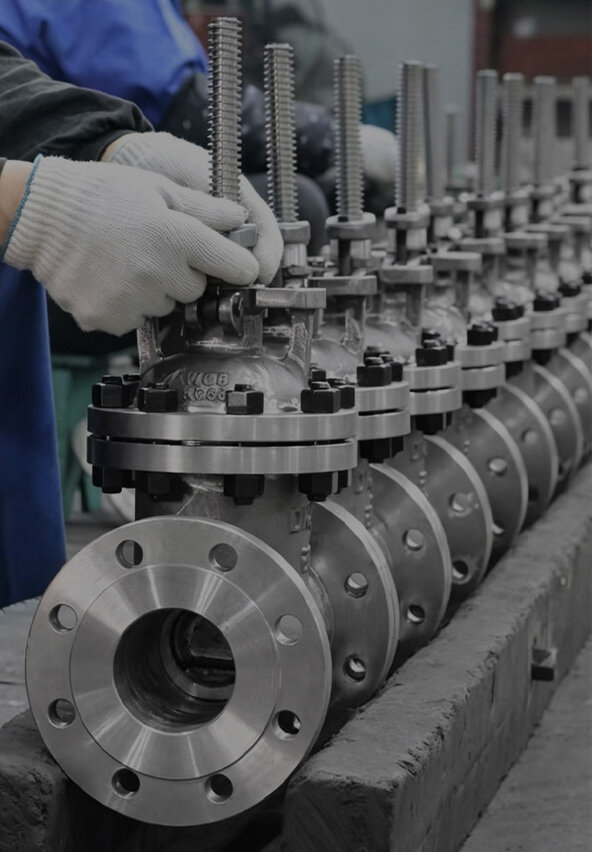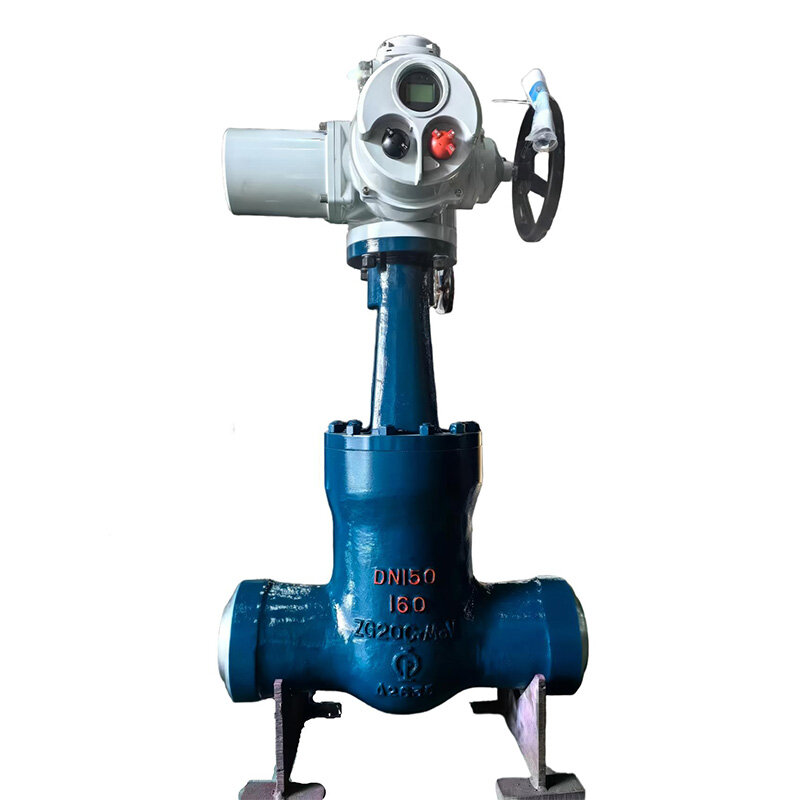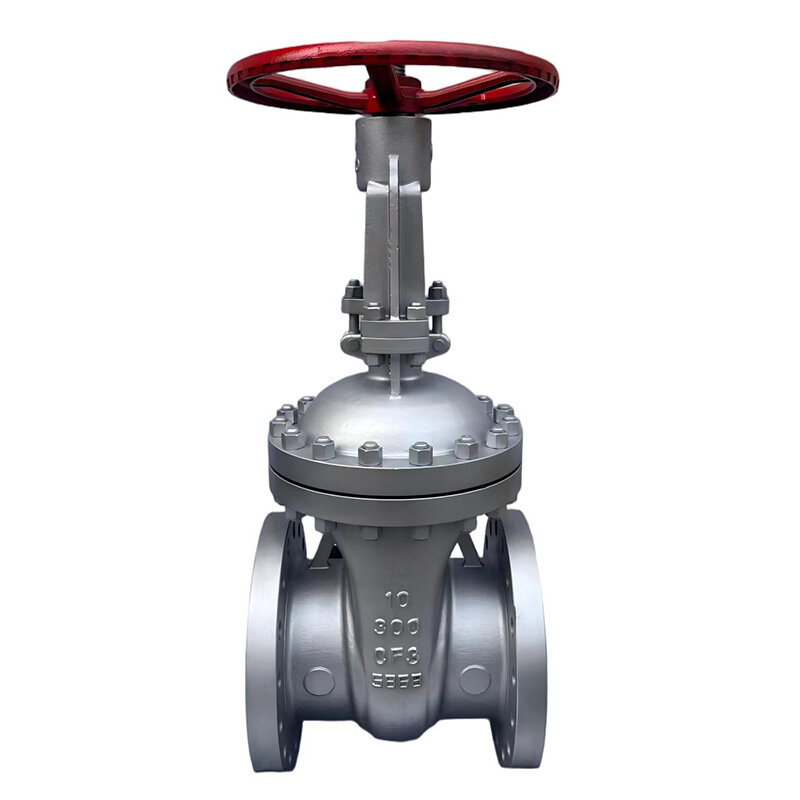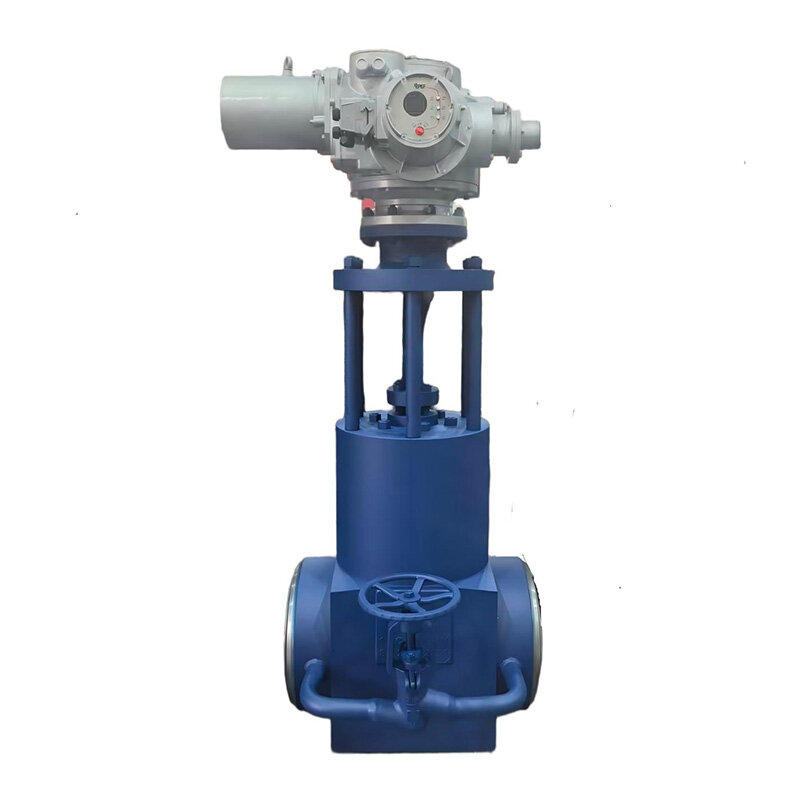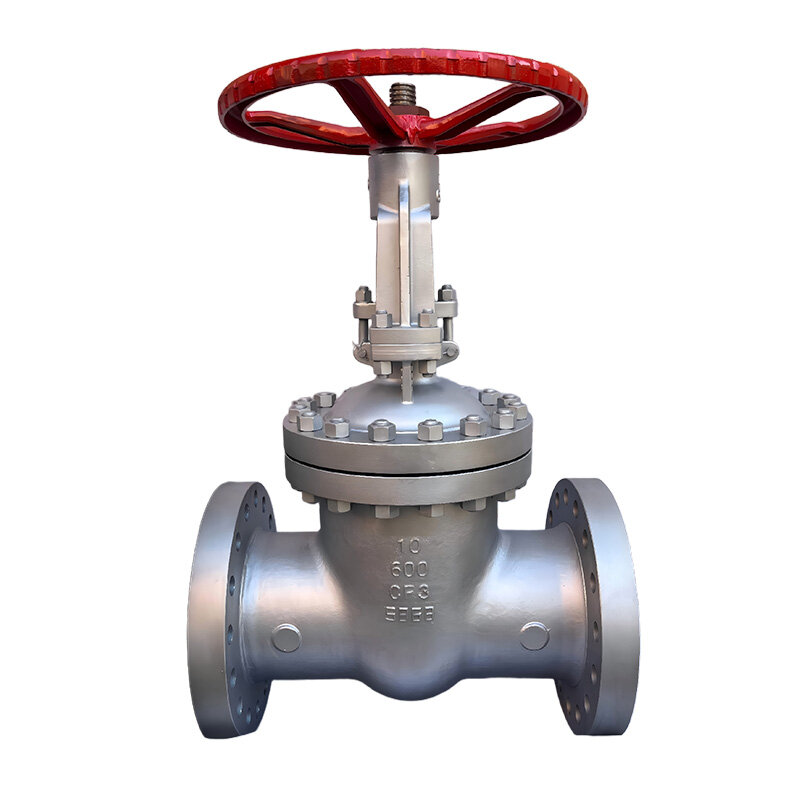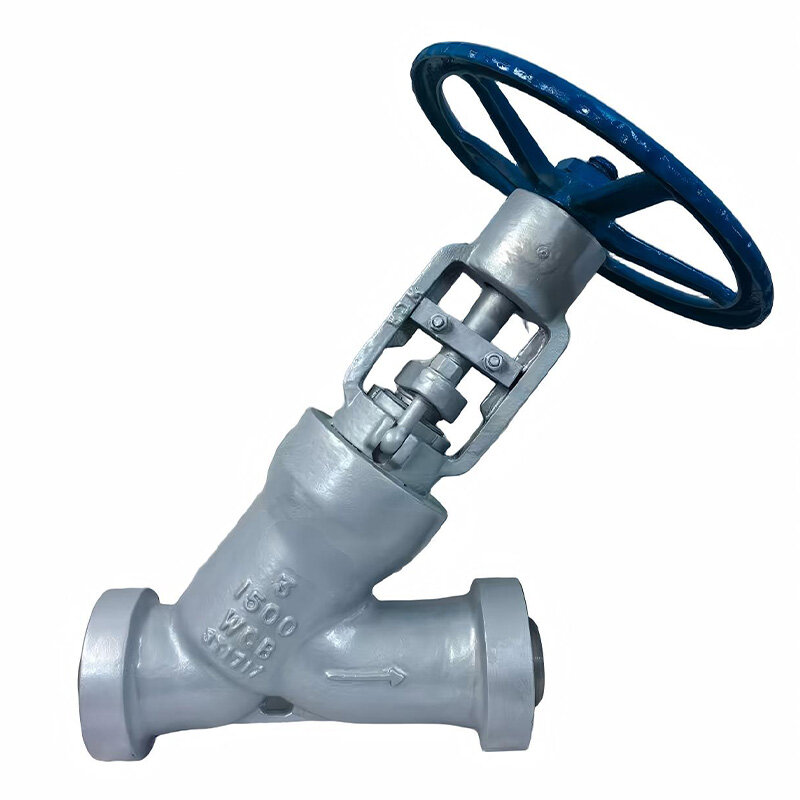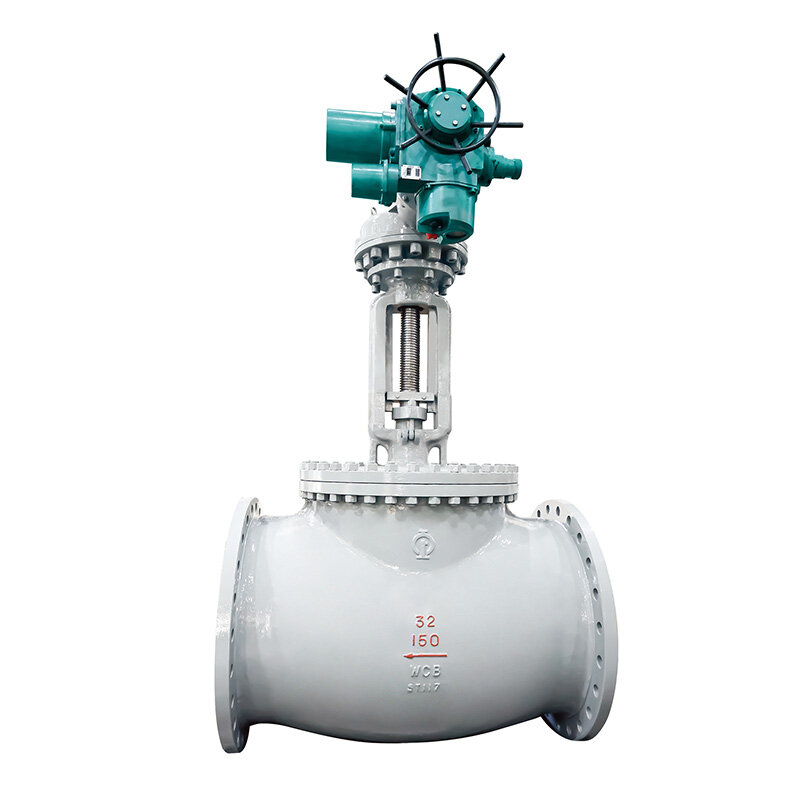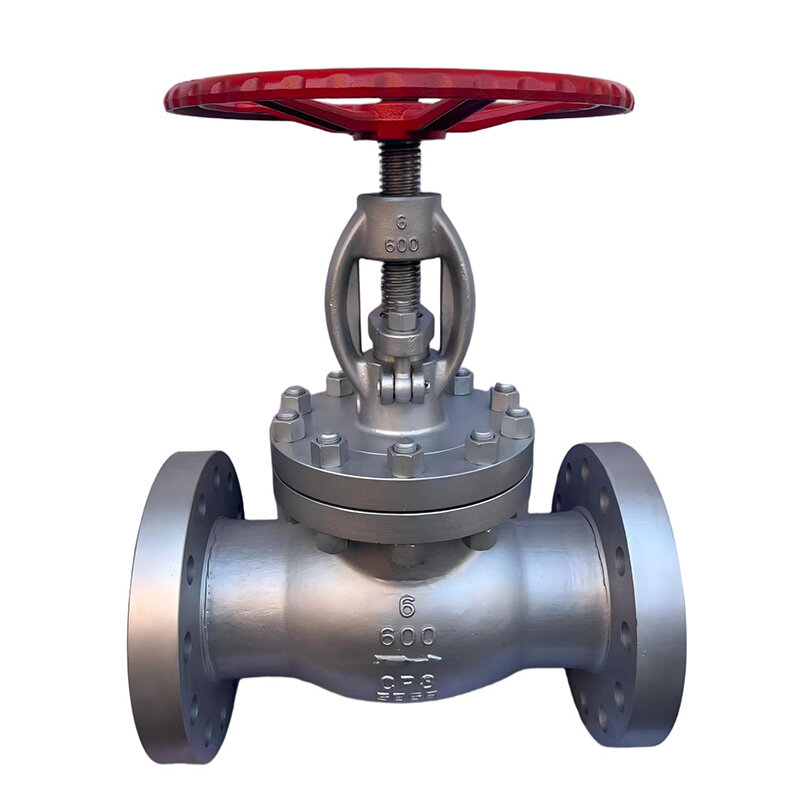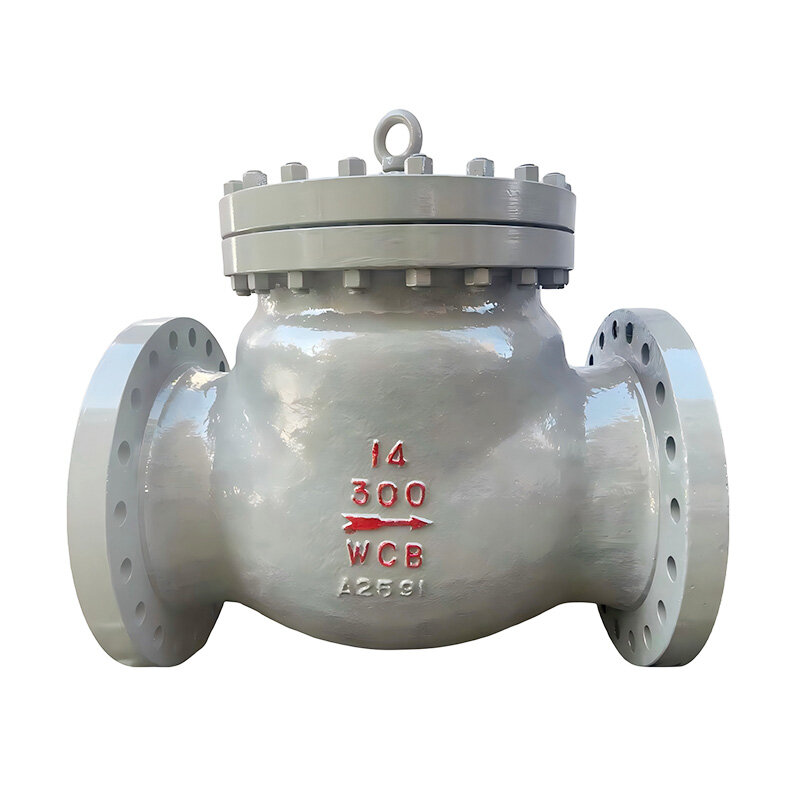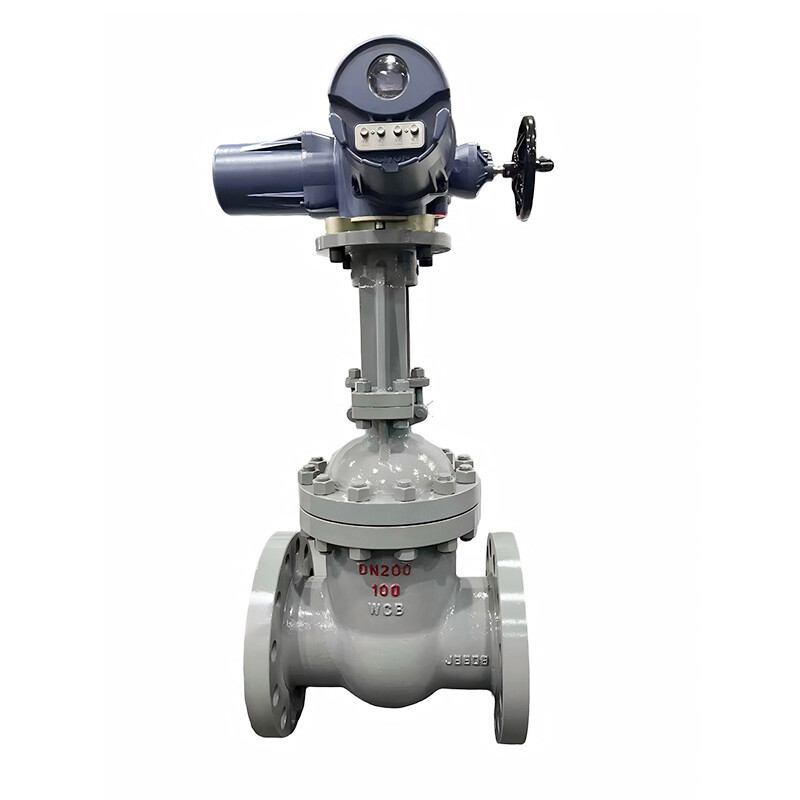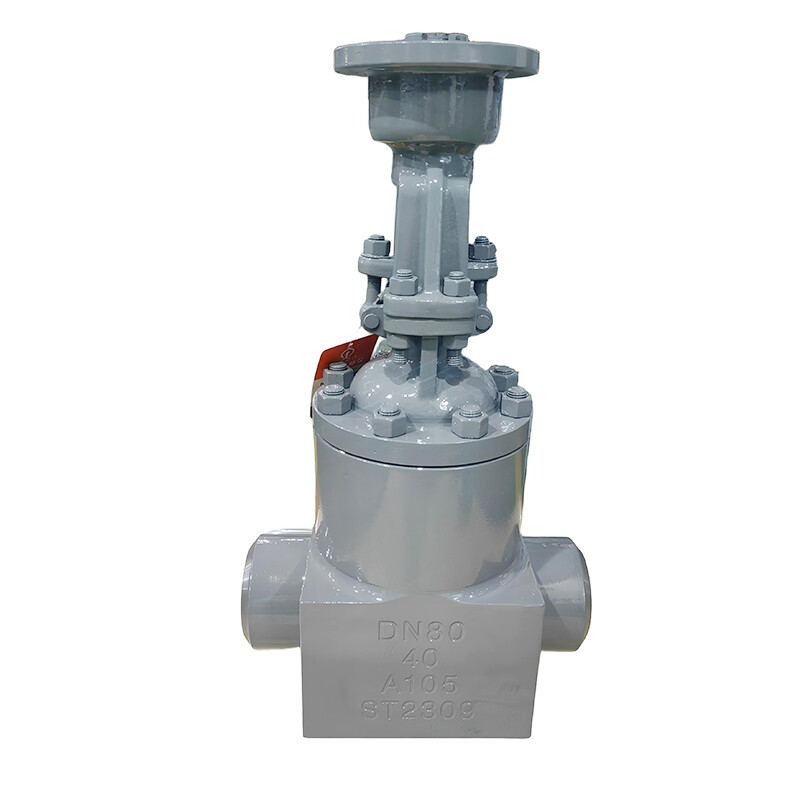
Factory testing is a critical step in ensuring valve quality. As industrial steel gate valves, API 600 Gate valves must undergo shell strength tests and sealing performance tests in accordance with standards to verify their pressure-bearing capacity and sealing effectiveness; these tests are also key points of inspection during the acceptance phase of pipeline projects. Site technicians often lack a comprehensive understanding of the test items, test media, holding times, and acceptance criteria for API 600 gate valves, which can easily lead to disputes during on-site acceptance.
The API 600 standard clearly categorizes the tests for steel gate valves into shell hydrostatic tests, seat sealing tests, and backseat tests. The purpose of the shell test is to verify the structural strength of pressure-containing components—such as the valve body and bonnet—and to detect material defects (e.g., internal porosity, sand holes, or cracks) in castings or forgings, thereby preventing leakage under operating pressure. Clean water is typically used as the test medium; however, for valves made of low-temperature materials, water temperature must be controlled to prevent brittle fracture caused by low temperatures. Test pressures are set according to the standard. During the pressure-holding period, no visible leakage or "sweating" is permitted on the valve body, bonnet, or connection points, and the shell must show no permanent deformation for the test to be deemed successful.
Seat sealing tests are divided into high-pressure and low-pressure tests to verify the sealing capability of the gate-and-seat sealing interface. API 600 gate valves feature a bidirectional sealing design, requiring sealing tests to be performed in both directions. Water is used as the medium for high-pressure sealing tests, while dry air or nitrogen may be used for low-pressure tests. During testing, the valve is closed and the test medium is introduced from one side; the leakage rate on the opposite side is measured over the specified holding time, and the value must not exceed the limits permitted by the standard. API 600 gate valves with metal-to-metal hard seals cannot achieve zero leakage; the standard specifies clear leakage limits, so acceptance should not be based simply on the absence of leakage.
The backseat test applies to API 600 gate valves with a rising-stem design. When the valve is fully open, the upper sealing seat engages with the sealing surface on the upper part of the stem, preventing the medium from leaking out of the stem packing chamber. The backseat test verifies the performance of this sealing pair; during the test, the valve is kept fully open, pressurized with the test medium, and monitored for any leakage at the packing area. A successful backseat test implies that packing replacement can be performed while the valve is under pressure, thereby enhancing on-site maintenance safety—a practical design feature of the rising-stem configuration found in API 600 gate valves.
There are several easily overlooked details during the testing process. Before testing, air must be completely purged from the valve cavity; residual air can cause pressure fluctuations and interfere with leakage observation. The valve clamping fixture must not compress the valve body, as external force could deform the shell and compromise test results. Pressure should not be raised rapidly; instead, it should be increased slowly in stages to prevent instantaneous pressure surges from damaging internal seals. After testing, accumulated water must be drained and the valve dried to prevent internal corrosion; this is particularly critical for carbon steel API 600 gate valves, where residual water accelerates inner-wall corrosion.
The testing standards for API 600 gate valves differ from those for API 6D check valves. API 6D focuses on pipeline valves and includes fire-test requirements, whereas the API 600 standard targets steel gate valves for refineries, treating fire testing as an optional item subject to project technical specifications. During the project bidding phase, technical agreements should clearly state whether fire testing is required to avoid discrepancies regarding the scope of supply.
Testing precautions vary depending on the valve material. For carbon steel valve bodies undergoing hydrostatic testing in low-temperature environments, care must be taken to avoid the material's cold-brittleness range. For stainless steel valve bodies, the chloride ion content in the test water must be controlled to prevent pitting corrosion. Valves made of alloy materials require proper marking after testing to distinguish material batches and prevent accidental mixing during on-site installation. During on-site acceptance, in addition to verifying test reports, it is essential to check the valve nameplate details; the pressure rating, material, and standard designation indicated on the nameplate must align with order specifications. API 600 gate valves with missing nameplate information or non-compliant parameters must not proceed to the installation stage. On-site re-inspection may involve sampling to verify sealing performance, with the sampling plan executed in accordance with project specifications.
Valve testing is merely one component of quality control; passing a test does not guarantee suitability for immediate use under all operating conditions, as assessments must also consider the pipeline medium, temperature, and pressure. While test media are typically clean water, actual operating conditions may involve oil, steam, or corrosive substances. Differences in media alter the wear characteristics of sealing surfaces; therefore, hydrostatic test results cannot be directly equated to sealing performance under actual operating conditions.
The comprehensive testing protocol for API 600 gate valves covers shell pressure-bearing capacity, bidirectional sealing performance, and back-seat reliability, ensuring the valve's fundamental operational capabilities within the process pipeline. Mastering testing protocols and rigorously conducting both factory and on-site inspections minimizes the risk of shell leakage or internal seat leakage after commissioning, thereby ensuring the safe and stable operation of the entire process pipeline.
Previous:Key Selection Criteria for API 600 Gate Valves in Petrochemical Piping Systems
Next:API 600 Gate Valve Operation and On-Site Maintenance Considerations