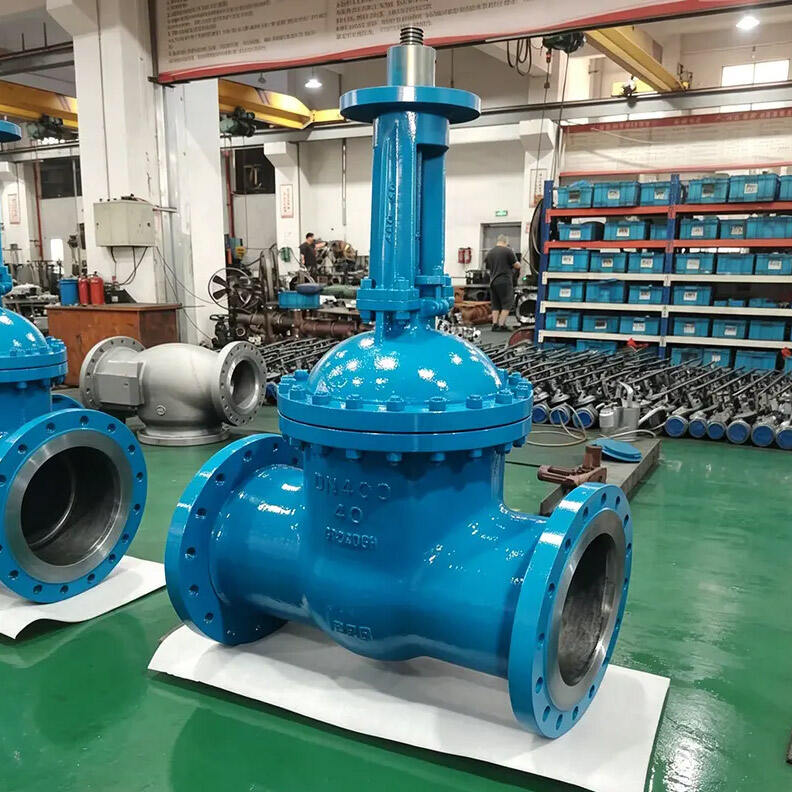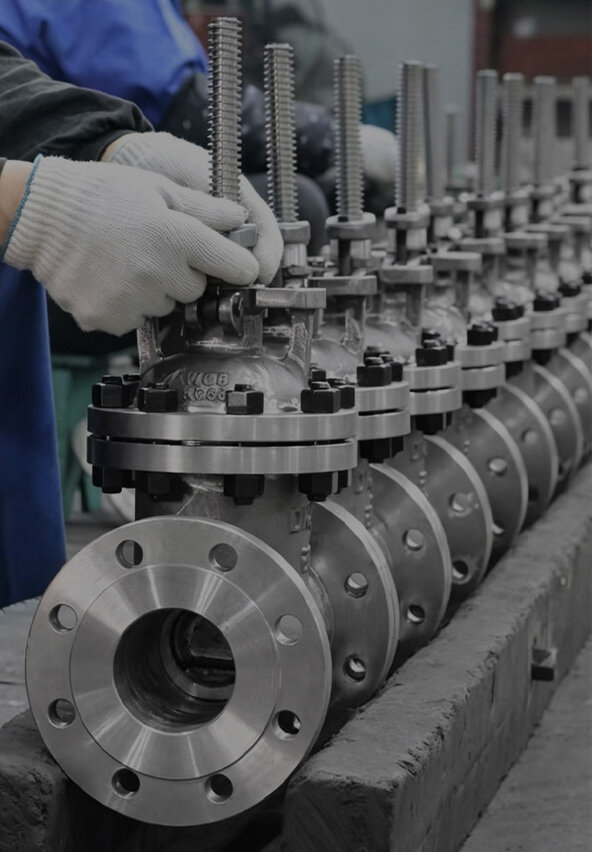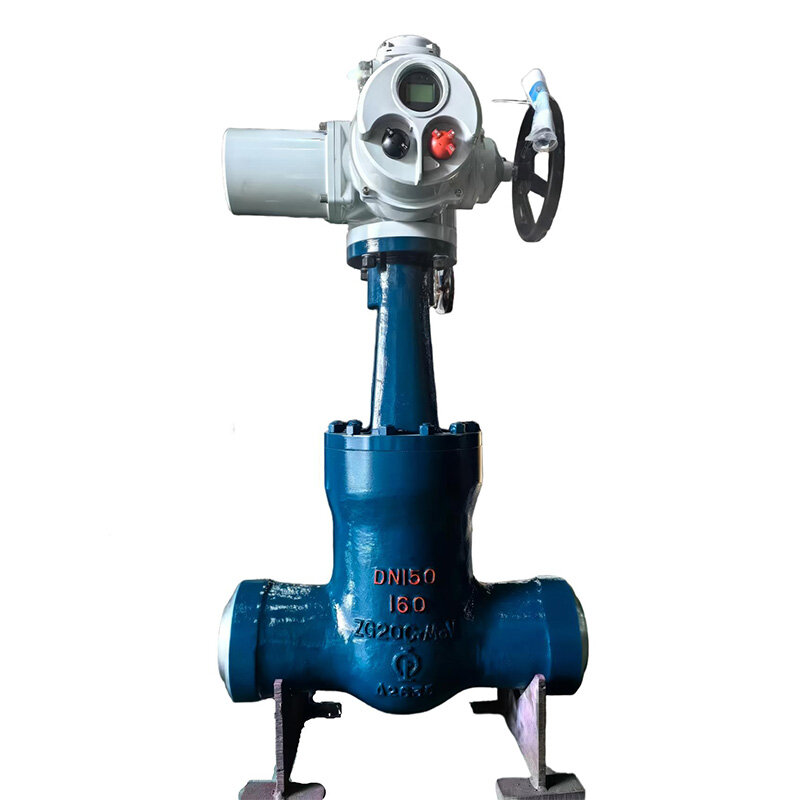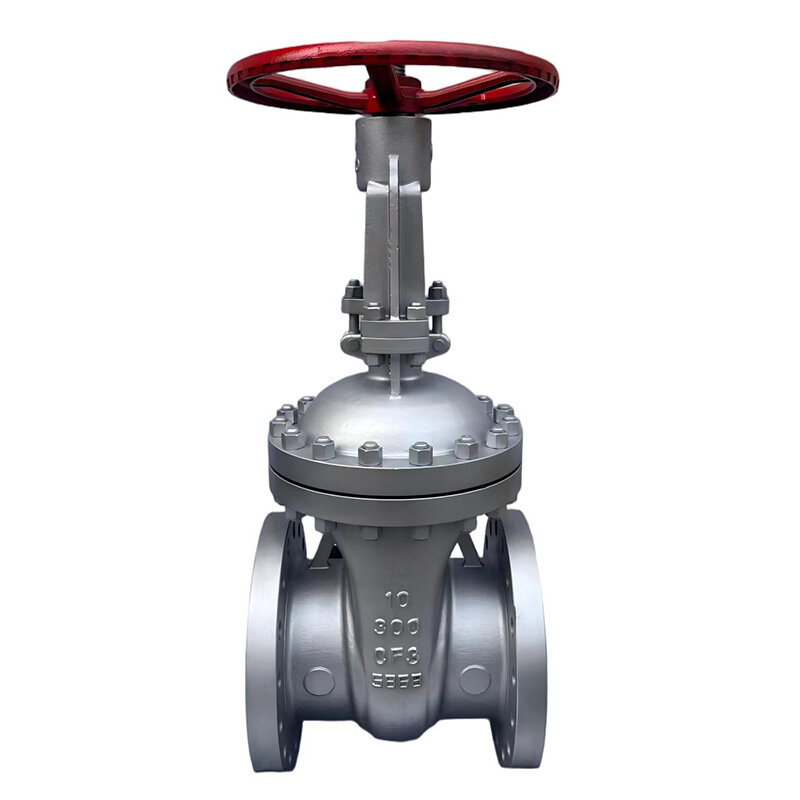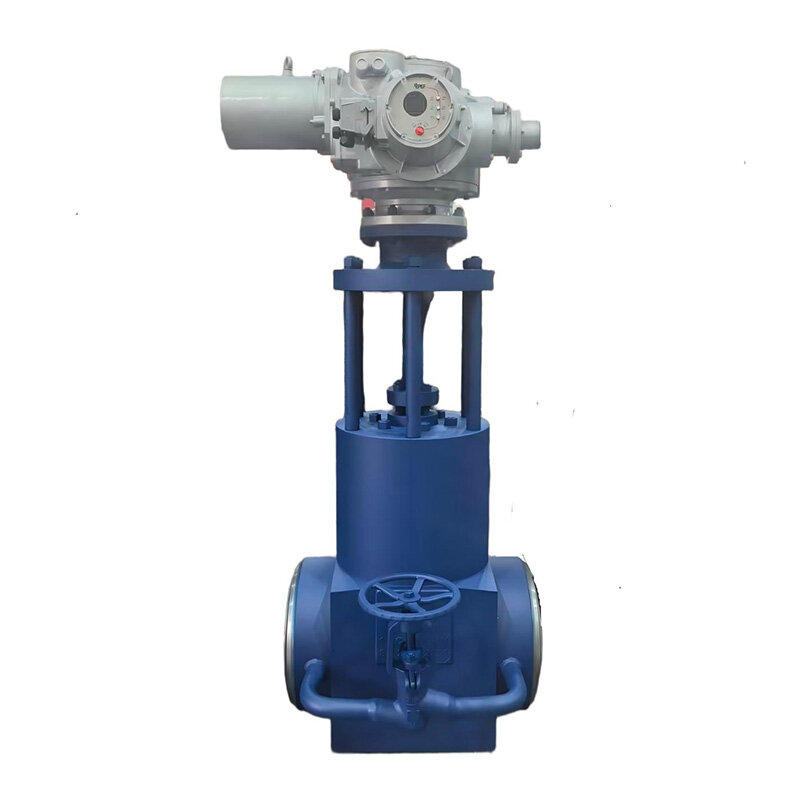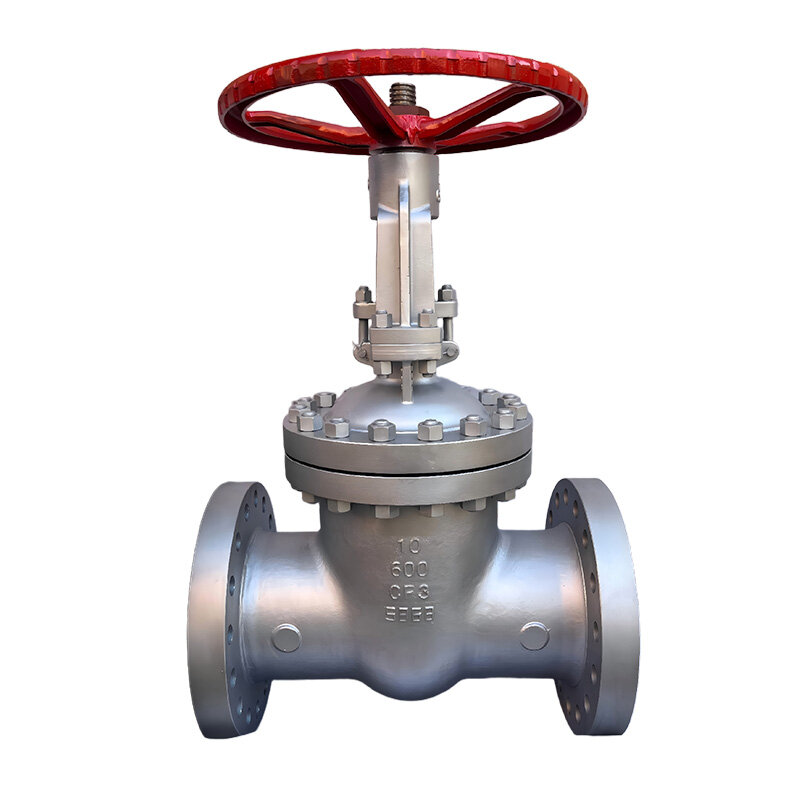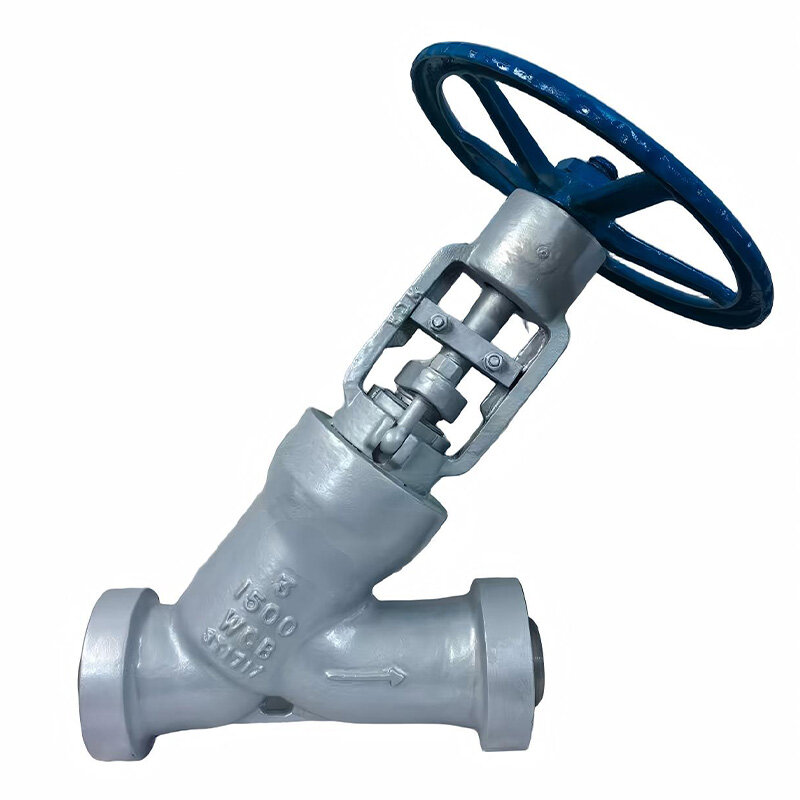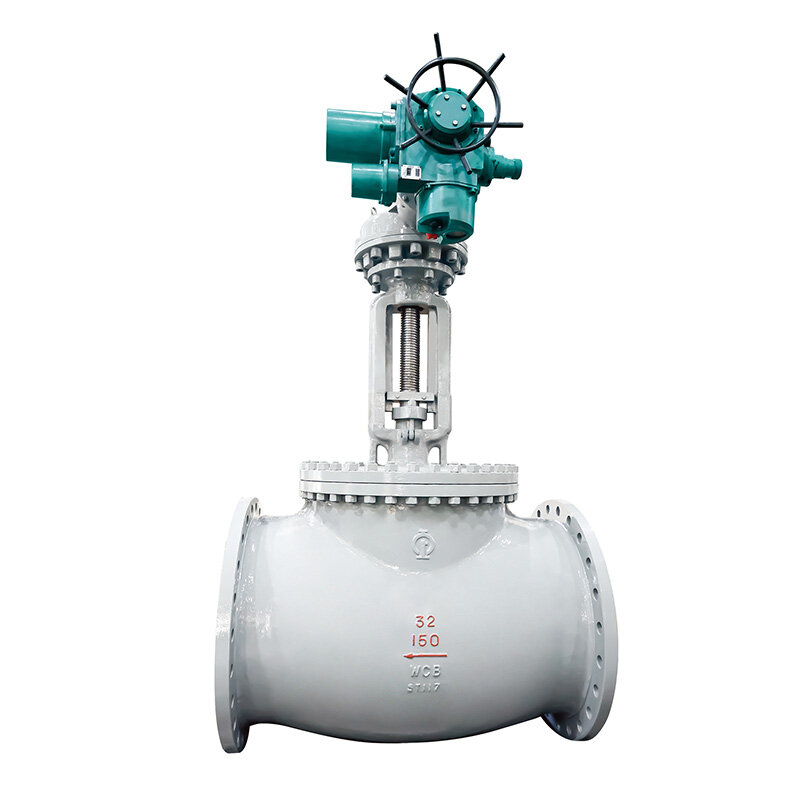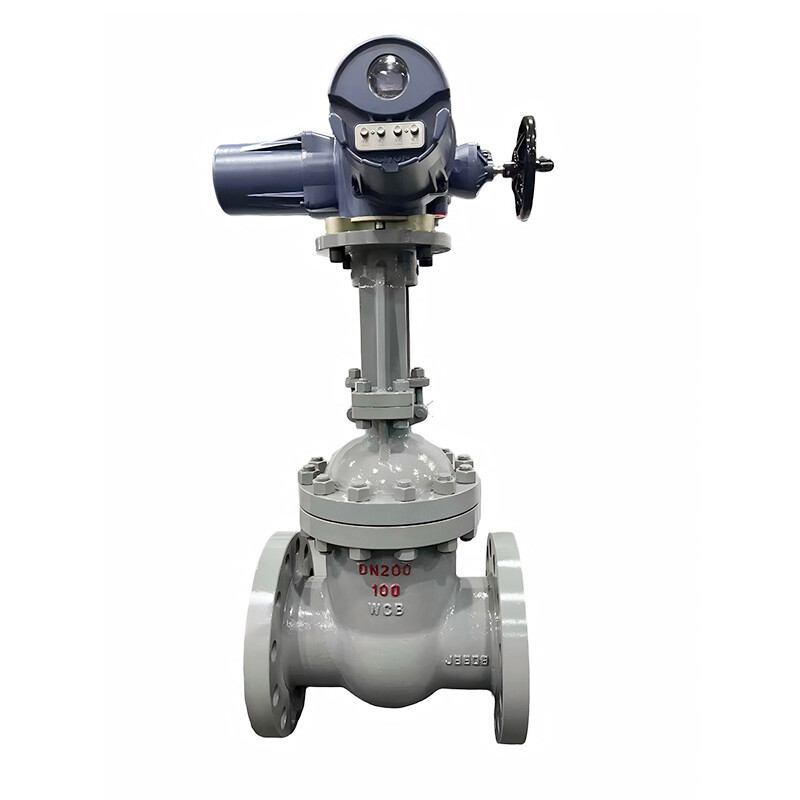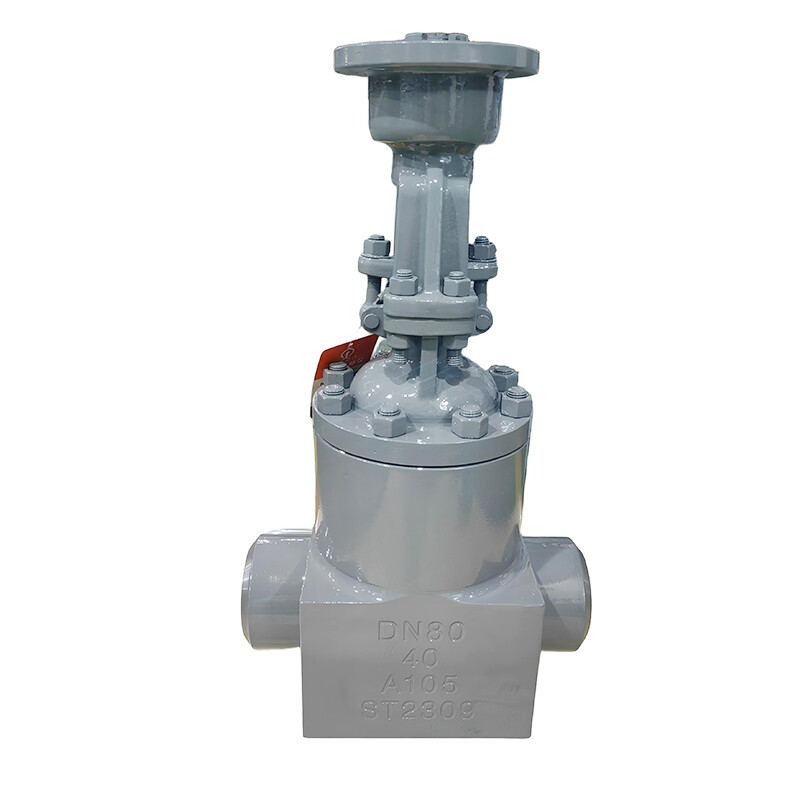
Selecting materials for API 600 gate valves is a critical step in piping system design; the materials for components such as the valve body, stem, wedge, and seat must be determined based on a comprehensive assessment of the medium type, operating temperature, and corrosive characteristics. Improper material selection can lead to issues such as corrosion, high-temperature creep, and low-temperature brittle fracture, resulting in valve failure. Understanding the material properties of API 600 gate valve components enables engineers to make appropriate material selections.
The API 600 standard covers cast and forged steel gate valves, with common body materials including carbon steel, stainless steel, and alloy steel. Carbon steel bodies are moderately priced and suitable for neutral media—such as petroleum products and ambient-temperature steam—across a wide temperature range. However, carbon steel exhibits reduced impact toughness and a risk of brittle fracture at low temperatures; therefore, when selecting carbon steel API 600 gate valves for low-temperature pipelines, low-temperature impact testing is required to verify that the material meets performance standards. Austenitic stainless steel bodies offer strong resistance to uniform corrosion and are suitable for mildly corrosive media; however, in environments containing chloride ions, they are susceptible to pitting and stress corrosion, necessitating control of the chloride ion concentration. Chromium-molybdenum alloy steel bodies feature excellent resistance to high-temperature creep and are frequently used in high-temperature process pipelines, as the material experiences less strength degradation under high-temperature conditions.
"Trim materials" refer to components that come into contact with the medium, such as the wedge, seat, and stem. Sealing surfaces on the seat and wedge are typically hard-faced with Stellite alloy; this alloy offers high hardness and excellent resistance to erosion and wear, making it suitable for applications involving mild erosion. Valve stems are generally made of stainless steel or alloy steel and undergo surface polishing to minimize friction loss against the packing and enhance corrosion resistance. Since the stem is in direct contact with the medium, corrosion can reduce its cross-sectional area and strength, creating a risk of fracture during opening or closing operations; consequently, a higher grade of stem material should be selected for corrosive service conditions. Gaskets and packing are non-metallic valve accessories that must be compatible with operating conditions. Spiral-wound graphite gaskets are commonly used for flanges due to their high-temperature resistance and stable sealing performance; flexible graphite packing is selected for high-temperature media. Non-metallic materials have upper temperature limits; excessive heat can cause packing carbonization and gasket aging or failure, leading to external leakage. For cryogenic applications, flexible sealing materials suitable for low temperatures are chosen to prevent hardening and loss of elasticity.
Types of media corrosion include uniform corrosion, pitting, erosion, and stress corrosion. Uniform corrosion causes continuous thinning of the valve body wall, necessitating a corrosion allowance during the design phase. Pitting typically occurs on stainless steel surfaces, forming localized pits that can eventually penetrate the casing. Erosion occurs when media carrying solid particles impacts the sealing surface at high speeds, causing wear; in such cases, simply upgrading the valve body material has limited effect, so upstream filtration is used to reduce the entry of solid particles into the valve cavity.
Material selection for API 600 gate valves must also consider welding compatibility. When welding the valve body to the pipeline, the materials should be matched as closely as possible to minimize microstructural defects in the welded joint and reduce the risk of weld cracking. Welding dissimilar materials requires a specific welding procedure qualification to control preheating, interpass temperature, and post-weld heat treatment.
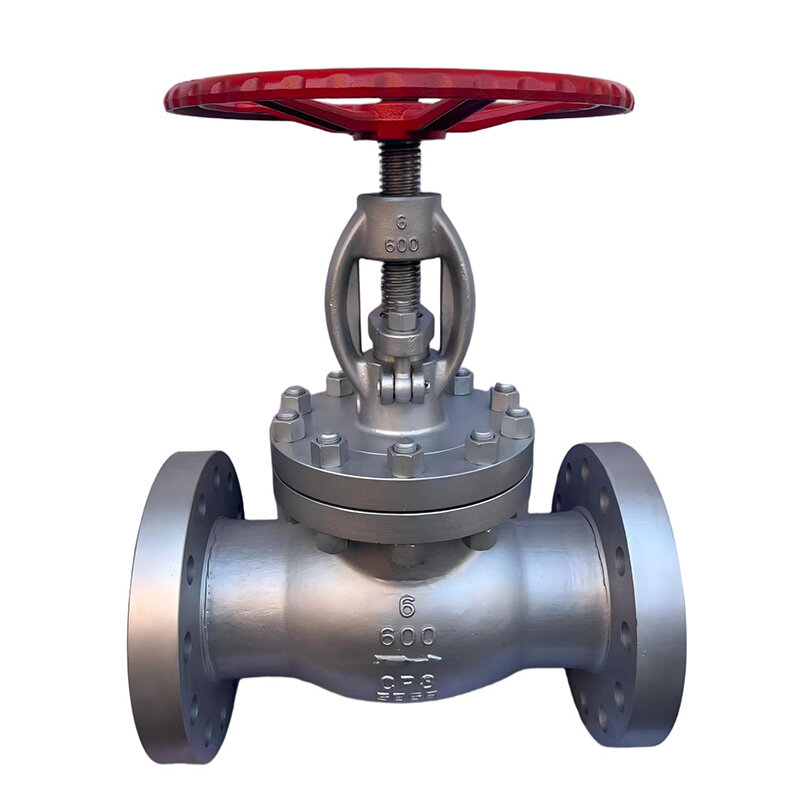
Material selection logic for API 600 gate valves is often confused with that for API globe valves. The flow path structure of API globe valves results in higher flow velocities and stronger impingement on the disc sealing surface, often requiring higher material grades for internal components. In contrast, API 600 gate valves offer an unobstructed flow path with gentler flow velocities and relatively lower erosion levels when fully open; however, since the gate is subjected to media pressure on both sides, the bidirectional sealing structure places demands on the deformation resistance of the internal components.
During material verification, incoming raw materials must be checked against material certification documents, and spectroscopic re-testing should be performed when necessary to confirm that the chemical composition aligns with order specifications. Cast valve bodies must undergo non-destructive testing to detect internal defects and ensure casing integrity. Project technical agreements should clearly specify material requirements, the scope of non-destructive testing, and heat treatment protocols to prevent discrepancies between supplied materials and design specifications.
Material suitability for API 600 gate valves must be re-evaluated whenever operating conditions change. During pipeline modifications—such as alterations in medium composition or temperature—existing materials may no longer meet corrosion resistance or temperature tolerance requirements; continued use could pose safety risks, necessitating the replacement of valves with materials suited to the new conditions.
The material specifications for API 600 gate valves encompass the casing, internal trim, and sealing components; therefore, material selection must not focus solely on the valve body, as the suitability of internal trim and seals is equally critical. Properly matching materials for the entire valve assembly based on medium parameters and temperature-pressure conditions helps minimize corrosion-related failures, extends service life, and ensures the safe operation of chemical pipelines.