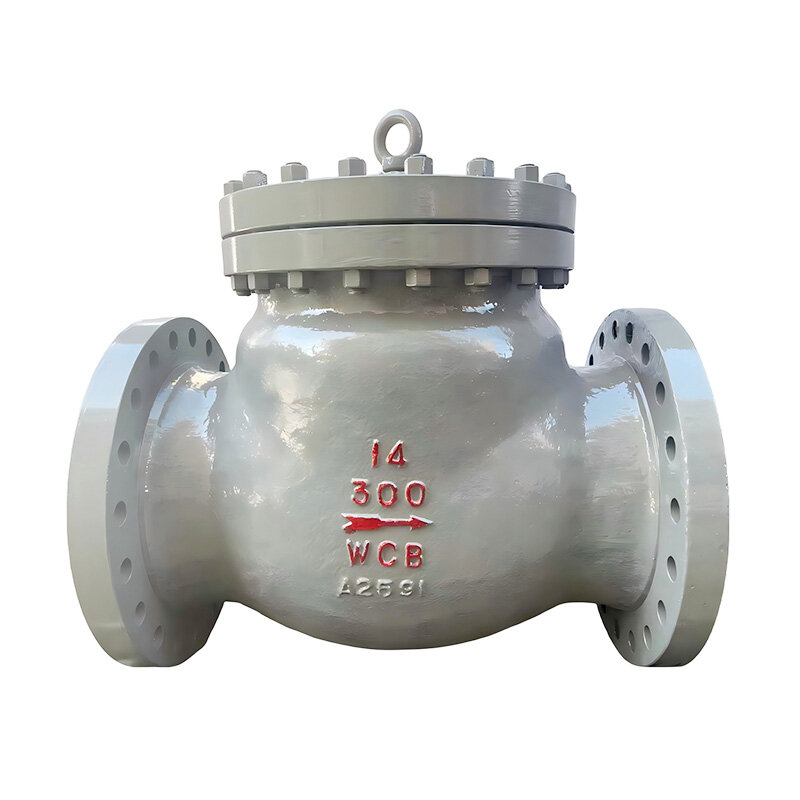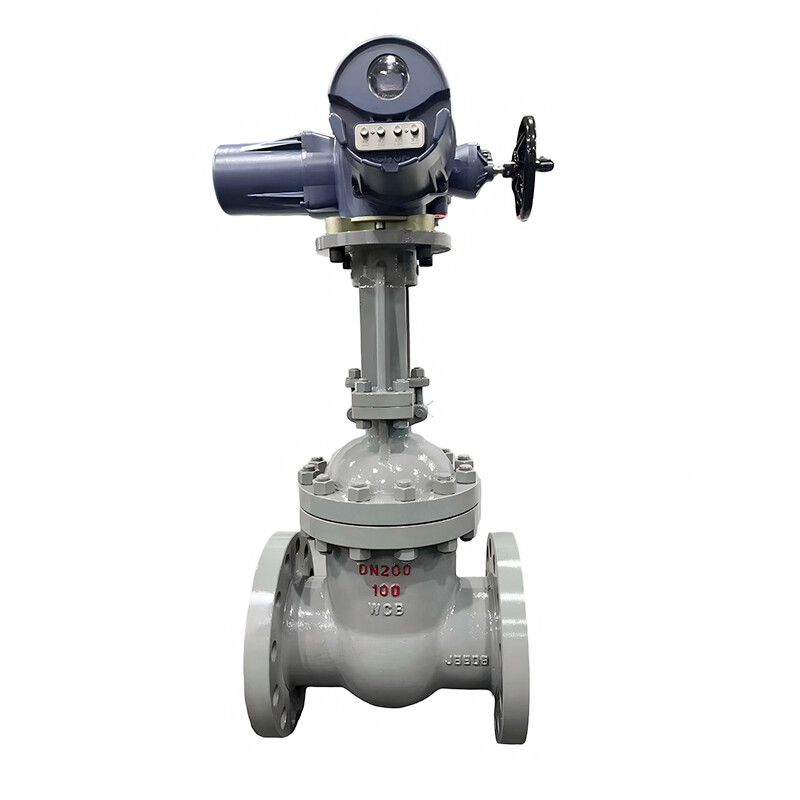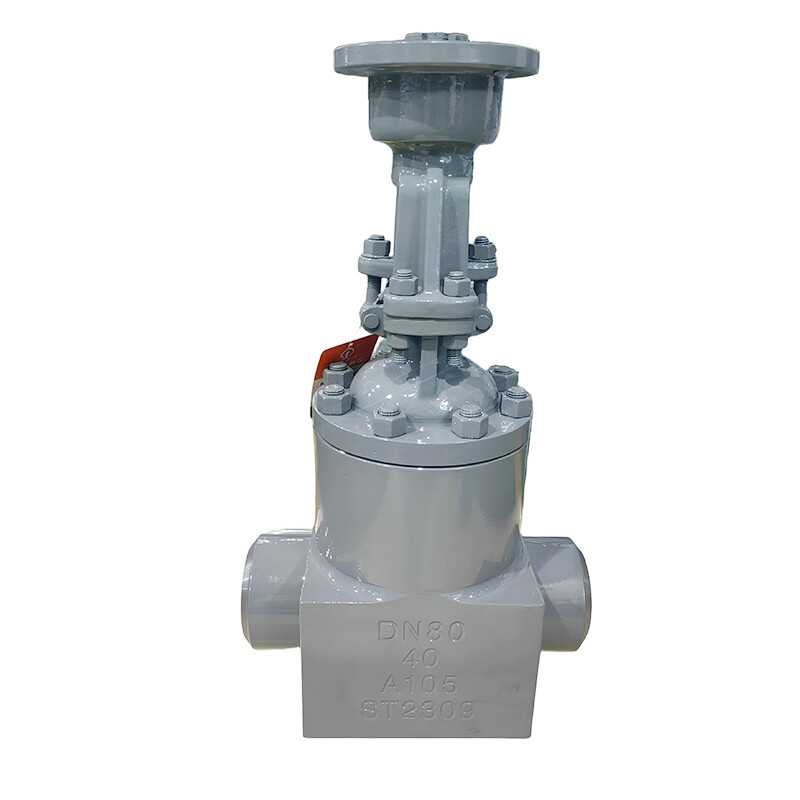
The API 600 gate valve remains the industry benchmark for bolted‑bonnet steel gate valves in petroleum refining, petrochemical processing, and natural gas transmission. Since its first publication in 1942, the standard has evolved through fourteen editions, with the latest 2021 update introducing stricter fugitive emissions requirements, enhanced material traceability, and refined pressure‑containing integrity rules. Understanding the technical depth of API 600 is critical for engineers, procurement specialists, and operations personnel who specify, select, and maintain these valves in severe service conditions.
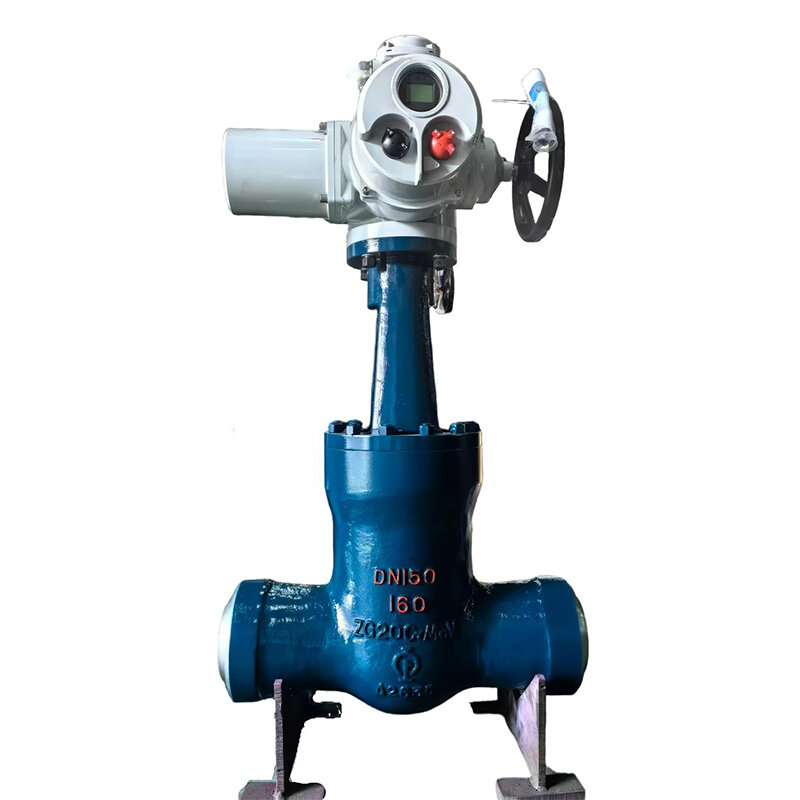
API 600 covers bolted‑bonnet steel gate valves with flanged, butt‑welding, or welding ends, spanning pressure classes from Class 150 to Class 2500 and nominal pipe sizes from NPS 1 through NPS 24. This broad scope makes them suitable for everything from low‑pressure utility systems to extreme high‑pressure, high‑temperature process services. It is essential to distinguish API 600 from related standards: API 602 addresses forged steel gate valves for smaller diameters (NPS 2 and below), while API 603 covers corrosion‑resistant gate valves with reduced wall thickness for stainless steel and nickel alloys. API 600 gate valve, by contrast, embodies a thick‑wall design philosophy that prioritises mechanical robustness, corrosion allowance, and long‑term reliability, making it the preferred choice for refineries, chemical plants, and power generation facilities.
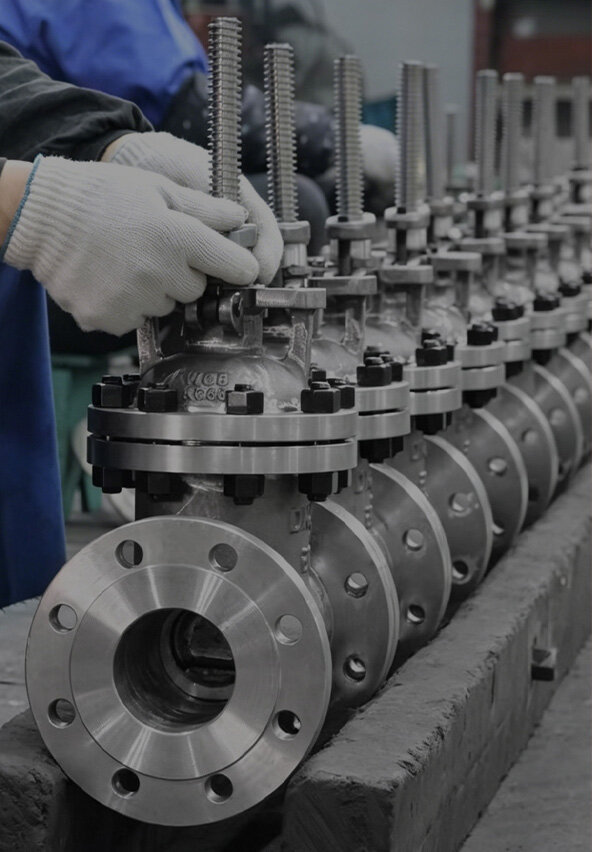
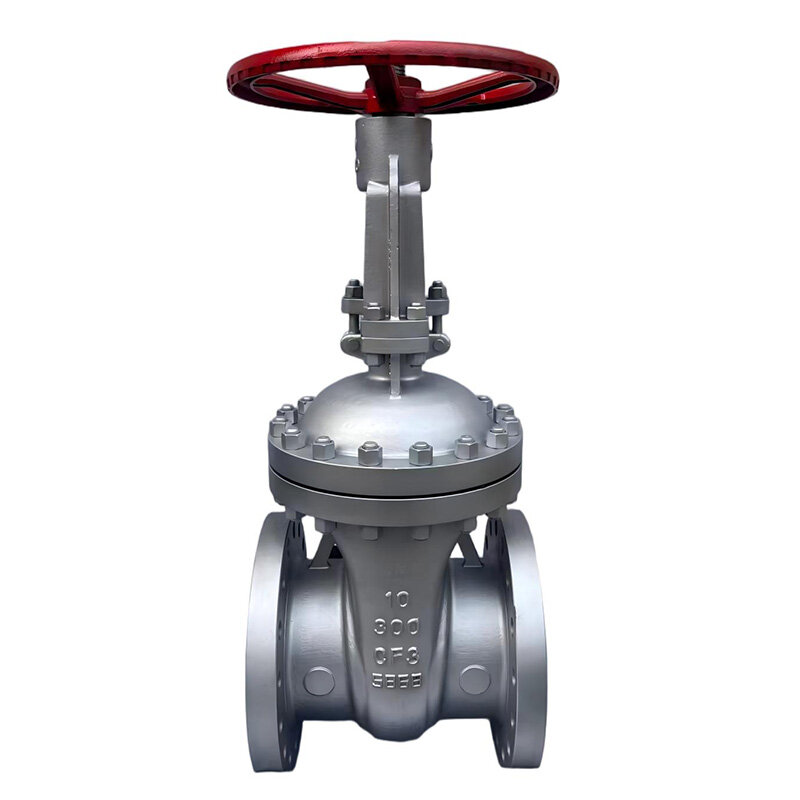
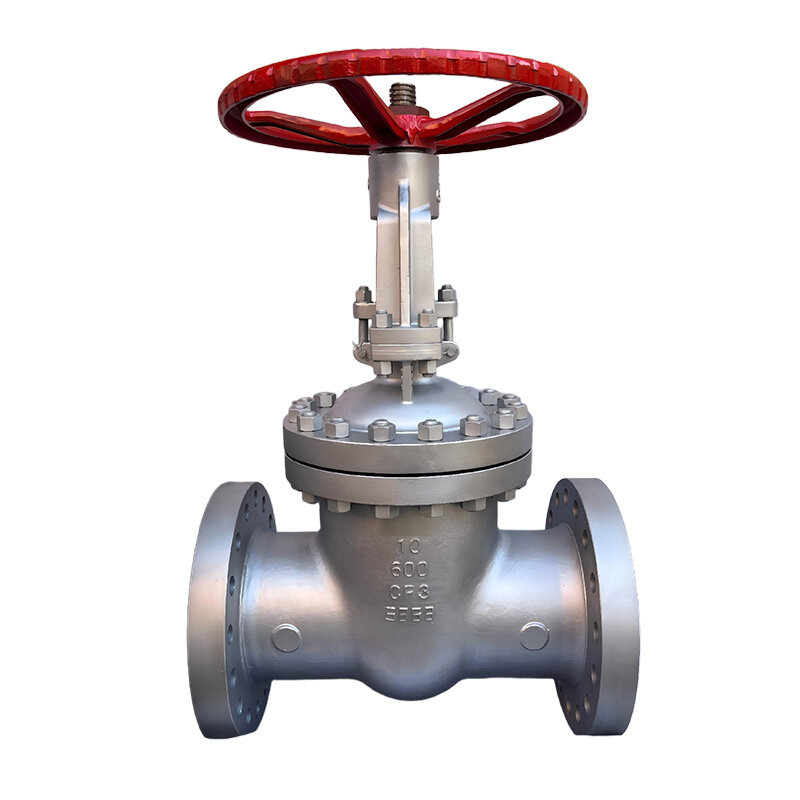
The design requirements of API 600 are exhaustive, covering body and bonnet wall thickness, gate geometry, stem dimensions, packing arrangements, and bolting. A defining feature is the bolted bonnet joint, secured with studs and nuts, which allows field disassembly and maintenance while maintaining a pressure‑tight seal. Another hallmark is the outside screw and yoke (OS&Y) configuration, which positions stem threads external to the pressure envelope, protecting them from corrosion and galling, enabling visual position indication, and allowing lubrication without breaching the seal. The rising stem gives operators clear visual feedback of valve position. The gate or wedge can be solid, flexible, or split, with the flexible wedge being especially valuable in high‑temperature steam and hydrocarbon services where thermal cycling can distort seating surfaces. Precision grinding and lapping of wedge faces to a mirror finish ensure bubble‑tight shut‑off. The stem is forged for superior strength, features precision Acme threads, and is surface‑hardened via nitriding to resist wear, while a backseat enables gland packing replacement under full line pressure, reducing downtime.
Pressure‑temperature ratings align with ASME B16.34, covering cryogenic conditions down to ‑200°C and elevated temperatures up to 595°C or higher, depending on materials. The generous wall thickness provides a substantial corrosion allowance, critical for carbon steel valves in refinery service where process streams contain sulfur, hydrogen sulfide, and organic acids. This sacrificial thickness ensures long‑term structural integrity, directly impacting lifecycle cost and plant reliability. API 600 also specifies a comprehensive trim numbering system that standardises material combinations for internal components. Trim 1 uses 13% chromium martensitic stainless steel for all trim parts, offering cost‑effective corrosion resistance for general hydrocarbon and utility services. Trim 5 employs Stellite hard‑facing on gate and seat surfaces, providing exceptional hardness and erosion resistance, making it standard for high‑pressure steam and abrasive services. Trim 8 uses Monel for all trim components, offering outstanding chloride and seawater resistance, specified for marine, brine, and hydrofluoric acid alkylation units. Trim 12 is the NACE MR0175/ISO 15156‑compliant configuration for sour gas service containing hydrogen sulfide, with strict hardness limits (22 HRC max) to prevent sulfide stress cracking, while Stellite ensures erosion resistance on seating surfaces. Valve bodies are typically cast from carbon steel (ASTM A216 WCB), alloy steel, or stainless steel, with body seat rings often Stellite‑hard‑faced and welded to maintain a hardness differential to prevent galling.
Rigorous testing and quality assurance are central to API 600 compliance. Every valve undergoes pressure testing per API 598, including shell tests, closure tightness tests, and backseat tests. The 2021 edition incorporates API 624 type testing for fugitive emissions, responding to tightening environmental regulations on volatile organic compound leakage. This low‑emission requirement is now a decisive selection factor for refineries and chemical plants in environmentally sensitive areas. Castings must meet radiographic quality standards, and dimensional verification ensures conformity with ASME B16.10 face‑to‑face dimensions and ASME B16.5 or B16.47 flange standards.
The application landscape for API 600 gate valves is vast, including petroleum refineries handling crude oil and finished products, petrochemical and chemical plants controlling feedstocks and products, oil and gas production from wellheads to transmission pipelines, power generation facilities for steam and cooling water, and marine/offshore installations. When comparing standards, ASME B16.34 provides general rules, while API 600 is product‑specific with enhanced requirements for petroleum and natural gas service. API 603 offers a lightweight alternative with reduced wall thickness for expensive corrosion‑resistant alloys but at the cost of mechanical strength. ISO 10434 incorporates API 600 within an international framework and is often considered equivalent.
In summary, the API 600 gate valve standard embodies decades of engineering refinement, delivering robust, reliable, and maintainable flow control for the most challenging industrial environments. Its thick‑wall construction, bolted bonnet, OS&Y design, flexible wedge options, and systematic trim selection provide a versatile platform tailored to virtually any service condition. The addition of fugitive emissions testing in the latest edition ensures that API 600 remains at the forefront of both performance and environmental responsibility. For engineers and operators, mastering the technical nuances of API 600 is a strategic investment in plant reliability, safety, and operational excellence, directly impacting uptime, maintenance costs, and environmental compliance. As global industry demands cleaner and safer operations, the API 600 gate valve remains an indispensable tool, providing the confidence and performance required to sustain critical energy and chemical infrastructure worldwide.
Previous:API 6D Check Valve A Comprehensive Guide to Design Features Applications and Performance
Next:Comprehensive Interpretation of the API 6D Check Valve Standard System and Design Specifications