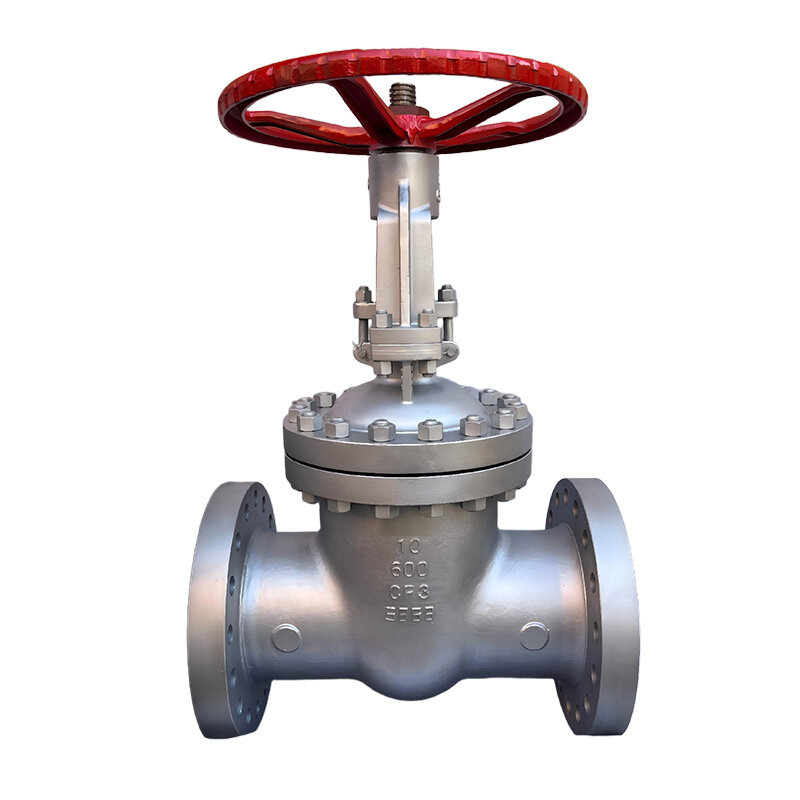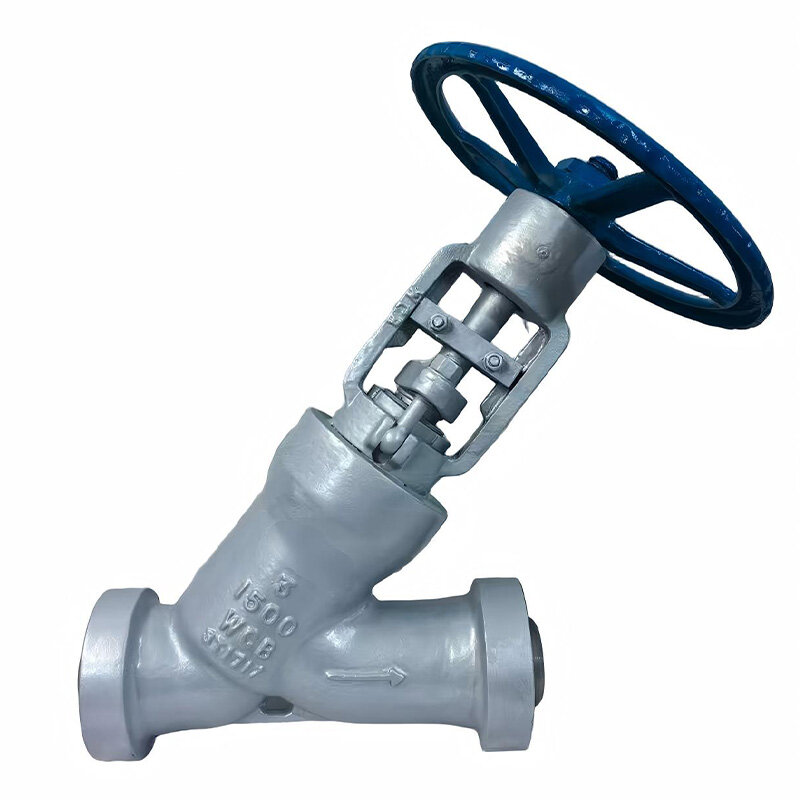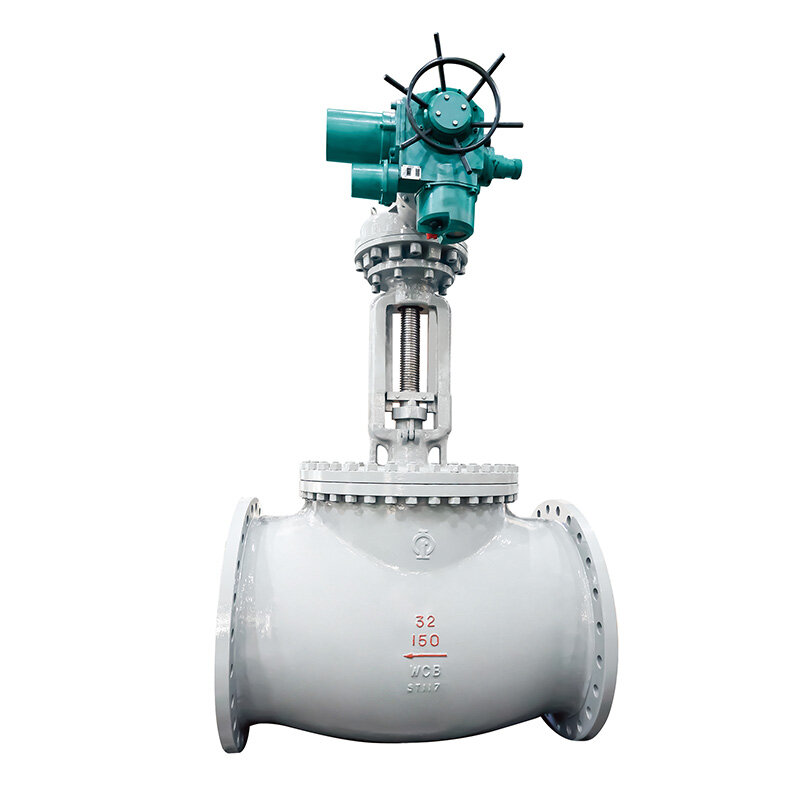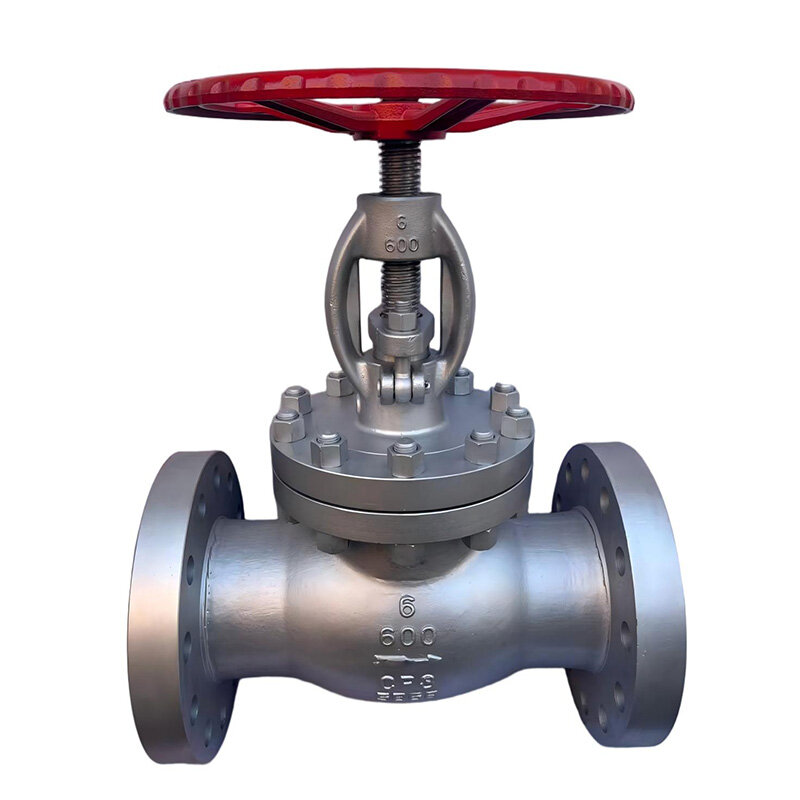
API 6D Check Valve is an important type of pipeline valve designed according to the requirements of the API 6D standard. It is mainly used in oil, gas, and other industrial pipeline systems where reliable one-way flow control is required. The primary function of this valve is to allow fluid to flow in a specific direction while preventing reverse flow. By automatically closing when the flow direction changes, the API 6D Check Valve helps protect pipelines, pumps, compressors, and other equipment from potential damage caused by backflow.
Unlike manually operated valves, an API 6D Check Valve does not require external control during normal operation. It works through the pressure difference of the flowing medium. When the upstream pressure is higher than the downstream pressure, the valve opens and allows the fluid to pass. When the flow stops or begins to reverse, the valve closes automatically to maintain system safety and stability. This simple operating principle makes it widely used in applications where continuous and reliable protection is necessary.
The design of an API 6D Check Valve focuses on durability, sealing performance, and safe operation under demanding conditions. Pipeline systems often operate in environments with high pressure, temperature changes, and long service periods. Therefore, the valve body and internal components must have strong mechanical strength and resistance to wear. High-quality materials are commonly selected to ensure the valve can maintain stable performance even in harsh working conditions.
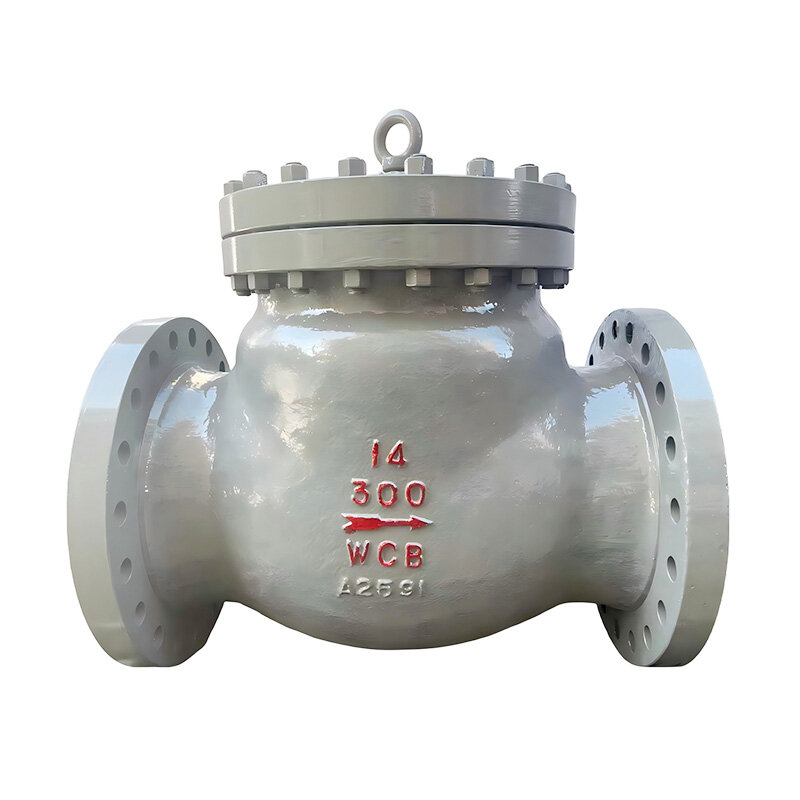
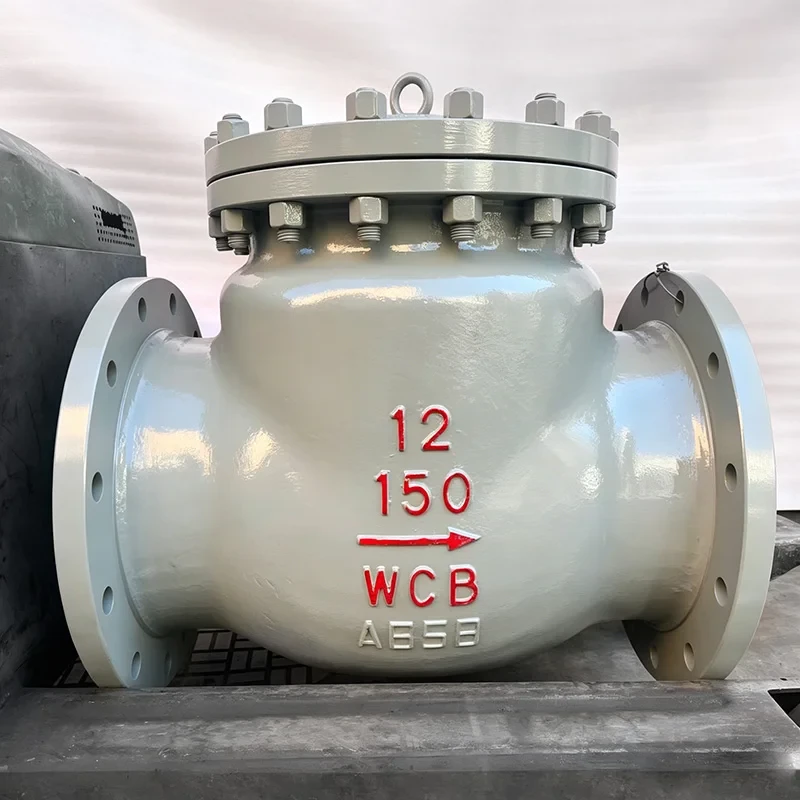
There are several common designs of API 6D Check Valves, including swing check valves, dual plate check valves, and axial flow check valves. Different designs provide different flow characteristics and operating advantages. Swing check valves use a hinged disc that moves away from the seat when fluid flows in the correct direction and returns to the closed position when reverse flow occurs. Dual plate designs use two plates that open and close quickly, helping reduce pressure impact and improve response speed. Axial flow designs provide smooth fluid movement and are suitable for systems that require efficient flow control.
One of the most important features of an API 6D Check Valve is its reliable sealing capability. A properly designed sealing system prevents leakage when the valve is closed and helps maintain pipeline integrity. In industries that transport natural gas, oil, or chemical fluids, effective sealing is essential for improving safety and reducing operational risks. The valve seat, disc, and other internal components must work together precisely to achieve dependable shut-off performance.
Another important characteristic is pressure resistance. API 6D Check Valves are designed for pipeline applications where pressure conditions can be demanding. The valve structure must withstand internal pressure and external forces while maintaining proper function. Strong valve construction helps reduce the possibility of failure and supports long-term operation.
API 6D Check Valves are widely used in many industrial fields. In oil and gas transportation systems, they are installed to prevent reverse movement of fluids and protect important equipment. In natural gas pipelines, they help maintain stable flow conditions and reduce the impact of unexpected pressure changes. They are also used in chemical plants, power facilities, water transportation systems, and other industrial processes where preventing backflow is necessary.
The advantages of API 6D Check Valves include automatic operation, strong reliability, and reduced maintenance requirements. Because the valve responds directly to changes in fluid pressure, it can operate without complex control systems. This helps simplify pipeline design and improves overall efficiency. Their durable construction also allows them to perform effectively in demanding environments for extended periods.
When selecting an API 6D Check Valve, several factors should be considered, including operating pressure, temperature, fluid characteristics, installation conditions, and maintenance requirements. The selected valve should match the requirements of the pipeline system to ensure safe and efficient operation. Proper material selection is especially important because different fluids may create different levels of corrosion or wear.
Regular inspection and maintenance are also necessary to keep API 6D Check Valves working properly. Operators should check for possible leakage, damage, corrosion, or abnormal movement of internal components. Timely maintenance can help prevent unexpected failures and extend the service life of the valve. Proper installation is equally important because incorrect positioning or unsuitable operating conditions may affect valve performance.
With the continuous development of industrial technology, API 6D Check Valve designs continue to improve. Modern valve solutions focus on better sealing, improved flow efficiency, stronger materials, and easier maintenance. These improvements help meet the increasing requirements of modern pipeline systems and provide safer and more reliable fluid transportation.
In conclusion, the API 6D Check Valve is a critical component for pipeline safety and operational stability. Its ability to prevent reverse flow automatically makes it an essential choice for many industries. With strong construction, dependable sealing performance, and adaptability to challenging environments, API 6D Check Valves continue to play an important role in protecting equipment and maintaining efficient industrial operations.
Previous:The Role of the API Power Station Globe Valve in Modern Energy Infrastructure
Next:API 600 Gate Valve Standard Updates and Technical Insights for Heavy-Duty Industrial Flow Control