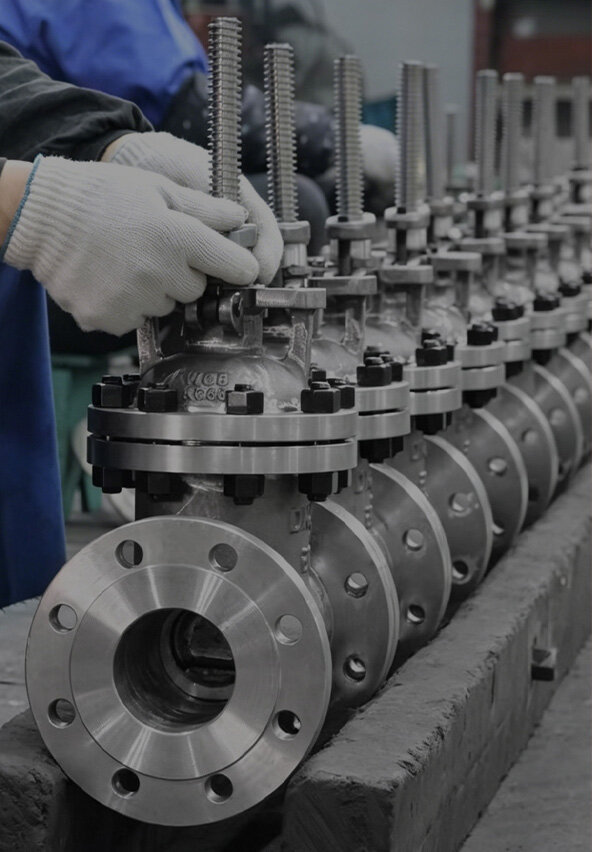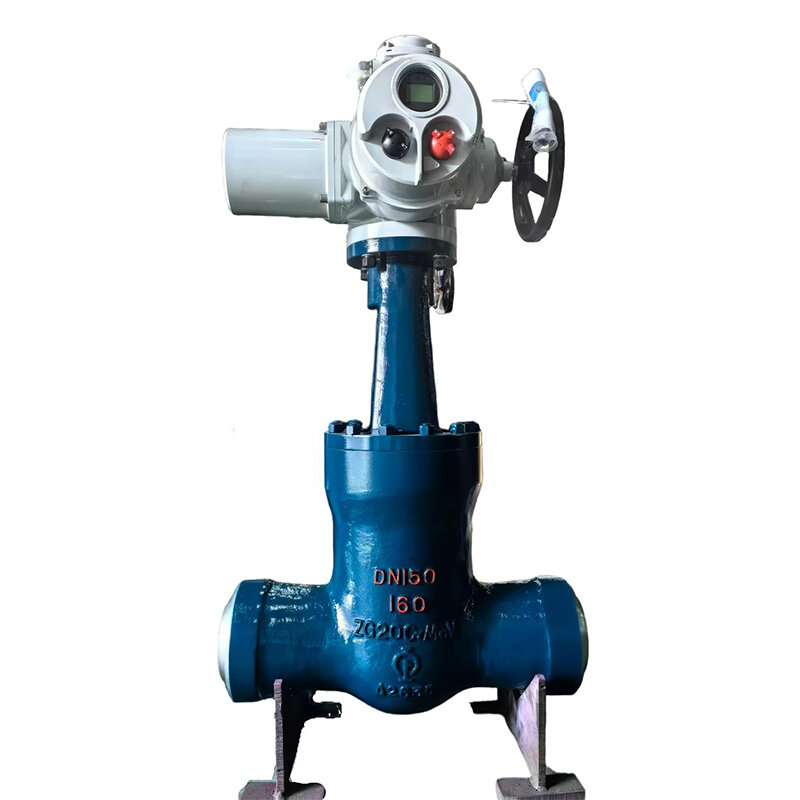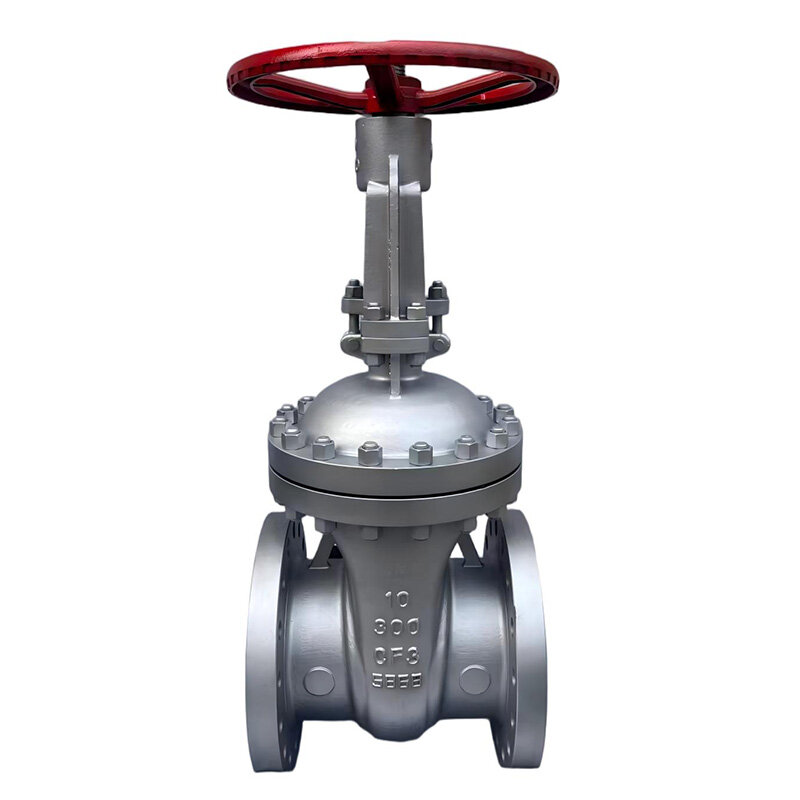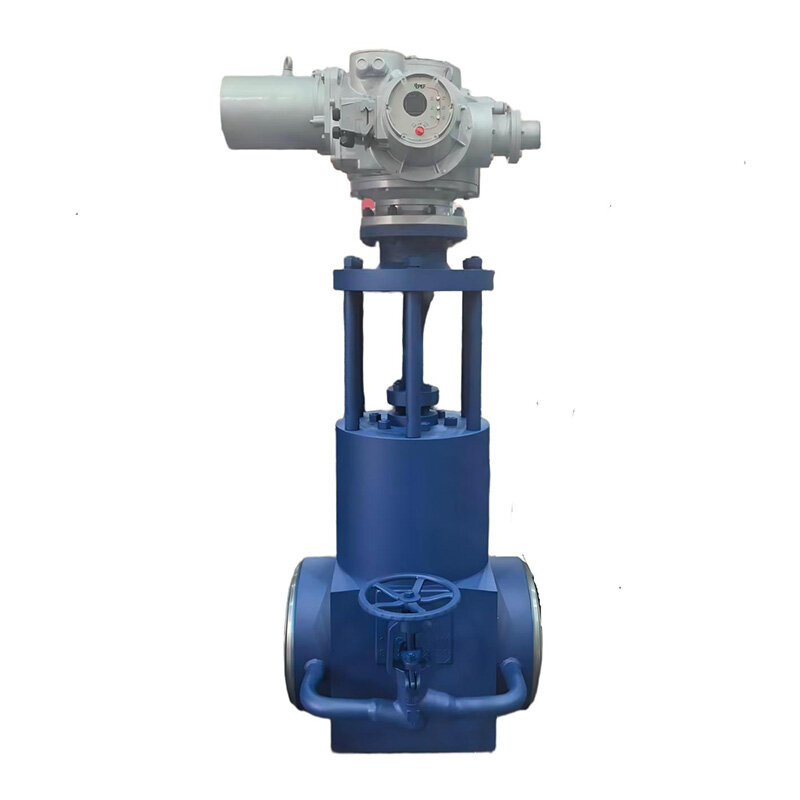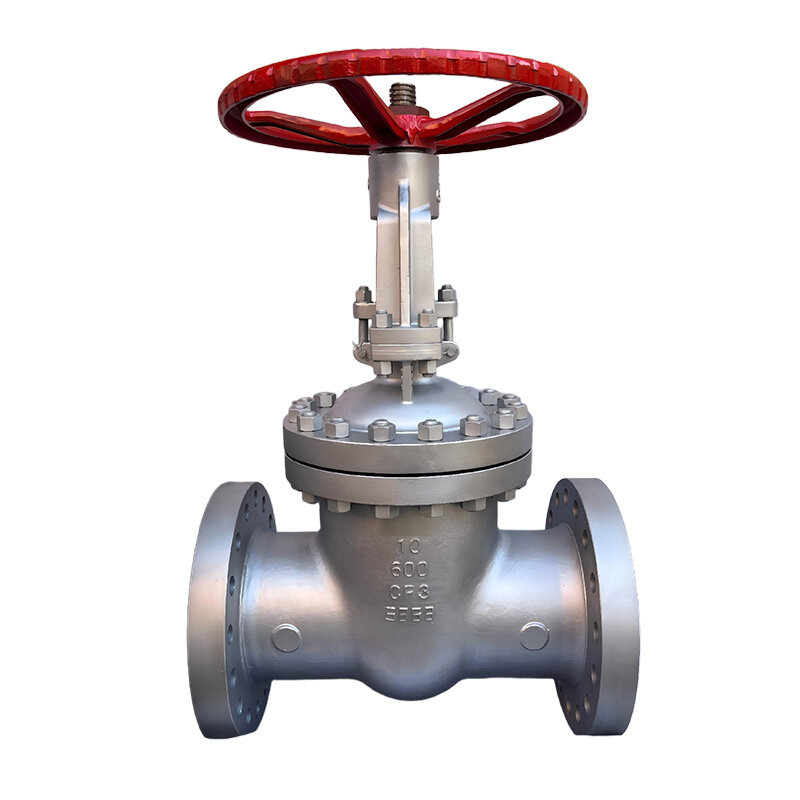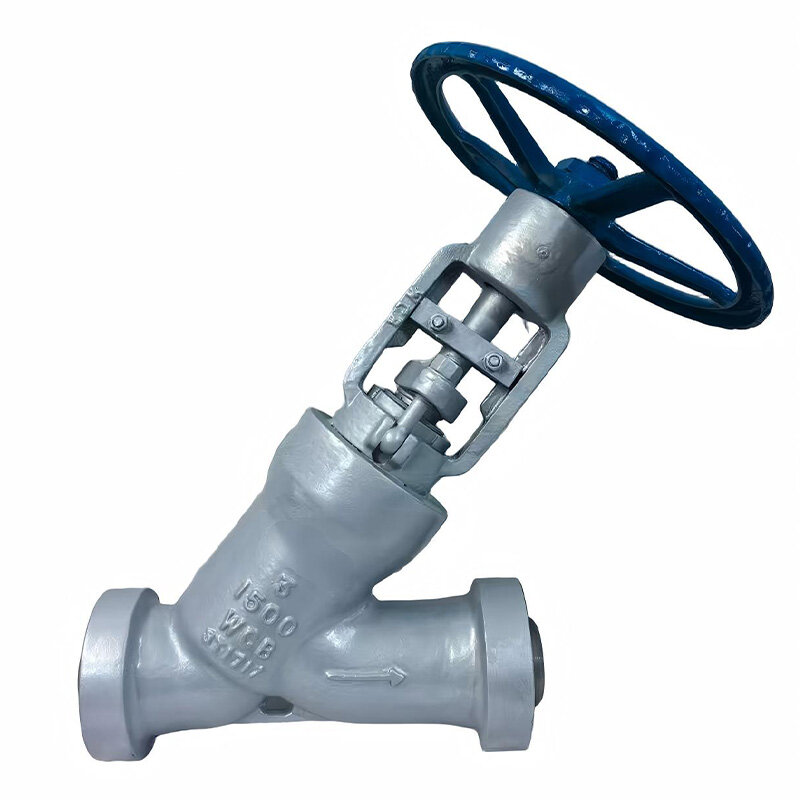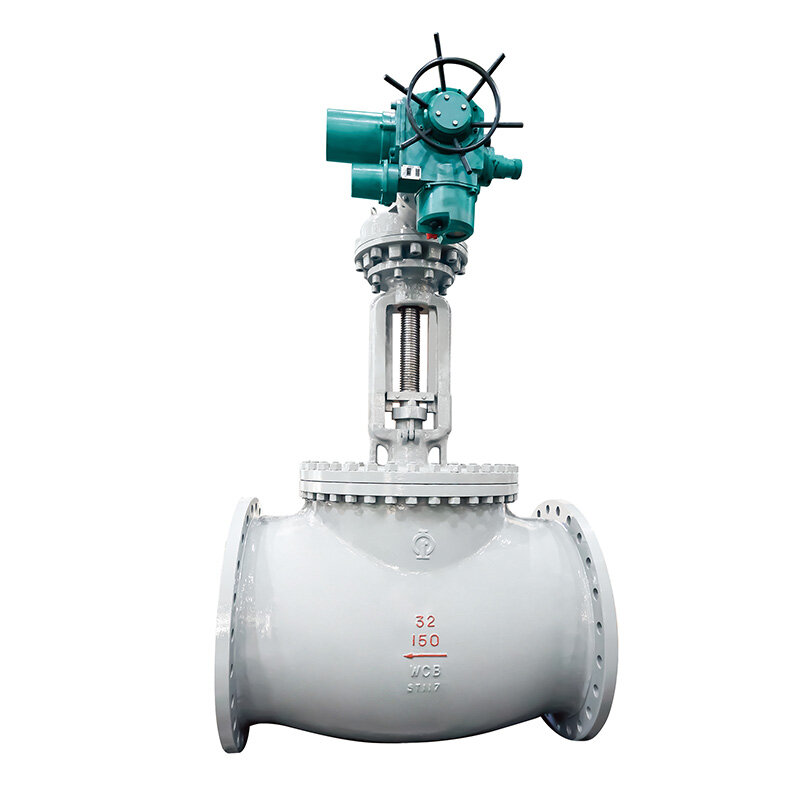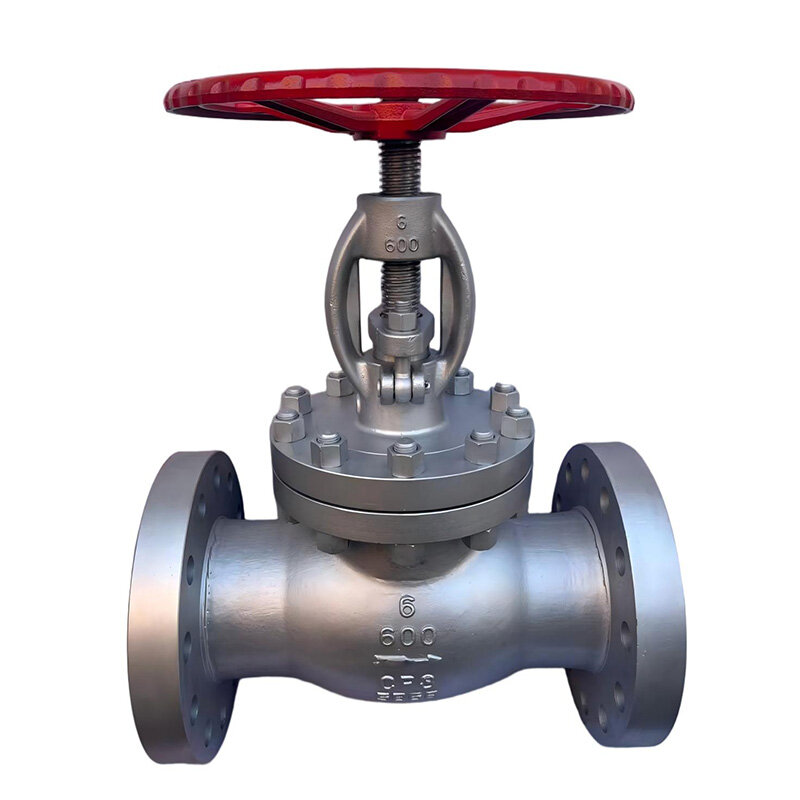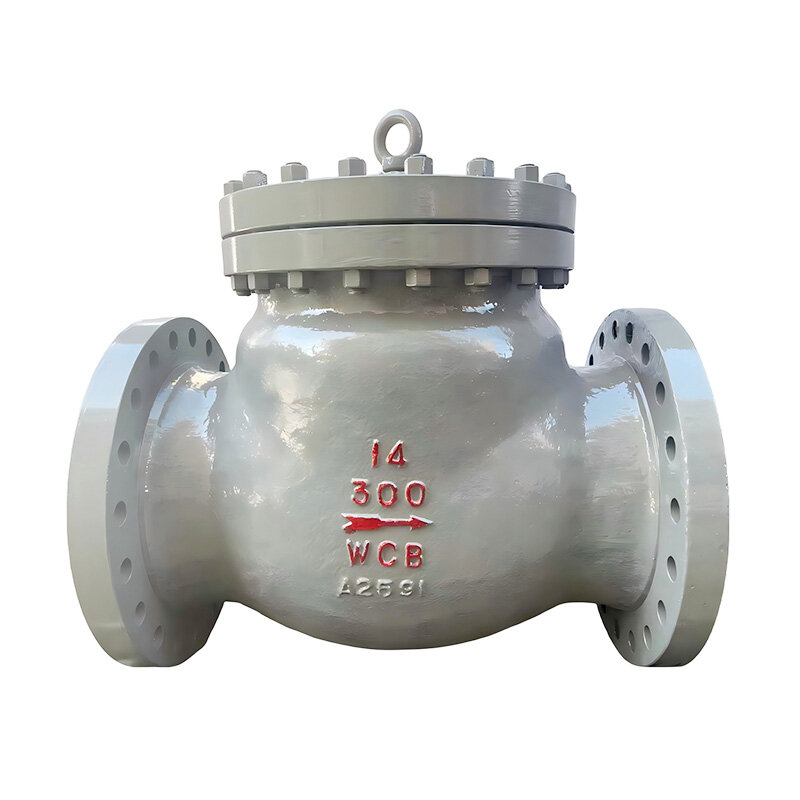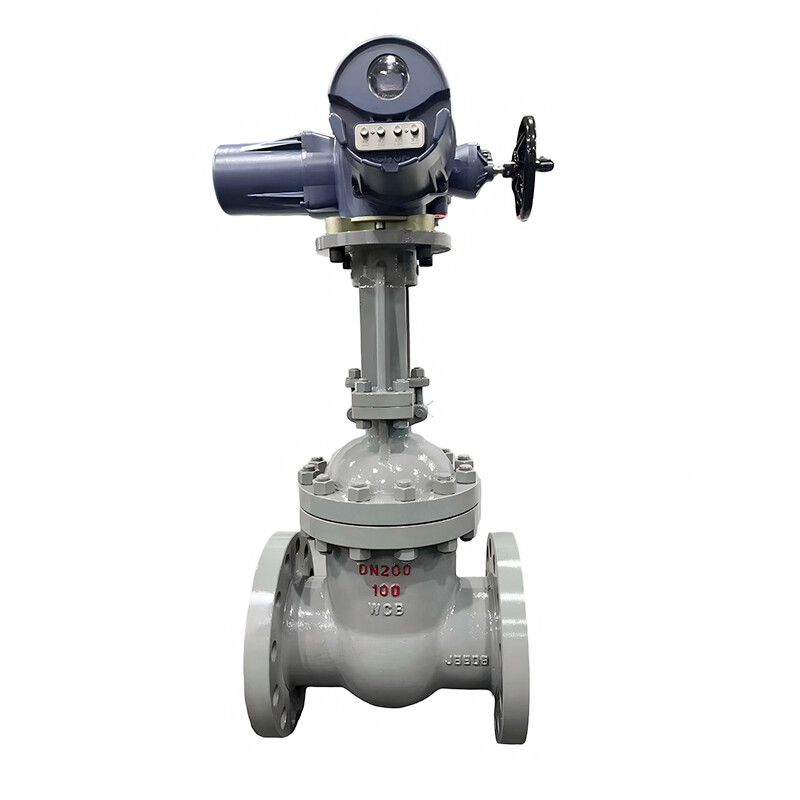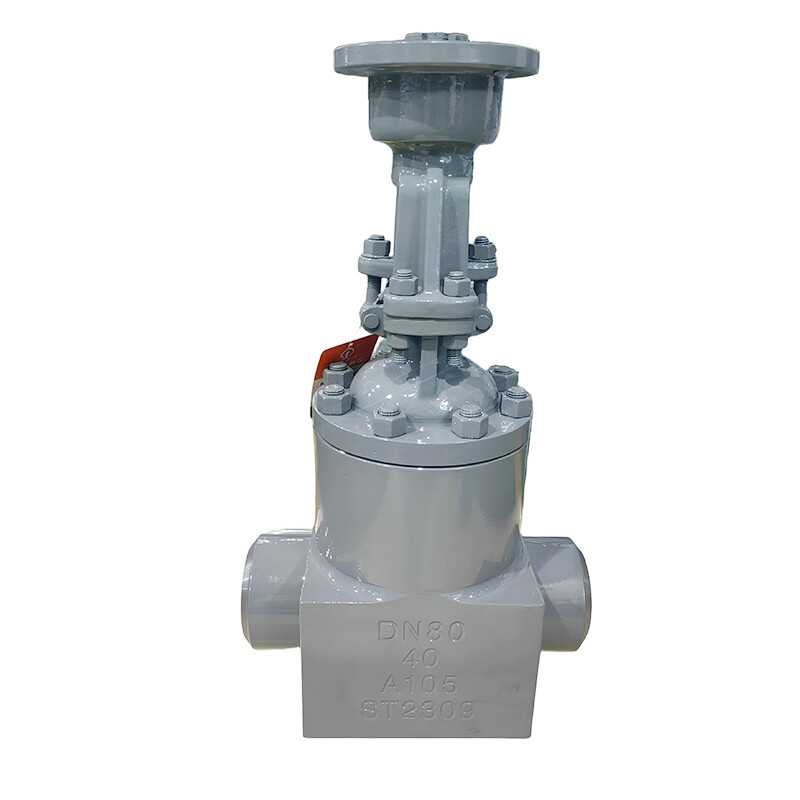
Our API Power Station Globe Valve complies with API specifications, designed for severe high temperature & high pressure service in power stations. Equipped with wear-resistant hard trim, it ensures outstanding sealing performance under fluctuating operating loads. Suitable for cutting off and modulating steam, feedwater in power plant piping systems. Multiple end connections and actuator options can be customized to meet different project requirements.
Designed for Severe Service Conditions
Power station globe valves are engineered specifically to withstand the thermal cycling and mechanical stresses inherent in steam generation. These valves are built with forged steel pressure boundaries, a construction choice that improves structural reliability under severe pressure and temperature loading. The welded-end configuration, commonly specified for such applications, reduces leak paths compared to bolted joint designs, supporting long-term integrity on critical lines where unplanned downtime carries significant operational consequences.
The pressure seal bonnet design is a notable feature of many power station globe valves. This self-energizing sealing structure responds to internal pressure—as the pressure within the valve cavity increases, the sealing elements compress more firmly against the bonnet, ensuring leak-free operation under extreme conditions. This characteristic makes the pressure seal bonnet particularly well-suited to high-pressure steam applications, where conventional bolted bonnet designs may require more frequent maintenance.
Standardization and Compliance
Adherence to API and ASME standards is a hallmark of power station globe valves intended for critical service. These valves are typically designed and manufactured in accordance with ASME B16.34 for pressure-temperature ratings, with face-to-face dimensions conforming to ASME B16.10 and butt-welded ends to ASME B16.25. Inspection and testing are commonly performed to API 598, ensuring that each valve meets established performance criteria before installation.
The API 623 standard, which specifically addresses globe valves for general industrial applications, emphasizes enhanced sealing performance and suitability across various temperature ranges. For power station service, where steam temperatures can reach elevated levels and pressures are substantial, compliance with these rigorous standards provides a basis for reliable operation.
Operational Characteristics
The globe valve's linear motion design offers certain advantages in power station applications. Unlike gate valves, which are primarily intended for fully open or fully closed service, globe valves can accommodate controlled throttling while maintaining reasonable shutoff capability. This makes them suitable for applications where flow regulation is required alongside isolation, such as in auxiliary steam lines, drains, vents, and feedwater systems.
The contoured disc design found in many power station globe valves provides stable throttling characteristics, reducing the risk of localized fluttering, stem bending, or fluid chatter under high-velocity flow conditions. This stability is particularly valuable in steam systems where pressure differentials can be substantial and flow conditions vary significantly during plant operations.
Maintenance and Serviceability
The robust construction of power station globe valves contributes to extended service intervals, but maintenance access remains an important consideration. Some designs incorporate features that facilitate in-line repair, allowing maintenance to be performed on-site without cutting out and re-welding sections of pipe. The pressure seal bonnet construction, while providing enhanced sealing under pressure, also offers certain advantages for maintenance access compared to bolted bonnet designs in high-pressure applications.
Application Scope
Power station globe valves are found throughout thermal generating facilities, from boiler island auxiliary systems to main steam lines. They are specified for isolation and controlled throttling duties where the combination of high temperature, high pressure, and the need for reliable shutoff makes them a practical choice. The Y-pattern design, a variant commonly used in power generation, offers reduced pressure loss compared to standard globe valve configurations, which can contribute to system efficiency.
Material Selection and Suitability
The material selection for power station globe valves reflects the demands of steam service. Body materials such as WCB, WC6, and WC9 are commonly specified, each offering different temperature and pressure capabilities. Trim materials, including Stellite overlays on sealing surfaces, provide resistance to wear and erosion under high-velocity steam flow. The valve stem, typically manufactured from chrome stainless steel, is designed with sufficient diameter to resist bending under the operating forces encountered in high-pressure service.
As power generation continues to evolve, with cycling duty becoming more common and operating conditions growing more demanding, the API power station globe valve remains a component of ongoing relevance. Its combination of standardized design, robust construction, and proven performance in severe steam service positions it as a practical solution for the isolation and control needs of thermal power plants worldwide.
Previous:The Imperative of Dye Penetrant Inspection for High-Pressure Self-Sealing Gate Valves
Next:API 6D Check Valve A Comprehensive Guide to Design Features Applications and Performance