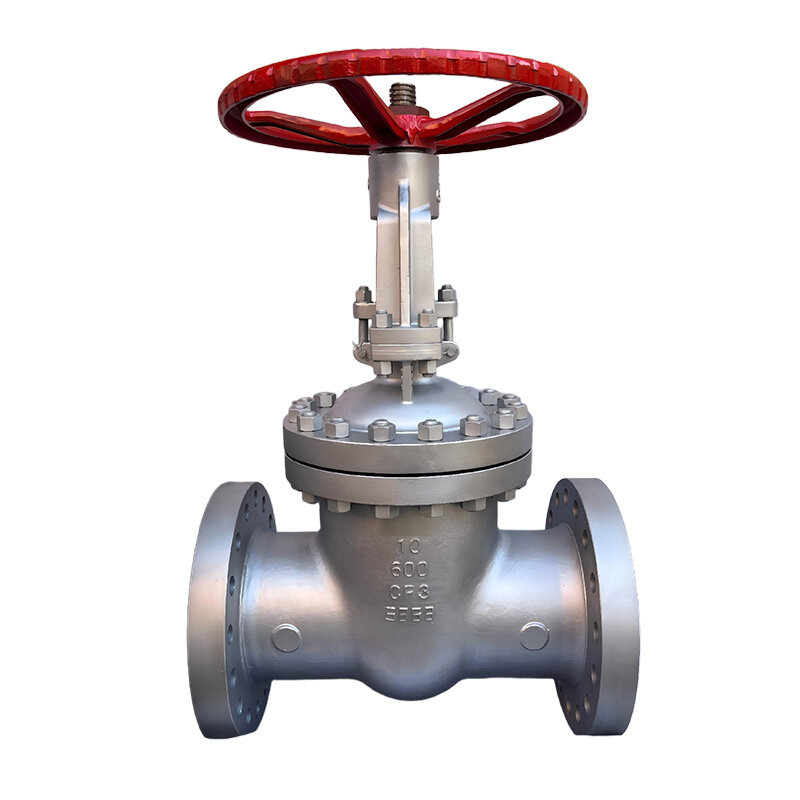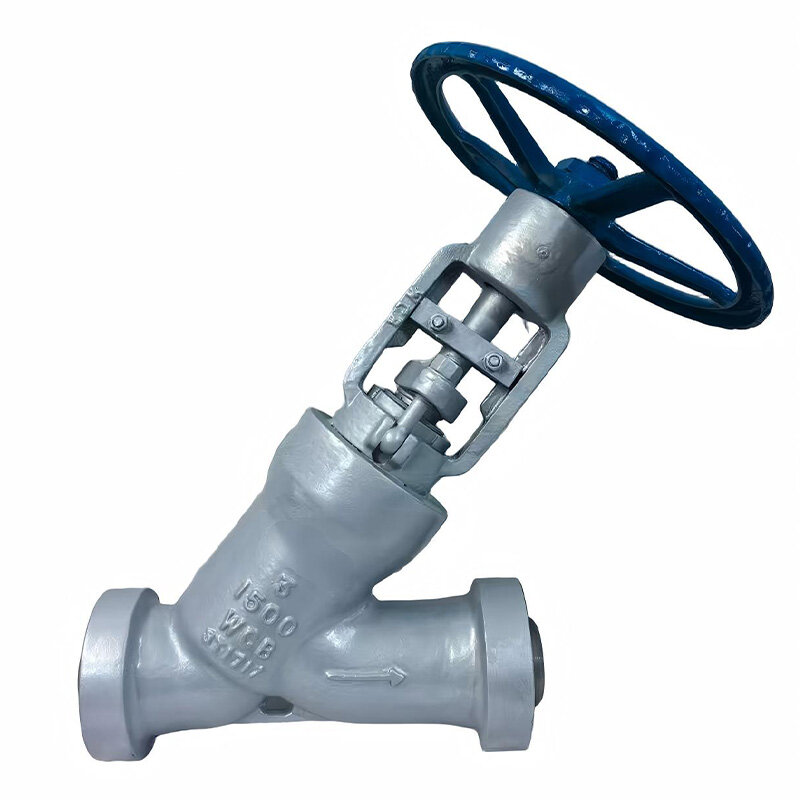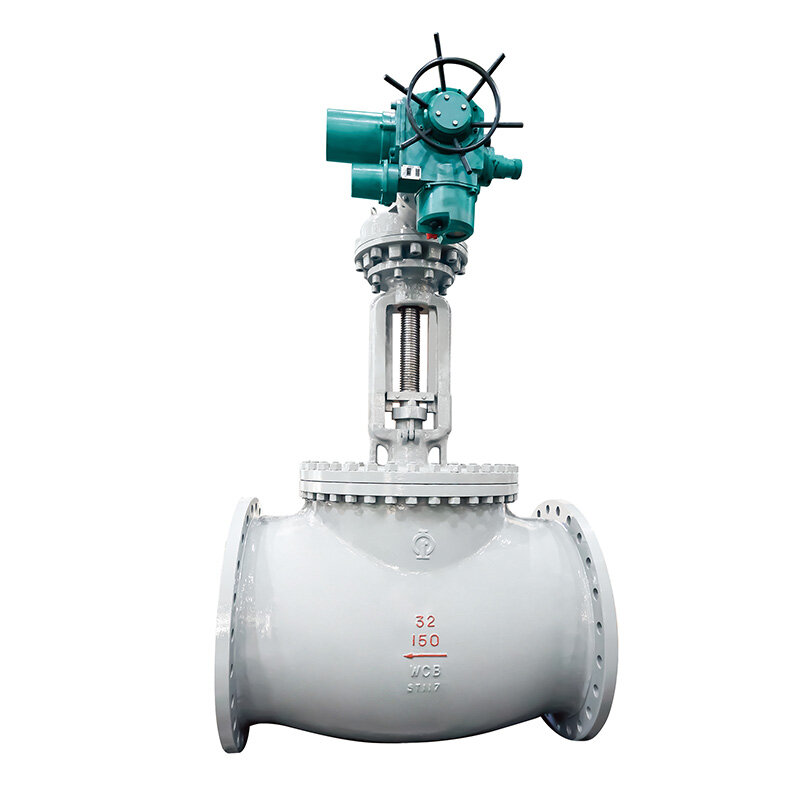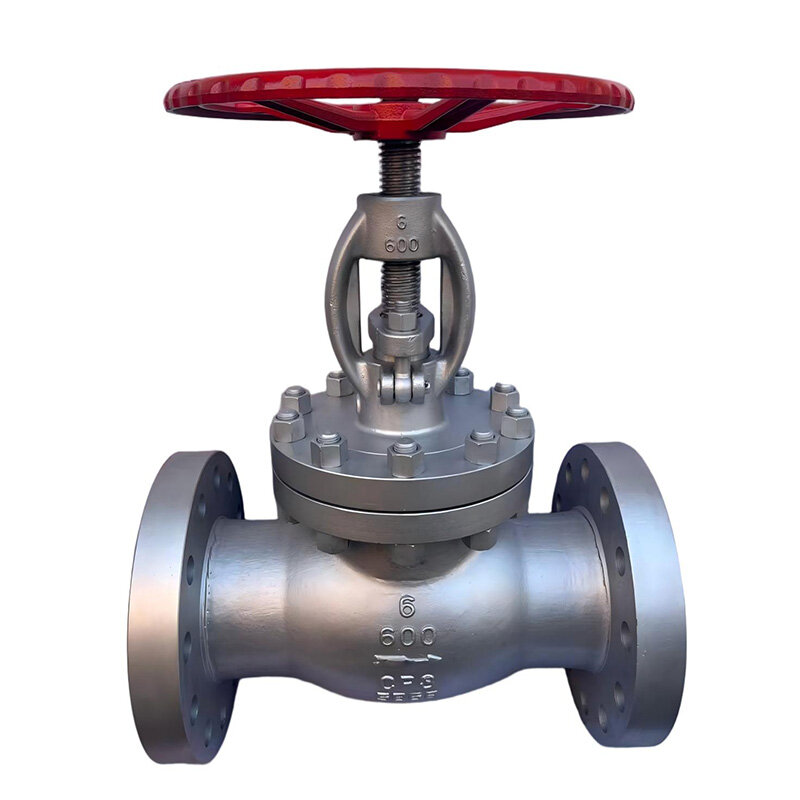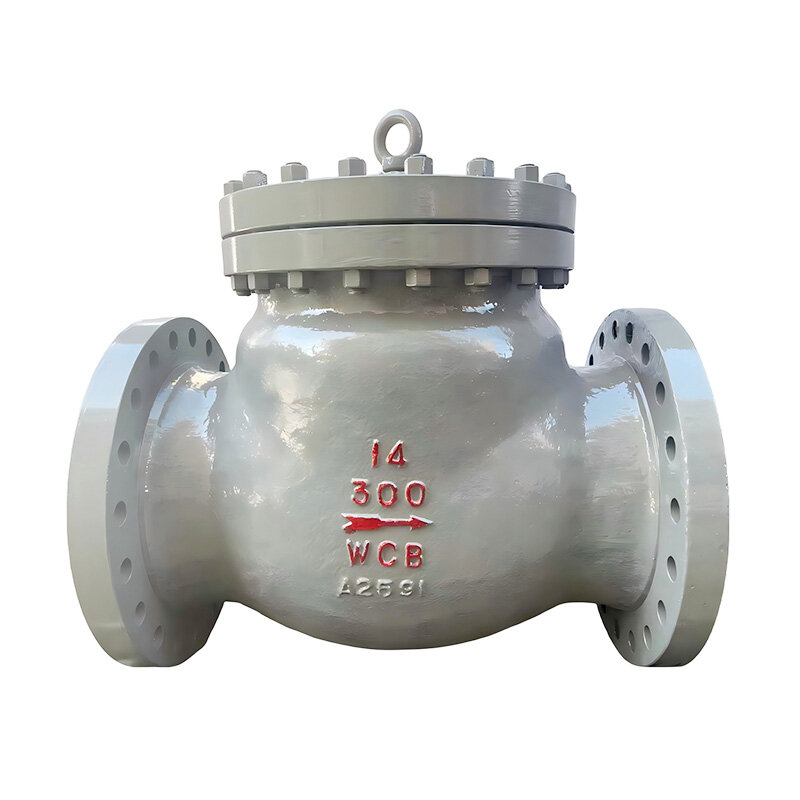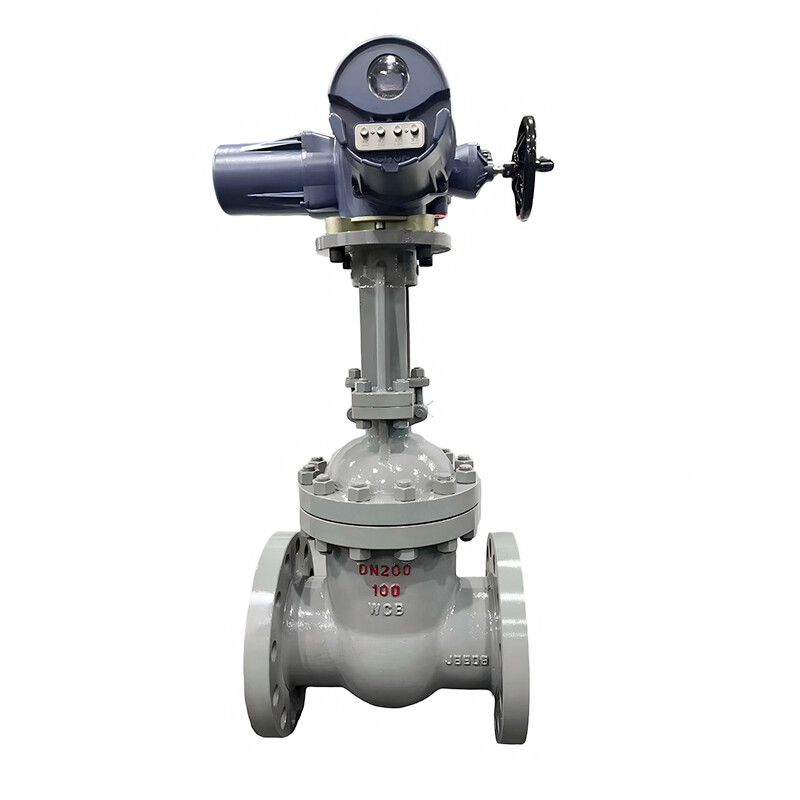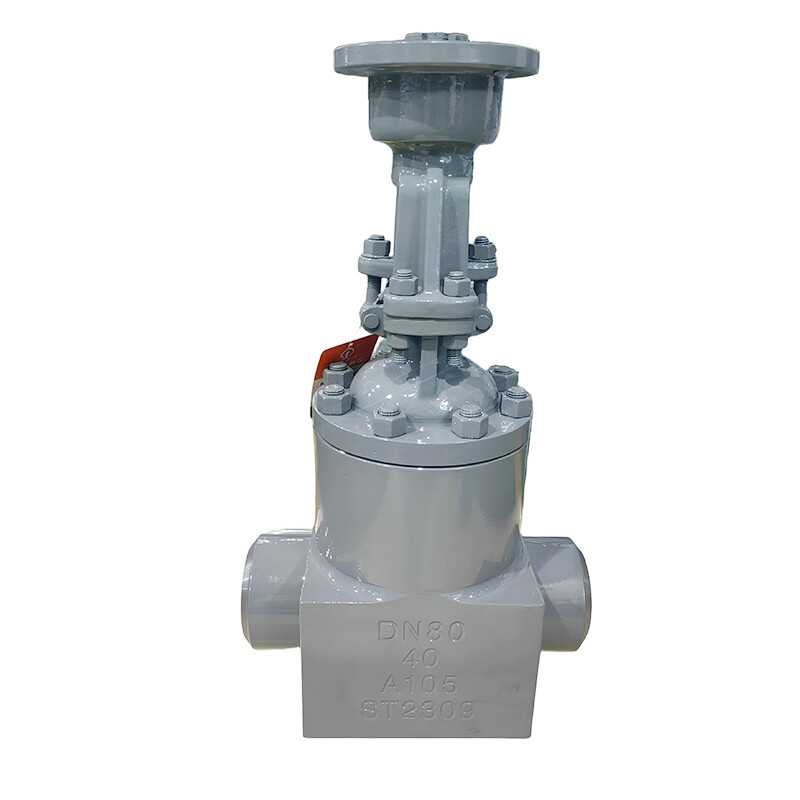
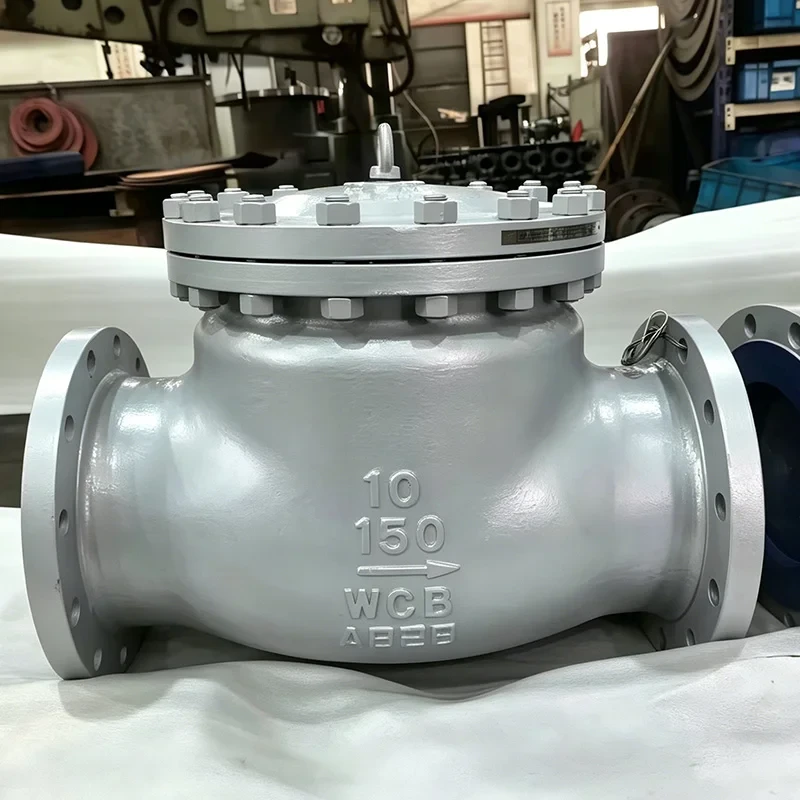
API 6D check valves play a vital role in fluid control systems for oil, natural gas, and chemical pipelines. As valves that automatically open and close using the energy of the flowing medium itself, they prevent backflow without the need for external operation, serving as critical equipment for the safe operation of pipeline systems.
The design and manufacture of API 6D check valves strictly adhere to the API 6D standard established by the American Petroleum Institute, which serves as the core specification for pipeline valve systems in the oil and gas industry. In compliance with API 6D requirements, face-to-face dimensions follow ASME B16.10, flange connections comply with ASME B16.5, butt-weld end dimensions adhere to ASME B16.25, and pressure-temperature ratings are based on ASME B16.34. This comprehensive system of standards ensures the global interchangeability and reliability of API 6D check valves.
Regarding material selection, valve bodies are typically constructed from materials such as ASTM A216 WCB cast steel or ASTM A351 CF8/CF8M stainless steel. The sealing surfaces of the disc and seat are hard-faced with Stellite cobalt-based alloy, offering excellent wear resistance, high-temperature tolerance, and resistance to galling, which significantly extends the valve's service life. The disc rotates around a hinge pin located outside the seat; the internal hinge pin design effectively minimizes potential external leakage points.
Inspection and testing of API 6D check valves also follow rigorous specifications. Each valve must undergo shell strength and seat tightness tests in accordance with API 598 or API 6D standards. From the receipt of raw materials to the shipment of the finished product, the valves undergo comprehensive quality control to ensure high reliability and longevity under harsh operating conditions, such as high pressure and corrosive environments. It is this robust standardization framework that makes API 6D check valves the preferred choice for industries including oil and gas, chemicals, and hydroelectric and thermal power generation.
Previous:API 600 Gate Valve Standard Updates and Technical Insights for Heavy-Duty Industrial Flow Control
Next:Detailed Overview of API 6D Check Valve Structural Types and Application Scenarios