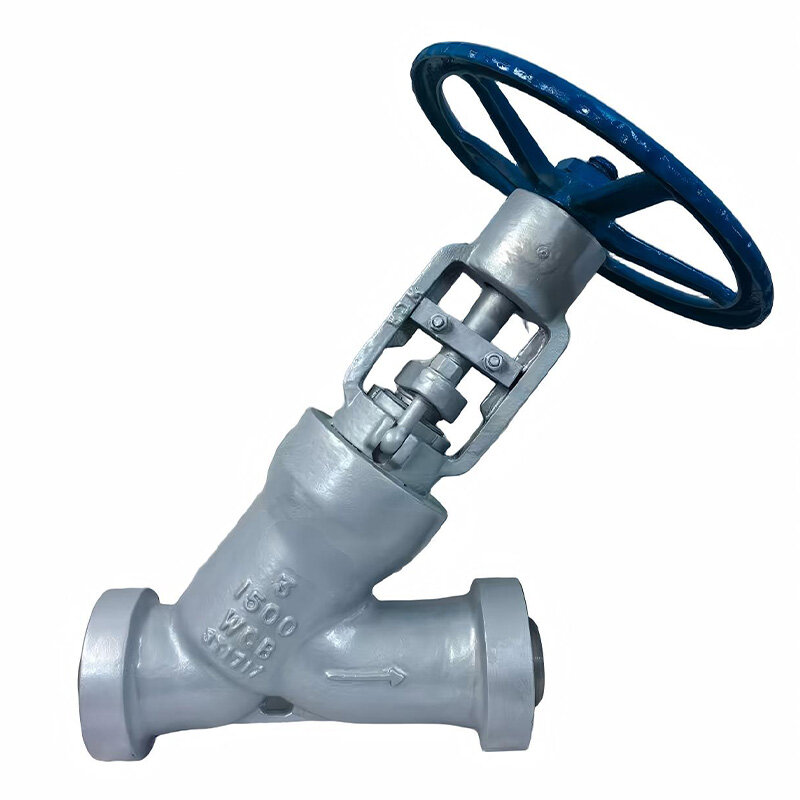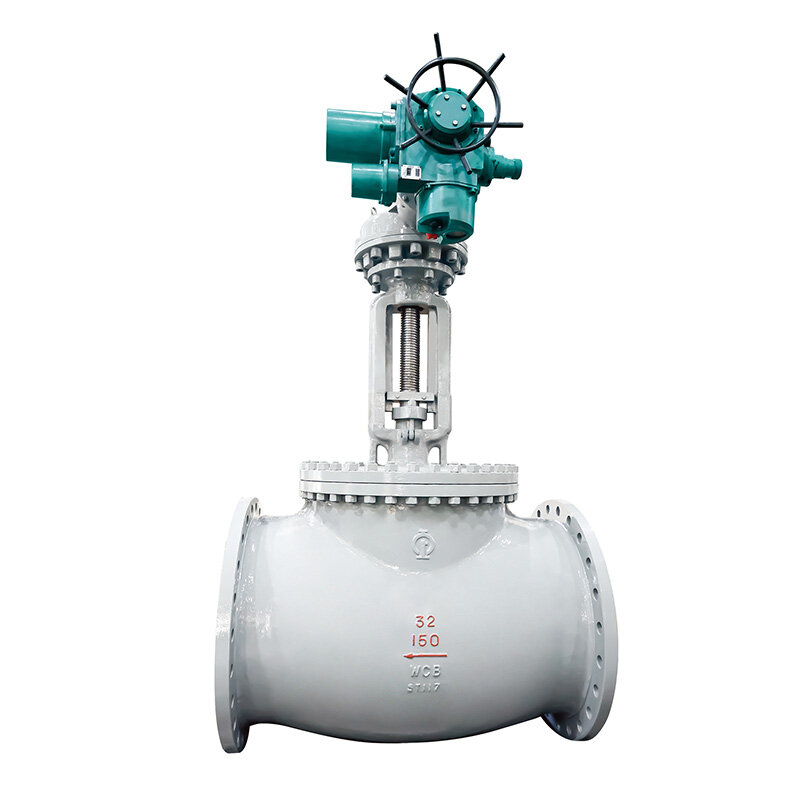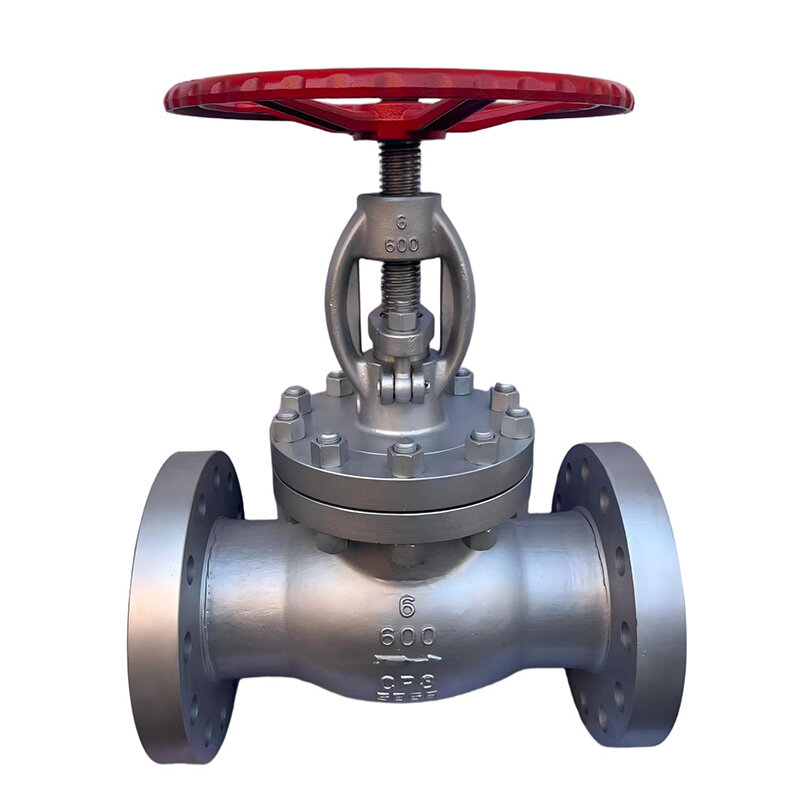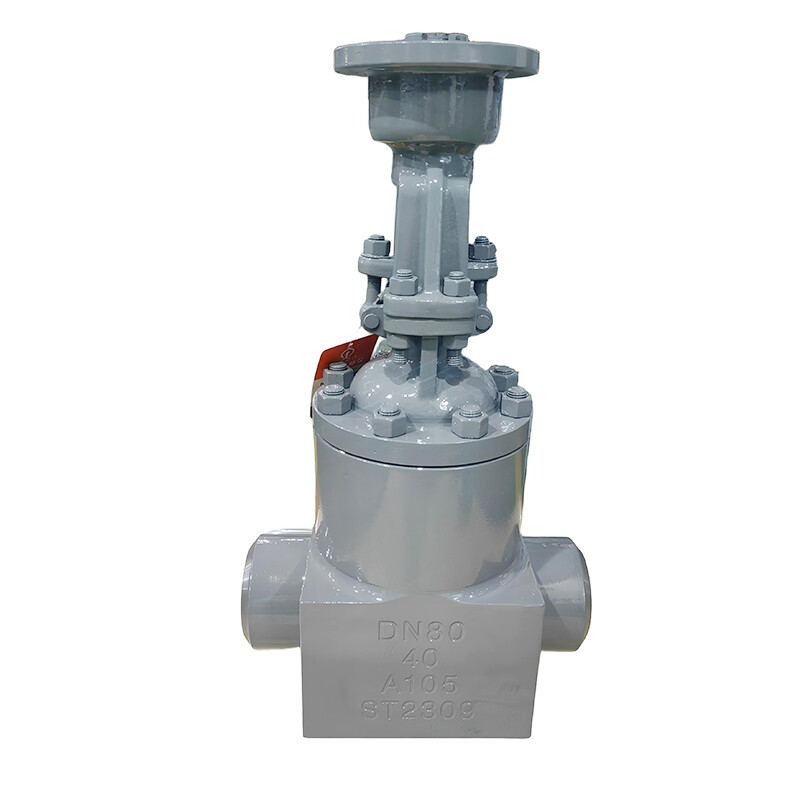
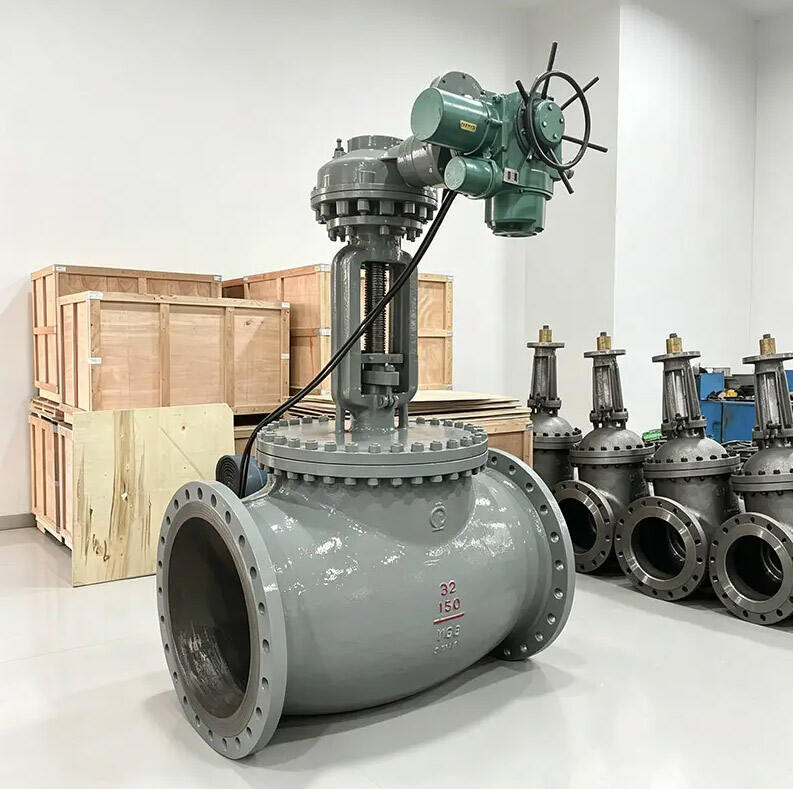
Seal failure is a common issue during the operation of process pipelines equipped with API globe valves; these failures generally fall into two categories: internal leakage at the valve seat and external leakage at the stem packing. Such failures lead to media loss and fluctuations in process parameters, and in severe cases, can create safety hazards for the pipeline. Identifying the common causes of seal failure in API globe valves and establishing corresponding on-site remediation plans helps operations and maintenance personnel quickly diagnose faults and mitigate their impact.
Internal leakage at the valve seat occurs when the medium continues to flow between the sealing surfaces of the valve disc and the seat even while the valve is closed. A primary cause is damage to the sealing surfaces. Solid particles carried by the medium can become trapped between the sealing surfaces during throttling; the act of closing the valve crushes these particles against the hard-alloy sealing surfaces, creating scratches or pits. Additionally, high-velocity flow and prolonged throttling operations can cause gradual wear on the sealing surfaces. Shallow scratches can be repaired on-site via lapping, whereas deep scratches require hard-alloy overlay welding followed by remachining of the sealing surface.
A second cause is the accumulation of impurities within the valve cavity. Viscous media or precipitates can deposit at the valve seat; when the valve closes, these impurities become lodged between the sealing elements, preventing a tight seal and resulting in internal leakage. To address this, the valve can be opened to allow the medium's flow to flush out the accumulated impurities, after which the valve is closed again to re-test sealing performance. If sediment accumulation recurs frequently, it is necessary to evaluate the medium's properties and consider installing an upstream filtration device or implementing a regular valve cavity flushing routine.
A third cause is improper operation. Insufficient force during closure prevents the disc from fully compressing against the seat, while excessive closing torque can cause plastic deformation of the sealing surfaces. When closing an API globe valve, only moderate torque should be applied once the disc contacts the sealing surface; forceful or rough operation must be avoided. Wear or misalignment of the disc's guiding components can also cause internal leakage by preventing the disc and seat from aligning concentrically, resulting in uneven contact between the sealing surfaces; addressing worn guide sleeves requires disassembly and component replacement.
External leakage at the stem packing involves the medium seeping outward along the valve stem. The primary cause is packing degradation; under high-temperature conditions, graphite packing loses elasticity and shrinks due to prolonged heat exposure, resulting in insufficient sealing compression. Other causes include loose packing gland bolts reducing compression force, or rust and scratches on the valve stem surface preventing the packing from sealing tightly against it, allowing the medium to leak along the scratches. For minor leaks, evenly tighten the packing gland bolts to increase compression; for significant leaks, depressurize the system, disassemble the gland, and replace the packing assembly entirely. When installing, pack the material in sections and stagger the joints to enhance sealing performance.
Beyond sealing interface issues, leaks at the valve body flange are usually caused by gasket aging or uneven bolt preload. Thermal cycling causes flange bolts to expand and contract, leading to a loss of preload and subsequent leakage. Corrective measures include tightening flange bolts evenly in a diagonal pattern after the temperature has dropped to a suitable level; if the gasket is damaged, the unit must be shut down to replace it with a spiral-wound graphite gasket.
When troubleshooting API globe valves, operating conditions must be considered. Sealing surfaces wear much faster during throttling operations than in simple shut-off applications; therefore, inspection intervals for the sealing surfaces of API globe valves used for long-term throttling should be shortened. In applications involving corrosive media, corrosion of the disc and seat can compromise the sealing surface; it is necessary to sample and analyze the medium's corrosive components, evaluate whether the internal trim materials are suitable for the operating conditions, and upgrade the materials if necessary.
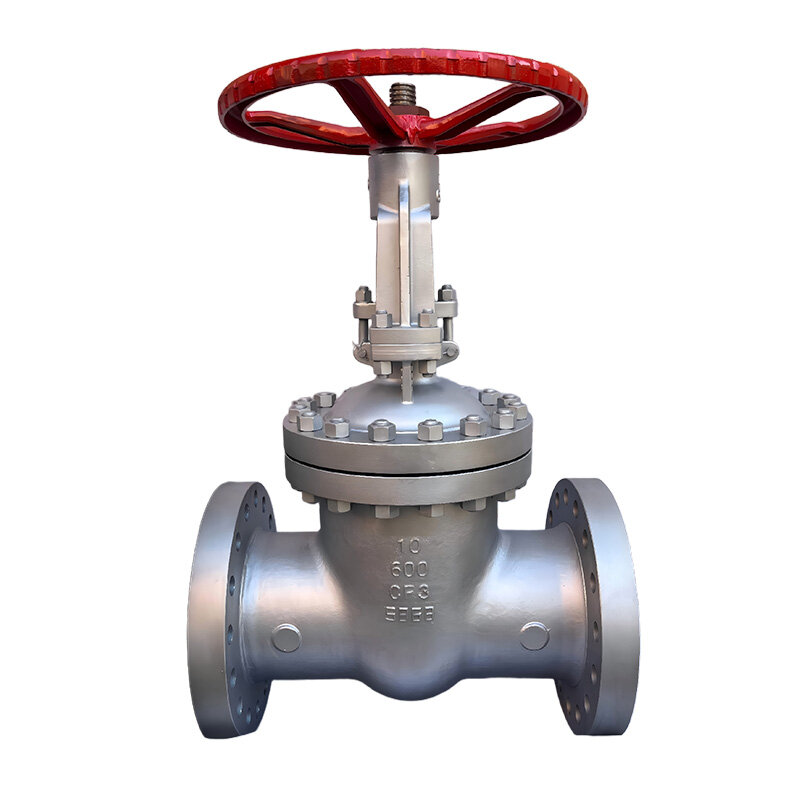
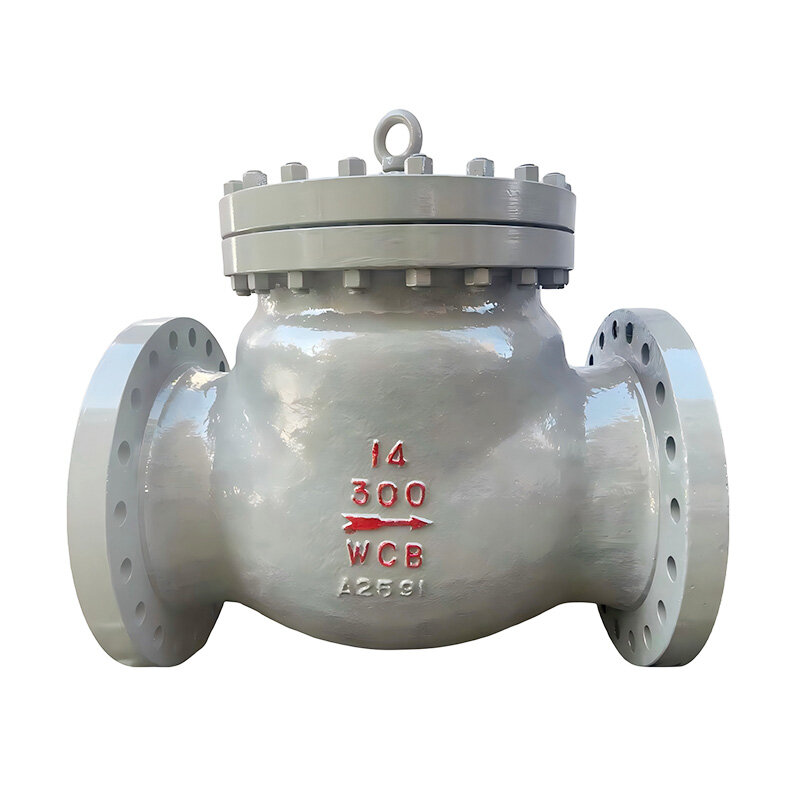
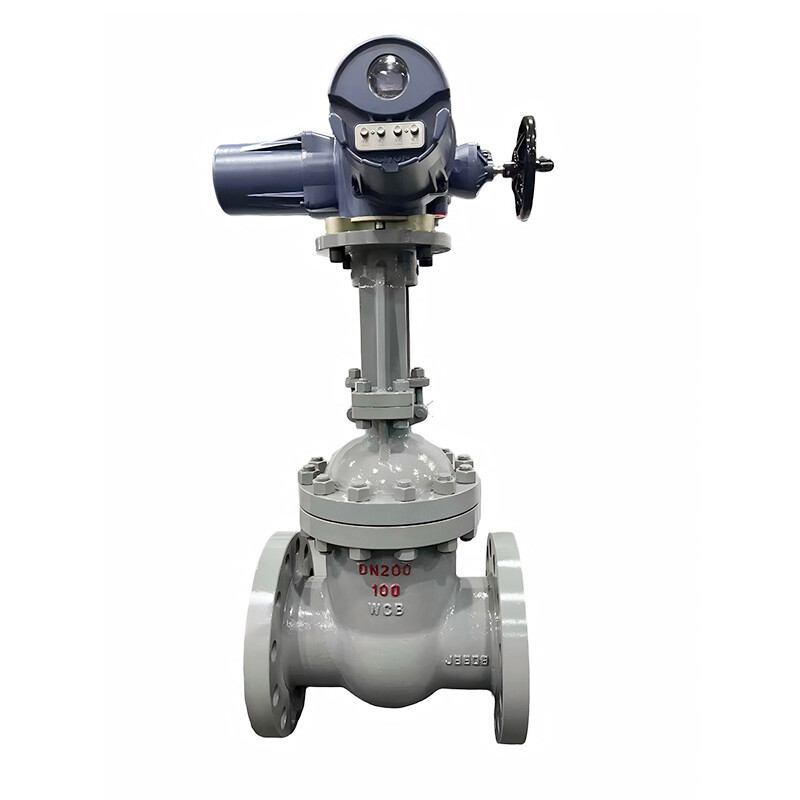
Troubleshooting for API globe valves must be distinguished from that of API 600 gate valves. Internal leakage in API 600 gate valves is often caused by debris erosion or jamming at the gate's sealing surface, whereas erosion of the sealing surface is a more prominent issue in API globe valves due to their throttling characteristics. API 6D check valve failures typically involve disc jamming or component damage from water hammer; since these failure modes differ from those of API globe valves, maintenance and operation records should be categorized separately. Troubleshooting must adhere to safety protocols. While the system is pressurized, only minor adjustments to the packing gland are permitted; tasks such as repairing sealing surfaces or replacing internal components require depressurizing the pipeline, draining the medium from the valve, and performing proper isolation and purging. Valve disassembly should only proceed after safety has been verified; dismantling the valve body under pressure is strictly prohibited to prevent injury from the sudden release of the medium. Once troubleshooting is complete, a leak test must be conducted to confirm the issue is resolved before the valve is returned to service.
Seal failure in API globe valves is primarily caused by erosion from impurities, component aging, or improper operation. Seal damage can be minimized through regular inspections, standardized operating procedures, and upstream filtration. In the event of a leak, accurately identifying the failure mode and employing safe, appropriate remedial measures helps reduce unplanned pipeline downtime and ensures the stable operation of process piping.
Previous:Classification of API Globe Valve Structures and Their Applicable Operating Conditions
Next:The Role of API 6D Check Valves in Backflow Prevention for Oil and Gas Pipelines